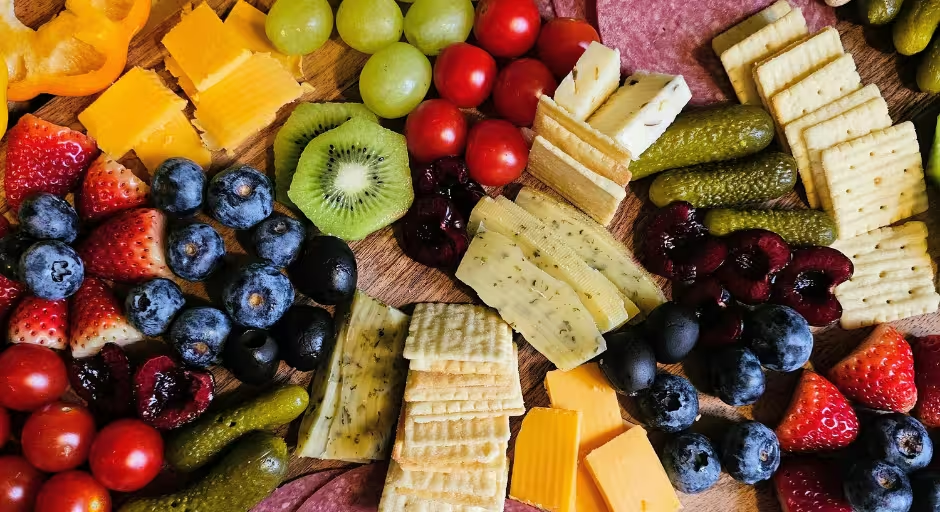


Snacking isn’t the problem. It’s what you’re snacking on that usually leaves you hungry again an hour later.
Snacking gets a bad reputation, especially when you’re trying to lose weight. It’s often seen as the thing that “throws you off track” or something you should avoid if you want to see results. But the truth is, snacking isn’t the issue. In fact, when done right, it can actually help you stay consistent, manage hunger, and prevent that end-of-day overeating that so many people struggle with.
The real problem is that most snacks aren’t built to keep you full. They’re quick, convenient, and often carb-heavy without much protein or fat to balance them out. So you eat them, feel satisfied for a short time, and then find yourself right back in the kitchen wondering what else you can grab.
Learning how to build a snack that actually keeps you full changes everything. It takes the guesswork out of those in-between moments and helps you stay steady instead of constantly chasing your next bite.
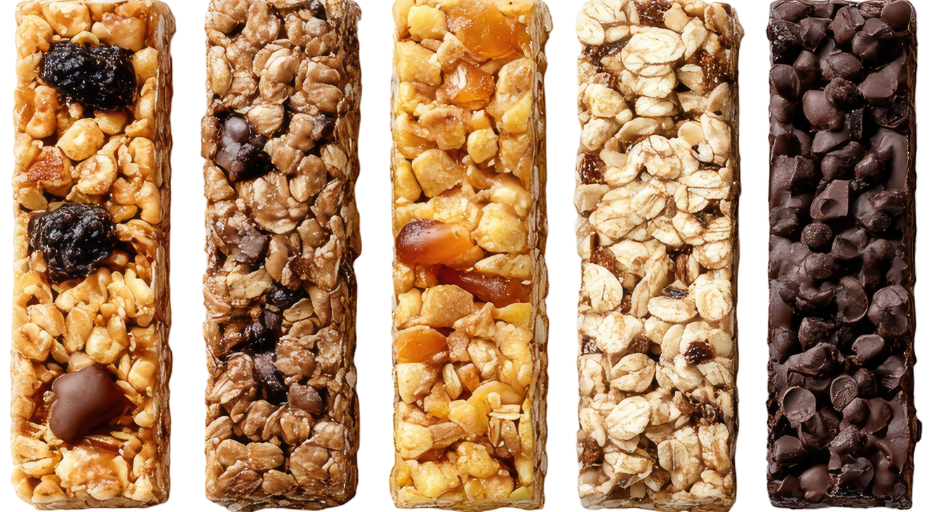
A lot of typical snack options are designed to be easy, but they're often not satisfying. Things like crackers, chips, granola bars, or even just a piece of fruit on its own tend to digest quickly and don’t provide much staying power.
When a snack is mostly carbohydrates without enough protein, fat, or fiber, your blood sugar can rise quickly and then drop just as fast. That drop is what leaves you feeling hungry again, sometimes even hungrier than before.
The thing is, you don't have to cut out these foods out completely. You just need to understand why they don’t hold you over and how to build something better around them.
If you want a snack to last, it needs to do more than just taste good. It needs to support your body.
Protein is one of the most important pieces because it slows digestion, supports muscle, and helps you feel satisfied longer. Healthy fats also play a role in keeping you full and stabilizing energy levels. Fiber adds volume and helps regulate blood sugar, which keeps that steady, satisfied feeling going.
When you combine these three, protein, fat, and fiber, your snack goes from something that just “holds you over” to a nutritional powerhouse of a snack.
Instead of grabbing something random and hoping it does the job, think about building your snack with intention.
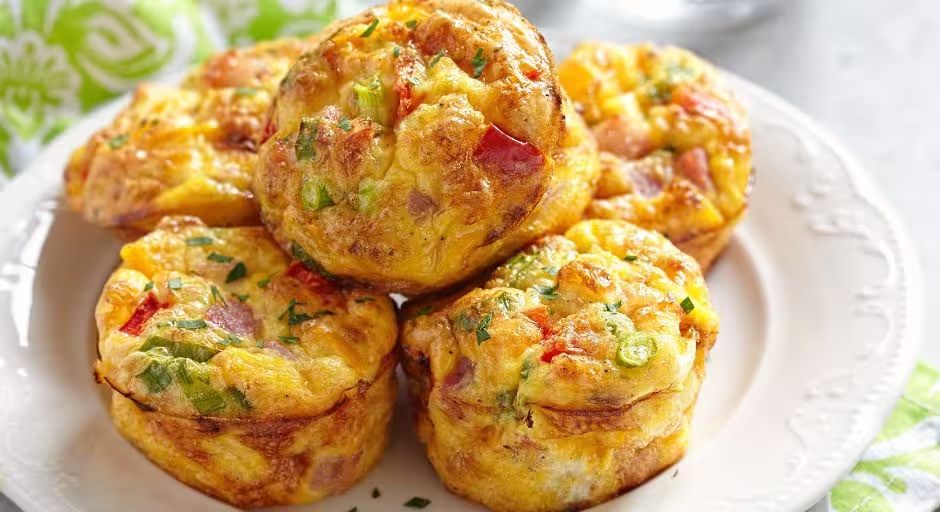
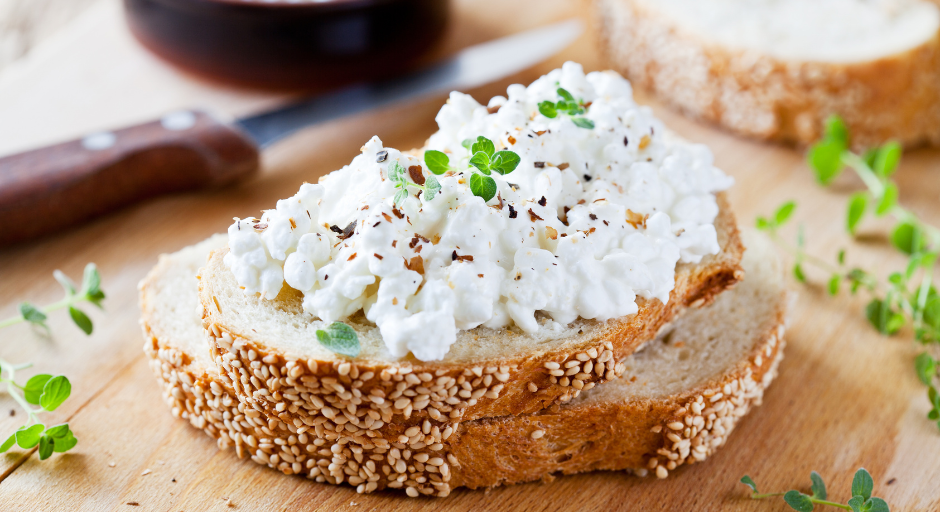
Start with a protein source like Greek yogurt, cottage cheese, eggs, turkey, or a protein shake. Then add in something with fiber, like fruit, vegetables, or whole grains. If you can, include a healthy fat like nuts, seeds, avocado, or a drizzle of olive oil.
This doesn’t have to be complicated. It can be as simple as apple slices with peanut butter, cottage cheese with berries, or a boiled egg with a handful of almonds.
The goal isn’t to be perfect, just try for balance.
If you’re using GLP-1 medications, you might notice that your appetite is lower and you don’t feel the urge to snack as often. While that can be helpful when trying to lose weight, it doesn’t mean your body doesn’t still need fuel throughout the day.
In fact, because you’re eating less overall, the quality of what you do eat matters even more. Skipping snacks completely can sometimes lead to under-fueling, low energy, or difficulty hitting your protein goals.
A well-built snack can help you stay nourished without feeling overly full. It supports your energy, helps preserve muscle, and keeps your body functioning the way it should while you’re losing weight.
This is where having a little structure makes things easier.
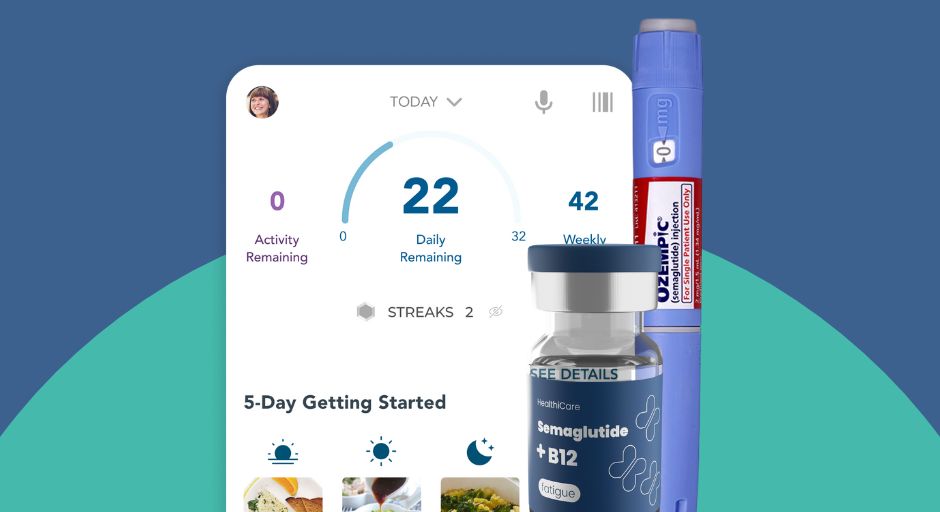
The Healthi app helps you see how your snacks fit into your day instead of feeling like they’re something extra or “off track.” With the BITE system, you can build snacks that are balanced without needing to overthink every choice.
Plans like Better Balance naturally encourage protein-rich options, while Healthi Fresh supports GLP-1 users with meals and snacks that focus on protein and fiber to help maintain muscle and keep energy stable.
Instead of guessing what will keep you full, you start to see patterns in what actually works for your body.
Snacking doesn’t have to be something you avoid or feel guilty about. When you build your snacks with intention, they can actually become one of the most helpful tools in your routine.
The difference comes down to what’s in them. When you focus on protein, fiber, and healthy fats, your snacks stop being something that just fills time and start being something that supports your progress.
It’s not about eating less. It’s about eating in a way that keeps you satisfied, steady, and able to stay consistent without constantly feeling like you’re running on empty.
September 23, 2026