

Does walking after eating help with weight loss? What research shows a short post-meal stroll does for blood sugar, and why it's a great holiday habit.
You've probably heard that a walk after dinner "burns off" the meal. It doesn't, not really, and the real story is more interesting than the myth.
So does walking after eating help with weight loss? Indirectly, it can. A short, easy walk after a meal won't erase what you ate, but research shows it noticeably softens the blood sugar rise that follows a meal, and it adds steps to a part of the day when most of us are parked on the couch. That combination is small, steady, and surprisingly useful.
If you're using the Healthi app, an after-dinner stroll is an easy thing to log and watch over a few weeks.
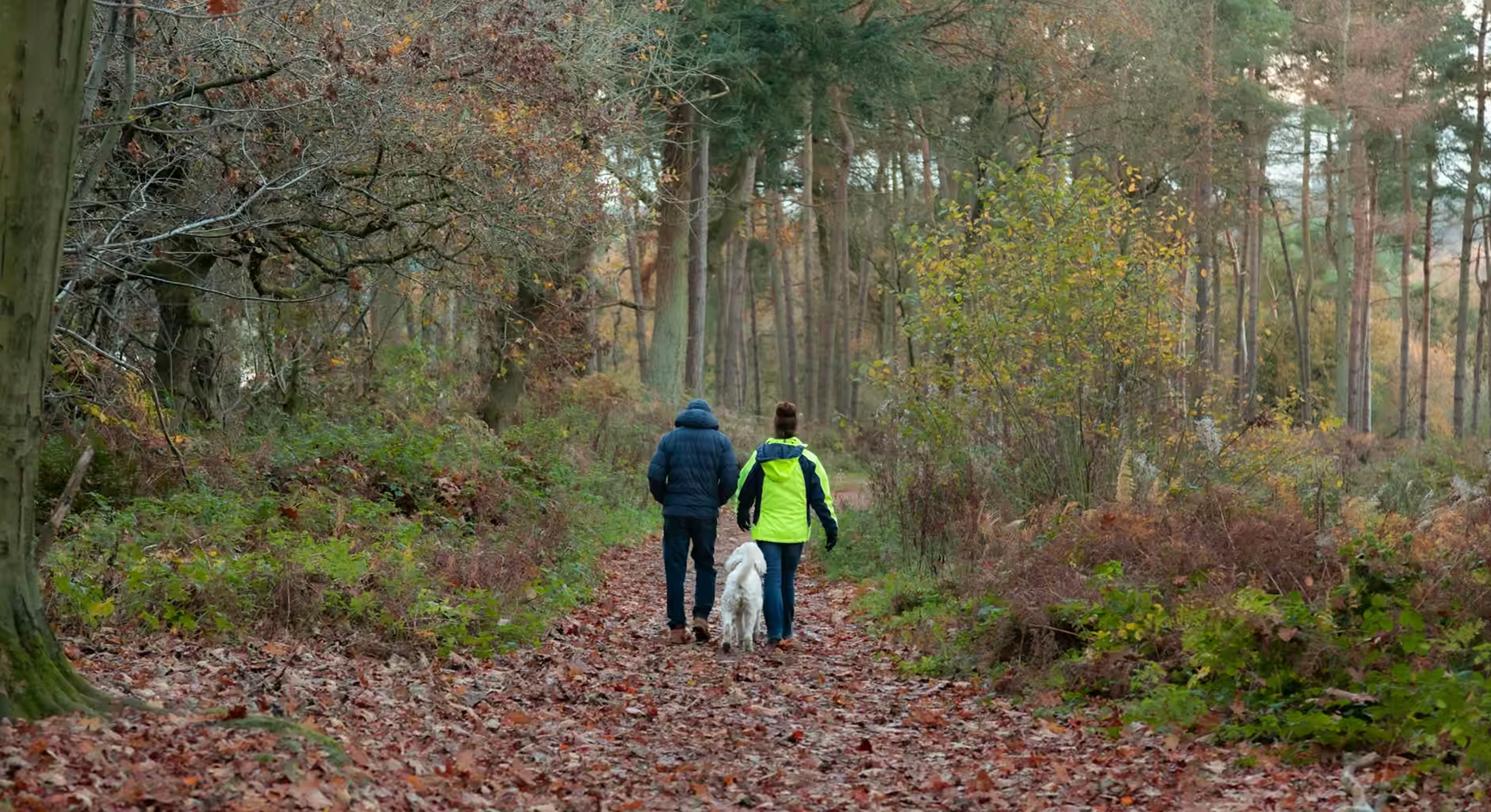
Plenty of families have some version of the after-dinner walk. Someone stands up from the table, announces they need to "move a little," and half the room follows them out the door while the other half starts on the dishes. It's one of those habits that feels right before anyone can explain why.
The "walk it off" framing is where things get a little wobbly. A gentle 15-minute walk uses a modest amount of energy, nowhere near the calories in a big holiday plate. If the walk were only about burning calories, it would be a pretty disappointing deal.
Here's the twist: the most interesting thing a post-meal walk does has less to do with calories and more to do with what your body does with the food you just ate.
After you eat, especially a meal with plenty of carbohydrates, glucose from that food moves into your bloodstream. Your muscles are one of the biggest places that glucose can go. When those muscles are working, even gently, they pull in more of it.
That's exactly what researchers saw when they pooled the evidence. In a 2022 meta-analysis in Sports Medicine, seven randomized lab trials compared sitting still after meals with taking short standing breaks or short, easy walking breaks. Compared with uninterrupted sitting, standing breaks lowered post-meal glucose by about 9.5% on average, and light walking breaks lowered it by about 17%. Walking also brought post-meal insulin down, while standing didn't make a statistically clear difference.
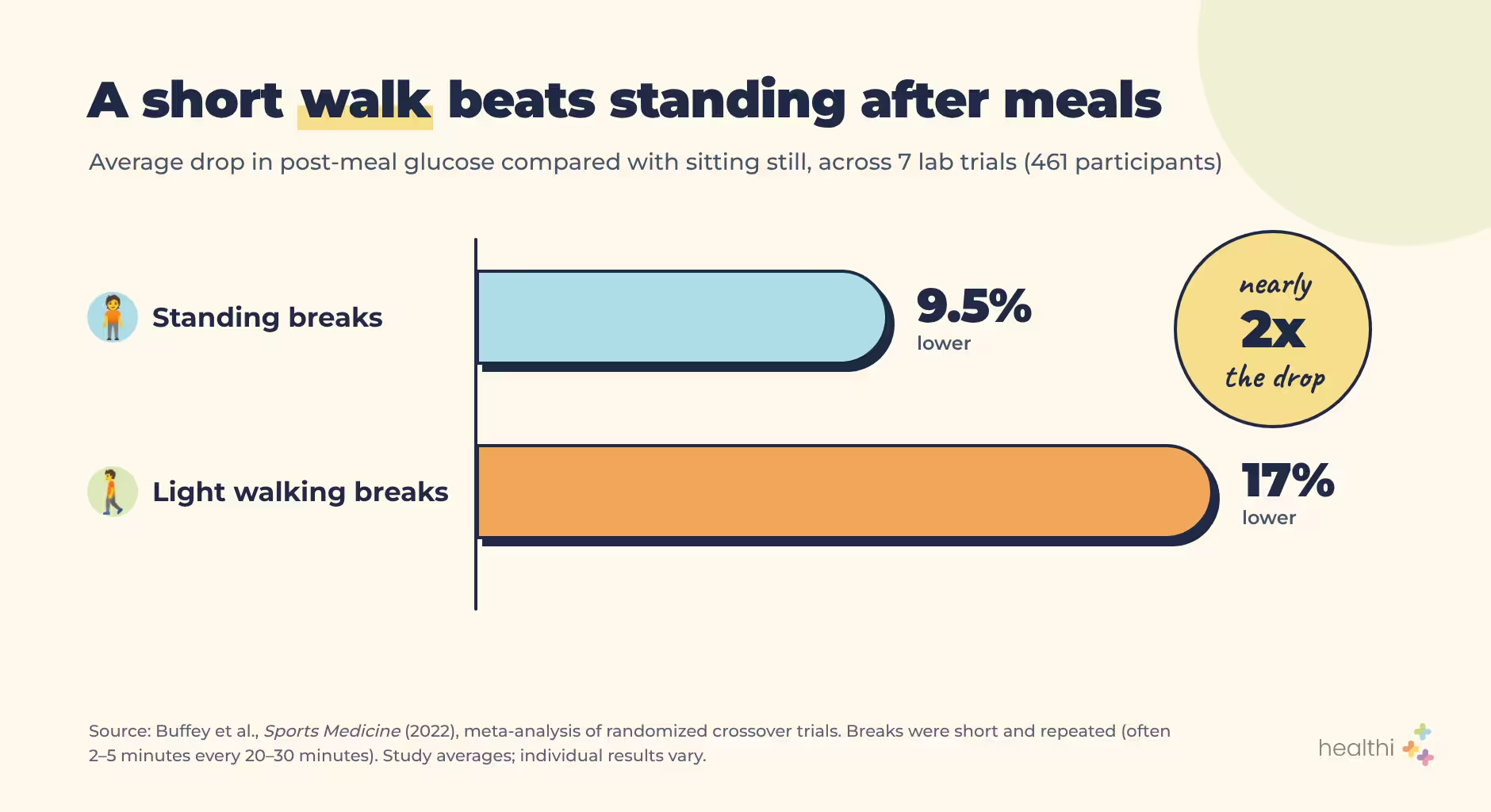
A couple of honest caveats. These were short lab studies, and the walking breaks were often just two to five minutes at a time, repeated every 20 to 30 minutes. The studies measured blood sugar and insulin, not body weight. So the research says a stroll changes how your body handles a meal in the hours afterward. It doesn't say a stroll on its own will move the scale.
Think of it as a supporting actor rather than the star. A post-meal walk helps in a few quieter ways.
First, it adds movement at a time of day that's otherwise very still. Evenings are often the least active stretch of the day: dinner, then dishes, then the couch. Ten or fifteen minutes on your feet adds up across a week, and every bit of daily movement counts toward the bigger picture we talk about in why walking is such an underrated tool.
Second, a walk can quietly change what happens next. Have you ever noticed how the hour after dinner tends to drift toward the pantry? Getting out the door interrupts that drift. By the time you're back, the "something sweet" urge has often faded, or at least turned into a calmer decision.
And third, it's gentle enough to repeat. A habit you'll still be doing in February is worth a lot more than an intense one you'll drop by Thanksgiving weekend.
The CDC notes that physical activity helps you feel better, function better, and sleep better right away, with longer-term benefits for your heart, blood pressure, and blood sugar. None of those show up on a bathroom scale, and all of them matter.
This is where it helps to be a little relaxed. The research doesn't point to one magic number. In the lab trials, even a couple of minutes of easy walking repeated through the afternoon made a difference, and the analysis didn't find that longer or more frequent breaks were clearly better.
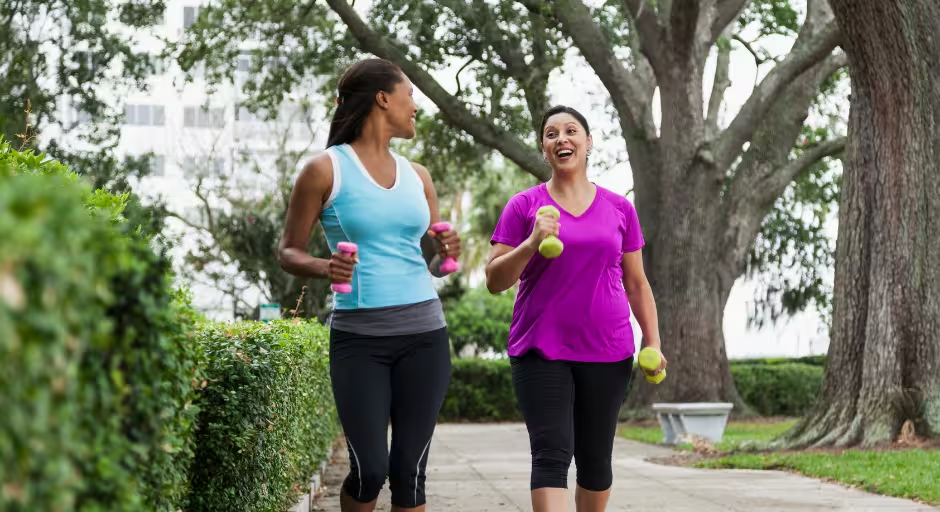
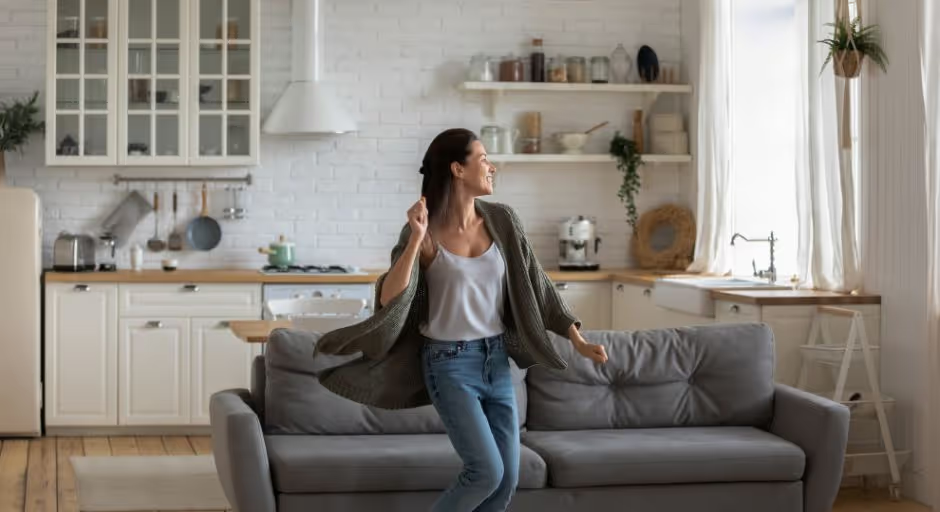
For most people, that translates into something like a 10- to 20-minute stroll sometime in the first hour or so after a meal, at a pace where you could easily hold a conversation. Some people prefer a loop around the block right after dinner. Others like to do the dishes first and then head out. If you can't get outside, pacing while you take a phone call, walking laps around the house, or a few minutes of tidying on your feet all move in the same direction.
If you've ever felt a side stitch after walking on a very full stomach, that's a good reason to keep the pace easy. This isn't a workout. It's more like letting the meal settle while your legs do some quiet work in the background.
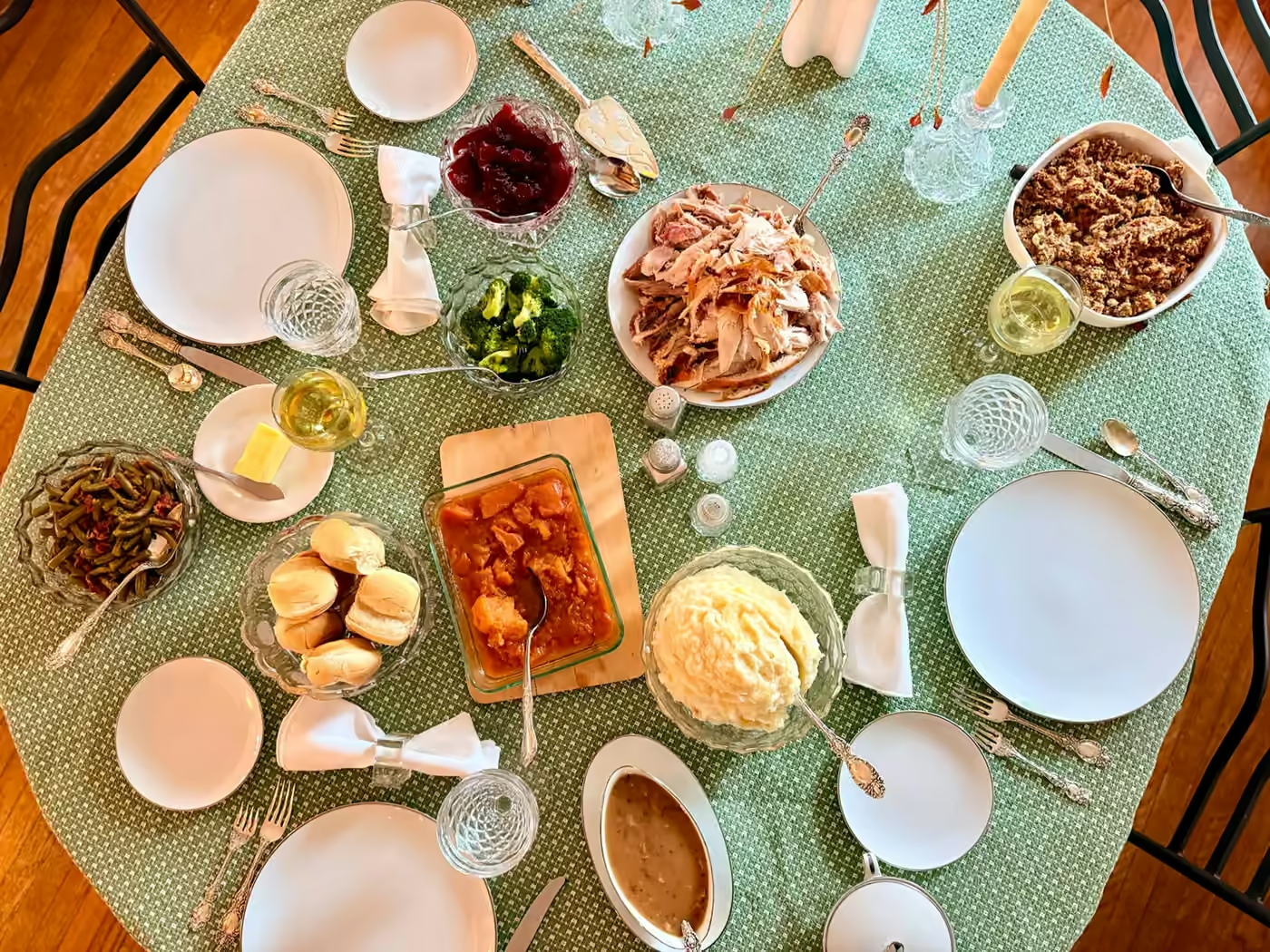
Thanksgiving is about a month away, and it's worth thinking about now, because holiday meals are exactly the kind of big, carb-heavy, sit-for-hours situation where a stroll shines. The good news is that holiday weight gain is smaller than most people fear: as we covered in how much weight people really gain over the holidays, the average is about a pound.
A family walk after the big meal can become the kind of tradition people look forward to. It gets everyone out of the warm, overstuffed living room, gives you a little breathing room from the dessert table, and turns into the part of the day where the good conversations happen. If you're also thinking about the meal itself, our guide to building a Thanksgiving plate you'll enjoy pairs nicely with this.
Here's a small thing to wonder about: what does the hour after dinner usually look like for you? Is it the couch, the phone, the kitchen, the kids' homework? There's no wrong answer. It's just useful to know which moment a short walk would be stepping into.
Real life doesn't always cooperate. It's dark at 5:30 now, the weather is turning, and some evenings you're simply done. That's okay. A few things that some people find helpful:
If you're on a GLP-1 medication and your appetite and energy have shifted, gentle movement after meals can still be a nice fit. Our sister site has a thoughtful piece on rediscovering joy in movement on a GLP-1.
And if you have diabetes or take medication that lowers blood sugar, it's worth checking in with your provider about how activity after meals fits into your plan.
The after-dinner walk won't undo a meal, and it doesn't need to. What it does is gentler and more lasting: it helps your body handle the food you ate, adds easy movement to a sleepy part of the day, and gives you a few quiet minutes that belong only to you. That's a pretty good return on a pair of sneakers.
Progress doesn't come from one perfect evening. It comes from doing small, kind things often enough that they become part of who you are, which is what real consistency tends to look like. If you'd like a hand noticing how your evenings and your steps connect, the Healthi app is a friendly place to keep track. Maybe start with tonight. Grab a jacket and see where the block takes you.
This article is for general information and isn't a substitute for medical advice. If you have diabetes, take medication that lowers blood sugar, or have a heart or joint condition, talk with your provider before changing your activity routine.
October 29, 2026