

“Healthy” eating doesn’t always equal weight loss, and that’s where most people get stuck without realizing it.
At some point in almost every weight loss journey, there’s a moment of confusion that sounds something like, “I’m eating healthy… so why isn’t anything changing?”
And honestly, it’s a fair question.
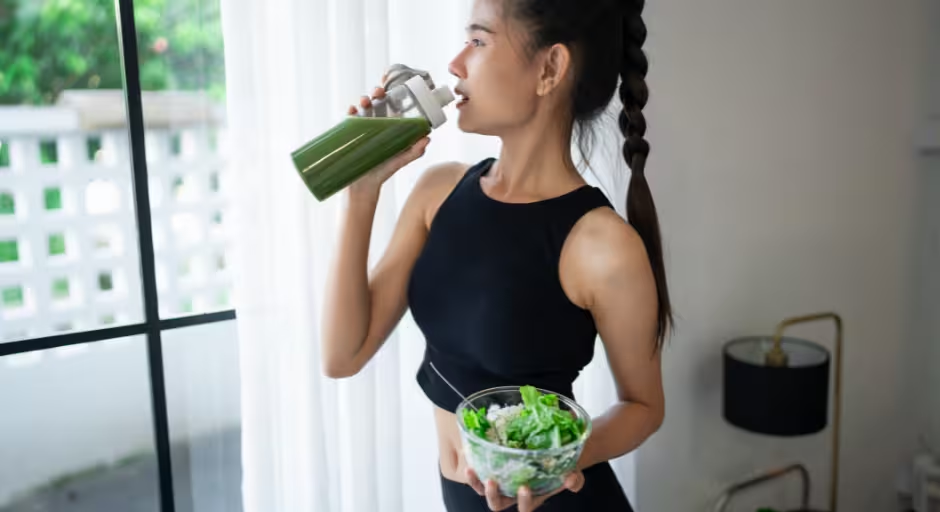
You’re choosing salads, smoothies, lean proteins, whole grains, and trying to make thoughtful decisions. On paper, it looks like exactly what you’re supposed to be doing. But the results don’t always match the effort, and that’s where frustration starts to creep in.
The missing piece is that “healthy” doesn’t automatically mean effective for weight loss. A food can be nutrient-dense, minimally processed, or even labeled “clean,” and still not be structured in a way that supports fat loss, energy, or consistency.
Once you understand that difference, everything starts to make a lot more sense.
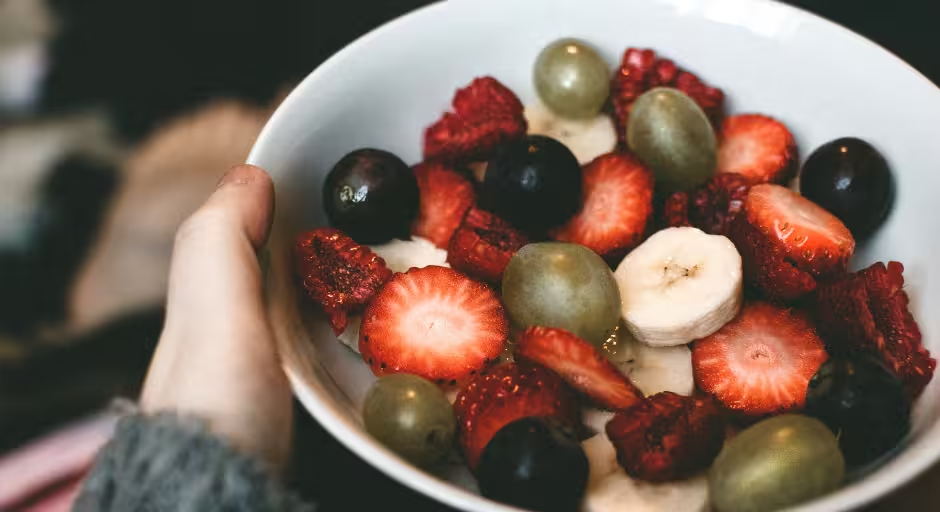
One of the biggest issues is that many “healthy” meals are missing balance. You might have a smoothie packed with fruit, almond butter, and oats, or a big salad loaded with vegetables, nuts, and dressing. These foods are absolutely nutritious, but they’re not always structured in a way that keeps you full or supports steady energy.
What’s often missing is enough protein, or a proper balance between protein, fiber, and healthy fats. Without that balance, meals digest quickly, blood sugar can fluctuate more, and hunger tends to come back sooner than expected. So even though the food itself is “healthy,” it doesn’t always support your goals in a meaningful way.
Here’s where things get even more confusing, and honestly, where a lot of people get stuck without realizing it. The word “healthy” is everywhere on packaging now.
Protein bars, snack packs, granola, frozen meals, smoothie drinks, even chips and desserts will all show up labeled as “better for you,” “clean,” “high protein,” or “natural.” And while some of these options can absolutely fit into a balanced lifestyle, the label alone doesn’t tell the full story.
A lot of these foods are still highly processed, higher in calories than expected, or lower in satiety than real whole foods. Some are built more for marketing than actual fullness or metabolic support.
So you end up thinking you’re making a great choice because the packaging says “healthy,” but your body is still left hungry, unsatisfied, or reaching for more food shortly after.
This is one of the biggest blind spots in modern nutrition. We’re surrounded by foods that look aligned with our goals, but don’t always function in a way that actually supports them.

Another piece that gets overlooked is portion size. It’s easy to assume that if something is healthy, you don’t need to think too much about how much you’re eating. But calories still matter, even when they come from whole, nutritious foods.
Foods like nuts, avocado, olive oil, granola, and even whole grains are incredibly good for you, but they’re also more calorie-dense than most people realize. Without awareness, portions can quietly add up throughout the day without it ever feeling like “too much.”
This is where people often feel stuck, because they’re eating what they believe is right, but the overall structure isn’t aligned with their goals.
There’s a big difference between eating for general health and eating for fat loss, and that difference matters more than most people think. Healthy eating focuses on food quality, which is important, but fat loss also depends on structure, consistency, and overall intake across the day.
You can absolutely eat high-quality foods and still not be in a calorie deficit. You can eat “clean” and still be under-protein or over-portioning certain foods without realizing it. This is why people can feel like they’re doing everything right but still not seeing progress. It’s not that they’re off track, it’s that the strategy needs refinement.
If there’s one shift that makes the biggest difference, it’s protein. Protein helps keep you full longer, supports lean muscle, and plays a major role in maintaining your metabolism while losing weight. When protein is too low, even the most “perfect” meals can leave you feeling unsatisfied and more likely to snack or overeat later.
When you build meals around protein first, then layer in fiber and healthy fats, everything starts to feel more stable. Hunger becomes more manageable, energy feels more consistent, and cravings tend to quiet down naturally.
It’s not about eating less food. It’s about building food in a smarter way.
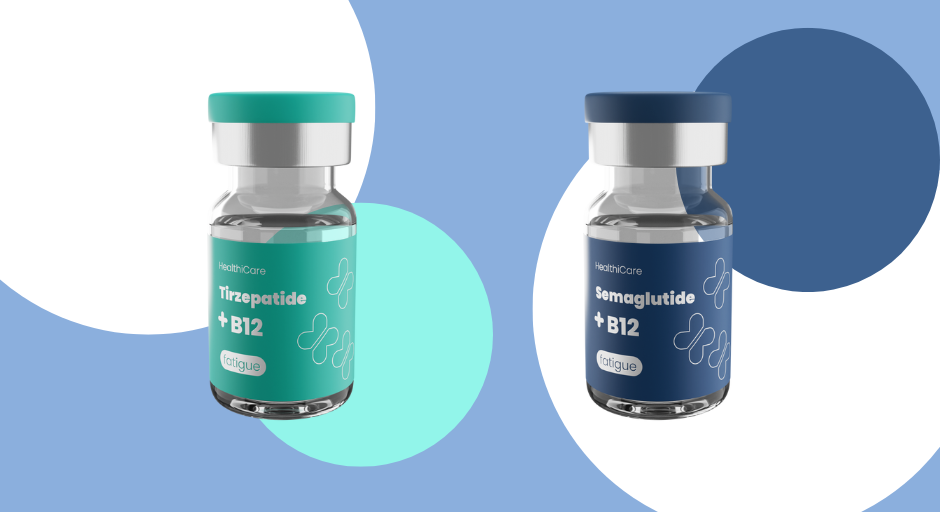
If you’re using GLP-1 medications, this becomes even more important. GLP-1 naturally reduces appetite, which can make it easier to eat less without feeling deprived. But if your meals aren’t balanced, it’s also easier to unintentionally under-eat protein or skip nutrients your body still needs.
That’s where structure matters. Because even if hunger is lower, your body still needs fuel to maintain muscle, support energy, and keep your metabolism functioning well.
GLP-1 works best when it’s paired with intentional nutrition, not when it replaces it. That’s why HealthiCare is here for you.
This is where things start to feel less overwhelming.
The Healthi app helps you move away from labeling foods as just “healthy” or “unhealthy” and instead focuses on how your choices fit into your overall day. With the BITE system, you can build balance in a way that actually aligns with your goals without needing to obsess over every detail.
Plans like Better Balance naturally encourage higher protein intake, while Healthi Fresh is designed specifically for GLP-1 users to help support muscle, energy, and consistency when appetite is lower.
And with HealthiCare, you’re not figuring this out alone. You have access to licensed clinicians and personalized guidance that helps you connect what you’re eating with how your body is responding, so you can make adjustments that actually move you forward.
Eating “healthy” is a great foundation, but it’s not always the full strategy for weight loss. You can make nutrient-dense choices all day and still feel stuck if those choices aren’t balanced, structured, or aligned with your actual goals.
Once you start focusing on how your food is working for your body, not just how it looks on paper, everything starts to shift. You’ll soon realize that progress doesn’t come from eating perfectly healthy foods. It comes from eating in a way that actually supports your body, consistently, over time.
October 5, 2026