


Ready for a fresh start, but tired of ending up back in the same cycle? Coach Jeri takes a closer look at the old habits, restrictive thinking, and quick fixes that can make long-term weight loss so difficult.
Hi, Coach Jeri here!
As a new season begins, we start to think about new beginnings—the direction we want to go and the changes we would like to make.
Many of us have tried to lose weight in the past, and many of us have had success at one time or another. The problem is that long-term success often seems to escape us. After a while, we find ourselves right back where we started. Complacency, exhaustion, and restriction tend to get the better of us.
Anyone who has tried to lose weight knows just how confusing it can get. Weight loss information is constantly changing, with new fads, long-held misunderstandings, and plenty of contradictions. We would all love to lose weight quickly, but do these fad diets tell us what comes next?
I recently had a member who went on a three-day diet plan. She lost a good amount of weight quickly, but what happens on day four? Day five? Day six? Within a week, the weight came back.
It’s time to break those old patterns and prepare yourself for long-term success.
Before you can build something new, it helps to recognize the habits and thought patterns that may have pulled you off track in the past.
1. Stop the negative self-talk.
No one is perfect. Having a small indulgence from time to time is not a “cheat.” You are not bad, and wasting time feeling guilty does not help you move forward.
2. Focus on adding, not subtracting.
I always tell my members to think about all the foods they can have. Many of us become so focused on “I can’t have this” or “I can’t eat that” that we forget about all the wonderful, healthy choices available to us. The Healthi Community and member meetings are filled with recipes and food finds that can help you enjoy what you’re eating instead of constantly focusing on what you’re not eating.
3. Clear out temptation in the beginning.
Get rid of foods that increase the food noise in your head. There may come a time when those foods no longer bother you, but in the beginning, it can be helpful to create an environment with fewer temptations while you establish new habits.
4. Ditch the diet mentality.
Even the word “diet” can sound restrictive, lonely, and demotivating. Diets are often associated with quick fixes, which can set us up for the same cycle of losing weight, regaining it, and starting all over again.
5. Remember that restriction doesn’t work long term.
Even if a restrictive plan helps you lose weight or reach your goal, what happens afterward? Returning to your previous eating habits will likely bring you right back to where you started. The way you lose the weight needs to be something you can realistically continue.
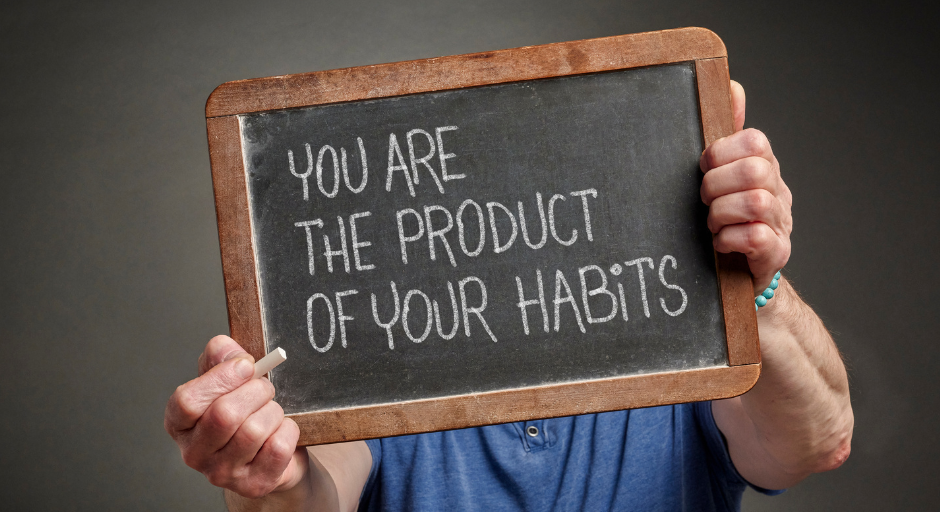
Once you recognize the patterns that haven't served you well, you can start replacing them with habits that support the lifestyle you actually want.
1. Set specific goals that aren't only about the scale.
Choose clear, measurable, small goals that you can easily put into action. Walk for 15 minutes a day. Pack your lunch for work. Drink an extra glass of water. Meal prep for the week. Most importantly, make sure your goals are realistic and obtainable.
2. Don’t wait for motivation.
You don’t need a wedding, reunion, vacation, or special event to start taking care of your health. Motivation will come and go. Every day is an opportunity to do the best you can for your health, even when you don't feel especially motivated.
3. Write down your “why.”
Make a note of the specific changes you want to achieve. Maybe you want more energy, less knee pain, or better sleep. I always say your biggest “why” is your health. Nothing else matters if you don't have your health.
4. Identify your biggest challenge.
Knowledge is power. Is snacking your biggest struggle? Eating at night? Going to restaurants? Weekends? Stress eating? If you can pinpoint where you tend to struggle, you can begin developing a plan to handle those situations differently.
5. Think lifestyle, not diet.
Once you accept the need to improve your overall well-being and begin thinking about your choices as part of a lifestyle rather than a temporary diet, you can start developing a healthier relationship with food.
Highly restrictive dieting can be difficult to maintain and may contribute to cycles of losing and regaining weight. A more positive outlook can help reduce the guilt and shame that often surround food.
Allowing yourself an occasional indulgence without labeling it as “cheating,” eating “bad food,” or “falling off the wagon” can help prevent one choice from turning into a cycle of emotional eating and negative self-talk.
When we tie our self-worth to our food choices, especially while following a restrictive plan, we make the journey much harder than it needs to be.
Instead, ask yourself: What positive changes am I willing to make?
Small, realistic changes that you can maintain long term are what lead to lasting progress. You don't need to change everything overnight.
The more you focus on creating healthy behaviors around food, movement, and your overall lifestyle, the stronger those behaviors become. Eventually, they stop feeling like something you're forcing yourself to do and simply become part of the way you live.
A new season can be the perfect reminder that you don't have to repeat the patterns of the past. Take what you've learned, make changes you can actually live with, and keep moving toward better health—one small choice at a time.
September 25, 2026