

A busy week can make healthy eating feel harder than it needs to be. A few simple Sunday habits, from planning meals and prepping protein to stocking easy snacks, can take the guesswork out of your week and make healthy choices much easier when life gets busy.
Monday morning can feel a lot easier when you don't have to figure out what you're eating at 6 p.m. on a Tuesday. A few simple Sunday habits can take the guesswork out of meals, make healthier choices more convenient, and help you avoid relying on takeout when the week gets busy. After working with people on healthy eating and weight loss, one thing becomes clear: you don't need to spend your entire Sunday meal prepping to make a difference. A little planning can carry you through the entire week.
The best Sunday routine isn't going to be the one that looks perfect on paper. It's the one you'll actually keep on repeat.
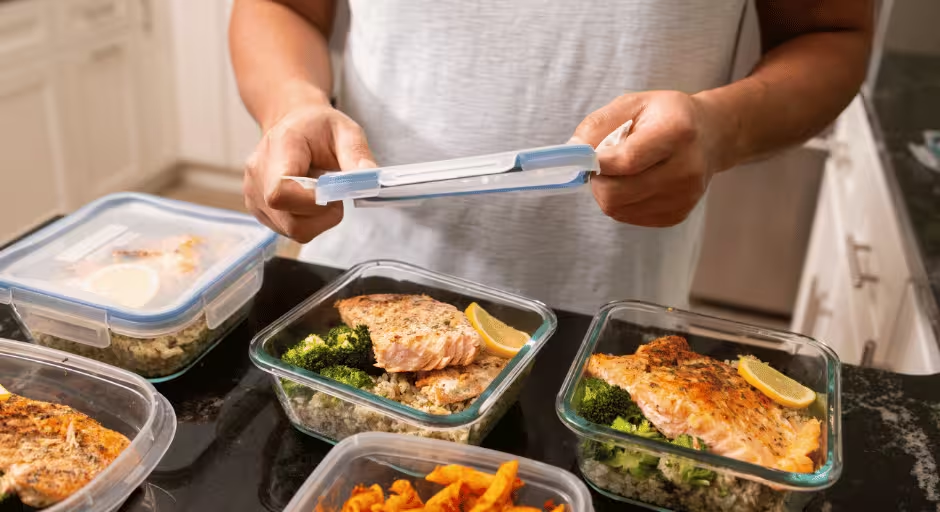
The biggest mistake people make with meal prep is assuming it has to mean cooking every meal in advance. That's one way to do it, but it isn't the only way, and for many people, it becomes too much work to maintain.
A better approach is to use Sunday to make the rest of the week easier. That might mean washing produce, cooking a protein, making a batch of rice, planning a few dinners, or simply checking what's already in your refrigerator before heading to the grocery store.
The goal is to remove some of the decisions you'll have to make when you're tired and hungry later in the week.
Start with your calendar, not a recipe book. Take a few minutes to see what's actually happening during the week so your food plan matches your schedule.
If Tuesday has a late meeting, that probably isn't the best night for a complicated dinner. If your child has practice at 6 p.m., plan something that can be eaten quickly or prepared ahead. If Friday is already booked with dinner plans, there's no reason to buy ingredients for another full meal.
A realistic plan works with your life instead of pretending every evening will go exactly as planned (because realistically, it won't.)
You don't need seven completely different dinners to eat well all week. In fact, trying to create a brand-new meal every night can make healthy eating feel like another full-time job.
Choose three or four meals that sound good and use leftovers for the remaining days. You might make grilled chicken on Sunday, use it in a salad on Monday, put it into wraps on Tuesday, and add it to a rice bowl later in the week.
This approach gives you variety without requiring a separate cooking project every night.
Every week has an unexpected Tuesday. Keep a few simple meals available for nights when your original plan falls apart. Canned tuna with whole-grain crackers and vegetables, scrambled eggs with toast and fruit, a rotisserie chicken with microwaveable rice and frozen vegetables, or a quick turkey wrap can save you from ordering dinner when you're exhausted.
These meals don't have to be impressive. They just need to be easy enough that you'll actually make them.
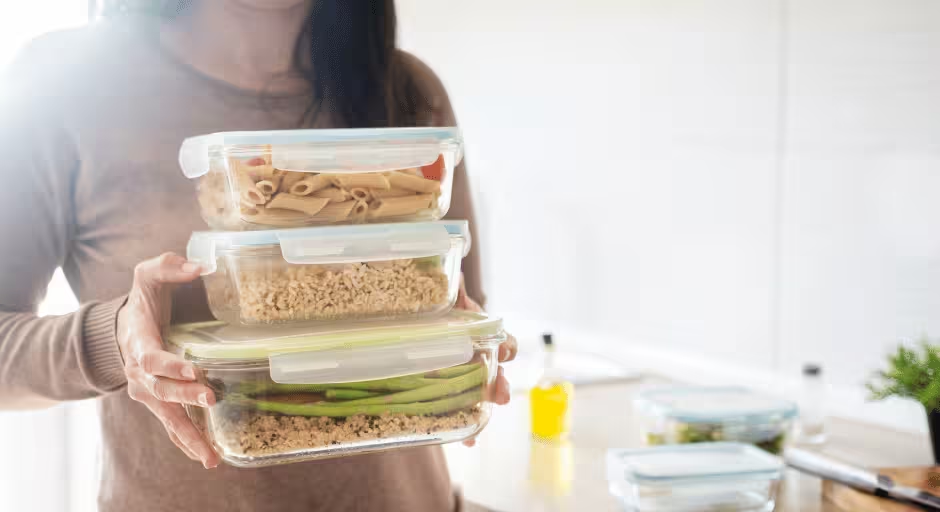
Ingredient prep is often much easier to maintain than full meal prep. Instead of putting together five identical containers of chicken, rice, and broccoli, prepare a few ingredients that can be used in different ways.
Cook a batch of chicken or lean ground turkey. Wash and chop some vegetables. Prepare rice, quinoa, or another grain. Hard-boil a few eggs. Portion out snacks that are easy to grab.
Now you have building blocks for several meals without being locked into eating the same thing every day.
Pay attention to the foods that tend to disappear from your meals when you're busy. If breakfast is always rushed, prepare overnight oats or egg muffins. If lunch tends to become whatever you can find, portion out protein and vegetables ahead of time.
This is where Sunday preparation can have the biggest impact. You're not preparing food simply because it's Sunday. You're preparing the foods that solve problems you already know you'll have during the week.
Protein is easier to prioritize when it's ready to eat. Cooked chicken, turkey meatballs, hard-boiled eggs, Greek yogurt, cottage cheese, tuna packets, and other convenient options can make a big difference when hunger hits.
Think about what requires the least amount of effort. If you have to cook chicken from scratch every time you want protein, you're less likely to reach for it when you're busy. If it's already cooked and sitting in the refrigerator, adding it to a salad, wrap, bowl, or snack takes very little thought.
For anyone using a GLP-1 medication, this can be especially helpful. A reduced appetite can make it harder to eat enough, so having protein-rich foods available can help you make those smaller meals count.
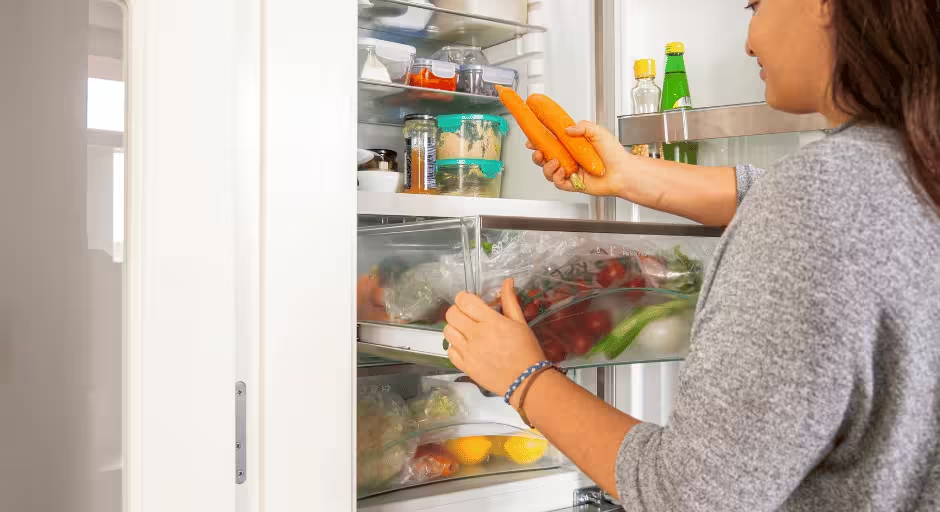
Healthy food isn't particularly convenient when it requires ten minutes of washing and chopping before you can eat it. Spend part of Sunday making produce easier to reach.
Wash berries, grapes, and other fruits. Chop vegetables for snacks or meals. Keep baby carrots, snap peas, cherry tomatoes, or other ready-to-eat options at eye level in the refrigerator.
The same idea works for frozen vegetables. Keep a few bags available for quick dinners, especially on nights when you don't have much time to cook.
Convenience matters.
Breakfast is one of the easiest meals to skip when the morning gets hectic. Having two or three reliable options can prevent you from starting the day with whatever happens to be easiest.
Overnight oats, egg muffins, Greek yogurt bowls, cottage cheese with fruit, breakfast wraps, and smoothies can all be prepared ahead or assembled quickly.
You don't need a different breakfast every morning. Pick a few options you enjoy and rotate them throughout the week.
Snacks can be much easier to manage when you portion them ahead of time. Large bags of nuts, crackers, trail mix, or other snack foods can make it difficult to notice how much you've eaten, especially when you're grabbing something while working or watching television.
Use small containers or bags to create individual portions on Sunday. Then, when you need a snack during the week, you can grab one without having to measure or make another decision.
Healthi Pro Tip: Mark the bag with your BITES or calories so it's easy to track and go!
Pairing foods can also make snacks more satisfying. Try an apple with peanut butter, Greek yogurt with berries, or whole-grain crackers with cheese.
Drinks can be an easy part of the week to overlook. Fill a few reusable water bottles, keep sparkling water chilled, or stock whatever lower-calorie beverages you enjoy.
If you struggle to drink enough water during the workday, make it easier to do so. Having water sitting next to you is much more effective than remembering that you should drink more after you've already gone several hours without it.
For people taking GLP-1 medication, staying hydrated is particularly important. Reduced appetite can sometimes make it easier to overlook fluids, so building hydration into your daily routine can help.
Before making your grocery list, look at what you already have. That forgotten can of beans, package of pasta, or bag of rice might be exactly what you need for a meal.
A quick pantry and refrigerator check can also prevent unnecessary purchases. Build your grocery list around what you already have, then fill in the missing ingredients.
This makes grocery shopping more intentional and can help reduce food waste at the same time.
A well-stocked pantry can save you when the week doesn't go according to plan. Oats, canned beans, tuna, whole-grain pasta, brown rice, canned tomatoes, popcorn, nuts, seeds, and shelf-stable protein options can all become part of quick meals and snacks.
You don't need a pantry full of specialty health foods. Basic ingredients that can be combined in several ways are usually more useful.
A healthy week doesn't need to mean eating food prepared on Sunday for every single meal. Leave room for restaurant meals, leftovers, family dinners, celebrations, and nights when you simply don't feel like cooking.
This is one of the most important Sunday habits of all. Plan enough to support yourself, but don't plan so tightly that one unexpected change makes the entire week feel ruined.
If Wednesday dinner becomes pizza night, that doesn't mean Thursday needs to become another off-plan day. You can simply return to your usual meals at the next opportunity.
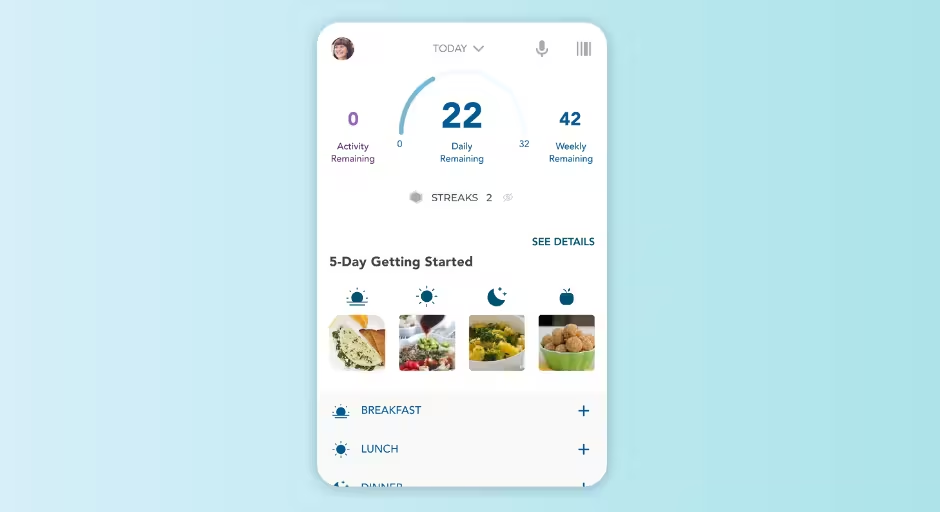
Planning your meals is easier when you can see what you're eating and notice patterns over time. The Healthi app gives you tools for meal tracking, BITE tracking, weight tracking, recipes, and other resources that can help you stay consistent.
For HealthiCare members using GLP-1 medication, Healthi Fresh provides additional meal support with an emphasis on foods that can help meet protein and fiber needs while appetite may be changing.
Instead of trying to remember everything in your head, you can use the app as part of your weekly routine. A few minutes on Sunday can help you start Monday with a clearer idea of what's ahead.
If meal prep has always felt overwhelming, start with 30 minutes. Look at your schedule, choose a few meals, prepare one protein, wash some produce, and make sure you have a couple of easy backup options.
That's enough.
Once that routine feels natural, you can add another step if you need it. Maybe you start making breakfast ahead, portioning snacks, or preparing an extra dinner for leftovers.
Healthy eating becomes much easier when your environment does some of the work for you. You don't need perfect preparation every Sunday, and you certainly don't need to spend your entire day in the kitchen.
You just need to make Monday's decisions a little easier.
August 20, 2026