Have you ever noticed that what you eat can impact your mood? Yep, it’s true! Your food choices have a direct hotline to your mood meter.
Hey there, fellow foodies on the journey to better health. Have you ever noticed that what you eat can impact not just your waistline, but also your mood? It turns out that’s not just in your head. The foods you choose can have a real impact on how you feel throughout the day, both physically and emotionally.
So let’s take a closer look at how what’s on your plate can shape your mood and what kinds of foods can help support a more balanced, steady feeling day to day.
Food isn’t just fuel for your body. It also plays a role in how your brain functions and how you feel mentally. The nutrients you eat are involved in producing important brain chemicals like serotonin and dopamine, which help regulate mood, motivation, and overall sense of well-being.
When your body gets the right mix of nutrients, it’s better able to support stable energy and more balanced moods. On the other hand, highly processed foods that are high in sugar and low in nutrients may lead to short bursts of energy followed by crashes that can affect how you feel both physically and mentally.
This doesn’t mean foods are “good” or “bad.” It simply means that different foods affect your body in different ways, especially over time.
One of the simplest ways to support both your physical health and your mood is by focusing on nutrient-dense foods most of the time.
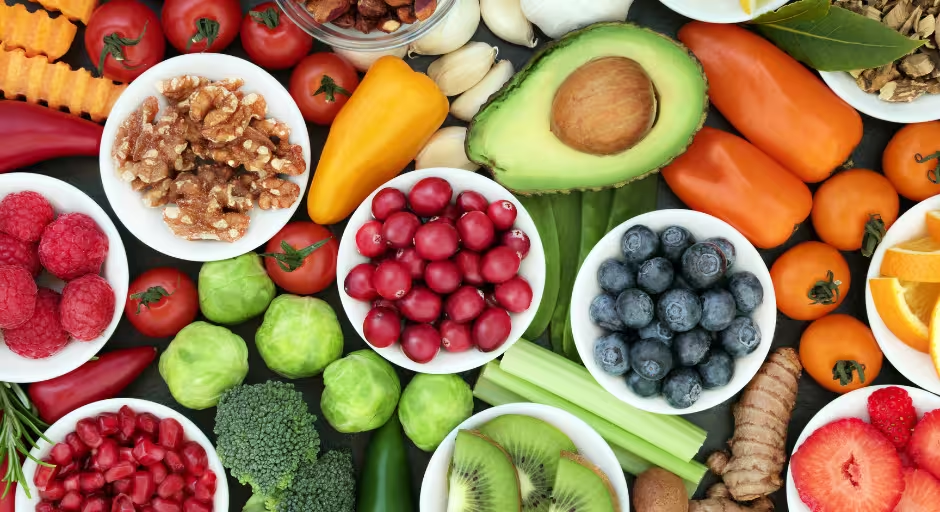
Colorful fruits and vegetables are a great place to start. The natural vitamins, minerals, and antioxidants they contain help support overall health and can contribute to more stable energy levels throughout the day. A helpful approach is aiming to fill about half your plate with a variety of colors whenever possible.
Whole grains are another important piece of the puzzle. Foods like oats, brown rice, and quinoa provide fiber and complex carbohydrates, which help support steady energy instead of quick spikes and crashes.
Protein is also essential. It supports muscle health, but it also plays a role in keeping you feeling satisfied and energized. Lean options like chicken, fish, eggs, tofu, beans, and Greek yogurt can all be helpful additions to meals and snacks throughout the day.
Healthy fats are another important piece that often gets overlooked. Foods like avocados, nuts, seeds, and olive oil help support brain health and can contribute to a more balanced feeling of fullness and satisfaction after meals.
Just as important as what you eat is how you eat. Taking time to slow down, reduce distractions, and actually enjoy your meals can improve your awareness of hunger and fullness while also making food feel more satisfying overall.
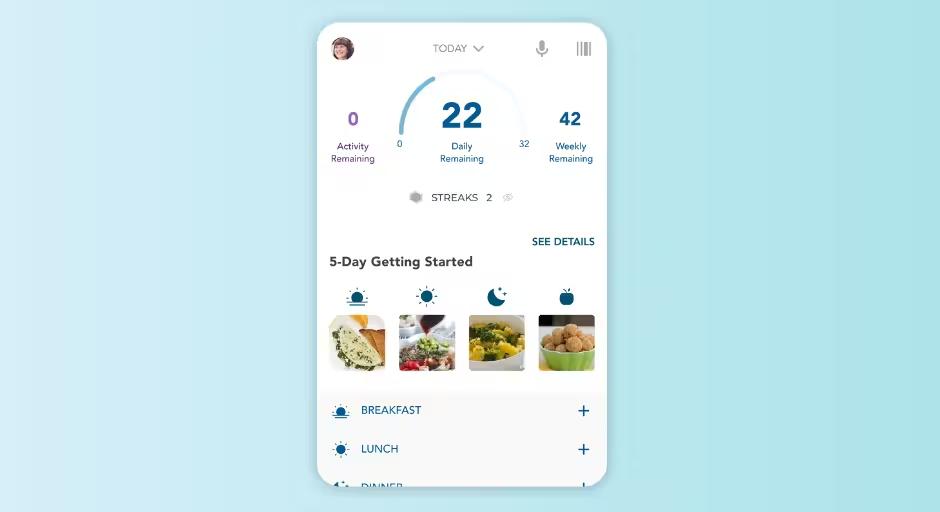
Making balanced choices doesn’t have to feel complicated. Having simple tools that guide your decisions can make a big difference, especially when life gets busy. The Healthi app includes a wide variety of recipes that are assigned BITE values, helping you make more informed choices while still enjoying foods you love in a realistic way.
While most foods can fit into a balanced lifestyle, there are a few things worth paying attention to.
Foods that are high in added sugars can lead to quick energy spikes followed by crashes that may affect your mood and energy levels later in the day. Choosing naturally sweet foods like fruit can often be a more balanced option when you’re looking for something sweet.
It’s also helpful to be mindful of heavily processed packaged snacks. Many of these foods are convenient, but they can be lower in nutrients and higher in additives, which may not keep you feeling satisfied for very long. Checking nutrition labels and focusing on more whole, minimally processed foods most of the time can make a noticeable difference in how you feel.
That said, balance is still key. There is room for treats and comfort foods in a healthy lifestyle. The goal is not perfection, but consistency over time.
The Healthi app can help support that balance by providing structure through the BITE system, along with meal tracking and recipe ideas that make it easier to stay consistent without feeling overly restricted.
At the end of the day, food is about more than just calories or nutrition labels. It’s part of your everyday life, and it plays a role in how you feel both physically and emotionally.
By focusing on balanced meals that include protein, fiber, healthy fats, and a variety of whole foods, you’re not just supporting your weight loss goals. You’re also supporting more stable energy and a more consistent mood throughout the day.
Small choices add up over time. When those choices are realistic, enjoyable, and sustainable, they become easier to maintain long term.
That’s really what healthy eating is about. Not restriction, but consistency, balance, and feeling your best in a way that actually fits your life.
June 19, 2026