Blog Search

Nutrition
Weight Loss Tips
Does Coffee Help You Lose Weight? What the Research Says (and What a Pumpkin Spice Latte Does)
Plain coffee is linked to slightly less weight gain; sugar and seasonal lattes lean the other way. What a large study found, how caffeine timing affects sleep, and a coffee routine that helps.
The first cold morning of fall, you're in line at the coffee shop, and the menu board is doing its best work: pumpkin spice, salted caramel, maple something. You order your usual, then stand there wondering whether the coffee habit is quietly helping your weight loss or quietly wrecking it.
So, does coffee help you lose weight? Plain coffee, a little. In a large study of U.S. adults followed for decades, each extra cup of unsweetened coffee per day was linked to slightly less weight gain over time, while each added teaspoon of sugar was linked to slightly more. The effects were small either way, which is the honest headline: black coffee is a mildly helpful habit, not a fat-burning tool, and what you stir into it (or what the barista pumps into it) matters far more than the coffee itself. If you log in the Healthi app, this is a good month to log the coffee drinks and not just the meals, because a fall latte can quietly be the biggest "snack" of your day.
Let's pour through what the research actually shows.
What the big coffee study found (and didn't)
In 2023, researchers from Harvard and the University of Navarra pooled data from three long-running U.S. cohorts of health professionals, tracking coffee habits and weight in four-year chunks. Published in the American Journal of Clinical Nutrition, the analysis found that increasing unsweetened coffee by one cup a day, caffeinated or decaf, was associated with about 0.12 kg (roughly a quarter pound) less weight gain over four years. Adding one teaspoon of sugar a day was associated with about 0.09 kg more. Cream and non-dairy creamer didn't make a meaningful difference either way. The associations were somewhat stronger in younger people and in people with a higher starting weight.
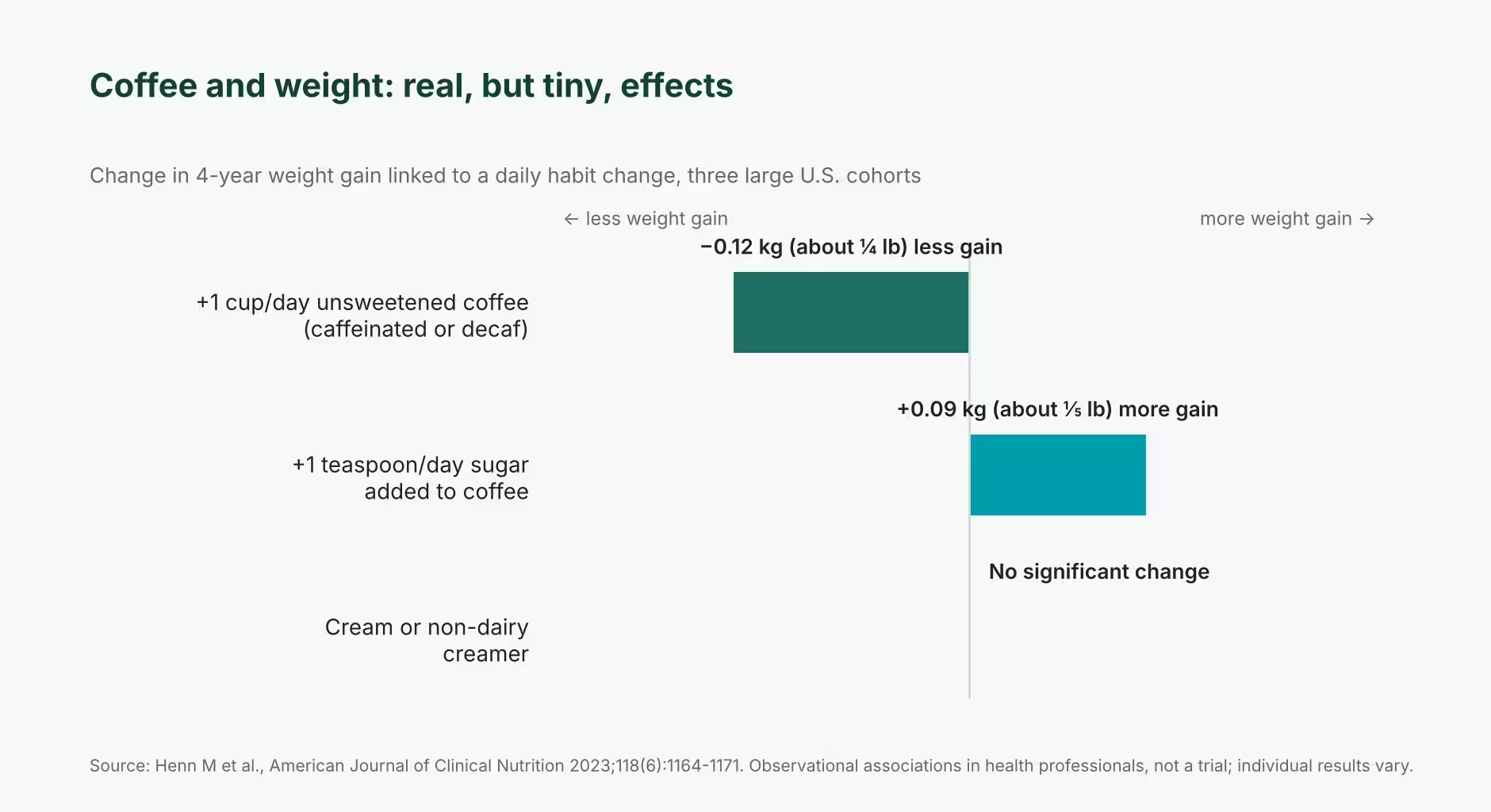
A little context helps put these findings in perspective. The study looked at patterns in people’s reported coffee habits and weight over time, so it can show an association—but it can’t tell us that coffee caused the difference. And the difference was small: about a quarter pound over four years. So there’s no need to start drinking coffee for weight loss, and if coffee isn’t your thing, you’re not missing a secret ingredient. If you enjoy it, unsweetened coffee can fit into your routine; adding sugar may have a small effect over time. Your overall habits matter much more than what’s in your mug.
Why plain coffee can help a little
A few sensible reasons, none of them magic. Black coffee has almost no calories, so it's one of the rare "treats" that doesn't cost anything. Caffeine is a mild stimulant, which is part of why people feel more like moving after a cup. And for many of us, a hot mug is a comforting ritual that satisfies the urge for something without that something being a pastry. That last one may be the most useful: a coffee at 3 p.m. that replaces a vending-machine run is a small win that repeats every weekday.
Decaf counted too in the study, which suggests the benefit isn't all about caffeine. Some of it may simply be what coffee tends to replace.

The pumpkin spice latte problem
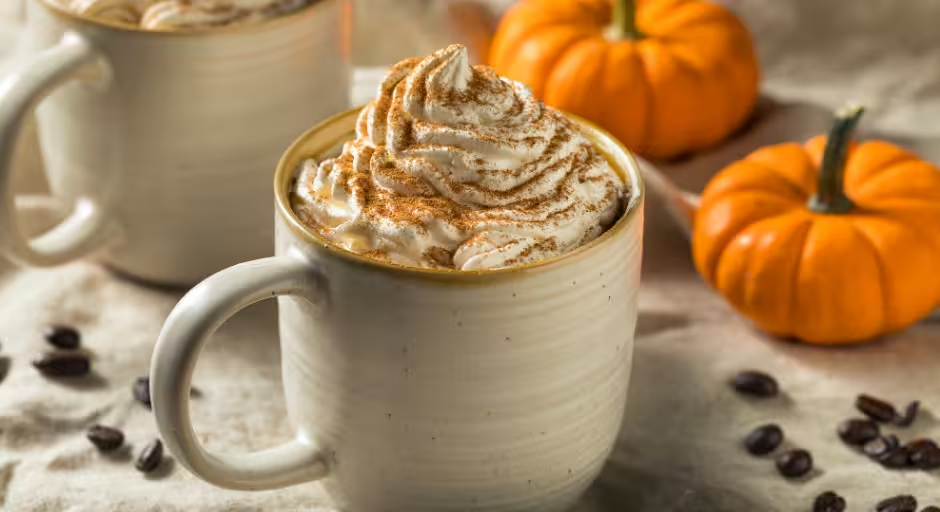
This is where "coffee" stops being coffee. A grande (16-ounce) hot pumpkin spice latte made with 2% milk and whipped cream comes to about 390 calories and 50 grams of sugar, according to the Center for Science in the Public Interest, which breaks it down each fall. Roughly 32 of those sugar grams, about 7½ teaspoons, are added sugar from the pumpkin sauce and the whipped cream. The rest is naturally in the milk.
Put that next to the study above: the research linked a single added teaspoon a day to slightly more weight gain, and a seasonal latte carries more than seven of them. Calorie-wise, 390 is a meal, not a beverage. Have one on a crisp Saturday and enjoy every sip. Have one every weekday morning from September through Thanksgiving and it's roughly 2,000 extra calories a week.
The fix isn't to swear off fall drinks. It's to order them on purpose. A regular latte has no added sugar. Asking for fewer pumps of sauce, skipping the whip, or going with a smaller size each knock a meaningful chunk off. And if you love the flavor, our DIY fall coffee house favorites show how to get there at home with a fraction of the sugar. For more on where sweeteners hide in "healthy-sounding" items, see spotting sneaky sugars.
The afternoon coffee that costs you sleep
Here's a less obvious way coffee can work against weight loss: timing. In a small study published in the Journal of Clinical Sleep Medicine, described by the American Academy of Sleep Medicine, healthy sleepers who took 400 mg of caffeine six hours before bedtime lost more than an hour of measured sleep, and they mostly didn't notice. Their sleep diaries said they slept fine; the monitors said otherwise.
Why that matters for your goals: short sleep tends to show up the next day as more hunger, more cravings, and less interest in the walk you were going to take. If the scale's been stubborn and you're having a big coffee at 4 p.m., that's a cheap experiment to run. Try moving your last caffeine to early afternoon for two weeks and notice what changes. (Our post on how quality rest supports your goals goes deeper on the sleep-and-appetite connection.)
How much is too much?
For healthy adults, the FDA cites about 400 milligrams of caffeine a day as an amount not generally associated with negative effects, roughly four or five cups of regular coffee depending on the brew. By its figures, a 12-ounce cup of brewed coffee runs anywhere from 113 to 247 mg, which is a wide range; a large specialty drink can carry well over 300 mg on its own. Some people feel jittery, anxious, or get an upset stomach well under 400 mg, and pregnancy, certain medications, and some health conditions call for less. If a coffee habit is leaving you wired, shaky, or awake at 2 a.m., that's your body's number, whatever the chart says.

A coffee routine that helps instead of hurts
Pulling it together, here's what a weight-friendly coffee habit tends to look like. Not rules, just the version of the habit that lines up with the evidence:
- Make plain the default. Black, or with a splash of milk or creamer, which the research found didn't move the needle. Save the sweet drinks for occasions.
- Treat specialty drinks as dessert. If it has sauce, syrup, or whipped cream, log it the way you'd log a slice of cake, because nutritionally it's closer to one.
- Front-load your caffeine. Morning and early afternoon. Let the last six hours before bed be caffeine-free.
- Don't let coffee replace breakfast. Coffee can blunt appetite for an hour, then the hunger lands at 10:30 with no plan. A protein-forward breakfast keeps the morning steady; these easy high-protein breakfasts are built for busy mornings.
- Notice what the coffee is replacing. If it's a sugary snack, the coffee's doing you a favor. If it's water or lunch, it isn't.
If you're on a GLP-1 medication and your stomach has become pickier about coffee, our sister blog's guide to what to drink on GLP-1 besides water has some gentler options.
Keep the coffee, rethink the cup
Your morning coffee is not the reason the scale is stuck, and it's not going to be the reason it moves. What's in the cup, when you drink it, and what it replaces are the parts worth paying attention to. Keep the ritual. Just make the sweet, whipped, seasonal version a choice you make a few times a season rather than a default you make every day.
Want to see what your coffee drinks really add up to over a week? Logging them in the Healthi app for seven days is an eye-opener for a lot of people, and our coaches are happy to help you find a fall drink order you'll enjoy without the sugar hangover.
This article is for general information and isn't a substitute for medical advice. If you're pregnant, sensitive to caffeine, or have a heart, sleep, or anxiety condition, talk with your provider about how much caffeine is right for you.
Lifestyle
How to Enjoy Fall Foods Without Derailing Your Progress
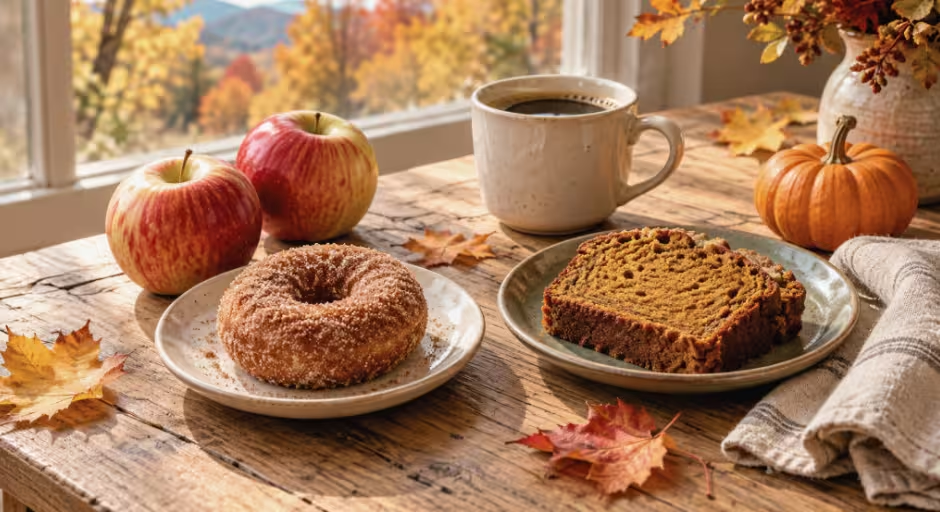
Pumpkin bread, cozy casseroles, and apple cider donuts can have a place in your routine. Learn how to enjoy fall foods while staying connected to your weight loss goals with plenty of room for your seasonal favorites.
Enjoying fall foods while working toward your weight loss goals can be part of a balanced, sustainable routine. From pumpkin bread and apple cider donuts to cozy casseroles, seasonal favorites can fit alongside the habits you’re building. A little planning, satisfying meals, and a flexible mindset can help you enjoy fall foods without derailing your progress—or spending the entire season negotiating with a muffin.
Fall Comes With a Lot of Delicious Invitations
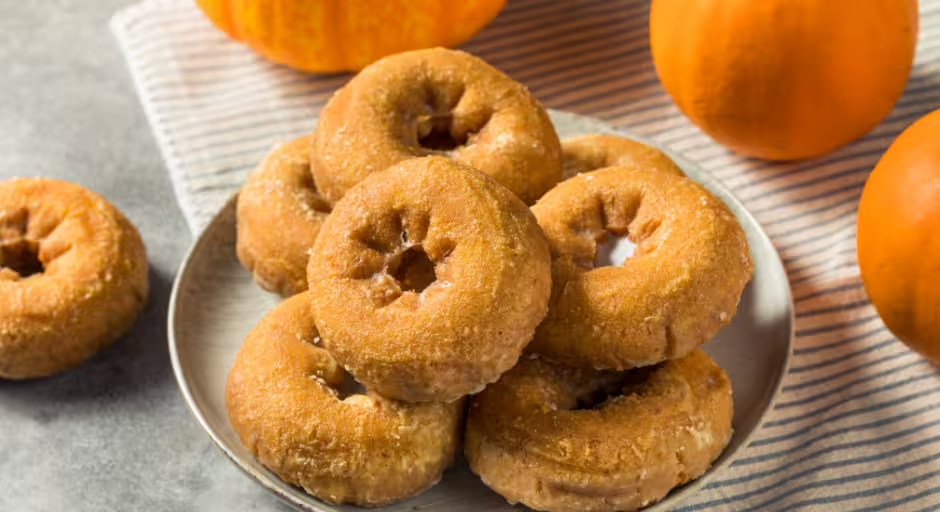
One minute you’re buying apples. The next, you’re standing in a farm market holding a warm donut, a gallon of cider, and a loaf of bread you had absolutely no intention of meeting.
Fall has a way of doing that.
Food is part of the fun this time of year. There are family recipes, football gatherings, weekend baking projects, and coffee orders that sound like dessert menus. You can enjoy those moments while continuing to take care of yourself.
Start by giving yourself permission to make thoughtful choices. You don’t have to say yes to everything, but you don’t have to spend October saying no, either.
Choose the Favorites You Actually Look Forward To
When seasonal foods are everywhere, it’s easy to eat something simply because it’s available—or because the packaging has a leaf on it.
Before reaching for a treat, pause and ask: “Do I actually want this?”
Maybe your favorite part of fall is your mom’s apple crisp. Maybe it’s a pumpkin latte on a Saturday morning. Maybe pumpkin spice does nothing for you, and you’re just here for the mashed potatoes.
Knowing your favorites can help you make room for the foods you truly enjoy. You might pass on an ordinary office cookie because you’re looking forward to homemade pie later. Or you might decide the cookie sounds wonderful today.
Either way, it’s a choice you get to make. Seasonal availability does not require seasonal attendance.
Keep Your Regular Meals in the Picture
If you’re heading to a fall festival or dinner with friends, it can be tempting to skip meals beforehand to “save up.”
But arriving overly hungry can make it harder to eat at a comfortable pace and notice when you’ve had enough. You may end up eating more than you intended as you try to satisfy that built-up hunger. That’s an understandable response to going without food—not a lack of willpower.
Instead, keep a familiar eating routine so you arrive ready to enjoy yourself rather than ready to eat the decorative centerpiece.
Have breakfast. Make time for lunch. Choose meals that feel satisfying, with foods such as eggs, yogurt, chicken, tofu, beans, vegetables, fruit, and grains in combinations you enjoy. Giving yourself enough to eat throughout the day can make it easier to choose what actually sounds good when you get there, instead of reaching for whatever is closest.
For example, if you’re planning an afternoon at the apple orchard, lunch could be a sandwich and fruit before you leave. You can still enjoy a donut when you get there—and give yourself a chance to savor it without asking it to do lunch’s job, too.
A seasonal treat can be part of your day without requiring the rest of your meals to disappear.
Let Portions Help You Enjoy What You Want
Sometimes a smaller serving gives you the taste and experience you’re looking for. Other times, you want the whole thing. Paying attention can help you decide.
Try putting your food on a plate, sitting down when possible, and giving yourself a chance to enjoy it. Notice the flavor, texture, and how satisfied you feel.
You can also:
- Order a smaller seasonal drink if that suits you.
- Share a dessert when you’d enjoy splitting it.
- Take part of a restaurant meal home.
- Freeze individual portions of homemade baked goods.
- Serve a comfortable portion first, knowing you can have more.
These are options to make eating feel more intentional. You don’t need to turn a slice of pumpkin bread into a fractions exam.
Bring Some Balance to Your Cozy Meals
Fall meals offer plenty of opportunities to combine comfort and variety.
Serve your favorite chili with toppings you enjoy. Add chicken or white beans to vegetable soup. Pair a creamy pasta dish with roasted vegetables. Build a baked potato around broccoli, beans, cheese, or another combination that sounds good.
You can also make small recipe changes when they work for you. Perhaps you prefer a little less topping on your apple crisp, or you enjoy extra vegetables in a casserole.
Keep the parts that make the dish satisfying. If every ingredient has been replaced and you’re still thinking about the original, the experiment may have gone a little too far.
Your family recipe can have a place in your routine, too.
Plan for the Busy Days Between the Fun Ones
Fall eating isn’t only about parties and pumpkin patches. It’s also about the Wednesday when everyone needs to be somewhere and dinner is somehow your responsibility again.
Having a few easy options available can make those evenings smoother. Think frozen soup, eggs and toast, a rotisserie chicken, canned beans, or a simple pasta dish.
The Healthi app can help you log meals and keep your favorite fall foods in view as part of your chosen plan. If you know what you’d like to enjoy later, logging ahead can help you think through the day. Adjust as needed, because plans are allowed to change.
Use tracking to learn what works for you and make decisions with more confidence. You’re gathering information, not grading your character.
Don’t Give One Meal the Rest of Your Weekend
Maybe you ate more than you intended. Maybe the dinner was richer than expected. Maybe the apple crisp was excellent and you went back for more.
You can acknowledge that without declaring the week a lost cause.
At your next meal, return to your usual routine. There’s no need to skip food, punish yourself with exercise, or wait for Monday to make another supportive choice.
If something felt uncomfortable, get curious. Were you especially hungry when you arrived? Eating while distracted? Feeling pressure to try everything?
That information can help next time. A little reflection is useful. A courtroom hearing about the cornbread is unnecessary.
Make Room for a Season You Enjoy
Your progress is built through the choices you repeat over time. There’s room in that pattern for everyday meals, seasonal favorites, and occasions that matter to you.
Keep the habits that help you feel supported. Enjoy the foods you look forward to. Give yourself flexibility when plans change.
Fall is short. You deserve to enjoy the warm meals, familiar traditions, and yes, the occasional excellent donut, while continuing to care for yourself.

Lifestyle
Breaking Old Patterns for Long-Term Weight Loss Success
Ready for a fresh start, but tired of ending up back in the same cycle? Coach Jeri takes a closer look at the old habits, restrictive thinking, and quick fixes that can make long-term weight loss so difficult.
Hi, Coach Jeri here!
As a new season begins, we start to think about new beginnings—the direction we want to go and the changes we would like to make.
Many of us have tried to lose weight in the past, and many of us have had success at one time or another. The problem is that long-term success often seems to escape us. After a while, we find ourselves right back where we started. Complacency, exhaustion, and restriction tend to get the better of us.
Anyone who has tried to lose weight knows just how confusing it can get. Weight loss information is constantly changing, with new fads, long-held misunderstandings, and plenty of contradictions. We would all love to lose weight quickly, but do these fad diets tell us what comes next?
I recently had a member who went on a three-day diet plan. She lost a good amount of weight quickly, but what happens on day four? Day five? Day six? Within a week, the weight came back.
It’s time to break those old patterns and prepare yourself for long-term success.
Patterns That Can Hold You Back
Before you can build something new, it helps to recognize the habits and thought patterns that may have pulled you off track in the past.
1. Stop the negative self-talk.
No one is perfect. Having a small indulgence from time to time is not a “cheat.” You are not bad, and wasting time feeling guilty does not help you move forward.
2. Focus on adding, not subtracting.
I always tell my members to think about all the foods they can have. Many of us become so focused on “I can’t have this” or “I can’t eat that” that we forget about all the wonderful, healthy choices available to us. The Healthi Community and member meetings are filled with recipes and food finds that can help you enjoy what you’re eating instead of constantly focusing on what you’re not eating.
3. Clear out temptation in the beginning.
Get rid of foods that increase the food noise in your head. There may come a time when those foods no longer bother you, but in the beginning, it can be helpful to create an environment with fewer temptations while you establish new habits.
4. Ditch the diet mentality.
Even the word “diet” can sound restrictive, lonely, and demotivating. Diets are often associated with quick fixes, which can set us up for the same cycle of losing weight, regaining it, and starting all over again.
5. Remember that restriction doesn’t work long term.
Even if a restrictive plan helps you lose weight or reach your goal, what happens afterward? Returning to your previous eating habits will likely bring you right back to where you started. The way you lose the weight needs to be something you can realistically continue.
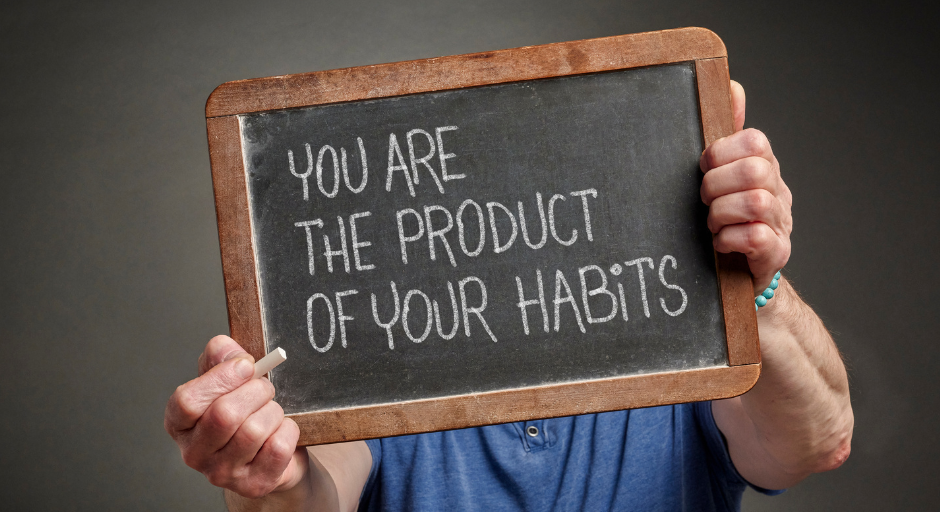
Building Habits for Long-Term Success
Once you recognize the patterns that haven't served you well, you can start replacing them with habits that support the lifestyle you actually want.
1. Set specific goals that aren't only about the scale.
Choose clear, measurable, small goals that you can easily put into action. Walk for 15 minutes a day. Pack your lunch for work. Drink an extra glass of water. Meal prep for the week. Most importantly, make sure your goals are realistic and obtainable.
2. Don’t wait for motivation.
You don’t need a wedding, reunion, vacation, or special event to start taking care of your health. Motivation will come and go. Every day is an opportunity to do the best you can for your health, even when you don't feel especially motivated.
3. Write down your “why.”
Make a note of the specific changes you want to achieve. Maybe you want more energy, less knee pain, or better sleep. I always say your biggest “why” is your health. Nothing else matters if you don't have your health.
4. Identify your biggest challenge.
Knowledge is power. Is snacking your biggest struggle? Eating at night? Going to restaurants? Weekends? Stress eating? If you can pinpoint where you tend to struggle, you can begin developing a plan to handle those situations differently.
5. Think lifestyle, not diet.
Once you accept the need to improve your overall well-being and begin thinking about your choices as part of a lifestyle rather than a temporary diet, you can start developing a healthier relationship with food.
Change the Way You Think About Food
Highly restrictive dieting can be difficult to maintain and may contribute to cycles of losing and regaining weight. A more positive outlook can help reduce the guilt and shame that often surround food.
Allowing yourself an occasional indulgence without labeling it as “cheating,” eating “bad food,” or “falling off the wagon” can help prevent one choice from turning into a cycle of emotional eating and negative self-talk.
When we tie our self-worth to our food choices, especially while following a restrictive plan, we make the journey much harder than it needs to be.
Instead, ask yourself: What positive changes am I willing to make?
Small Changes Add Up
Small, realistic changes that you can maintain long term are what lead to lasting progress. You don't need to change everything overnight.
The more you focus on creating healthy behaviors around food, movement, and your overall lifestyle, the stronger those behaviors become. Eventually, they stop feeling like something you're forcing yourself to do and simply become part of the way you live.
A new season can be the perfect reminder that you don't have to repeat the patterns of the past. Take what you've learned, make changes you can actually live with, and keep moving toward better health—one small choice at a time.
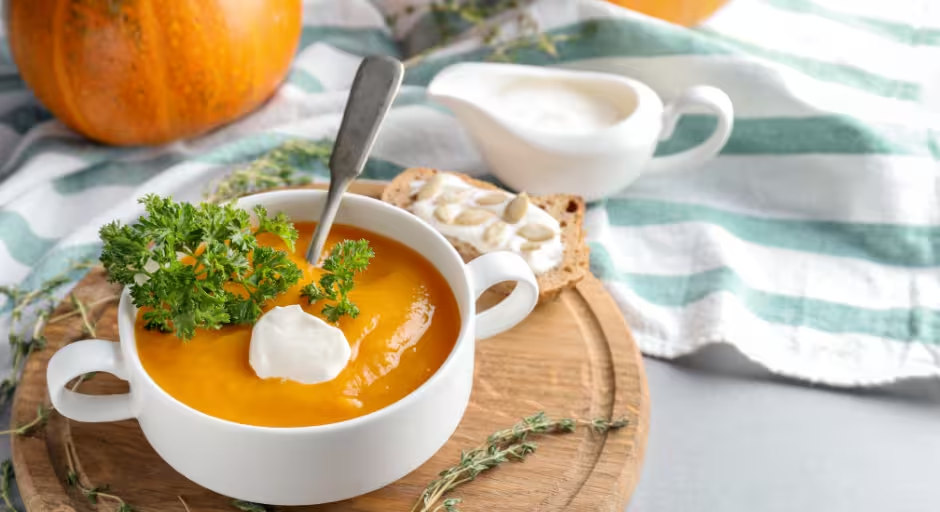
Nutrition
Healthy Comfort Foods That Still Fit Your Weight Loss Goals
Craving creamy soups, cheesy pasta, and all things cozy? Discover how to make healthy comfort foods that fit your weight loss goals—with practical meal ideas and plenty of the flavors you love.
Healthy comfort foods can fit into your weight loss goals without losing the flavors you love. From creamy soups to hearty pasta dishes, a few practical changes can help you create satisfying meals that work with your routine. Here’s how to enjoy your favorite fall comfort foods while keeping balance, portions, and real-life convenience in mind.
Your Favorite Foods Can Stay on the Menu
The temperature drops five degrees, and suddenly a cold salad feels like a personal insult. You want soup. You want potatoes. You want something that comes out of the oven bubbling around the edges.
Understandable.
Comfort foods bring more than flavor to the table. They’re familiar, cozy, and often connected to people or traditions we love. Making room for them can help your eating routine feel like something you actually want to keep doing.
The trick is figuring out what makes a meal satisfying to you, then finding small adjustments that support your goals. No need to give your grandmother’s casserole an entirely new personality.
Build Around What You Love
Before changing a favorite dish, ask yourself what you enjoy most about it.
Is it the melted cheese? The creamy texture? The crispy topping? Keep that part, and look for flexibility elsewhere.
For example:
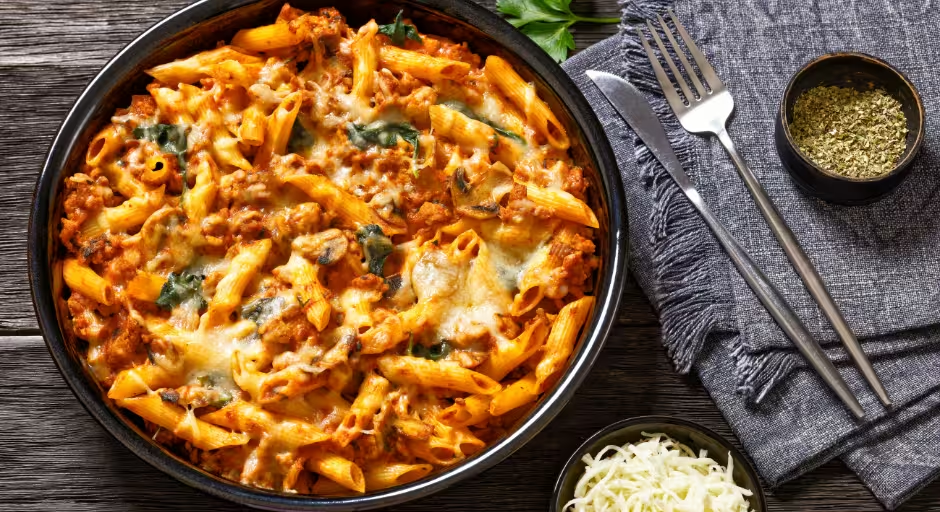
- Love a cheesy baked pasta? Keep the cheese and add spinach, mushrooms, or zucchini.
- Craving a loaded baked potato? Try chicken or beans, broccoli, and your favorite toppings.
- Making chili? Include beans, tomatoes, peppers, and whichever protein you enjoy.
- Want a creamy soup? Blend some of the cooked vegetables or beans into the broth for added texture.
These changes can add variety and substance, but they don’t automatically make a dish lower in calories. The ingredients, amounts, and portion you serve still matter.
Think of additions and swaps as options, not requirements. You’re allowed to enjoy the original recipe, too.
Give Your Comfort Meal Some Staying Power
A bowl of pasta can absolutely be dinner. You might also find it more satisfying with chicken, lentils, tofu, or another protein you enjoy, plus a vegetable on the side.
The same idea works across plenty of fall favorites. Pair tomato soup with a grilled cheese sandwich. Add beans to a vegetable stew. Serve roasted vegetables alongside meatloaf and mashed potatoes.
There’s no need to turn every meal into a nutrition puzzle. Start with something you love, then ask: “What could I add to make this feel like a complete meal?”
And remember that eating as little as possible is not the goal. A dinner that leaves you searching the pantry an hour later may need a little more substance.
Try These Cozy Dinner Ideas
You don’t need a whole new cookbook to bring a little balance to comfort-food season. Start with one of these easy combinations.
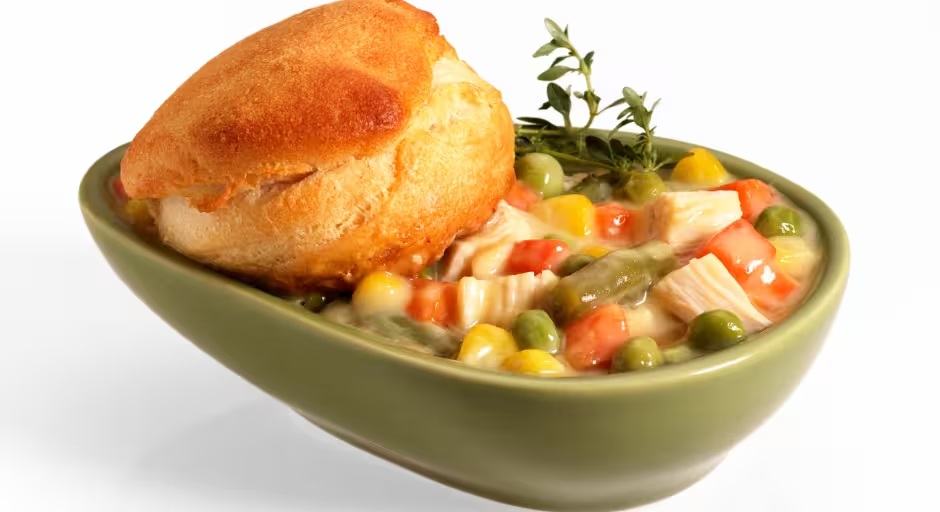
Chicken and vegetable pot pie bowls: Spoon a thick chicken-and-vegetable filling into a bowl and serve with a biscuit. You still get the cozy combination of creamy filling and buttery bread, with an easy way to portion each part.
Loaded baked potatoes: Top a baked potato with black beans or shredded chicken, broccoli, a little cheese, and plain Greek yogurt or sour cream. Use the toppings you actually like—this is dinner, not a character test.
Weeknight turkey and bean chili: Combine ground turkey, beans, canned tomatoes, onions, and chili seasoning. Serve with your preferred toppings and save extra portions for another busy evening.
Creamy butternut squash soup: Blend cooked squash with broth and white beans, then season to taste. Pair it with toast or a sandwich to round out the meal.
Baked pasta with vegetables: Add roasted vegetables and your preferred protein to your usual pasta bake. Keep the sauce and cheese you enjoy, and portion leftovers for lunch.
These are flexible meal ideas rather than calculated recipes, so adjust ingredients and servings to your needs.
Make Portions a Little More Intentional
Comfort food often arrives in a giant pot or casserole dish, which can make serving sizes harder to judge. Especially when the serving spoon has apparently been designed for road construction.
Try serving your meal onto a plate or into a bowl, sitting down, and giving yourself time to enjoy it. Check in with how satisfied you feel before deciding whether you want more.
If you track your food, the Healthi app can help you account for favorite meals within your chosen plan. When logging homemade dishes, include ingredients such as cooking oil, cheese, sauces, and toppings so your entry better reflects what you’re eating.
Use that information to make choices that work for you. There’s no prize for creating the saddest possible version of mac and cheese.
Let Convenience Be Part of the Plan
Some nights, you’ll roast vegetables and simmer a homemade soup. Other nights, opening a carton of soup is the extent of your culinary availability.
Both deserve a place in your routine.
Frozen vegetables, canned beans, microwaveable grains, and prepared proteins can make a comforting meal easier to pull together. You can also freeze extra portions of chili or soup for evenings when your motivation clocks out before dinner.
Choose one or two meals you enjoy and keep the ingredients available. A familiar dinner you can actually make is useful progress.
There’s Room for Cozy and Consistent
You can work toward weight loss goals and still look forward to dinner.
Keep the flavors you love. Experiment with additions that make meals more satisfying. Pay attention to portions, and give yourself flexibility when life gets busy.
Your fall menu can include warm bread, bubbling casseroles, and a favorite family recipe. Build a routine with room for the food—and the life—you enjoy.

Weight Loss Tips
How to Stop Letting the Scale Decide How You’re Doing
The scale may be one tool in your wellness journey, but it doesn’t get to decide how you’re doing. Learn how to focus on the progress that truly matters—and why daily fluctuations are more normal than you think.
If you’ve ever let the number on the scale decide whether you’re having a good day, you’re not alone. Learning how to stop letting the scale control your mood is an important part of building a healthier, more sustainable weight-loss mindset. Your weight can fluctuate for plenty of normal reasons, but your progress is about so much more than a single number.
When the Scale Starts Calling the Shots
There’s nothing quite like stepping on the scale in the morning, holding your breath for no logical reason, and letting one tiny screen decide whether you’re having a “good” day or a “why do I even try?” day.
We’ve all been there.
The number goes down and suddenly you’re a wellness icon. It goes up a pound, and you’re convinced your entire routine has failed—even though you drank water, moved your body, made nourishing choices, and slept like a person who has emails.
Here’s the truth: the scale can be useful information. But it is not a report card on your health, your effort, or your worth.
Why the scale can be so misleading
Your body weight naturally shifts from day to day. Hydration, sodium, hormones, digestion, sleep, stress, muscle soreness, and whether or not you’ve gone to the bathroom can all affect that number.
That means a higher number does not automatically mean fat gain. Sometimes it means you had sushi last night. Sometimes it means your cycle is doing its thing. Sometimes it means your body is being a body—rude, but normal.
When we treat every fluctuation as a verdict, it can make healthy habits feel pointless. But progress is rarely a straight line. It’s more like a toddler with a crayon: messy, unpredictable, and still somehow going somewhere.
Look for the wins the scale can’t measure
If the scale is your only way of tracking progress, you’re missing a lot of meaningful changes. Consider asking yourself:
- Do I have more energy than I did a few weeks ago?
- Am I stronger, walking farther, or recovering more easily?
- Have I found meals that keep me full and satisfied?
- Am I drinking more water or getting better sleep?
- Do I feel more confident making choices that support me?
- Are my clothes fitting differently?
- Am I building habits I can actually live with?
Those wins count. In many cases, they’re the foundation for lasting change.
A number can change overnight. The ability to trust yourself around food, move your body because it feels good, or bounce back after an off-plan meal? That’s the kind of progress that sticks.
If you weigh yourself, give the number less power
You don’t necessarily have to break up with the scale forever. But you may need to redefine the relationship.
Try these approaches:
Use it as data, not drama. If you choose to weigh in, notice the number without attaching a story to it. One weigh-in is a snapshot, not the full movie.
Watch trends instead of single days. Daily ups and downs are normal. Looking at patterns over several weeks can give you a clearer picture.
Set boundaries. If weighing yourself sends you into a spiral, it’s okay to weigh less often—or not at all. Your well-being matters more than having one more data point.
Pair it with other measures. Track how you feel, how you’re sleeping, your energy, strength, measurements, or habit consistency.
The Healthi app can be a helpful place to focus on those everyday choices—like planning satisfying meals, keeping an eye on your goals, and building consistency—without making the scale the main character.

Give yourself credit for showing up
Health is not earned by hitting a certain number. And it is not erased by pizza night, vacation, a stressful week, or a random Tuesday when your pants feel tighter.
Real progress is often quieter than we expect. It looks like choosing a balanced breakfast. Taking a walk when you’d rather scroll. Trying again after a tough day. Learning what helps you feel your best.
If you’re looking for more support along the way, Healthicare makes it easier to connect with care that fits into real life—and it’s now available at our lowest price ever. Because getting support for your health should feel doable, not like another obstacle standing between you and your goals.
The scale is allowed to be one tool in your toolbox. It just doesn’t get to be the boss.
You are doing more than a number can measure.

Lifestyle
What Consistency Really Looks Like During Weight Loss
Consistency during weight loss isn't about perfect meals, daily workouts, or never getting off track. It's about building realistic habits, recovering from setbacks, and continuing to make choices that support progress over time.
Consistency gets talked about constantly in weight loss, but it’s often misunderstood. It can sound like eating perfectly every day, never missing a workout, tracking every bite, and somehow staying motivated no matter what life throws at you. That version of consistency sounds impressive, but it isn’t very realistic.
Real consistency looks much more ordinary. It’s making a healthy choice most of the time, adjusting when plans change, getting back to your routine after a harder day, and continuing to take care of yourself even when progress feels slow. Weight loss doesn’t require perfection. It requires enough repeated actions over time to create a meaningful difference.
That distinction matters, especially when a single off-plan meal or missed workout can make someone feel like they’ve failed. One day doesn’t determine the outcome of a weight-loss journey. What happens across weeks and months matters much more.
Consistency Doesn't Mean Doing the Same Thing Every Day
Life isn’t predictable enough for every day to look the same. Some mornings start smoothly, while others involve rushing out the door with barely enough time for coffee. There are quiet evenings at home, busy weekends, holidays, vacations, stressful workdays, and plenty of situations that can throw a carefully planned routine off course.
A consistent person isn’t necessarily doing the exact same things every day. They’re learning how to make healthy choices in different circumstances.
That might mean cooking a balanced dinner on a normal Tuesday, choosing a reasonable option at a restaurant on Friday, or keeping breakfast simple on a hectic morning. The choices may look completely different, but they can still support the same overall direction.
This is one reason rigid plans can become difficult to maintain. If the plan only works when everything goes according to schedule, it isn’t really preparing someone for real life. A sustainable approach has enough flexibility to survive a busy week and unexpected events.
Some Days Will Be Better Than Others
There will be days when nutrition feels easy and movement feels enjoyable. There will also be days when the only realistic win is making one decent choice instead of giving up completely.
That doesn't mean both days are equally productive. It means both can still belong to the same journey.
Weight loss isn't a straight line, and neither is consistency. A person can have a weekend with more restaurant meals than usual and still be consistent overall. They can miss a workout because they’re exhausted or have an unusually busy day and still be consistent. They can eat something simply because they wanted it and then return to their normal routine at the next meal.
The ability to keep going matters more than whether every individual day looks impressive.
Getting Back on Track Is Part of Consistency
One of the biggest misconceptions about consistency is that getting off track means consistency has been broken. In reality, getting back to the routine is part of the skill.
Maybe dinner didn’t go as planned. Maybe tracking was forgotten for a few days. Maybe a weekend turned into several restaurant meals and far less movement than expected. The next step doesn’t have to involve restriction, punishment, or waiting for Monday.
The next meal can simply be just that– the next meal.
That might mean having a protein-rich breakfast, drinking more water, getting back to regular meals, taking a walk, or opening the Healthi app and starting to track again. Small actions can restore a routine much faster than spending another several days feeling guilty about what already happened.
Consistency isn't measured by never needing a reset. It’s measured by how often someone chooses to return.
Don't Turn One Choice Into a Whole Day
There’s a big difference between having an indulgent meal and deciding the entire day is ruined.
That all-or-nothing thinking can turn one choice into several more. Someone eats more than planned at lunch, decides they’ve already messed up, skips tracking, snacks throughout the afternoon, and promises to “start over” tomorrow. The original decision might have lasted 30 minutes. The reaction can last the rest of the day.
A more consistent approach leaves room for the next decision to be different.
Food doesn't have to be labeled as good or bad, and one meal doesn't need to determine what happens next. Being able to move forward without turning a small detour into a full derailment is an important part of sustainable weight loss.
Consistency Includes the Things That Don't Show Up on the Scale
It’s easy to measure consistency by looking at weight alone, but plenty of valuable behaviors won't immediately show up there.
Drinking more water matters. Eating enough protein matters. Getting enough sleep matters. Strength training matters. Taking medication as prescribed matters. Tracking food can matter. Paying attention to hunger and fullness matters. Making meals at home more often matters.
None of those things guarantees a lower number on the scale tomorrow.
They can still be meaningful signs that someone is taking care of their health and building habits that support long-term progress. The scale is one measurement, not a daily report card on whether someone was consistent.

Consistency Can Look Different on GLP-1
For people taking GLP-1 medication, consistency may require even more flexibility. Appetite can change, meal sizes may become smaller, and foods that once sounded appealing may not always feel right. Some days may naturally involve smaller meals or simpler foods.
That makes the quality and nutritional value of the foods being chosen especially important. Protein, fiber, fluids, fruits, vegetables, and other nutrient-dense foods can help support nutritional needs when appetite is reduced.
Consistency on a GLP-1 doesn't mean forcing large meals or following a rigid menu. It means continuing to pay attention to nutrition, hydration, movement, and the habits that support health while treatment changes appetite.
The Healthi app can also make that process easier by providing a place to track food, monitor progress, and stay connected to the habits being built. For someone using GLP-1 medication, that kind of tracking can help keep the focus on the bigger picture rather than relying solely on appetite or the number on the scale.
Build a Routine You Can Repeat
The most useful question isn't whether a routine looks impressive. It's whether it can actually be repeated.
A plan that requires cooking elaborate meals every night might work for one week and become exhausting after that. A workout schedule that requires six days at the gym may not survive a busy season of life. A nutrition plan that eliminates every favorite food may be difficult to maintain long term.
Simple tends to have more staying power.
A few reliable breakfasts. Easy protein sources in the refrigerator. Meals that can be prepared without much effort. A realistic movement routine. Regular tracking. Enough flexibility for birthdays, vacations, restaurants, and busy days.
Those choices may not feel dramatic, but they create something much more valuable: a routine that can keep going.
Consistency Is About the Bigger Picture
Weight loss is made up of hundreds of ordinary decisions. Some will be great. Some will be average. A few will probably be decisions someone wouldn't make again.
That’s normal.
What matters is the pattern those choices create over time. If most choices are moving someone in the direction they want to go, an occasional indulgent meal or missed workout doesn't erase the work that came before it.
Consistency isn't perfection. It's repetition, flexibility, and the willingness to keep participating in the process.
And sometimes, the most consistent thing someone can do is simply wake up the next day and keep going.
Let Healthi Support the Process
Consistency becomes easier when healthy habits have some structure behind them. The Healthi app can help by bringing food tracking, goals, progress, and health-focused tools into one place, making it easier to see patterns instead of judging a single day in isolation.
For those using GLP-1 medication, HealthiCare can add another layer of support through clinician-guided treatment, coaching, and the Healthi tools that help connect medication with everyday habits. The medication can be part of the plan, but nutrition, movement, tracking, and sustainable routines still matter throughout the journey.
The most sustainable weight loss routine isn't the one that produces perfect days. It's the one that gives someone a realistic way to keep showing up when life isn't perfect.

Lifestyle
Stop Waiting for Monday to Get Back on Track
Falling off track doesn’t mean you need to wait until Monday to start again. One indulgent meal, missed workout, or hectic weekend doesn’t erase your progress. Getting back on track with weight loss can start with the very next choice, without restriction, guilt, or an all-or-nothing reset.
You had a rough day. Then another one. Maybe the weekend got away from you, you ordered takeout, skipped your workout, or ate more than you planned. Now you're telling yourself you'll get back on track Monday. But you don't need to wait for a new week to start making better choices. Getting back on track with weight loss can happen at your next meal, your next glass of water, or your next opportunity to move.
This is one of the biggest reasons progress can feel harder than it needs to be. A single choice turns into a full day, the full day turns into a weekend, and suddenly you're waiting for a specific date to start over. Breaking that cycle doesn't require a perfect plan. It starts with realizing that your next choice still counts.
One Off-Track Choice Doesn't Undo Your Progress
Healthy habits aren't erased by one restaurant meal, a dessert, or a day spent on the couch. Your body doesn't suddenly forget weeks or months of consistent choices because you had a less-than-perfect day.
Weight loss is built through patterns over time. Some meals will be more nutritious than others, activity levels will change, and there will be days when life simply doesn't go according to plan. What matters most is what you do next.
Instead of thinking, "I'll start over Monday," try asking, "What's one thing I can do right now?" That simple shift can keep a small detour from becoming a much longer break from your routine.
.avif)
Your Next Meal Is a Fresh Opportunity
You don't need to wait until tomorrow morning to eat differently. If lunch didn't go as planned, dinner can still be balanced. If breakfast was heavier than you wanted, there's no reason to skip lunch to compensate.
Build your next meal around foods that help you feel satisfied. Include a source of protein, add fruits or vegetables when possible, choose a carbohydrate that provides energy and fiber, and drink some water. There's no need for an extreme reset or a day of restriction.
The same idea applies when you're using GLP-1 medication. Reduced appetite can make it easier to eat inconsistently, especially when your routine gets disrupted. Having a few simple, nutritious meals you can turn to can help you stay nourished without making food feel like another complicated task.
Stop Treating Monday Like a Deadline
There's something appealing about Monday. It feels like a clean slate, which can make it tempting to put off healthy choices until the calendar gives you permission to begin again.
The problem with that approach is that it creates unnecessary all-or-nothing thinking. If you overeat on Tuesday, you may decide the week is already ruined and wait until the following Monday. That can turn one imperfect meal into several days of choices that don't support your goals.
A healthier mindset gives you permission to course-correct immediately. Wednesday isn't too late. Saturday afternoon isn't too late. Even five minutes after making a choice you wish you could change, you can make a different choice next.
Make Getting Back on Track Simple
When you've gotten away from your routine, trying to fix everything at once can make the process feel overwhelming. You don't need to completely overhaul your meals, exercise schedule, sleep routine, and grocery list in a single day.
Start with the basics that make the biggest difference for you. Drink some water, plan your next meal, get a little movement, and make a reasonable bedtime a priority. Once those pieces are back in place, the rest of your routine often becomes easier to rebuild.
It can also help to keep a few reliable options available for busy days. A high-protein breakfast, an easy lunch, or a simple dinner can give you something dependable when motivation isn't particularly high.
Don't Try to "Make Up" for a Bad Day
One of the easiest traps to fall into after overeating is trying to compensate by eating as little as possible the next day. That might feel like you're correcting the situation, but extreme restriction can leave you overly hungry, tired, and more likely to repeat the same cycle.
Instead, return to your normal eating pattern. Focus on balanced meals and reasonable portions rather than punishment or restriction. Your progress doesn't require you to earn your food after a higher-calorie meal.
The same principle applies to exercise. You don't need to spend two hours at the gym because you missed a workout yesterday. A walk, a normal workout, or another form of movement you enjoy is enough to get you moving forward again.
Let the Healthi App Help You Pick Up Where You Left Off
Getting back into your routine can be easier when you don't have to rely on memory or motivation alone. The Healthi app gives you practical tools for tracking meals, monitoring your progress, finding recipes, and making choices that fit your goals.
Using BITE tracking can help you see what you're eating without turning one imperfect day into a reason to quit. Healthi Fresh can also provide structure around balanced meals, while restaurant guides and other resources can make healthy choices easier when you're eating away from home.
The goal isn't to track perfectly every day. It's to have tools available when you need a little structure and accountability.
If You're Using GLP-1 Medication
For people using GLP-1 medication through HealthiCare, getting back into a routine can be especially important when appetite changes make eating less predictable. Medication can support appetite management, but your body still needs adequate nutrition, fluids, protein, and movement throughout the weight-loss process.
HealthiCare combines GLP-1 treatment with licensed clinical support and access to the Healthi app, giving you medication, care, and practical tools in one place. That combination can help you focus on building habits that support your health rather than feeling like everything depends on the number on the scale.
If you've had a few days that didn't go the way you planned, there's no need to wait for your next refill, your next weigh-in, or the next Monday. Your next choice is enough to start moving forward again.
Progress Doesn't Have a Start Date
There will always be another Monday, but there will also always be another meal, another morning, another walk, and another opportunity to make a choice that supports your goals. Waiting for the perfect reset date only gives an imperfect moment more power than it deserves.
Give yourself permission to continue instead of starting over. Drink the water, eat the next balanced meal, take the walk, and move on from the choice that didn't go as planned.
You don't have to start over on Monday. You can simply keep going today.

Lifestyle
Small Changes That Make a Big Difference This Fall
Fall routines can make healthy eating and weight loss feel easier—or make it surprisingly easy to fall back into old habits. A few simple changes to meals, movement, hydration, and daily routines can help you stay consistent without turning the season into another all-or-nothing diet.
A Fresh Season Is a Good Time to Reset
September often brings a natural shift in routine. Summer vacations wind down, school and work schedules become more predictable, and those long, spontaneous days start giving way to a little more structure. That makes fall a great time to revisit the habits that support your weight-loss goals.
The biggest changes don't have to be dramatic. In fact, small healthy habits are often easier to maintain because they fit into your existing life instead of requiring you to completely reorganize it. A better breakfast, an extra glass of water, a few more walks, or a little weekend meal prep can add up over time.
Make Breakfast Easier
Busy mornings can make breakfast one of the first things to disappear from a healthy routine. When you're rushing out the door, it's tempting to grab whatever is convenient or wait until you're already starving to figure out what to eat.
Having a few reliable breakfast options ready to go can make a big difference. Greek yogurt with berries and chia seeds, eggs with whole-grain toast, overnight oats with added protein, or a protein smoothie can give you a balanced starting point without requiring a complicated recipe.
If mornings are especially hectic, prepare a few portions ahead of time. A little work on Sunday can make the rest of the week much easier.
Bring Back a Simple Meal Routine
Summer can make meals feel unpredictable. Between vacations, cookouts, sporting events, and late evenings, it's easy to spend weeks eating at completely different times and relying more heavily on restaurant or convenience food.
Fall is a good opportunity to bring back some structure without becoming overly rigid. Try choosing a few dependable meals for breakfast and lunch, keeping easy ingredients stocked at home, and planning dinners before the week gets busy.
Meal planning doesn't have to mean preparing seven identical containers on Sunday. Sometimes it simply means knowing what's for dinner before 5 p.m. arrives and everyone is hungry.
Make Protein Part of the Plan
Protein deserves some extra attention during weight loss because it helps support lean muscle and can contribute to feelings of fullness. Rather than trying to calculate everything perfectly, make protein a regular part of your meals and snacks.
Eggs, chicken, turkey, fish, lean beef, Greek yogurt, cottage cheese, beans, lentils, and other protein-rich foods can all work depending on your preferences. Adding protein to meals you already enjoy is often easier than trying to completely change the way you eat.
For anyone using GLP-1 medication, this can be especially important when appetite is reduced. Smaller meals may be easier to tolerate, but they can still provide meaningful nutrition when protein is prioritized.
Take Advantage of Cooler Weather
Summer heat can make outdoor activity uncomfortable, while fall often brings cooler temperatures that make movement much more enjoyable. This is a perfect opportunity to find simple ways to become more active without making exercise feel like another chore.
Take a walk after dinner, watch a local sports game on foot instead of sitting the entire time, take the dog around the neighborhood, or spend a Saturday afternoon outside. Strength training is another valuable addition, particularly during weight loss, when maintaining muscle is an important part of supporting a healthy body composition.
You don't need an elaborate workout schedule to become more active. Building movement into the parts of your day that already exist can be surprisingly effective.
Don't Let Fall Comfort Foods Take Over
Pumpkin everything, apple desserts, casseroles, soups, football snacks, and holiday treats are part of what makes fall fun. There's no reason to eliminate the foods you enjoy simply because you're working toward a weight-loss goal.
Instead, look for simple ways to make favorite meals more balanced. Add vegetables to soups and casseroles, choose leaner proteins when possible, pair carbohydrate-rich foods with protein and fiber, and pay attention to portions without turning every meal into a math problem.
You can also enjoy the foods that only come around once a year. One bowl of chili, slice of apple pie, or plate of game-day snacks won't determine your progress. Your overall eating pattern matters much more than any single meal.
Make Hydration a Fall Habit
It's easy to associate hydration with hot summer days, but your body still needs fluids when temperatures drop. Cooler weather may simply make you less aware of thirst throughout the day.
Keep a water bottle nearby at your desk, in the car, or wherever you spend most of your time. Herbal tea, sparkling water, and other low- or no-calorie beverages can also help you stay hydrated if plain water isn't appealing.
For people taking GLP-1 medication, staying hydrated can be particularly important. Reduced appetite, changes in food intake, and gastrointestinal side effects can make it easier to fall short on fluids without realizing it.
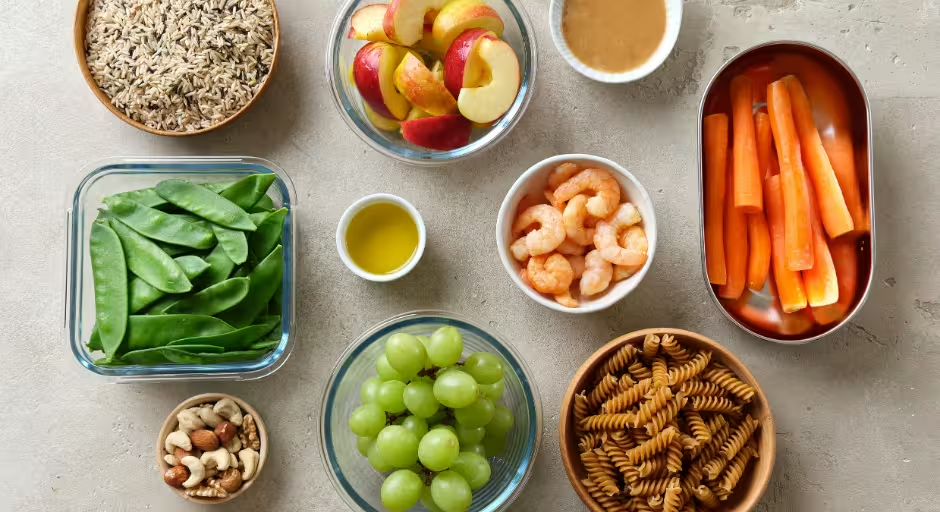
Use Sundays to Set Up the Week
You don't need to spend your entire Sunday meal prepping to make Monday easier. Even 20 or 30 minutes of planning can remove some of the decisions that tend to derail healthy eating during a busy week.
Wash and cut a few vegetables, prepare a protein, portion snacks, make overnight oats, or simply write down a few dinner ideas. Checking the calendar can help, too. If Tuesday includes a late practice or Wednesday has an evening event, planning around those busy days ahead of time makes healthy choices much easier.
The goal is to create convenience for yourself. When nutritious food is ready and accessible, you're less likely to rely on whatever happens to be easiest when you're hungry.
Let the Healthi App Keep You Accountable
Small changes become easier to recognize when you can actually see your progress. The Healthi app gives you tools to track meals, monitor your weight, set goals, and stay connected to the habits you're working on.
The app's BITE system, meal tracking, restaurant guides, and Healthi Fresh plan can also make it easier to stay consistent when your schedule gets busy. Instead of waiting for motivation to show up, you can use simple tracking tools to keep your goals in front of you.
For members using GLP-1 medication through HealthiCare, that support becomes part of a larger approach to weight loss that combines medication, clinical care, and practical tools for building sustainable habits.
Small Changes Add Up
A healthier fall doesn't require a complete reset or a strict new diet. Start with the changes that would make your everyday life a little easier, then give yourself time to build on them.
Maybe that means preparing breakfast the night before, keeping protein-rich snacks available, taking a walk after dinner, drinking more water, or spending a few minutes planning your week on Sunday. These choices may seem small on their own, but repeating them consistently can create meaningful progress over time.
Fall doesn't have to be another season of starting over. It can be the season when healthy habits become a little more practical, a little more consistent, and much easier to maintain.
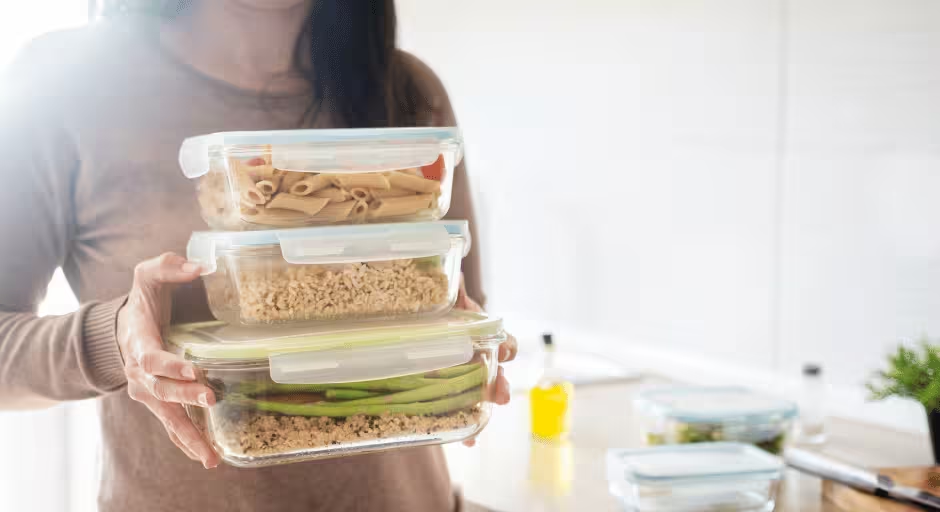
Lifestyle
Nutrition
The Sunday Habits That Make Healthy Eating Easier All Week
A busy week can make healthy eating feel harder than it needs to be. A few simple Sunday habits, from planning meals and prepping protein to stocking easy snacks, can take the guesswork out of your week and make healthy choices much easier when life gets busy.
Monday morning can feel a lot easier when you don't have to figure out what you're eating at 6 p.m. on a Tuesday. A few simple Sunday habits can take the guesswork out of meals, make healthier choices more convenient, and help you avoid relying on takeout when the week gets busy. After working with people on healthy eating and weight loss, one thing becomes clear: you don't need to spend your entire Sunday meal prepping to make a difference. A little planning can carry you through the entire week.
The best Sunday routine isn't going to be the one that looks perfect on paper. It's the one you'll actually keep on repeat.
Sunday Habits That Make Healthy Eating Easier All Week
The biggest mistake people make with meal prep is assuming it has to mean cooking every meal in advance. That's one way to do it, but it isn't the only way, and for many people, it becomes too much work to maintain.
A better approach is to use Sunday to make the rest of the week easier. That might mean washing produce, cooking a protein, making a batch of rice, planning a few dinners, or simply checking what's already in your refrigerator before heading to the grocery store.
The goal is to remove some of the decisions you'll have to make when you're tired and hungry later in the week.
Look at Your Week Before You Plan Your Meals
Start with your calendar, not a recipe book. Take a few minutes to see what's actually happening during the week so your food plan matches your schedule.
If Tuesday has a late meeting, that probably isn't the best night for a complicated dinner. If your child has practice at 6 p.m., plan something that can be eaten quickly or prepared ahead. If Friday is already booked with dinner plans, there's no reason to buy ingredients for another full meal.
A realistic plan works with your life instead of pretending every evening will go exactly as planned (because realistically, it won't.)
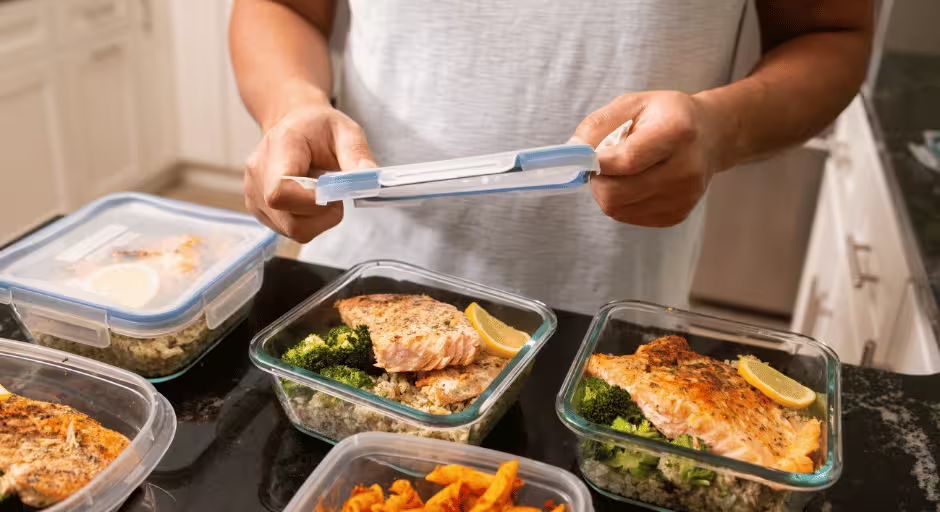
Pick a Few Meals Instead of Planning Every Bite
You don't need seven completely different dinners to eat well all week. In fact, trying to create a brand-new meal every night can make healthy eating feel like another full-time job.
Choose three or four meals that sound good and use leftovers for the remaining days. You might make grilled chicken on Sunday, use it in a salad on Monday, put it into wraps on Tuesday, and add it to a rice bowl later in the week.
This approach gives you variety without requiring a separate cooking project every night.
Give Yourself a Few Easy Backup Meals
Every week has an unexpected Tuesday. Keep a few simple meals available for nights when your original plan falls apart. Canned tuna with whole-grain crackers and vegetables, scrambled eggs with toast and fruit, a rotisserie chicken with microwaveable rice and frozen vegetables, or a quick turkey wrap can save you from ordering dinner when you're exhausted.
These meals don't have to be impressive. They just need to be easy enough that you'll actually make them.
Prep Ingredients Instead of Entire Meals
Ingredient prep is often much easier to maintain than full meal prep. Instead of putting together five identical containers of chicken, rice, and broccoli, prepare a few ingredients that can be used in different ways.
Cook a batch of chicken or lean ground turkey. Wash and chop some vegetables. Prepare rice, quinoa, or another grain. Hard-boil a few eggs. Portion out snacks that are easy to grab.
Now you have building blocks for several meals without being locked into eating the same thing every day.
Prep the Foods You Usually Skip
Pay attention to the foods that tend to disappear from your meals when you're busy. If breakfast is always rushed, prepare overnight oats or egg muffins. If lunch tends to become whatever you can find, portion out protein and vegetables ahead of time.
This is where Sunday preparation can have the biggest impact. You're not preparing food simply because it's Sunday. You're preparing the foods that solve problems you already know you'll have during the week.
Put Protein in an Easy-to-Reach Spot
Protein is easier to prioritize when it's ready to eat. Cooked chicken, turkey meatballs, hard-boiled eggs, Greek yogurt, cottage cheese, tuna packets, and other convenient options can make a big difference when hunger hits.
Think about what requires the least amount of effort. If you have to cook chicken from scratch every time you want protein, you're less likely to reach for it when you're busy. If it's already cooked and sitting in the refrigerator, adding it to a salad, wrap, bowl, or snack takes very little thought.
For anyone using a GLP-1 medication, this can be especially helpful. A reduced appetite can make it harder to eat enough, so having protein-rich foods available can help you make those smaller meals count.
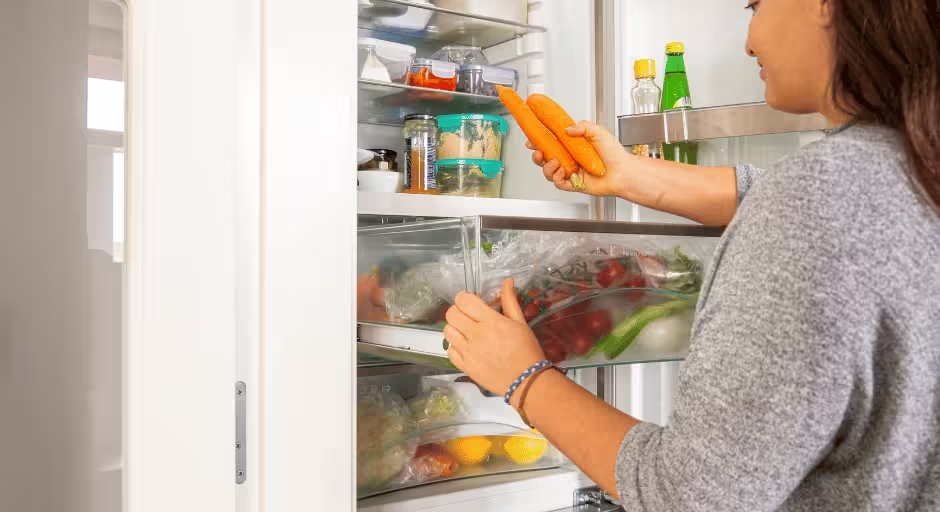
Make Fruits and Vegetables Easy to Grab
Healthy food isn't particularly convenient when it requires ten minutes of washing and chopping before you can eat it. Spend part of Sunday making produce easier to reach.
Wash berries, grapes, and other fruits. Chop vegetables for snacks or meals. Keep baby carrots, snap peas, cherry tomatoes, or other ready-to-eat options at eye level in the refrigerator.
The same idea works for frozen vegetables. Keep a few bags available for quick dinners, especially on nights when you don't have much time to cook.
Convenience matters.
Plan for Breakfast Before Monday Arrives
Breakfast is one of the easiest meals to skip when the morning gets hectic. Having two or three reliable options can prevent you from starting the day with whatever happens to be easiest.
Overnight oats, egg muffins, Greek yogurt bowls, cottage cheese with fruit, breakfast wraps, and smoothies can all be prepared ahead or assembled quickly.
You don't need a different breakfast every morning. Pick a few options you enjoy and rotate them throughout the week.
Portion Snacks Before You're Hungry
Snacks can be much easier to manage when you portion them ahead of time. Large bags of nuts, crackers, trail mix, or other snack foods can make it difficult to notice how much you've eaten, especially when you're grabbing something while working or watching television.
Use small containers or bags to create individual portions on Sunday. Then, when you need a snack during the week, you can grab one without having to measure or make another decision.
Healthi Pro Tip: Mark the bag with your BITES or calories so it's easy to track and go!
Pairing foods can also make snacks more satisfying. Try an apple with peanut butter, Greek yogurt with berries, or whole-grain crackers with cheese.
Don't Forget Drinks
Drinks can be an easy part of the week to overlook. Fill a few reusable water bottles, keep sparkling water chilled, or stock whatever lower-calorie beverages you enjoy.
If you struggle to drink enough water during the workday, make it easier to do so. Having water sitting next to you is much more effective than remembering that you should drink more after you've already gone several hours without it.
For people taking GLP-1 medication, staying hydrated is particularly important. Reduced appetite can sometimes make it easier to overlook fluids, so building hydration into your daily routine can help.
Check Your Pantry Before You Go Shopping
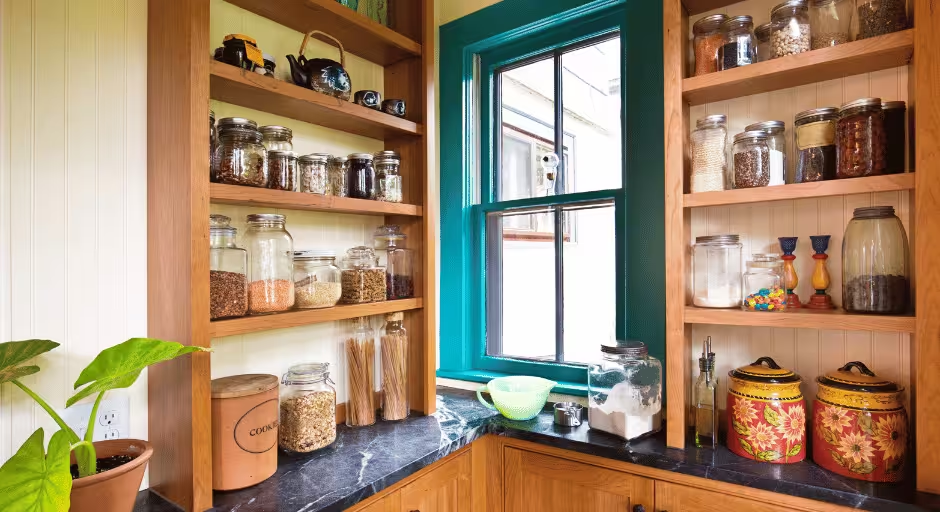
Before making your grocery list, look at what you already have. That forgotten can of beans, package of pasta, or bag of rice might be exactly what you need for a meal.
A quick pantry and refrigerator check can also prevent unnecessary purchases. Build your grocery list around what you already have, then fill in the missing ingredients.
This makes grocery shopping more intentional and can help reduce food waste at the same time.
Keep a Few Healthy Pantry Staples Available
A well-stocked pantry can save you when the week doesn't go according to plan. Oats, canned beans, tuna, whole-grain pasta, brown rice, canned tomatoes, popcorn, nuts, seeds, and shelf-stable protein options can all become part of quick meals and snacks.
You don't need a pantry full of specialty health foods. Basic ingredients that can be combined in several ways are usually more useful.
Leave Some Room for Real Life
A healthy week doesn't need to mean eating food prepared on Sunday for every single meal. Leave room for restaurant meals, leftovers, family dinners, celebrations, and nights when you simply don't feel like cooking.
This is one of the most important Sunday habits of all. Plan enough to support yourself, but don't plan so tightly that one unexpected change makes the entire week feel ruined.
If Wednesday dinner becomes pizza night, that doesn't mean Thursday needs to become another off-plan day. You can simply return to your usual meals at the next opportunity.
Use the Healthi App to Keep Your Week Organized
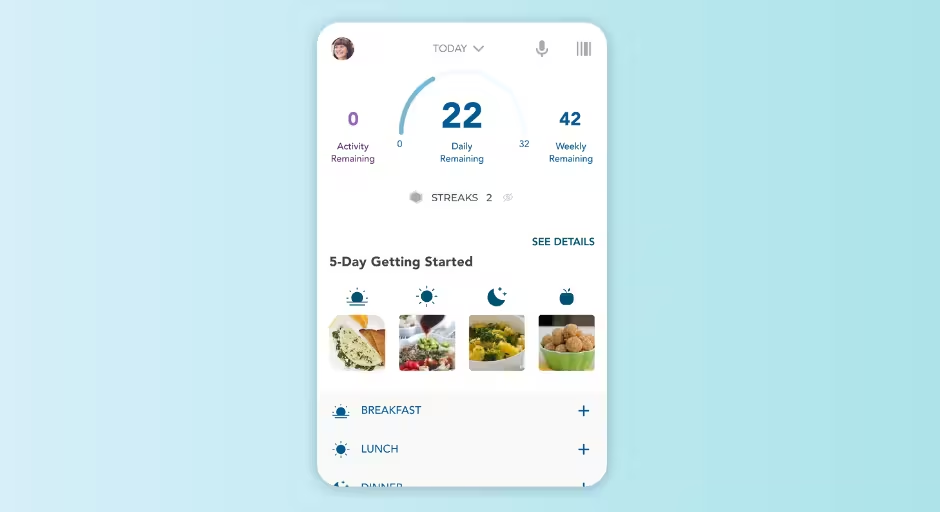
Planning your meals is easier when you can see what you're eating and notice patterns over time. The Healthi app gives you tools for meal tracking, BITE tracking, weight tracking, recipes, and other resources that can help you stay consistent.
For HealthiCare members using GLP-1 medication, Healthi Fresh provides additional meal support with an emphasis on foods that can help meet protein and fiber needs while appetite may be changing.
Instead of trying to remember everything in your head, you can use the app as part of your weekly routine. A few minutes on Sunday can help you start Monday with a clearer idea of what's ahead.
Your Sunday Routine Doesn't Need to Take All Day
If meal prep has always felt overwhelming, start with 30 minutes. Look at your schedule, choose a few meals, prepare one protein, wash some produce, and make sure you have a couple of easy backup options.
That's enough.
Once that routine feels natural, you can add another step if you need it. Maybe you start making breakfast ahead, portioning snacks, or preparing an extra dinner for leftovers.
Healthy eating becomes much easier when your environment does some of the work for you. You don't need perfect preparation every Sunday, and you certainly don't need to spend your entire day in the kitchen.
You just need to make Monday's decisions a little easier.
Nutrition
Weight Loss Tips
Healthy Pantry Staples That Make Weight Loss Easier
A well-stocked pantry can take the stress out of healthy eating, especially on busy days when cooking feels like one more thing on your list. With a few versatile staples on hand, it's easier to build satisfying meals, prepare quick snacks, and stay consistent with your weight-loss goals.
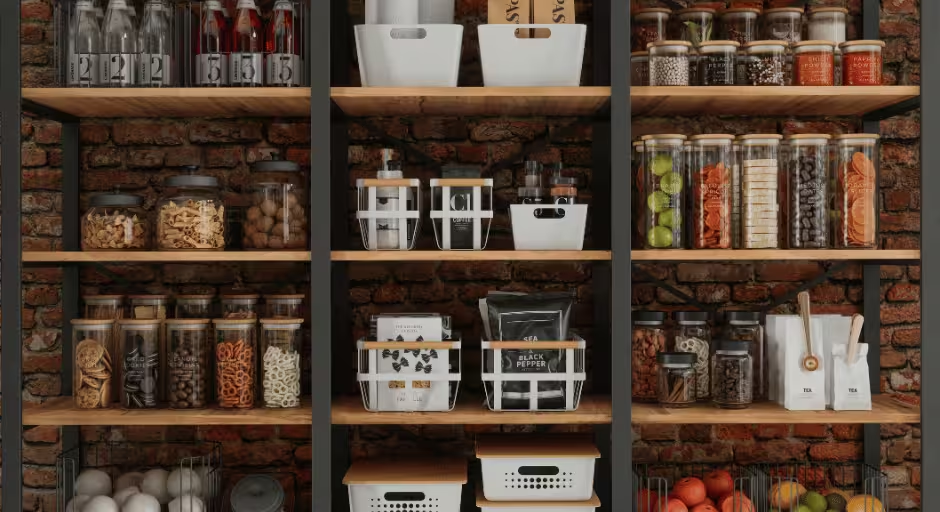
Weight loss can become much harder when your kitchen isn't set up to support you. When you're tired, hungry, or short on time, having to figure out what to make for dinner can quickly lead to takeout or whatever happens to be easiest. While healthy eating and being on a weight loss journey, one thing becomes clear: a well-stocked pantry can take a lot of pressure off your daily decisions. The right healthy pantry staples for weight loss give you simple building blocks for meals, snacks, and last-minute options without requiring a special grocery trip every time you want to eat well.
A healthy pantry doesn't need to be filled with expensive specialty foods, either. Many of the most useful staples are inexpensive, easy to store, and versatile enough to work in several different meals. When you have a few dependable foods ready to go, making a balanced choice becomes much easier.
Healthy Pantry Staples for Weight Loss Start With Protein
Protein should have a regular place in your meals, especially when you're working toward weight loss. It can help you feel satisfied after eating, and getting enough protein is important for supporting lean muscle while losing weight.
While fresh chicken, fish, eggs, and other refrigerated foods are helpful, several pantry-friendly protein options can save you when you don't have anything thawed or ready to cook.
Canned Tuna and Chicken
Canned tuna and chicken are two of the easiest protein sources to keep in your pantry. They can become sandwiches, wraps, salads, bowls, or quick snacks without much preparation.
Try mixing tuna with Greek yogurt, mustard, celery, and seasonings instead of using a large amount of mayonnaise. Serve it over greens, scoop it onto whole-grain crackers, or wrap it in a tortilla for a quick lunch.
Beans and Lentils
Black beans, chickpeas, kidney beans, and lentils are inexpensive staples that provide both protein and fiber. They can also make meals more filling without requiring a lot of extra work.
Keep a few cans available for quick meals, or buy dried beans if you prefer to cook larger batches. Add black beans to rice bowls, chickpeas to salads, or lentils to soups and pasta dishes.
Protein Powder
Protein powder can be useful when you're short on time or need an easy way to add protein to a meal or snack. It can go into smoothies, overnight oats, yogurt, or even some baked recipes.
It doesn't need to replace whole-food protein sources. Think of it as another convenient option to have available when your schedule doesn't cooperate.
Keep Fiber-Rich Carbohydrates Within Reach
Carbohydrates don't need to disappear from your pantry when you're trying to lose weight. Your body uses carbohydrates as one of its main sources of energy, so cutting them out completely isn't necessary for healthy weight loss.
Choosing higher-fiber options and pairing them with protein can help you create meals that are satisfying, nutritious, and provide the fuel you need to get through your day.
Oats
Old-fashioned or quick oats are incredibly versatile. They can become overnight oats, baked oatmeal, breakfast bowls, or even savory oatmeal topped with eggs and vegetables.
For a higher-protein breakfast, mix oats with Greek yogurt or a protein shake, then add chia seeds and berries. It takes only a few minutes to prepare and can be made ahead for several mornings.
Brown Rice and Other Whole Grains
Brown rice, quinoa, farro, barley, and other whole grains can provide an easy foundation for balanced meals. Cook a batch ahead of time and use it throughout the week with different proteins, vegetables, and sauces.
You don't have to eat the exact same bowl every day. One batch of rice can become a chicken burrito bowl one night and a stir-fry the next.
Whole-Grain Pasta
Whole-grain pasta can absolutely fit into a weight-loss plan. The key is building the meal around more than pasta alone.
Add lean ground turkey, chicken, shrimp, beans, or another protein source. Toss in vegetables and use a flavorful sauce to create a meal that's satisfying without relying on a huge serving of noodles.
Don't Forget Canned and Jarred Vegetables
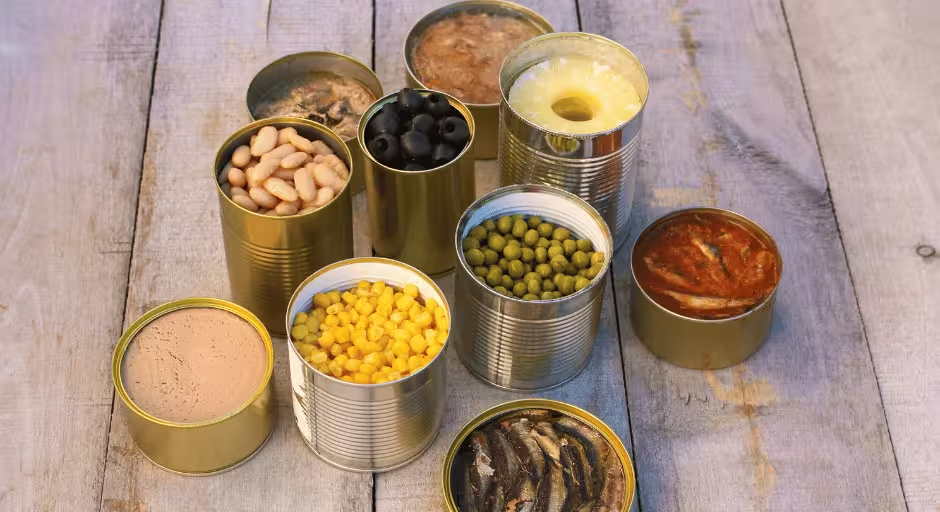
Frozen and fresh vegetables are excellent choices, but pantry vegetables can be a lifesaver when your refrigerator is looking empty.
Canned tomatoes, corn, green beans, pumpkin, roasted red peppers, mushrooms, and artichokes can all help turn basic ingredients into a meal. Look for options with little or no added sodium when available, and drain and rinse canned vegetables and beans if you'd like to reduce some of the sodium.
A can of diced tomatoes can become the base of a quick soup. Roasted red peppers can add flavor to a sandwich or pasta dish. Pumpkin can go into oatmeal, smoothies, or a simple chili.
Small ingredients can make a big difference.
Stock Flavorful Ingredients That Keep Healthy Meals Interesting
Healthy eating becomes much harder when every meal feels bland or repetitive. A few flavorful pantry staples can help you make simple foods taste completely different from one meal to the next.
Spices and Seasonings
Keep a basic collection of seasonings such as garlic powder, onion powder, paprika, chili powder, cumin, Italian seasoning, cinnamon, black pepper, and everything bagel seasoning.
You can use the same basic ingredients in several different ways simply by changing the seasonings. Chicken with taco seasoning feels completely different from chicken seasoned with garlic, Italian herbs, and lemon pepper.
Low-Calorie Sauces and Condiments
Mustard, salsa, hot sauce, vinegar, soy sauce, low-sugar marinara, and other flavorful condiments can make simple meals much more enjoyable.
You don't need to avoid sauces altogether. Pay attention to serving sizes and choose options that fit your preferences and nutrition goals.
Broth and Stock
Low-sodium chicken, beef, and vegetable broth are useful for more than soup. Use them to cook rice or quinoa, make sauces, create quick skillet meals, or add flavor to vegetables.
Having broth in the pantry can also help you turn a few random ingredients into dinner when you don't have a plan.
Healthy Pantry Staples Make Snacking Easier
Snacks can become a problem when there isn't anything convenient available. Instead of relying on willpower when you're hungry, keep a few options on hand that provide some nutritional value.
Air-popped popcorn, whole-grain crackers, nuts, seeds, roasted chickpeas, and shelf-stable protein options can all have a place in a balanced eating plan.
Portioning foods such as nuts and crackers into smaller containers can be especially helpful. It's much easier to pay attention to how much you're eating when you're not standing in front of the pantry with an open bag.
For a more satisfying snack, pair a pantry item with something from the refrigerator. Try whole-grain crackers with cottage cheese, an apple with peanut butter, or popcorn with a cheese stick.
Don't Be Afraid of Healthy Fats
Foods such as peanut butter, almond butter, nuts, seeds, and olive oil can fit into a weight-loss plan. They provide healthy fats and can add flavor and satisfaction to meals.
Since these foods are calorie-dense, portions matter. A tablespoon of peanut butter can add plenty of flavor to oatmeal or an apple without needing a large amount.
Chia seeds and ground flaxseed are also useful pantry staples. Add them to overnight oats, yogurt, smoothies, or baked recipes for extra fiber and healthy fats.
Build a Pantry That Works for Your Actual Life
A pantry doesn't need to look like a nutrition textbook. The best healthy pantry staples are the foods you will actually use.
If you love Mexican-inspired meals, keep black beans, brown rice, salsa, canned tomatoes, corn, and taco seasoning available. If pasta is a family favorite, keep whole-grain pasta, marinara, canned chicken, and seasonings ready for quick dinners.
Think about the meals your household already enjoys and find ways to make those meals easier to prepare. Weight loss doesn't require completely changing the way you eat.
It often starts with making the foods you already enjoy work a little better for you.
A Simple Pantry Formula for Easy Meals
When you're staring into the pantry and have no idea what to make, use a simple formula: protein + high-fiber carbohydrate + fruit or vegetable + flavor.
For example, canned chicken can be combined with brown rice, canned corn, salsa, and taco seasoning. Chickpeas can become a quick bowl with quinoa, roasted red peppers, spinach, and a simple dressing. Tuna can go into a whole-grain wrap with vegetables and mustard.
You don't need a complicated recipe every night. Having basic ingredients that can be mixed and matched gives you plenty of flexibility.
What If You Don't Have Time to Meal Prep?
That's exactly when a stocked pantry can help the most.
Meal prep doesn't have to mean spending your entire Sunday cooking. Sometimes preparation simply means keeping canned protein, microwaveable grains, canned vegetables, oats, and easy seasonings available.
When dinner needs to happen in 15 minutes, you can combine those ingredients into something filling instead of deciding that takeout is your only option. A little preparation in the pantry can save you from making food decisions when you're already tired.

Healthy Pantry Staples Can Support GLP-1 Weight Loss, Too
If you're taking a GLP-1 medication, keeping convenient foods available can be especially helpful. A lower appetite may mean you're eating smaller meals, so choosing foods that provide protein, fiber, and other nutrients becomes important.
Pantry staples such as tuna, beans, lentils, oats, whole grains, protein powder, and seeds can give you plenty of options when you don't feel like preparing a large meal. Smaller portions may be easier to tolerate, and you can combine pantry foods with fresh or refrigerated ingredients based on what sounds appealing.
HealthiCare members also have access to the Healthi app, including meal tracking, the BITE system, restaurant guides, and the Healthi Fresh plan. These tools can make it easier to plan balanced meals and stay mindful of nutrition while using GLP-1 medication.
HealthiCare brings the medication, clinical care, and everyday nutrition support together, giving you more than a prescription to work with.
Your Pantry Should Make Healthy Choices Easier
A well-stocked pantry won't make every healthy choice automatic, but it can remove a lot of the friction that makes weight loss feel harder. When you have protein, fiber-rich carbohydrates, vegetables, healthy fats, and flavorful ingredients ready to use, you have more options when life gets busy.
Start small. Add a few staples you know you'll use, then build from there. The next time you're tempted to say, "There's nothing healthy to eat," you'll have ingredients waiting to prove otherwise.
A healthy pantry isn't about having perfect foods. It's about having enough good options that a busy day doesn't get to decide what you eat.

Weight Loss Tips
The Power of Patience on Your Weight Loss Journey
Ever feel like you’re doing everything right, but the scale just isn’t moving fast enough? Coach Jeri reminds us that lasting weight loss takes more than patience—it takes a willingness to keep showing up when the results aren’t happening as quickly as we’d like. With a fresh look at small wins, realistic goals, and the power of staying the course, this is your reminder that slow progress is still progress.
Hi, Coach Jeri here!
Have you ever heard the saying, “Good things come to those who wait”? And yet, one of the most common reasons people give up is frustration that the pounds aren’t coming off fast enough.
Logic seems to be ignored in this situation. Most will agree they didn’t gain weight overnight, so the idea that pounds will magically melt off and never come back is unrealistic. If you were taking golf lessons, would you expect to become a professional golfer after just a few lessons? Of course not. Everything takes time, new skills have to be learned, and we need to appreciate our progress, no matter how small.
Patience has the power to transform past frustrations into a livable, attainable lifestyle where we focus on what is truly important: better health.
It’s common to desire quick results, but sustainable changes take time. It is also vital for safe and lasting weight loss. Quick fixes often fail and can even harm your health. Focus on small, daily habits instead of fast results.
Too many people give up because the results aren’t coming as quickly as they would like instead of renewing their commitment to keep going. If you are honestly following your plan, tracking, weighing, and measuring, you will see results. They may not happen as quickly as we would like, but they will happen.
Learn to accept what your body is willing to do at its own pace. It’s not important how fast or how long it takes. What matters is that you are moving in the right direction toward better health. Once you start building success in small increments, you will create momentum that leads to lasting changes.

When Your Patience Starts to Wane
Here are some tips to dig into when your patience starts to wane:
- Why are you doing this? Always keep your “why” close to the surface. Sometimes we need to renew our motivation and remind ourselves why we started.
- Shift your focus from a target number to building sustainable habits. The number on the scale is only one measure of success. The habits you build along the way are what will help you maintain your progress.
- Focus on the outcome. Better health, better energy, better self-worth, and a better quality of life are all worthwhile goals.
- Treat your body with respect. Eat foods that nourish you and help you feel your best. Poor food choices can lead to feelings of guilt and overeating, while nutritious choices can help you feel satisfied and energized.
- Be sensible about setting a healthy goal that is comfortable for you. Your goal should challenge you without making you feel defeated before you even begin.
- Embrace non-scale victories. Celebrate the improvements that have nothing to do with the number on the scale. More energy, better-fitting clothes, improved mobility, and greater confidence all count.
- Be receptive to trying new things. Take advantage of the many ideas members share in the Healthi Community and on Facebook. You never know when you might discover something that works especially well for you.
- Most importantly, let go of your old ways. This is a new journey. You don't have to repeat the same patterns simply because they are familiar.
Small Steps Create Lasting Change
Even though the process can sometimes seem endless, what feels impossible long term can be tackled one day at a time, or even one hour at a time.
Success isn't just about the food. When you do something that makes you feel good, repeat it and incorporate it into your life. Celebrate your victories along the way. Over time, you will realize that sensible eating and lifestyle adjustments are no longer daunting tasks. They simply become part of your daily routine.
Little by little, the pounds will begin to come off, and your mindset will be in a better, healthier place.
It is also important to ignore the false advertising and gimmicks that promise fast weight loss. Many times, a quick loss is followed by a gain, along with feelings of guilt, self-loathing, and frustration.

Give Yourself Time
Patience can be difficult, especially when we have such busy lives and live in a fast-paced world. We are used to having everything happen quickly, but lasting change doesn't work that way.
You don't have to solve all your issues at once. Small, consistent efforts will lead to significant and lasting change. With patience, reflection, and a positive mindset, you will find that your staying power grows stronger and impatience no longer interferes with your progress.
Remember, it doesn't matter how quickly you reach your destination. What matters is that you continue moving in the right direction.

Nutrition
Easy High-Protein Breakfasts for Busy Mornings
Busy mornings don't have to mean skipping breakfast or grabbing whatever is most convenient. With a little planning, high-protein breakfasts can come together in just a few minutes and help keep you satisfied until your next meal.
Easy High-Protein Breakfasts for Busy Mornings
If your mornings feel rushed, you're not alone. Between getting ready for work, helping kids get out the door, commuting, or simply trying to wake up, breakfast often becomes an afterthought. That's one reason easy high-protein breakfasts for busy mornings can make such a difference. Starting your day with protein helps support muscle health, keeps you feeling satisfied longer, and makes it easier to stay on track with your nutrition goals. The best part is that a protein-rich breakfast doesn't have to take much time.
Many people think healthy breakfasts require cooking a full meal every morning. In reality, some of the simplest breakfasts are also some of the most nutritious. A little preparation, a few staple ingredients, and a handful of quick recipes can take the stress out of busy mornings.
Why Protein Matters at Breakfast
Breakfast is your first opportunity to fuel your body after an overnight fast. While any breakfast is better than skipping it altogether, adding protein helps create a more balanced meal.
Protein takes longer to digest than simple carbohydrates, which can help you feel full for longer. It also plays an important role in maintaining lean muscle, supporting recovery after exercise, and helping you meet your daily nutrition needs.
If you're using a GLP-1 medication, protein becomes even more important. Since appetite is often lower, every meal counts. Choosing protein-rich foods early in the day can make it easier to reach your daily protein goal without trying to catch up later.
You Don't Need a Fancy Breakfast
One misconception is that breakfast has to look a certain way. Eggs are great, but they're far from your only option. Some mornings you may have time to cook. But other days? You may only have five minutes - or less. Both situations can still include plenty of protein.
The key is keeping simple ingredients on hand that require little or no preparation. When healthy options are already available, you're much more likely to choose them during a busy morning.
Easy High-Protein Breakfast Ideas
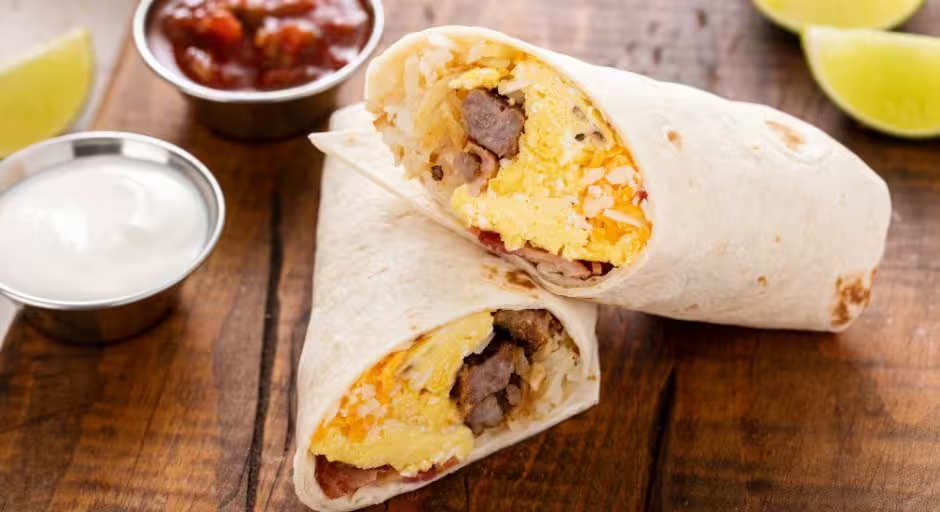
Breakfast Wraps
Fill a whole-wheat tortilla with scrambled eggs, egg whites, turkey sausage, spinach, and a little cheese. Make several ahead of time and freeze them for quick reheating.
Greek Yogurt Parfait
Plain or lightly sweetened Greek yogurt provides an excellent source of protein. Add fresh berries, sliced banana, chia seeds, or a sprinkle of granola for extra texture and fiber. It takes only a few minutes to prepare and can easily be packed for work.
Cottage Cheese Breakfast Bowl
Cottage cheese has become popular again for good reason. It's rich in protein and pairs well with both sweet and savory toppings.
Try adding peaches, pineapple, berries, or cinnamon for a sweeter option. If you prefer something savory, top it with tomatoes, cucumber, avocado, and Everything Bagel seasoning.
Egg Muffins
Egg muffins are perfect for meal prep because you can make several at once.
Whisk eggs with vegetables like spinach, peppers, onions, mushrooms, or broccoli. Add turkey sausage, diced ham, or a little reduced-fat cheese if you'd like. Bake them in a muffin pan, refrigerate, and simply reheat throughout the week. For an extra fluffy texture that's similar to the popular Starbucks egg bites, blend the eggs, cottage cheese, and your favorite seasonings in a food processor or blender before mixing in your vegetables and other add-ins. The cottage cheese creates a light, creamy texture while adding even more protein to your breakfast.
Overnight Oats with Protein
Overnight oats don't have to be high in carbohydrates alone. By adding protein-rich ingredients, you can create a more balanced breakfast that helps keep you satisfied throughout the morning.
Mix oats with Greek yogurt or a protein shake, then add chia seeds and fruit. Let everything sit overnight in the refrigerator, and breakfast is already waiting for you when you wake up.
For a simple protein-packed version, combine ½ cup rolled oats, ½ cup unsweetened almond milk, ½ cup Greek yogurt, 1 tablespoon chia seeds, and a scoop of your favorite protein powder. Add berries, sliced banana, cinnamon, or a drizzle of peanut butter for extra flavor. You can prepare several jars at once, making them an easy grab-and-go option for busy mornings.
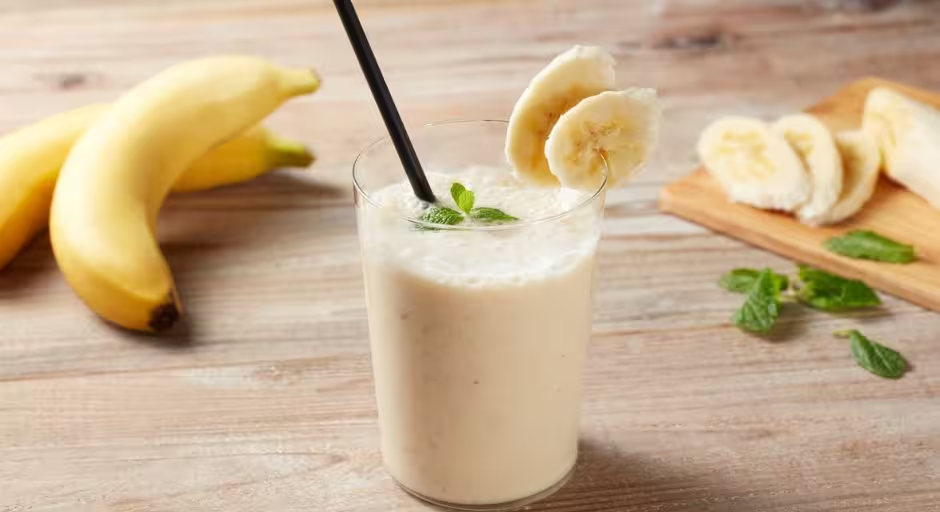
Protein Smoothies
Smoothies work well for mornings when chewing a full meal doesn't sound appealing. Blend protein powder or Greek yogurt with frozen fruit, spinach, milk of choice, and a spoonful of peanut butter for a balanced breakfast you can take on the go.
Peanut Butter Toast with Greek Yogurt
Whole-grain toast topped with natural peanut butter becomes an even more balanced breakfast when served alongside a cup of Greek yogurt. Together they provide protein, healthy fats, and fiber to help keep you satisfied.
Hard-Boiled Eggs and Fruit
Sometimes the simplest breakfast is the easiest to stick with.
Keep hard-boiled eggs ready in the refrigerator and pair them with fruit and a cheese stick for a quick breakfast that requires almost no preparation.
Meal Prep Makes Busy Mornings Easier
Preparing breakfast doesn't have to mean spending hours in the kitchen every Sunday. Instead, focus on making one or two things ahead of time that will simplify your week. Hard-boiled eggs, overnight oats, egg muffins, chopped fruit, smoothie freezer packs, and pre-portioned yogurt bowls can all save valuable time during busy mornings.
Even setting out your coffee mug, lunch bag, or breakfast container the night before can make your morning feel less rushed. The easier breakfast is to grab, the more likely you'll eat it.
What If You're Not Hungry?
Many people, especially those taking GLP-1 medications, don't feel hungry first thing in the morning. That's okay.
You don't necessarily have to eat a large breakfast immediately after waking up. Some people do better eating a smaller meal an hour or two later. Others prefer a protein shake or yogurt until their appetite increases.
The important thing is finding a routine that allows you to consistently meet your nutrition needs throughout the day. Skipping breakfast occasionally isn't necessarily a problem, but regularly missing opportunities to eat protein can make it harder to reach your daily goals.
Healthi Makes Breakfast Planning Simple
Planning high-protein breakfasts becomes much easier when you have recipes and tracking tools in one place.
The Healthi app includes hundreds of breakfast recipes, meal tracking, the BITE system, and the Healthi Fresh plan, which emphasizes protein and fiber to support balanced eating. Whether you enjoy cooking or need grab-and-go options, you'll find ideas that fit your schedule and your goals.
If you're using GLP-1 through HealthiCare, your membership also includes the Healthi app at no additional cost. Along with guidance from licensed healthcare providers, you'll have practical tools that make building healthy habits feel more manageable every day.
A Better Morning Starts with a Simple Plan
Easy high-protein breakfasts for busy mornings don't have to be complicated. A few staple ingredients, a little planning, and realistic expectations can make breakfast one of the easiest healthy habits to maintain.
Whether you prefer yogurt, eggs, smoothies, overnight oats, or something you can grab on your way out the door, starting your day with protein helps set the tone for the rest of your day. Choose options that fit your lifestyle, keep them simple, and let consistency do the rest.

Lifestyle
Why August Is the Perfect Time to Reset Your Routine
August naturally brings a shift in schedules, making it an ideal time to settle back into healthy routines.
Why August Is the Perfect Time to Reset Your Routine
If you've been feeling like your healthy habits have drifted over the summer, August is the perfect time to reset your routine. Vacations begin winding down, kids head back to school, and many people start settling into a more predictable schedule again. That makes this month a natural opportunity to rebuild the habits that help you feel your best. The key isn't trying to undo everything that happened over the summer. It's taking advantage of a season that already encourages fresh routines and using that momentum to your advantage.
Many people wait until January to make changes, but August often offers an even better opportunity. Life hasn't become as busy as the holiday season, and the return of everyday schedules makes healthy habits easier to repeat. Small adjustments made now can carry you through the rest of the year instead of waiting for another "perfect" time to begin.

Why August Feels Like a Fresh Start
There is something about August that naturally signals a new beginning. Even if you don't have children in school, it's hard to ignore the feeling that routines are returning. Stores are filled with school supplies, calendars begin filling back up, and many workplaces settle into a more regular rhythm after the summer vacation season.
That change can work in your favor.
Healthy habits thrive when there is at least some structure in your day. Predictable mornings make it easier to have a prepared and balanced breakfast. Planned grocery trips make balanced meals more realistic. Knowing what your evenings look like helps you find time for movement instead of hoping you'll squeeze it in later.
You don't need every hour scheduled. A little consistency is often just enough to make healthy choices feel much easier.
Forget the "Start Over" Mindset
One of the biggest mistakes people make in August is believing they have to make up for everything they did over the summer.
That usually leads to unrealistic goals. People decide they'll eliminate sugar, work out every day, meal prep every meal, and never eat out again. Those plans may sound motivating for a day or two, but they're often too difficult to maintain once real life gets busy.
A healthier approach is to continue where you are.
You don't have to erase the vacations you enjoyed or the cookouts you attended. Those experiences were part of your summer, and they can absolutely fit into a healthy lifestyle. Instead of starting over, think about restarting a few habits that helped you feel your best before your routine changed.
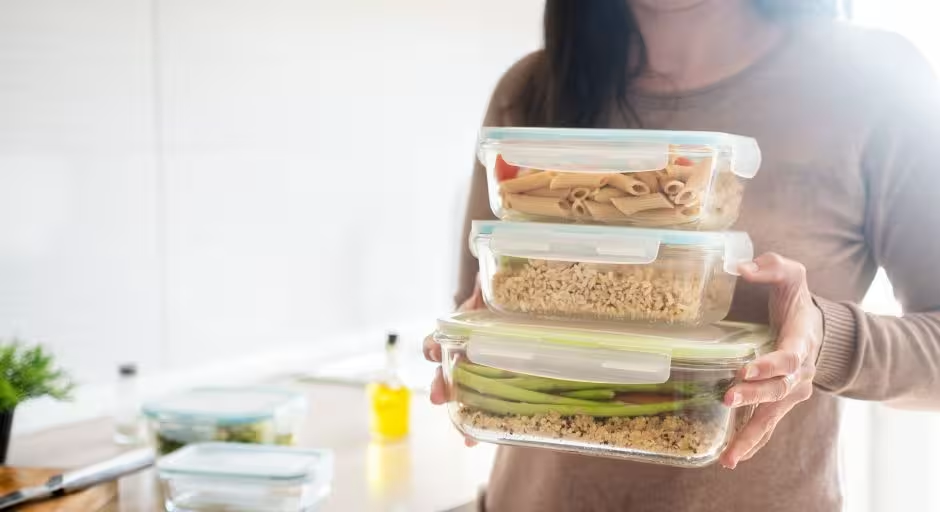
Focus on Habits, Not Perfection
The routines that last are usually surprisingly simple. Why? Because... they're easy. Rather than trying to improve every area of your health at once, choose a handful of habits that will have the biggest impact on your day. Drinking enough water, eating enough protein, planning a few meals for the week, taking regular walks, or getting to bed a little earlier can all make a noticeable difference.
These habits also work together. Drinking more water often helps your energy. Planning meals makes it easier to eat balanced foods. Better sleep can improve your mood and make healthy choices feel less like work.
Progress rarely comes from doing everything perfectly. It usually comes from repeating a few healthy habits consistently.
Build a Routine That Fits Your Real Life
One reason routines fall apart is that they're often built around ideal circumstances instead of everyday life. They're not easy and practical changes meant for normal days.
A routine that only works when you have extra free time probably won't survive a busy work week, kids' activities, or unexpected schedule changes. That's why it's important to build habits around the life you're actually living.
If mornings are hectic, prepare breakfast the night before. If evenings are packed with practices or meetings, plan simple dinners that come together quickly. If you know you'll be eating out once or twice a week, include that in your plan instead of treating it as a setback.
Healthy habits should support your life, not compete with it.
Don't Wait Until Everything Feels Perfect
It's easy to believe you'll start once life settles down. But realistically, how often does that happen?
The truth is, life is always changing. Summer becomes fall. Fall becomes the holiday season. Before long, another new year arrives, and many people find themselves making the same promises they made twelve months earlier. Waiting for the perfect moment often means waiting forever.
The best time to rebuild healthy habits is while life is happening. August offers enough structure to help you get started without requiring everything to be perfect. Even one small change this week can become a habit that lasts for months.
If You're Using GLP-1, Routine Still Matters
GLP-1 medications can make it easier to manage hunger, but they don't replace healthy routines.
As summer comes to an end, this is a great time to pay attention to the habits that support your treatment. Prioritize protein at meals, stay hydrated throughout the day, plan ahead for busy schedules, and continue eating regularly even if your appetite feels smaller than it used to.
Building these habits now makes it easier to continue seeing progress as your schedule becomes busier throughout the fall. The medication can support your journey, but the routines you build are what help maintain your results over time.
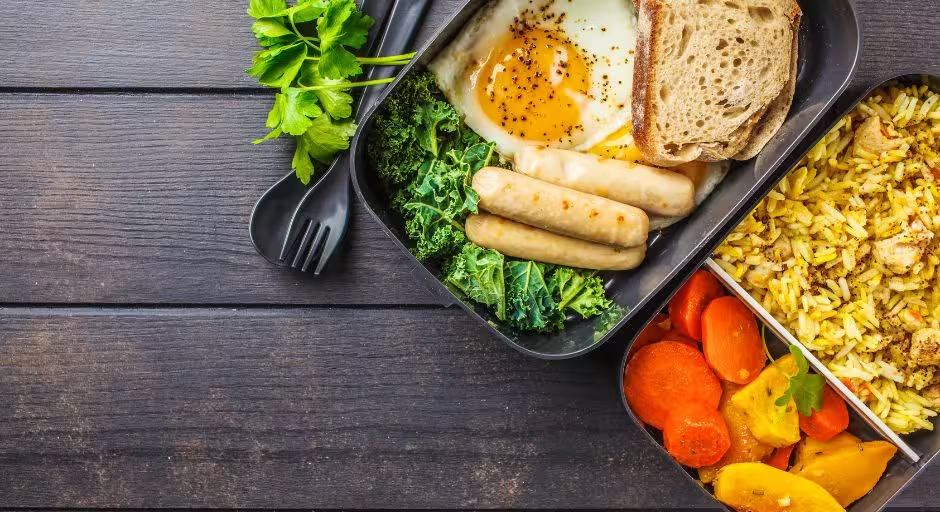
HealthiCare Makes Healthy Routines Easier
Creating healthy habits is much easier when you have tools that fit into your everyday life.
HealthiCare combines GLP-1 treatment with ongoing support from licensed healthcare providers who help members build realistic nutrition and lifestyle habits alongside their medication. Whether you're starting your journey or working toward long-term maintenance, having guidance can make it easier to stay consistent through changing seasons.
Every HealthiCare membership also includes the Healthi app at no additional cost. With meal tracking, the BITE system, restaurant guides, and the Healthi Fresh plan, you'll have practical resources that make healthy eating feel manageable, even when life gets busy again.
A Small Reset Can Change the Rest of Your Year
You don't need a new year, a new month, or a perfect Monday to begin building healthier habits. August simply offers a natural opportunity to pause, reset, and settle back into routines that support your goals.
If you've been waiting for the right time to get back on track, this may be it. Start with one or two habits that feel realistic, repeat them consistently, and let them grow over time. Why August is the perfect time to reset your routine isn't about the date on the calendar. It's about recognizing that lasting progress comes from small choices you can continue long after summer ends.

Lifestyle
How to Stay on Track Without Missing Out on Summer
Summer is filled with vacations, backyard barbecues, pool days, and last-minute plans. You don't have to put your health goals on hold to enjoy them. A few realistic habits can help you stay consistent without feeling like you're missing out.
How to Stay on Track Without Missing Out on Summer
If you've ever worried that enjoying summer means falling behind on your health goals, you're not alone. Staying on track during summer can feel challenging when your routine changes, meals happen away from home, and your calendar fills with social events. The good news is that you don't have to choose between making progress and making memories. You can learn how to adjust your habits without abandoning them.
Summer has a way of making life less predictable, and that's part of what makes it so enjoyable. School schedules change, weekends get busier, and invitations seem to pop up every few days. Instead of trying to make summer look exactly like every other season, it helps to build healthy habits that fit the way you're actually living right now.

Staying on Track During Summer Doesn't Mean Being Perfect
One of the biggest mistakes people make is believing they have to follow their plan perfectly or they've failed.
That kind of thinking often leads to an all-or-nothing cycle. You enjoy a burger at a cookout or dessert on vacation, then decide the day is already ruined and continue making choices that leave you feeling discouraged. Before long, one meal turns into an entire weekend of telling yourself you'll "start over" on Monday. Healthy living doesn't work that way.
One meal doesn't erase weeks of healthy choices. Neither does one vacation or one holiday. What matters most is what you do most of the time, not what happens once in a while. When you stop expecting perfection, it becomes much easier to stay consistent.
Build Your Day Around What Matters Most
Summer schedules are often unpredictable, but a few simple habits can help provide structure no matter where the day takes you.
Instead of trying to control every meal, focus on the habits that have the biggest impact. Prioritize protein at meals whenever possible. Stay hydrated throughout the day. Include fruits and vegetables when they're available, and keep moving in ways you enjoy. Those habits travel well.
Whether you're spending the day at the lake, attending a baseball tournament, or leaving for a weekend trip, those priorities remain the same. You may not eat at the exact same times or prepare every meal at home, but you can still make choices that support your goals.
Consistency is often built around a few dependable habits, not a perfect schedule.

Enjoy Summer Foods Without Feeling Guilty
Summer brings foods that many people look forward to all year long. Fresh watermelon, grilled burgers, corn on the cob, homemade potato salad, ice cream, and family recipes are all part of making memories with the people you love. There's room for those foods.
Instead of labeling foods as "good" or "bad," think about building a balanced plate. Start with a source of protein, add fruits or vegetables when you can, and enjoy the foods that make the occasion feel special.
You don't have to skip dessert because it's available. You also don't have to eat it simply because it's there. Making intentional choices often feels much more satisfying than following strict rules that leave you feeling deprived.
Vacations Don't Have to Pause Your Progress
Many people assume they'll get back to healthy habits after vacation, but there's no reason your routine has to disappear completely. Vacation is a chance to relax, not abandon everything you've worked to build.
You might eat at restaurants more often, but you can still include protein with your meals. You might not follow your usual workout routine, but you can walk while exploring a new city, swim with your family, or stay active in ways that feel enjoyable.
It's also important to remember that vacation isn't measured by the number on the scale when you get home. Changes in sodium, hydration, travel, and meal timing can all cause temporary fluctuations that have little to do with body fat.
The habits you return to after vacation matter much more than anything that happens during a few days away.
Have a Plan for Cookouts and Parties
Social gatherings are part of summer, and they don't have to become stressful. If you're attending a cookout, avoid arriving overly hungry. Having a protein-rich snack beforehand can help you make choices based on what sounds good rather than eating everything in sight because you're starving.
Once you're there, take a look at all of the food before filling your plate. Choose the foods you truly enjoy instead of taking a little of everything simply because it's available. Eat slowly, enjoy the conversation, and give yourself time to notice when you're comfortably satisfied.
Remember, the purpose of the gathering is spending time with people, not trying to have the "perfect" meal.
If You're Using GLP-1, Keep Supporting Your Body
Summer can bring a few additional challenges if you're taking a GLP-1 medication. Lower appetite combined with busier schedules sometimes means people unintentionally skip meals or fall short on protein and hydration. Even if you aren't feeling especially hungry, your body still needs nourishment.
Keeping convenient protein options available, carrying a water bottle throughout the day, and eating smaller balanced meals can help you continue supporting your health while enjoying everything summer has to offer.
Healthy habits don't stop being important simply because your appetite changes.
HealthiCare Helps You Stay Consistent All Summer Long
Building healthy habits is easier when you have support that fits into your everyday life.
HealthiCare combines GLP-1 treatment with ongoing guidance from licensed healthcare providers who help you build sustainable habits for long-term success. Whether you're working toward your first weight-loss milestone or maintaining your progress through a busy summer, having expert support can make staying consistent feel much more manageable.
Every HealthiCare membership also includes the Healthi app at no additional cost. With meal tracking, the BITE system, restaurant guides, and the Healthi Fresh plan designed with an emphasis on protein and fiber, you'll have practical tools that help you make informed choices whether you're grilling at home, eating on vacation, or meeting friends for dinner.
Healthy living should fit into your life, including the fun parts.
Summer Is Meant to Be Enjoyed
One of the biggest signs of progress isn't avoiding vacations or saying no to every invitation. It's learning how to enjoy those moments while continuing to care for yourself.
Staying on track during summer doesn't require perfection. It requires flexibility, realistic expectations, and habits that can travel with you wherever the season leads. When you stop viewing healthy living as something that only happens at home or on perfectly planned days, it becomes much easier to stay consistent all year long.
Enjoy the cookouts. Take the vacation. Order the ice cream if it's part of the experience. Then keep showing up for yourself the next day, just like you always do. That's what long-term success looks like.
Nutrition
Lifestyle
Meal Prep Without the Overwhelm: A Simple System That Works
Meal prep doesn’t have to take over your weekend or leave you eating the same lunch five days in a row. A simple, flexible approach can make healthy eating fit into real life without adding more stress to your schedule.
Meal Prep Without the Overwhelm:
Meal prep without the overwhelm is possible, but it usually requires letting go of the idea that meal prep has to be perfect. Many people think they need to spend hours cooking every Sunday, portion every meal into matching containers, and follow the exact same menu all week long. That expectation alone is enough to make meal prep feel like another full-time job. In reality, the people who stay consistent with healthy eating over the long term are often the ones who keep meal prep simple, flexible, and realistic.
Somewhere along the way, meal prep became associated with perfection. Social media is filled with beautifully organized refrigerators, elaborate recipes, and enough prepared food to feed a family for an entire week. Those pictures are certainly motivating, but they can also send the message that if you can’t do all of that, it isn’t worth doing anything at all.
That way of thinking causes more frustration than success. Healthy habits don’t have to be impressive to be effective. Most people don’t need a refrigerator full of perfectly portioned meals. They simply need a plan that makes tomorrow a little easier than today.
Why Meal Prep Feels So Overwhelming
One of the biggest reasons people struggle with meal prep is that they try to prepare every meal for every day of the week before Monday even begins. On paper, it sounds like a great idea. In practice, it often means spending several hours shopping, cooking, portioning, labeling, and cleaning up. By the time everything is finished, you’ve devoted most of your day off to preparing for the week ahead. Even if you enjoy cooking, that isn’t always sustainable.
Life changes quickly. Plans come up. A friend invites you out for dinner. Your family wants pizza one night. You end up with leftovers you didn’t expect. Suddenly those carefully planned meals no longer fit your week, and instead of feeling prepared, you feel guilty for wasting food or abandoning your plan. That’s why so many people decide meal prep simply doesn’t work for them.
The problem usually isn’t meal prep itself. It’s expecting a system that leaves no room for real life. The more rigid your plan becomes, the easier it is for one unexpected event to make it feel like everything has fallen apart.
A good meal prep system should reduce stress, not create more of it. If preparing your food leaves you exhausted before the week even starts, the system probably needs to be simplified.
Stop Prepping Meals. Start Prepping Ingredients.
One of the easiest ways to make meal prep feel more manageable is to stop thinking about complete meals and start thinking about building blocks.
Instead of making five identical lunches, prepare ingredients that can be mixed and matched throughout the week. This approach gives you far more flexibility while still saving plenty of time.
For example, grilling several chicken breasts on Sunday doesn’t mean you’ll be eating grilled chicken every day. One night it may become tacos with fresh salsa and avocado. The next day it could be added to a salad for lunch. Later in the week, it might be tossed into a wrap, stirred into a pasta dish, or paired with roasted vegetables and rice for a quick dinner.
The same idea works with many staple foods. A batch of cooked ground turkey can become taco bowls, stuffed peppers, or spaghetti. Roasted vegetables can be served alongside dinner one evening and folded into an omelet the next morning. Brown rice or quinoa can work in grain bowls, soups, or stir-fries throughout the week.
Preparing ingredients instead of complete meals keeps healthy eating from becoming repetitive. It also gives you the freedom to eat what sounds good that day instead of forcing yourself to eat something simply because you already prepared it.
Build Meals Around a Simple Formula
One reason healthy eating feels overwhelming is that many people believe every meal needs a recipe. In reality, some of the healthiest meals are also the simplest.
Rather than asking yourself what you’re going to cook every time you’re hungry, it helps to follow a basic framework. Start with a source of protein. Add a fruit or vegetable. Include a source of fiber or whole grains if it fits your needs, then finish the meal with a healthy fat when appropriate. This approach removes a surprising amount of decision-making from your day.
A grilled chicken breast with roasted broccoli and brown rice is a complete meal. So is Greek yogurt topped with berries and chopped walnuts. A turkey sandwich on whole-grain bread served with fresh fruit and baby carrots works just as well. None of those meals require complicated recipes, but each one provides balanced nutrition that can help you stay satisfied and energized.
When you stop expecting every meal to be exciting or elaborate, healthy eating often becomes much easier to maintain. Some meals are simply there to fuel your day, and that’s perfectly okay.
Keep Your Grocery List Smaller Than You Think
One of the most common mistakes people make is buying too many ingredients with the hope of creating endless variety. Ironically, that often leads to food waste, higher grocery bills, and vegetables that sit untouched in the refrigerator until they’re thrown away a week later. A smaller grocery list is often a smarter grocery list.
Choose a handful of proteins, several fruits and vegetables, a few sources of whole grains, and healthy fats that you genuinely enjoy eating. Those ingredients can be combined in dozens of different ways without making every meal taste the same.
For example, grilled chicken, lean ground turkey, Greek yogurt, eggs, salad greens, cucumbers, broccoli, berries, apples, brown rice, oats, whole-grain tortillas, avocados, and almonds can become breakfasts, lunches, dinners, and snacks all week long. The ingredients stay familiar, but the meals continue to feel different depending on how you combine them.
Buying food with flexibility in mind often makes meal planning feel much less stressful. Instead of shopping for seven specific recipes, you’re stocking your kitchen with foods that give you options.
You Don’t Have to Prep Everything
One of the biggest misconceptions about meal prep is that every meal has to be finished before the week begins. For most people, that simply isn’t realistic. Spending an entire afternoon cooking can leave you feeling burned out before Monday even arrives, and it often turns healthy eating into something that feels like a chore instead of a helpful routine.
A better approach is to identify the parts of your week that usually feel rushed and prepare only the foods that will make those moments easier. Maybe breakfast is always hectic, so overnight oats or egg muffins save you time in the morning. Perhaps lunches are your biggest challenge, so you cook extra chicken and wash your salad greens ahead of time. If weeknight dinners tend to fall apart after work, chopping vegetables or cooking a batch of rice can make getting dinner on the table much quicker.
Even thirty minutes of preparation can make a noticeable difference. Washing fruit, portioning snacks, chopping vegetables, or cooking one protein source may not seem like much, but those small tasks remove decisions from your busiest days. Over time, those small wins build consistency far better than an ambitious plan you only complete once.
Meal Prep Looks Different on GLP-1
If you’re taking a GLP-1 medication, your meal prep strategy may look different than it did before starting treatment. Reduced appetite often means you aren’t eating large portions, but your body still needs adequate protein, fiber, healthy fats, vitamins, and minerals to support your health while losing weight.
Many people make the mistake of preparing large meals they simply don’t feel like eating later in the week. The food sits in the refrigerator, goes uneaten, and meal prep starts feeling wasteful. Instead, focus on preparing smaller portions of nutrient-dense foods that are easy to eat when your appetite is lower.
Keeping convenient protein options available can make a tremendous difference. Greek yogurt, cottage cheese, hard-boiled eggs, grilled chicken, tuna packets, rotisserie chicken, protein shakes, and individual cheese sticks require very little preparation while helping you meet your protein goals throughout the day. Pairing those foods with fresh fruit, vegetables, or whole grains creates balanced meals without requiring a lot of cooking.
It’s also helpful to think beyond traditional meals. Some days, a protein shake with fruit or a small snack plate may feel more appealing than a full dinner, and that’s okay. The priority is making it easy to nourish your body consistently rather than waiting until you’re hungry enough for a large meal.
Don’t Let Perfection Get in the Way
One reason people stop meal prepping is that they assume every week has to look the same. They miss one Sunday, order takeout twice, or leave vegetables untouched in the refrigerator, and they feel like they’ve failed. Healthy eating doesn’t work that way.
Some weeks you’ll have plenty of time to cook. Other weeks you’ll be juggling work, family, vacations, or unexpected commitments. Your meal prep system should be flexible enough to change with your schedule instead of demanding that your schedule revolve around it.
There will be weeks when preparing one protein and washing your fruit is enough. There will also be weeks when you have time to make soups, casseroles, or freezer meals. Both approaches can support your goals. What matters most is continuing to do something instead of feeling like you have to do everything.
Consistency is built through habits you can repeat, not through perfect weeks that are impossible to maintain.
How the Healthi App Makes Meal Prep Simpler
Planning meals becomes much easier when you don’t have to make every decision on your own. That’s one reason so many HealthiCare members find the Healthi app helpful as part of their weekly routine.
Every HealthiCare membership includes the Healthi app at no additional cost. Members have access to meal tracking, the BITE system, restaurant guides, and the Healthi Fresh plan, which was created with an emphasis on protein and fiber to support healthy, sustainable weight loss.
The app can also remove much of the guesswork that often makes meal planning feel overwhelming. Instead of wondering whether a meal fits into your day, you can build balanced meals, track your progress, and plan ahead with confidence. Whether you’re cooking at home, packing lunches for work, or preparing meals before a busy weekend, having those tools available can make healthy choices feel much more manageable.
Meal prep doesn’t have to be complicated to be effective. Sometimes having a simple plan and the right resources is all it takes to stay consistent.
Meal Prep Should Fit Your Life, Not Control It
The best meal prep system is the one you’ll actually keep using.
For some people, that means spending an hour in the kitchen on Sunday afternoon. For others, it means grilling extra chicken while making dinner, washing fruit after grocery shopping, or preparing tomorrow’s lunch before going to bed. There isn’t one right way to meal prep, and there doesn’t need to be.
Healthy habits become sustainable when they fit naturally into your life instead of competing with it. A flexible system gives you room for busy schedules, changing plans, vacations, and everything else that comes with everyday life while still making healthy choices easier.
Meal prep without the overwhelm isn’t about doing more. It’s about removing barriers so nourishing yourself feels simpler from one day to the next. When you stop chasing perfection and start focusing on preparation that fits your lifestyle, consistency becomes much easier to maintain. Those small, repeatable habits often have a bigger impact than the most elaborate meal plan ever could.

Weight Loss Tips
Weight Loss Plateau? 10 Tips to Get the Scale Moving Again
Has your weight loss stalled? Coach Jeri shares practical tips to overcome a weight loss plateau, stay motivated, and continue making progress without giving up.
Hi, Coach Jeri here!
Recently, a member shared a post in the Healthi Community. She was feeling discouraged and venting a bit, but she was also asking for help. After an entire month, she had only lost 0.4 pounds. Yes, that can be incredibly frustrating.
What happened next was inspiring. The positive comments, encouragement, and practical advice she received from other members completely changed her outlook. Instead of giving up, she found renewed motivation to keep moving forward. In my book, that kind of support is priceless.
When we first begin a weight loss journey, we’re often highly motivated, and the results usually come quickly. But almost everyone experiences a plateau at some point. While it can be discouraging, it’s completely normal for weight loss to slow after those first several weeks. In some ways, a plateau can actually be a good thing. It’s an opportunity to re-evaluate your goals, recognize your progress, and look at what’s working—and what might need to change—as you continue your journey toward better health.
What Is a Weight Loss Plateau?
If the scale hasn’t moved for a few days, don’t panic. Temporary stalls can happen because of sodium intake, medications, hormonal changes, stress, or even a few nights of poor sleep.
However, if you’ve been consistently following your program, tracking your food, and staying on plan for several weeks without seeing any movement, you may have reached a true plateau.
Instead of viewing it as failure, look at it as an opportunity to make small adjustments and keep moving forward.

Ways to Break Through a Plateau
1. Change Up Your Meals
If you’ve been eating the same foods every day, try adding some variety. New foods encourage you to scan, weigh, measure, and track accurately. When we eat the same meals repeatedly, it’s easy to estimate portions and stop tracking as carefully as we should.
2. Recalculate Your Needs
As you lose weight, your body requires fewer calories to maintain itself. About every 10 pounds you lose, recalculate your Total Daily Energy Expenditure (TDEE) and adjust your calorie deficit if needed.
3. Increase Your Activity
Even a small increase in movement can help. If you typically walk 5,000 steps a day, aim for 6,000. Adding strength training can also help preserve muscle mass and support a healthy metabolism.
4. Keep Your Favorite Foods
Don’t eliminate the foods you love. Instead, plan for them, track them honestly, and enjoy them in appropriate portions. An occasional indulgence won’t ruin your progress.
5. Be Patient
You didn’t gain the weight overnight, and you won’t lose it overnight either. Weight loss takes time. Stay consistent, trust the process, and remember that giving up is never the answer.
6. Adjust Your Expectations
Healthy weight loss naturally slows as you get closer to your goal. Unrealistic expectations, such as “I need to lose 25 pounds in two months,” often lead to frustration and self-doubt. Focus on steady, sustainable progress instead.
7. Watch Your Zero Foods
Zero-point or zero-BITE foods are wonderful choices, but they aren’t meant to be unlimited. For example, fruit contains natural sugar. If you’re eating more than three servings a day, consider whether reducing your intake might help.
8. Be Smart About Protein Products
Protein and fiber are important, but packaged protein bars, shakes, and snacks can also be surprisingly high in calories, sugar, and sodium. Read nutrition labels carefully before assuming they’re the healthiest option.
9. Choose More Whole Foods
Whole foods tend to be more filling and naturally nutrient-dense. Many highly processed foods contain added sodium, preservatives, and ingredients that leave you feeling hungry sooner.
10. Consider Trying a Different Healthi Plan
If you’ve been following one plan for a while, it may be worth trying another. For example, if you’re tracking calories, you might enjoy switching to one of the BITE plans. Just be cautious of fad diets that promise rapid weight loss. Most aren’t sustainable, and the weight often returns just as quickly.
Keep the Big Picture in Mind
Remember, you are so much more than the number on the scale. Take a moment to recognize all of your non-scale victories. Are your clothes fitting better? Do you have more energy? Are you feeling more confident? Have you become more active or more social? Those victories matter just as much as the number you see each week.
Have faith in yourself and believe in your ability to change. Every setback you overcome makes you stronger and more resilient. After all, what’s the alternative? There really isn’t one.
If your plateau lasts longer than a month despite consistent effort, consider checking in with your healthcare provider. Sometimes there may be medical factors worth discussing.
Final Thoughts
Remember, our goal isn’t to follow a diet—it’s to build a healthy lifestyle that lasts.
A plateau isn’t the end of your journey. It’s simply another step along the road to better health. Keep moving forward, trust yourself, and don’t forget to look back occasionally to appreciate just how far you’ve already come.

Lifestyle
Why Summer Weight Loss Feels Different (And What to Do About It)
Have you wondered why weight loss feels different in summer? Changing routines, vacations, social events, and warmer weather may be part of the reason. A realistic approach can help you stay consistent while still enjoying the season.
Why Weight Loss Feels Different in Summer
If you’ve noticed that weight loss feels different in summer, you’re not imagining it. Summer changes many of the routines that usually support healthy habits. Vacations, cookouts, later nights, changing schedules, and more social events can make it harder to follow the same plan that worked during other times of the year.
The important thing to remember is that a harder season does not mean you’re doing something wrong. It simply means your environment has changed, and your approach may need to change with it.
This is one of the biggest reasons people feel frustrated during the summer months. They expect their routine, meals, workouts, and progress to look exactly the same as they did before. When that doesn’t happen, it can feel like they’ve lost momentum.
The reality is that sustainable weight loss isn’t built around one perfect routine. It is built around habits that can adjust when life changes.
Summer is meant to be enjoyed. Family gatherings, vacations, pool days, and backyard cookouts are all part of a healthy lifestyle. The goal is not to avoid those moments. The goal is learning how to support your health while still participating in them.

Why Weight Loss Feels Different in Summer Often Comes Down to Routine Changes
Your routine has a bigger impact on your progress than you may realize. When your schedule is predictable, healthy habits often happen with less effort. Meals are planned, grocery shopping follows a pattern, workouts fit into your week, and you have a general rhythm that keeps you moving forward. Summer tends to interrupt that rhythm.
Kids may be home from school. Work schedules may change. Vacations may add more travel days. Weekends may become packed with activities. Suddenly, the habits that felt automatic require more planning.
This doesn’t mean you have lost motivation. It means you have more decisions to make.
When routines become less predictable, even simple choices can start to feel more challenging. What should I eat? When will I fit in movement? Did I drink enough water today? How can I stay consistent when every day looks different? These questions add up.
The solution is to create a summer routine that supports the life you are actually living right now. That may mean keeping a few non-negotiable habits while allowing other things to be flexible. Drinking water throughout the day, prioritizing protein at meals, taking a walk when you can, and keeping simple food options available can create enough structure without making summer feel restrictive.
Summer Social Events Can Make Weight Loss Feel More Difficult
Summer often revolves around food. Cookouts, graduation parties, weddings, vacations, fairs, festivals, and family gatherings seem to fill the calendar all at once. For many people, this is where weight loss starts to feel harder.
The problem is not the events themselves. The challenge often comes from the way we approach them.
Some people try to avoid everything they enjoy because they’re afraid one meal will ruin their progress. Others decide that since they are already at a cookout or on vacation, they might as well forget their goals completely. Neither approach creates a sustainable lifestyle.
A balanced approach allows you to enjoy summer while still making choices that support your health. A cookout can include a burger, grilled chicken, steak, fruit, vegetables, and a dessert you actually enjoy. A vacation can include restaurant meals, sightseeing, and treats without becoming a week of abandoning every habit.
One meal doesn’t determine your results. The choices you make most often matter far more than the occasional event.
This mindset shift is especially important because many people underestimate how much pressure they put on themselves during social situations. Healthy eating should not mean avoiding every gathering or feeling anxious every time food is involved.
A realistic approach leaves room for life.
Summer Heat Can Change Your Appetite and Eating Habits
The warmer weather itself can affect how you approach food. Many people notice that their appetite changes during the summer. Some days, heavier meals sound less appealing. Other days, it becomes easier to snack throughout the day instead of sitting down for a balanced meal.
Cold drinks, frozen treats, and lighter foods naturally become more appealing when temperatures rise.
There is nothing wrong with enjoying seasonal foods. They are part of what makes summer enjoyable. The challenge comes when those foods begin replacing the nutrients your body needs to feel its best.
Protein is especially important during weight loss because it supports muscle maintenance and helps create satisfying meals. When summer gets busy, protein can be one of the first things people unintentionally reduce.
A smoothie with protein powder, Greek yogurt with fruit, cottage cheese, eggs, grilled chicken, tuna, or a turkey wrap can all be simple options when a full meal feels less appealing.
The goal isn’t to force yourself into eating the exact same meals all year. The goal is making sure your body is still getting the support it needs.
Hydration also becomes more important during summer. Water needs can increase with heat, outdoor activities, and sweating. Adding hydrating foods like watermelon, berries, cucumbers, tomatoes, peaches, and lettuce can be an easy way to support your daily fluid intake while enjoying seasonal produce.
Vacations Can Change Your Weight Loss Routine - But They Don’t Have to Stop Your Progress
Vacations are one of the biggest reasons people feel like their weight loss journey pauses during the summer.
A common thought is, “I’ll get back on track when I get home.” The problem is that this mindset can turn a short break into a much longer interruption. Healthy habits do not have to disappear just because your location changes.
A vacation routine will probably look different from your normal routine. That is expected. You may not prepare every meal yourself. You may walk more than usual while exploring. You may eat at restaurants more often. You may enjoy foods you do not normally have at home. That is okay.
Simple choices still matter. Drinking water throughout the day, including protein at meals, moving your body when possible, and listening to your hunger and fullness cues can help you enjoy your trip without feeling like you have to start over when you return home.
A healthy lifestyle should be able to travel with you.
Consistency Looks Different During the Summer
One of the biggest reasons summer weight loss feels frustrating is that many people expect consistency to look exactly the same all year long. They compare their summer habits to the routines they followed during a season when life was more predictable, then feel discouraged when things do not match.
Consistency doesn’t mean repeating the same schedule every single day. It means continuing the habits that support your goals, even when your circumstances change.
During one season, consistency may look like meal prepping every Sunday, working out at the same time each morning, and following a structured routine. During summer, it may look different. It may mean packing a protein snack before heading to a baseball game, taking an evening walk after dinner, grilling a balanced meal instead of ordering takeout, or keeping easy breakfast options available for busy mornings.
The habits may change. The goal does not.
This is where many people get stuck. They believe a routine only works if it is perfect. Once a vacation, busy weekend, or unexpected event interrupts that routine, they feel like they have failed.
A realistic routine has room for real life.
The most sustainable weight loss habits are the ones you can return to again and again. They are not built around having perfect weeks. They are built around knowing what matters most and continuing those habits even when life gets busy.
Is It Normal for Weight Loss to Slow Down During Summer?
It can be completely normal for weight loss progress to feel different during the summer months. Changes in schedules, meals, activity levels, sleep patterns, and travel can all influence what you see from week to week.
A slower week doesn’t mean your efforts aren’t working.
The scale reflects more than fat loss alone. Increased sodium from restaurant meals, different meal timing, less sleep, travel, stress, and changes in your normal activity can all affect your weight temporarily. This is why looking at your overall habits often provides a clearer picture than focusing on a single weigh-in.
Pay attention to the things you can control. Are you drinking enough water? Are you including protein throughout the day? Are you moving your body in ways that feel enjoyable? Are you continuing the habits that support your health?
Those daily actions are what create progress over time.
Summer can also create unrealistic expectations. With longer days and more opportunities to be active, it is easy to assume results should happen faster. But weight loss does not follow a perfect seasonal schedule.
For some people, summer progress may mean continuing to lose weight. For others, it may mean maintaining their results during a season filled with travel and celebrations. Both are meaningful accomplishments.
Staying consistent through a challenging season is progress too.
Why Summer Weight Loss Feels Different on GLP-1
Summer can create a few additional challenges for people using GLP-1 medications. Appetite changes are often one of the reasons people begin treatment, but those changes can require a little more awareness when routines become less predictable.
When hunger signals are lower, it can be easy to go longer periods without eating. Add in summer travel, outdoor activities, and busy schedules, and some people may unintentionally miss meals, fall short on protein, or forget to drink enough fluids throughout the day.
Eating less may feel like a natural benefit of GLP-1 medication, but your body still needs proper nutrition to support energy, muscle maintenance, and overall health during weight loss.
This is where simple structure becomes especially helpful.
Keeping easy protein options available, planning meals around busy days, bringing snacks when traveling, and making hydration a priority can help support your body without adding unnecessary stress.
A GLP-1 journey is about more than appetite changes. Building habits around nutrition, movement, and daily routines helps create a foundation that supports your progress long term.
How HealthiCare Supports Your Summer Weight Loss Journey
Having the right support system can make a major difference, especially during seasons when routines naturally become harder to maintain.
HealthiCare is designed to support more than medication alone. A GLP-1 prescription is one part of the journey, but building healthy habits alongside that support is what helps create long-term success.
With HealthiCare, members have access to licensed clinicians who help guide their GLP-1 treatment and provide support throughout their journey. This includes guidance around medication, nutrition, and healthy habits that fit into everyday life.
HealthiCare members also receive the Healthi app free with their membership, giving them tools to stay consistent wherever summer takes them.
The Healthi app includes meal tracking, the BITE system, and the Healthi Fresh plan, which focuses on balanced nutrition with an emphasis on protein and fiber. These tools help create awareness around daily choices without making healthy eating feel complicated.
Summer also often means more meals away from home, and the Healthi app’s Restaurant Guide can help make those moments easier. You can use your daily BITE allowance to choose meals that fit your day, whether you are eating at a restaurant, attending a cookout, or traveling with family.
The Healthi blog also includes restaurant guides where you can search specific restaurants and find meal ideas before heading out. A little planning can make social events feel more manageable while still leaving room to enjoy the foods you love.
Creating a Summer Routine That Actually Works
Weight loss during the summer can feel different because life itself feels different. Your schedule changes. Your meals may look different. Your routines may require more flexibility. That doesn’t mean progress has to stop.
A walk around the neighborhood still counts as movement. A balanced restaurant meal still supports your goals. Choosing a protein-rich breakfast before a busy day still helps you take care of your body.
The small decisions made consistently are what create lasting results.
A healthy summer does not require avoiding vacations, cookouts, or celebrations. It requires finding ways to care for yourself while still enjoying the moments that make the season special.
Understanding why weight loss feels different in summer can help you stop fighting against the changes and start adjusting with them. The strongest routines are not the ones that only work during calm, predictable seasons. They are the ones that continue supporting you when life gets busy.
That is what sustainable progress looks like.

Lifestyle
Nutrition
The Best Fourth of July Strategy Has Nothing to Do With Restriction
Every year, people head into the Fourth of July with one of two mindsets: avoid all the fun foods or eat everything in sight and promise to “be good” on Monday. Neither approach works very well. This year, try something different. The best strategy has nothing to do with restriction and everything to do with balance.
The Fourth of July is one of those holidays that can feel surprisingly stressful when you’re trying to lose weight.
Maybe you’re heading to a family cookout, spending the day at the lake, or attending a neighborhood barbecue. No matter where you’re celebrating, chances are there will be burgers, hot dogs, potato salad, chips, desserts, and plenty of foods that don’t fit into the “perfect” meal plan you imagined at the beginning of the week.
It’s easy to feel like you have two choices. You either avoid everything you actually want to eat and spend the day feeling deprived, or you decide the holiday is a complete loss and eat far beyond the point of enjoyment.
The problem is that neither option teaches you how to navigate real life.
Holidays aren’t interruptions to your weight loss journey. They’re part of your life. Learning how to enjoy them while still feeling good afterward is one of the most valuable skills you can build.

Don’t Arrive Hungry
One of the biggest mistakes people make before a holiday gathering is trying to “save up” calories.
Skipping breakfast or eating as little as possible throughout the day might seem like a smart strategy, but it usually has the opposite effect. By the time the food is served, you’re starving. Suddenly every chip, appetizer, and dessert looks irresistible, and making balanced choices feels much harder than it normally would.
Instead, eat the way you usually would earlier in the day. A protein-rich breakfast, a balanced lunch, and plenty of water will help you arrive feeling satisfied instead of desperate.
When you’re no longer making food decisions from a place of extreme hunger, it’s much easier to eat intentionally.
Build Your Plate Before Going Back for Seconds
One of the simplest ways to enjoy a cookout without feeling restricted is to build one balanced plate before deciding whether you truly want more.
Start with protein whenever possible. Grilled chicken, burgers, hot dogs, pulled chicken, steak, or other grilled meats can all fit into a balanced meal. Then add sides you genuinely enjoy. Fresh fruit, grilled vegetables, corn on the cob, baked beans, pasta salad, or potato salad can all have a place on your plate.
You don’t have to choose only the lowest-calorie options to make progress. The goal is to build a meal you’ll actually enjoy while paying attention to how satisfied you feel along the way.
After you’ve finished eating, give yourself a few minutes before automatically reaching for seconds. You may find you’re already comfortably full.
Stop Labeling Foods as “Good” or “Bad”
Holiday foods often come with unnecessary guilt. People talk about “cheating,” “being bad,” or “ruining their diet” simply because they enjoyed a slice of pie or a scoop of potato salad. That way of thinking creates an all-or-nothing mindset that rarely supports long-term success.
A burger isn’t bad. Watermelon isn’t automatically good. Ice cream isn’t a failure, and grilled chicken isn’t a punishment. Food doesn’t carry moral value.
Some foods are more nutrient-dense than others, but every meal exists within the context of your overall eating pattern. One holiday meal doesn’t define your health any more than one salad transforms it.
When you remove guilt from the equation, it becomes much easier to make choices based on enjoyment and satisfaction instead of emotion.
Make Room for the Foods That Matter Most
One of the best parts of holiday gatherings is enjoying foods you don’t eat every day.
Instead of filling up on handfuls of chips while standing around talking, think about which foods you’re genuinely excited about. Maybe it’s your aunt’s homemade potato salad, your dad’s smoked ribs, fresh watermelon, or your favorite family dessert.
Those are the foods that often make the holiday feel special.
When you choose intentionally, you may find yourself enjoying those foods even more while naturally eating less of the things you didn’t really care about in the first place.
Don’t Forget to Enjoy the Holiday
It’s surprisingly easy to spend an entire gathering thinking about food. You count BITES. You calculate calories. You worry about dessert before you’ve even finished your meal. Meanwhile, the holiday itself is happening around you. The conversations, laughter, backyard games, fireworks, and time with family are the reasons you’re there.
Food is certainly part of the celebration, but it doesn’t have to become the center of it. Sometimes the healthiest thing you can do is put your attention back on the people you’re sharing the day with.
Why This Strategy Works for GLP-1 Users Too
If you’re using GLP-1 through HealthiCare, the Fourth of July may look a little different than it has in the past.
Many members notice they’re satisfied with smaller portions or that certain foods simply don’t sound as appealing anymore. That’s completely normal. At the same time, it’s still important to prioritize balanced meals, protein, and hydration throughout the day instead of unintentionally skipping meals because your appetite is lower.
HealthiCare is about much more than medication alone. Members receive support from licensed clinicians who help them build sustainable habits that work long after the holiday weekend is over.
The Healthi app, which is included free with every HealthiCare membership, makes navigating holidays even easier. You can use the BITE system to build balanced meals that fit your day without feeling restricted, and if you’re heading somewhere after the cookout or grabbing food on the road, the Restaurant Guide in the app and the restaurant guides on the Healthi blog can help you make choices that align with your goals. Instead of guessing what fits into your day, you have practical tools that help you enjoy the holiday while staying aware of your overall intake.
The goal isn’t to eat perfectly on the Fourth of July. It’s to enjoy the holiday while practicing the same balanced habits you’ll use the other 364 days of the year.
Your Progress Isn’t Decided by One Holiday
It’s easy to give one day more power than it deserves. People often worry that one cookout will erase weeks of progress, but that’s simply not how long-term weight loss works. Just as one healthy meal doesn’t create lasting results, one holiday meal doesn’t undo them. Your progress is built by what you do consistently over time.
When the holiday is over, there’s no need for a detox, a cleanse, or punishing workouts. Simply return to your normal routine, keep drinking water, prioritize protein, and continue building the habits that have been working for you.
That’s where lasting success comes from.
Conclusion
The best Fourth of July strategy has nothing to do with saying no to every food you enjoy. It also has nothing to do with throwing your healthy habits out the window for the entire weekend. Instead, it’s about finding the middle ground.
Eat balanced meals before you go. Build a plate you genuinely enjoy. Make room for your favorite holiday foods. Pay attention to your hunger and fullness, and spend more time making memories than worrying about calories.
A healthy lifestyle should leave room for celebrations. When you stop viewing holidays as setbacks and start seeing them as opportunities to practice balance, consistency becomes much easier to maintain—not just on the Fourth of July, but all year long.

Lifestyle
Should You Tell Others You’re Trying to Lose Weight?
Should you tell everyone you’re trying to lose weight, or keep it to yourself? Coach Jeri shares the benefits and drawbacks of sharing your goals, how to build a supportive environment, and why choosing the right people to confide in can make all the difference on your journey.
By Coach Jeri
Should You Share Your Weight Loss Journey?
Have you ever found yourself wondering if you should you tell your family, friends, and coworkers that you’re trying to lose weight? It’s a personal choice with clear pros and cons. For some people, sharing creates accountability. For others, it increases the risk of embarrassment or shame if they stumble along the way.
For some people, telling others creates accountability and encouragement. For others, it can increase feelings of embarrassment or shame if they hit a rough patch. Instead of making a blanket announcement to everyone, consider keeping your goals private while you get comfortable with the small changes that will help you succeed, like adding regular exercise, making healthier food choices, or building new daily habits.
Before sharing your plans with others, be practical about your goals. Unrealistic expectations almost always lead to disappointment and feelings of defeat. The illusion of progress can happen when we announce a big goal or join a challenge before we’ve actually built the habits needed to succeed. Talking about change feels good, but lasting success comes from consistently putting in the work.
As with most things in life, there is a healthy middle ground. You won’t lose weight simply by talking about it—there is real work involved—but having the right support system can become one of your greatest assets.
Before deciding who you want to tell, do a little homework first. Find a food plan that truly fits your lifestyle, write down realistic goals, begin incorporating regular movement, and consider visiting your healthcare provider to make sure you’re in good health. It’s helpful to know if you have underlying concerns such as high blood pressure, high cholesterol, or blood sugar issues so you can choose the plan that’s best for you.
If you decide to share your goals, be selective.
Tell the people who prepare meals for you so they can help support your healthier choices. Share with family members who live with you and have shown they will encourage you. Find a trusted friend with similar goals who will motivate you rather than judge you.

The Pros of Sharing Your Goals
1. Built-In Accountability
Sharing your goals with people who are in similar circumstances can create a positive, encouraging environment. Having a supportive accountability system behind you can make a tremendous difference on the difficult days.
2. Encouragement When Motivation Fades
Supportive family members and friends can remind you why you started when you’re tempted to give up or fall back into old habits. Sometimes we simply need someone to believe in us until we believe in ourselves again.
3. Community Support
If you’re part of a meeting group or an encouraging community, you’ll find inspiration, practical ideas, and reassurance from people who truly understand the challenges you’re facing.
4. Your Biggest Cheerleaders
Knowing that people are rooting for you can help you stay focused. The thought of letting down those who genuinely support your success may provide just enough motivation to keep moving forward.
5. Positive Healthy Influences
Seek out friends who already prioritize healthy living. Spending time with people who model balanced eating and active lifestyles often encourages you to make healthier choices yourself.
The Cons of Sharing Your Goals
1. Unsolicited Advice
We all have those “know-it-all” people in our lives. Unwanted opinions, constant advice, or the “food police” can create unnecessary stress and emotional discomfort. I actually once had a friend tell me bananas were fattening!
2. Unintentional (or Intentional) Sabotage
Some people may unknowingly—or even intentionally—make your journey more difficult. It may come from jealousy, insecurity, or simply missing their favorite food buddy. People who struggle with their own eating habits sometimes feel uncomfortable watching someone else make positive changes.
3. Judgment Instead of Support
You want encouragement—not constant monitoring. If you don’t feel someone will be 100% in your corner, cheering you on without criticism, it may be best to wait until you’ve built some confidence and consistency before sharing your goals with them.
Have Honest Conversations
If the people around you consistently encourage you to bring home foods that don’t fit your plan or regularly tempt you with foods that trigger overeating, it may be time for an honest conversation.
Explain how serious you are about improving your health and why this journey matters to you. Most people who truly care about you will respond with understanding and respect. Don’t worry about the small adjustments others may need to make. Healthier meals and better food choices can benefit everyone in the household.
Final Thoughts
Remember, the goal isn’t to worry about how quickly you’ll lose weight or how many pounds disappear each week. The real goal is building a healthier lifestyle that you can maintain for years to come.
Take it one day at a time. Stay focused on building healthy habits rather than chasing perfection. The results will come naturally, and the people who truly love and support you will be standing in the crowd, cheering you on every step of the way.

Lifestyle
The Truth About “Vacation Weight” and What Actually Matters
You come home from vacation, step on the scale, and suddenly you’re up a few pounds. Before panic sets in, it’s important to understand what’s actually happening. In many cases, what you’re seeing has very little to do with fat gain and far more to do with normal changes that happen when life looks different for a few days.
Few things can ruin a great vacation faster than stepping on the scale the morning after you get home.
Maybe you spent a week at the beach, took a road trip with your family, enjoyed a cruise, or simply had a long weekend away from your normal routine. You had some restaurant meals, enjoyed a few treats, and gave yourself permission to relax. Then you get home, step on the scale, and see a number that’s higher than it was before you left.
For many people, that’s the moment the guilt starts creeping in.
Suddenly the focus shifts away from the memories you made and toward the fear that you’ve undone weeks or even months of progress. It’s easy to start replaying every meal, every dessert, and every decision, wondering where things went wrong.
The truth is that vacation weight is one of the most misunderstood parts of a weight loss journey. Most of the time, the number you see immediately after returning home isn’t telling the full story. Understanding what’s actually happening can help you avoid unnecessary stress and get back into your routine with confidence instead of frustration.

A Few Days of Vacation Didn’t Create Several Pounds of Fat
One of the biggest misconceptions people have about weight gain is assuming that every pound on the scale represents body fat.
In reality, body weight fluctuates constantly. Hydration levels, sodium intake, carbohydrate intake, digestion, hormones, sleep quality, travel, and even stress can all cause temporary changes on the scale.
Think about what typically happens during vacation. You’re probably eating at restaurants more often, which tend to have much bigger portions. Restaurant meals also tend to contain more sodium than home-cooked meals. You’re likely eating foods that include more carbohydrates than usual. Travel days may involve sitting for long periods of time, drinking less water, and getting less sleep than you normally would.
All of those factors can cause your body to hold onto additional water.
That’s why it’s completely normal to come home from vacation weighing a few pounds more than you did before you left. In many cases, a large portion of that increase is temporary water retention rather than actual fat gain.
The Scale Only Captures One Piece of the Picture
One reason people become so discouraged after vacation is that they allow a single weigh-in to determine how they feel about the entire experience. The scale is a useful tool, but it’s also a limited one.
It doesn’t tell you that you walked ten miles exploring a new city. It doesn’t tell you that you spent quality time with family. It doesn’t tell you that you tried new foods, relaxed, reduced stress, or created memories you’ll remember for years.
It also doesn’t tell you whether a temporary increase is coming from water, food volume, inflammation, or actual body fat.
This doesn’t mean the scale should be ignored completely. It simply means it should be viewed as one piece of information rather than the final verdict on your progress.
Looking at long-term trends is almost always more helpful than obsessing over a single number after a trip.
The Real Problem Usually Happens After Vacation
Ironically, vacation itself is rarely what causes people to lose momentum. What often creates problems is what happens after they get home.
Many people return from vacation feeling guilty and convinced they’ve ruined everything. That mindset can quickly turn into an “I’ll start over Monday” mentality. A few vacation meals become a week of overeating. A week becomes a month. Before long, the vacation is blamed for weight regain that actually happened long after the trip ended. This is why your response matters more than the temporary weight increase.
The people who maintain their progress long term aren’t the people who never enjoy vacations. They’re the people who return to their normal habits without treating the trip like a failure.
A vacation is simply a break from your routine. It doesn’t require punishment, compensation, detoxes, cleanses, or extreme restrictions when you get home.
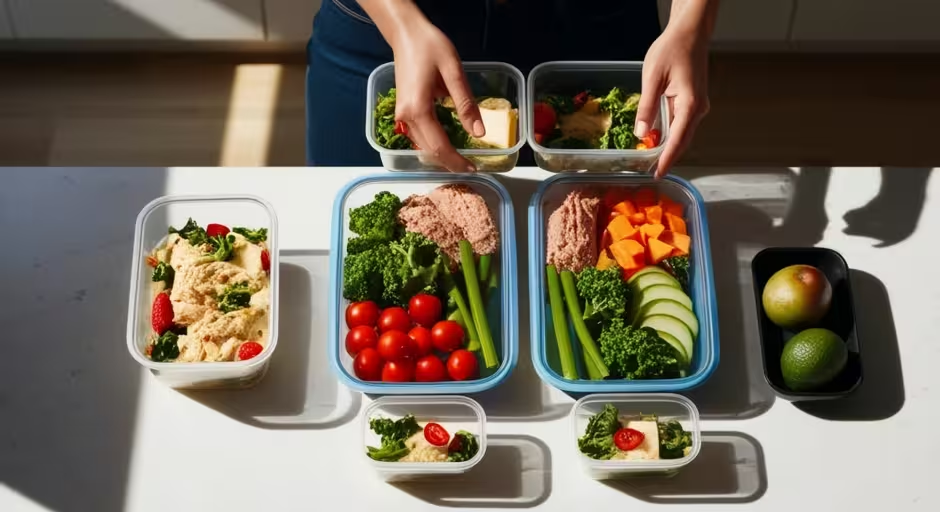
Getting Back to Normal Is More Important Than Making Up for It
After vacation, there’s often a strong temptation to do something drastic. People promise themselves they’ll skip meals, cut carbs, double their workouts, or spend the next week eating as little as possible. While that approach may feel productive, it usually creates more problems than it solves.
Extreme reactions often lead to frustration, hunger, and burnout. Before long, the cycle starts all over again. A much better approach is surprisingly simple. Get back to your normal routine.
Start drinking water consistently again. Prioritize protein. Eat balanced meals. Move your body. Get adequate sleep. Resume the habits that were supporting your progress before you left.
Most of the temporary fluctuations that occur during vacation begin resolving on their own when you return to your regular routine.
Why This Matters Even More With HealthiCare GLP-1 Support
For people using GLP-1 medications through HealthiCare, vacations often bring a different set of concerns. Many members worry that a few days away from their routine will somehow erase the progress they’ve worked so hard to achieve.
The reality is that sustainable weight loss isn’t built around perfection. It’s built around consistency over time.
One of the biggest advantages of the HealthiCare approach is that it focuses on helping members build habits that work in real life. Vacations, holidays, celebrations, and special occasions are all part of life, and learning how to navigate them is an important part of long-term success.
With HealthiCare, members receive support from licensed clinicians who help guide their journey, while the Healthi app, included free with membership, provides the structure needed to return to healthy habits after travel. Through meal tracking, the BITE system, and plans like Healthi Fresh, members have tools that make it easier to get back into their normal routine without feeling like they have to start over.
The goal isn’t to avoid vacations or spend them worrying about food. The goal is to build a lifestyle that’s flexible enough to include vacations while still supporting your long-term health and weight loss goals.
What Actually Matters
When you look back on your vacation a year from now, chances are you won’t remember what the scale said when you got home.
You’ll remember the places you visited, the people you spent time with, the experiences you had, and the memories you created. Weight loss is important, but it shouldn’t come at the expense of living your life.
A healthy lifestyle has to be flexible enough to make room for vacations, celebrations, and special moments. If your plan only works when life is perfectly structured, it’s going to feel difficult to maintain over the long run.
The most successful people aren’t the ones who never take vacations or never enjoy a restaurant meal. They’re the ones who understand that one week doesn’t define their journey.
Conclusion
Vacation weight often feels much more dramatic than it actually is. While the scale may temporarily increase after travel, that number rarely tells the full story.
Changes in water retention, sodium intake, carbohydrates, sleep, and routine can all influence your weight in the short term. What matters most isn’t what happened during a few days away. What matters is what you do when you return.
Instead of focusing on a temporary fluctuation, focus on getting back to the habits that support your goals. One vacation won’t ruin your progress, just like one healthy meal won’t create it. Long-term success comes from what you do consistently over time.
And sometimes, part of living a healthy life is enjoying the vacation in the first place.
Nutrition
Summer Meal Prep Ideas That Don’t Require Turning On the Oven
When it’s already 90 degrees outside, the last thing most people want to do is heat up the kitchen. The good news is that meal prep doesn’t have to involve hours of cooking to help you stay consistent with your goals.
Summer has a way of changing our routines.
The days get busier. Weekends fill up with vacations, cookouts, pool days, and last-minute plans. At the same time, the thought of standing over a hot stove or turning on the oven can feel completely unappealing. It’s hard to get excited about meal prep when your kitchen already feels warmer than you’d like.
Unfortunately, this is also the time of year when consistency can start slipping. Convenience foods become more tempting, takeout becomes more frequent, and grabbing whatever is easiest often replaces the healthy habits that were working so well a few months ago.
The good news is that meal prep doesn’t have to mean spending an entire Sunday cooking. Some of the easiest summer meals require very little cooking at all. In fact, a few simple ingredients and a little planning can help you build balanced meals that support your goals without making your kitchen feel like a sauna.
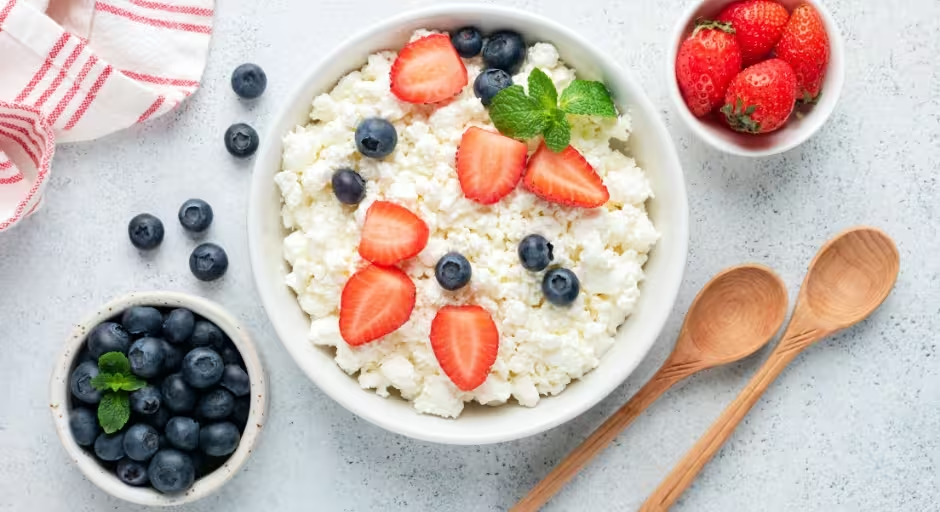
Meal Prep Doesn’t Have to Be Complicated
One of the biggest misconceptions about meal prep is that every meal needs to be fully prepared ahead of time.
For many people, that’s exactly why meal prep feels overwhelming. They picture stacks of containers filled with identical meals and hours spent cooking, portioning, and cleaning up afterward.
In reality, successful meal prep often looks much simpler.
Sometimes meal prep is simply having ingredients ready to go. When proteins are cooked, produce is washed, and a few easy staples are available, putting together a balanced meal takes only a few minutes. The goal isn’t perfection. The goal is making healthy choices easier when life gets busy.
Summer is actually a great time to simplify things because so many fresh foods are already ready to eat with very little preparation.
Build Meals Around Easy Protein Options
Protein is often the nutrient that gets overlooked when schedules become hectic.
Instead of cooking large meals every day, consider keeping a variety of convenient protein sources available throughout the week. Rotisserie chicken, canned tuna, grilled chicken prepared earlier in the week, hard-boiled eggs, Greek yogurt, cottage cheese, deli turkey, shrimp, and pre-cooked grilled chicken strips can all serve as quick meal foundations.
Once protein is covered, building the rest of the meal becomes much easier.
A container of rotisserie chicken can become a wrap one day, a salad the next day, and a protein-packed snack plate later in the week. Having versatile options available helps reduce decision fatigue and makes healthy eating feel far more manageable.
Simple No-Cook Lunches That Actually Fill You Up
One reason people often struggle with summer meals is that they rely too heavily on foods that don’t keep them full for very long. A balanced lunch should include protein, fiber, and healthy fats whenever possible. Fortunately, plenty of summer-friendly meals can accomplish that without requiring any cooking.
Greek yogurt parfaits layered with berries, chia seeds, and a small amount of granola make an easy meal or snack. Cottage cheese paired with fruit and nuts offers another protein-rich option.
Wraps are another simple solution. A whole-grain wrap filled with turkey, chicken, lettuce, tomato, and avocado comes together in minutes and travels well for busy days.
Large entrée salads can also be surprisingly satisfying when protein is included. Start with greens, add grilled chicken, shrimp, tuna, or hard-boiled eggs, then finish with vegetables, healthy fats, and a lighter dressing.
The key is making sure your meal contains enough substance to keep you satisfied rather than leaving you searching for snacks an hour later.
Snack Prep Can Make a Huge Difference
When temperatures rise and schedules become unpredictable, snacks often become the place where consistency starts to unravel. Having easy options prepared ahead of time can make healthy choices much easier when hunger strikes.
Fresh fruit containers, cut vegetables, string cheese, Greek yogurt cups, protein shakes, hard-boiled eggs, and portioned nuts all provide convenient options that require little effort during the week.
Protein snack boxes are another great summer meal prep idea. Combine turkey slices, cheese cubes, fruit, vegetables, and a handful of nuts into grab-and-go containers that work for lunches, snacks, or even lighter dinners on busy evenings.
These simple preparations may not feel exciting, but they often make the biggest difference when life gets hectic.
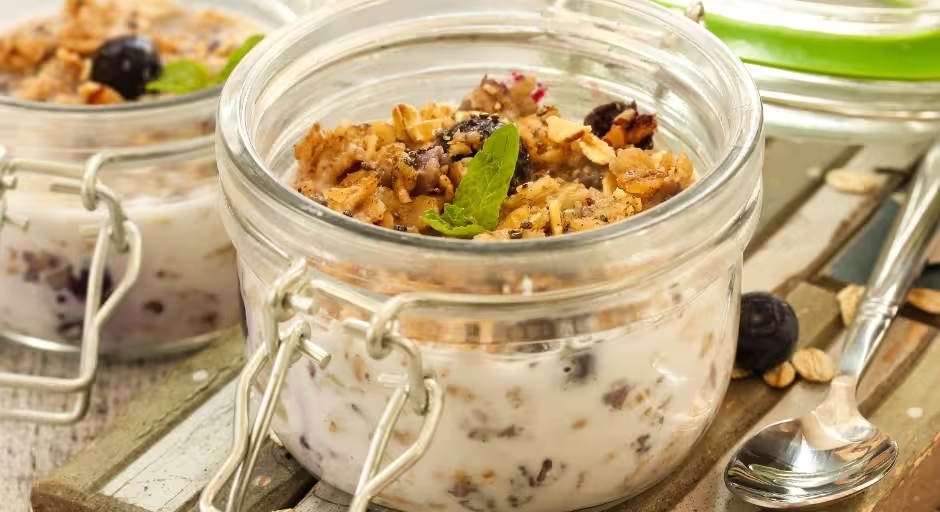
Don’t Forget About Overnight Oats
Overnight oats have become popular for good reason. They’re easy to prepare, completely customizable, and require no cooking at all. Better yet, they can be made several days in advance, making mornings significantly easier.
To make them more supportive of fat loss and satiety, focus on boosting the protein content. Greek yogurt, protein powder, Fairlife or protein milk, chia seeds, and hemp hearts can all help transform basic oats into a more balanced meal.
Add berries, peaches, or other seasonal fruits for natural sweetness and a little extra fiber. By morning, breakfast is already waiting in the refrigerator with virtually no effort required.
Consistency Beats Complexity
It’s easy to believe that healthy eating requires elaborate recipes and perfectly planned meals. In reality, consistency usually comes from simplicity.
The meals that support long-term success are often the meals you can repeat when you’re busy, tired, traveling, or simply not in the mood to cook. Summer is a perfect reminder that healthy eating doesn’t need to be complicated to be effective.
When you have a few reliable options available, it becomes much easier to stay on track without feeling like food is consuming your entire day.
Why This Works Especially Well for HealthiCare Members
If you’re using GLP-1 through HealthiCare, summer meal prep can become even more important.
One of the challenges many members face is that reduced appetite can make meal planning feel less urgent. Hunger isn’t always reminding you to eat, which can make it easier to skip meals, under-eat protein, or simply grab whatever is convenient.
Having easy, protein-focused meals prepared ahead of time removes much of that guesswork.
With HealthiCare, members receive guidance from licensed clinicians while also gaining access to the Healthi app at no additional cost. Using the BITE system, meal tracking tools, and plans like Healthi Fresh, which was designed specifically for GLP-1 users, members can build meals that prioritize protein, fiber, and balanced nutrition without overcomplicating the process.
The goal isn’t to spend your entire summer meal prepping. It’s to create enough structure that healthy choices remain easy, even when life gets busy.
Conclusion
Summer is meant to be enjoyed. It’s a season filled with vacations, family gatherings, outdoor activities, and long evenings spent making memories. Spending hours cooking in a hot kitchen isn’t always realistic, and fortunately, it doesn’t have to be.
A little preparation can go a long way. By keeping simple proteins on hand, prepping a few grab-and-go snacks, and relying on easy no-cook meals, you can stay consistent with your goals without sacrificing your summer.
The most effective meal prep plan isn’t necessarily the most impressive one. It’s the one you’ll actually use. And sometimes, that means keeping things simple enough to fit into real life.

Nutrition
Lifestyle
What to Eat at Summer Cookouts Without Feeling Restricted
Summer cookouts should feel like something you get to enjoy, not something you have to “recover” from. Learning how to navigate these events without guilt or restriction can make weight loss feel a lot more sustainable.
For a lot of people, summer cookouts create an unnecessary amount of stress. The invitation comes through, and almost immediately the mental calculations begin. What will be served? How much should I eat beforehand? Should I skip dessert? Will this completely derail my progress?
It’s easy to see why this happens. Diet culture has spent decades convincing us that social events and weight loss can’t peacefully coexist. Somewhere along the way, many people started believing they had to choose between enjoying themselves and staying on track.
The reality is much different.
Cookouts, BBQs, family reunions, graduation parties, and neighborhood gatherings are a realistic part of life. They aren’t obstacles standing in the way of your goals. They’re simply situations you’ll encounter while working toward them. Learning how to navigate these moments is actually an important part of building a healthy lifestyle.
The people who maintain their weight loss long term aren’t usually the people who avoid every social event. More often, they’re the people who learn how to participate without turning every gathering into an all-or-nothing situation.
The Problem Usually Starts Before the Food
One of the most common mistakes people make at cookouts actually has nothing to do with what’s on their plate. It starts hours before they arrive.
Many people assume they should “save up” calories for the event. Breakfast becomes smaller than usual. Lunch gets skipped. Water intake falls behind. The plan is to arrive with plenty of room for whatever food is available.
Unfortunately, this often creates the exact situation people are trying to avoid.
Showing up extremely hungry makes it harder to make intentional choices. Everything looks appealing. Portions become larger. Fullness cues become easier to miss. What could have been a relaxed meal suddenly feels like a race to satisfy hours of built-up hunger.
A much better approach is treating the cookout like any other meal in your day. Start with a protein-focused breakfast. Stay hydrated. Eat balanced meals beforehand. Arriving moderately hungry instead of starving allows you to enjoy the food without feeling like you’re trying to make up for lost time.
Satisfaction Matters More Than Most People Realize
One of the biggest reasons people struggle at social events is that they’re often focused entirely on eating the fewest calories possible.
On paper, that sounds like a smart strategy. In practice, it doesn’t always work very well.
Imagine someone really wants a burger fresh off the grill, but instead chooses a plain salad because it feels like the healthier option. They finish the salad, but they aren’t actually satisfied. An hour later they’re grabbing chips, picking at desserts, and snacking throughout the afternoon because they never really got what they wanted in the first place. In the end, they end up eating more calories than they would have had if they'd just had the burger.
This is where a lot of unnecessary guilt starts.
Healthy eating doesn’t require choosing the lowest-calorie item every time. Sometimes a balanced choice is the burger you’ve been looking forward to all week. Sometimes it’s the grilled chicken. Sometimes it’s a steak with a side of potato salad. Context matters.
The goal isn’t to prove how disciplined you can be. The goal is to enjoy your food while still making choices that support your overall health and weight loss goals.
Building a Balanced Plate Doesn’t Have to Be Complicated
When people hear the phrase “balanced plate,” they often picture something restrictive or boring. In reality, balance at a cookout can look surprisingly normal.
A grilled burger alongside fresh fruit and a serving of pasta salad can be a balanced meal. So can grilled chicken, baked beans, corn on the cob, and watermelon. Steak with mashed potatoes and a vegetable side works too.
Protein is often a great place to start because it helps support fullness and muscle maintenance. From there, adding fruits, vegetables, and a few favorite side dishes creates a meal that feels satisfying without requiring perfection.
Salads can absolutely be part of that balance, but they aren’t mandatory. And if you do choose a salad, it’s worth paying attention to toppings and dressings. Heavy creamy dressings, fried toppings, and large amounts of cheese can sometimes add more calories than the foods people are trying so hard to avoid.
Again, this doesn’t mean those foods are bad. It simply means awareness matters more than assumptions.

The Foods That Tend to Sneak Up on People
Interestingly, most people don’t leave a cookout thinking the burger ruined their progress.
More often, it’s the handfuls of chips while standing around talking. It’s taking a cookie every time you walk past the dessert table. It’s grabbing a few bites here and there that barely register because they never made it onto a plate.
There’s nothing wrong with enjoying chips, desserts, or appetizers from time to time. The challenge is that grazing often feels less satisfying than intentionally choosing the foods you actually want.
When you build a plate and sit down to enjoy it, you’re much more aware of what you’re eating. You get the enjoyment of the food without feeling like you spent the entire afternoon mindlessly snacking.
Most people are surprised by how much more satisfied they feel when they eat intentionally instead of continuously.
Weight Loss Should Still Include the Foods You Love
One of the biggest mindset shifts that helps people succeed long term is realizing that weight loss doesn’t require eliminating every favorite food.
If your grandmother makes a pie that only appears once every summer, have a small slice. If the homemade macaroni salad is your favorite part of every family cookout, enjoy some. If you’ve been looking forward to a burger all week, order the burger.
What matters most is what you’re doing consistently over time. A single meal rarely determines your success. Your overall habits do.
When healthy eating becomes so restrictive that it leaves no room for celebrations, family traditions, or favorite foods, it becomes difficult to maintain. Eventually, most people end up swinging between strict dieting and complete abandonment because neither extreme feels sustainable.
A balanced lifestyle allows room for both nutrition and enjoyment.
Why This Matters Even More With HealthiCare GLP-1 Support
For HealthiCare members using GLP-1 medications, summer cookouts can sometimes create a different challenge. Appetite is often lower than it used to be, which can make navigating social situations feel easier in some ways. At the same time, reduced hunger can make it easier to under-eat protein, skip meals earlier in the day, or fall behind on hydration without realizing it.
This is one reason HealthiCare focuses on more than medication alone. Members receive support from licensed clinicians who help guide their progress while building habits that support long-term success. The goal isn’t simply to eat less. It’s to create a healthy, sustainable lifestyle that supports fat loss while preserving muscle, energy, and overall well-being.
Members also receive the Healthi app free with their HealthiCare membership. Through meal tracking, the BITE system, and plans like Healthi Fresh, which was specifically designed for GLP-1 users, it’s easier to stay aware of nutrition while still allowing flexibility for real-life situations like vacations, restaurants, and summer cookouts.
The Healthi app’s Restaurant Guide can also be especially helpful throughout the summer. Whether you’re eating out after a BBQ, traveling for vacation, or grabbing dinner with friends, you can search restaurants and find menu items that fit within your daily BITE budget. The Healthi blog also offers hundreds of restaurant guides that can be searched by restaurant name, helping you make informed choices without spending hours researching menus on your own.
Conclusion
Summer cookouts don’t have to be something you fear, avoid, or try to compensate for afterward. They’re part of life, and learning how to enjoy them is part of building a lifestyle that actually lasts.
When you stop viewing every social event as a test of willpower, everything starts to feel more manageable. You can enjoy the burger, have dessert if you want it, spend time with friends and family, and still continue making progress toward your goals.
The healthiest approach is usually the one that’s realistic enough to repeat. And a lifestyle that includes summer cookouts, favorite foods, and meaningful celebrations is far more realistic than one that asks you to sit on the sidelines every time life happens.
Lifestyle
June Reset: You Don’t Have to Do It All
Motherhood can make it feel like you have to do everything for everyone—but what if that mindset is exactly what’s burning you out? Coach Delicia shares a powerful reminder about boundaries, burnout, and why taking care of yourself is one of the most responsible things you can do for your family.
Happy June, Healthi friends! Coach Delicia here.
We are officially heading into summer here in Colorado. The days are longer, the trails are calling, and the pace of life feels like it’s accelerating.
I’ve had some pretty big realizations over the last few months of motherhood. If you’ve been following my journey, you know I started this year in high gear. I wanted to be the perfect wife, the perfect mom, the perfect coach, and the perfect housekeeper. I felt like if I wasn’t doing everything for my son and my husband, then I wasn’t doing my job.
But lately, I had to stop and take an honest look in the mirror. I was spiraling. I was exhausted, I was becoming resentful, and I was starting to tell myself a very dangerous story: Nobody can function without me.
If you’ve ever felt that way, I’m here to tell you something that might sting a little: that is a terrible way of thinking. It isn’t humble, and it certainly isn’t heroic. In reality, it’s often a sign that we’re putting far too much pressure on ourselves and overestimating our role in holding everything together.

The Ego Trap of "Doing It All"
We like to tell ourselves that we’re sacrificing when we constantly pour from an empty cup. We convince ourselves that we’re being selfless by taking on everything and asking for nothing in return. But if we’re honest, that’s not always what’s happening.
Sometimes, we want to be the hero. We want to be the person who holds it all together. We want to be the one everyone depends on. We begin to believe that if we stop carrying everything, it will all fall apart.
When we operate from that mindset, we’re often acting out of obligation, perfectionism, or even ego—not love.
That realization was difficult for me. I truly believed I was serving my family by doing everything myself. But eventually, I had to admit that trying to be everything to everyone wasn't making me a better wife or mom. It was making me tired, frustrated, and disconnected.
Why Your "Sacrifice" Can Become a Burden
Here’s the hard truth: if you run yourself into the ground trying to be everything to everyone, you’re not protecting your family. You’re creating a situation where they may eventually have to carry the burden for you.
If you ignore your health, skip rest, and put your own needs at the bottom of the list year after year, your body will eventually push back. Burnout, illness, exhaustion, and chronic stress don't just affect you—they affect everyone around you.
When we neglect ourselves in the name of helping others, we often end up needing the very support we refused to give ourselves.
Your family doesn't need a superhero. They need a healthy, present version of you.
Boundaries Are a Form of Love
One of the biggest lessons I’m learning in this season of motherhood is that boundaries are not selfish. I had to come to terms with the fact that I am not all-powerful. I am simply a person, and that's okay.
When I say no to unnecessary obligations, choose to sit down and eat a nourishing meal, or take time to rest, I’m not taking something away from my family. I’m investing in my ability to show up for them tomorrow, next month, and years from now.
Boundaries aren’t acts of rebellion. They’re acts of stewardship. The healthier I am physically, emotionally, and mentally, the more I have to give to the people I love.

Choosing What Matters Most
I’m learning that not everything deserves my energy.
My son doesn’t need a mother who is constantly running herself ragged trying to prove her worth through productivity. He doesn’t need a spotless house or a perfectly completed to-do list.
He needs a mom who is present. He needs a mom who laughs, plays, listens, and enjoys the moments that pass far too quickly. The same is true for all of us. The goal isn't to do everything. The goal is to do what matters most.
This month, I want you to take a look at your own to-do list and ask yourself:
- Am I doing this because it truly needs to be done?
- Or am I doing this because I feel like I have to be the hero?
- Is this helping my family, or is it draining me?
- Will this boundary help me become a healthier, happier version of myself?
Those questions can be powerful.
A Final Thought
As we move into summer, I want to challenge you to stop measuring your worth by how much you can carry. Your value does not come from exhaustion. Your value does not come from doing everything yourself. Your value comes from who you are, not how much you accomplish.
Taking care of yourself is not selfish. It’s responsible. In fact, it’s one of the greatest gifts you can give to the people who depend on you. When your cup is full, you have more patience, more energy, more joy, and more capacity to show up for the people you love.
It’s time to stop trying to be the person who does it all and start being the person who does what actually matters. Give yourself permission to be human—because caring for yourself is truly one of the most responsible things you can do for the people who rely on you.
So this June, give yourself permission to be human. Let something wait. Ask for help. Set a boundary. Take the walk. Eat the meal. Prioritize your health.
Because the people who love you don’t need a superhero.
They just need you.

Lifestyle
The ‘I’ll Start Monday’ Trap — And How to Stop Falling Into It
If you’ve ever told yourself you’ll start fresh on Monday, you’re not alone. The problem isn’t the intention behind it. It’s what usually happens between now and then.
Almost everyone who has tried to lose weight has said it at some point.
“I’ll start Monday.”
Sometimes it’s after a vacation. Sometimes it’s after a holiday, a stressful week, a weekend of eating out, or a day that simply didn’t go as planned. The thought feels productive in the moment because it creates the feeling that a plan is in place. Monday becomes a clean slate, a fresh start, and a chance to finally get everything right.
The problem is that this mindset often creates a cycle that’s difficult to escape.
Instead of making one small adjustment today, we push responsibility into the future. Then, because we’re “starting over” on Monday, it’s easy to spend the days leading up to it making choices we wouldn’t normally make. One indulgent meal turns into an indulgent weekend. One off-plan day becomes several. By the time Monday arrives, we’re not only trying to restart our habits, but we’re also trying to recover from several days of decisions that left us feeling frustrated and discouraged.
The truth is, weight loss doesn’t happen because of what you do on Mondays. It happens because of what you do consistently over time.
Why We Keep Falling Into the Monday Mindset
There’s something appealing about the idea of a fresh start. It gives us the sense that we’re wiping the slate clean and beginning again with renewed motivation.
The challenge is that life doesn’t actually operate in clean slates.
The habits that support weight loss aren’t dependent on the day of the week. Your body doesn’t suddenly become more capable of making progress because it’s Monday morning. In fact, waiting for the “perfect” time to start often delays progress that could have begun with one simple choice today.
Many people think they’re struggling with consistency when they’re really struggling with perfectionism. If the day doesn’t go exactly as planned, they assume the day is ruined. Once the day feels ruined, there’s no reason to keep trying. Then Monday becomes the next opportunity to do everything perfectly again.
Unfortunately, that approach creates more starting over than actual progress.
One Meal Is Not a Reason to Restart
One of the biggest misconceptions in weight loss is that a single meal has the power to completely derail your results.
It doesn’t.
A burger at a cookout doesn’t erase your progress. A slice of birthday cake doesn’t undo weeks of healthy habits. A restaurant meal doesn’t cancel out every balanced choice you’ve made leading up to it.
What often creates setbacks is the response to those moments.
When people believe they’ve “blown it,” they’re more likely to continue making choices that don’t align with their goals because they plan to start over later. What could have been one higher-calorie meal turns into an entire weekend of abandoning healthy habits.
A much more productive approach is treating each meal as its own opportunity. If lunch wasn’t what you planned, dinner still matters. If yesterday wasn’t ideal, today still counts.
Progress is built through the next choice, not through waiting for the perfect opportunity to begin again.
Consistency Looks Different Than Most People Expect
Many people imagine consistency as never missing a workout, never eating dessert, and never having an off day.
In reality, consistency looks much less dramatic than that.
Consistency is getting back to your routine after vacation. It’s choosing a balanced breakfast after a night out. It’s taking a walk even when you don’t feel like doing a full workout. It’s tracking your meals honestly after a weekend where things felt less structured.
The people who are successful long-term aren’t usually the people who avoid mistakes. They’re the people who stop treating mistakes like reasons to quit.
They understand that healthy habits are built over months and years, not judged meal by meal.
The Better Question to Ask Yourself
Instead of asking, “How do I start over on Monday?” try asking a different question:
“What is one thing I can do right now that moves me closer to my goal?”
Sometimes that answer is drinking a glass of water. Sometimes it’s choosing a protein-focused meal. Sometimes it’s taking a short walk around the neighborhood. Sometimes it’s simply tracking the meal you already ate instead of pretending it didn’t happen.
These actions may seem small, but they create momentum. And momentum is often far more valuable than waiting for motivation.
The goal isn’t to fix everything at once. It’s to keep moving forward, even in small ways.
Why Structure Matters More Than Motivation
A lot of the Monday mindset comes from relying too heavily on motivation.
Monday feels powerful because motivation is usually high. You’re ready for a fresh start, excited about your goals, and eager to do better than you did last week.
The problem is that motivation naturally fluctuates. It may be strong on Monday morning and significantly lower by Thursday afternoon.
This is why structure matters so much.
When healthy habits are already built into your routine, you don’t have to constantly decide whether or not you’re going to follow through. You simply continue doing the things you’ve already planned to do. Meal tracking, movement, hydration, meal preparation, and consistent eating patterns become part of your day rather than decisions that depend on how motivated you feel.
The less you rely on motivation, the less likely you are to find yourself waiting for another Monday.
Why This Matters Even More With HealthiCare GLP-1 Support
If you’re using GLP-1 through HealthiCare, it’s easy to assume the medication should eliminate the need for consistency. While GLP-1 can absolutely help reduce appetite and quiet food noise, real-life situations still happen. Vacations, celebrations, stressful weeks, and unexpected schedule changes don’t disappear simply because you’re taking medication.
That’s why HealthiCare focuses on more than just weight loss medication. Members receive support from licensed clinicians while also getting the Healthi app included free with their membership. Through meal tracking, the BITE system, and structured plans like Healthi Fresh, you have tools that help create consistency even when life isn’t perfectly organized.
The goal isn’t to be perfect every day. It’s to build habits that make it easier to stay connected to your goals, even after an off meal, an off day, or an off weekend.
When you have structure in place, there’s no need to wait for Monday. You can simply make the next choice and keep moving forward.

Conclusion
The “I’ll start Monday” mindset feels harmless, but it often keeps people stuck in a cycle of stopping and restarting instead of building true consistency.
Weight loss doesn’t require perfect weeks, perfect weekends, or perfect choices. It requires a willingness to keep going, even when things don’t go according to plan. The next time you’re tempted to wait until Monday, remember that progress isn’t hiding somewhere in the future. It’s available in the next choice you make.
And often, that choice is enough to keep you moving in the right direction.

Lifestyle
How a Weight Loss Coach Can Make a Difference
What if the missing piece in your weight loss journey isn’t another diet, but the right support? Coach Jeri shares how coaching, accountability, and connecting with others who truly understand your struggles can help you break the cycle of losing and gaining and build lasting success.
Hi, Coach Jeri here!
Today, I want to talk about how coaching can make a significant difference in your weight loss journey.
Many people, myself included, struggle with the constant cycle of losing weight, gaining it back, and starting over again. We travel from one plan to the next, often finding ourselves stuck in a frustrating circle and ending up right back where we started.
A coach and a meeting group can help break that cycle. One of the most valuable things they provide is understanding. Being around people who can identify with your struggles creates a sense of inclusion and support. Isolation is the enemy of success, and having a coach or meeting group can give you a feeling of belonging and remind you that you are not alone.
Before we go any further, I want to make one thing clear: coaches are not therapists. Coaches do not diagnose or provide therapy. What coaches do is help you focus on moving forward. They help bridge the gap between where you are today and where you want to be tomorrow.

The Value of Shared Experience
Many times, the people who love us the most simply do not understand food noise, cravings, emotional eating, or the complicated history many of us have with food.
I often tell members that my husband forgets to eat lunch. I have never forgotten to eat lunch! I also share that I lost and regained the same weight for most of my adult life. I want members to know that I understand their struggles because I have lived them myself.
While a therapist may help uncover root causes, a coach often brings personal experience with weight loss challenges, setbacks, and successes. That shared experience can help members feel understood rather than judged.
Research has shown that having a coach can help accelerate weight loss, increase confidence, and encourage more physical activity. When people feel better about themselves, they often become more engaged in life and more willing to participate in activities they may have previously avoided.
Think about it this way: most athletes have coaches. Coaches help guide them toward success by providing strategies, encouragement, accountability, and direction. The same principles can apply to a weight loss journey.
Finding the Right Support
Finding a good eating plan is only half the battle.
There are countless plans that can help people lose weight. Some individuals can choose a plan, follow it, and achieve success on their own. However, many people struggle with cravings, food noise, emotional eating, or discouragement when progress slows down.
When a setback happens, they often give up and find themselves right back in the cycle of losing and gaining.
This is where coaching can make a difference.
Benefits of Working with a Weight Loss Coach
A weight loss coach can help you:
- Discuss different eating plans and choose one that fits your lifestyle.
- Learn how to read food labels, understand serving sizes, and manage portions.
- Discover healthier food choices, swaps, substitutions, and alternatives.
- Learn how to lighten up favorite recipes without sacrificing enjoyment.
- Receive ongoing support, encouragement, and understanding.
- Set small, realistic, and achievable goals.
- Understand the risks of overly restrictive eating, bingeing, and fad diets.
- Develop strategies for coping with cravings.
- Learn what successful maintenance looks like after weight loss.
- Build a healthier relationship with food and improve self-worth.
- Gain a cheerleader in your pocket who is rooting for your success.

Why Coaching Matters
I personally had a wonderful coach who made all the difference for me. That experience helped shape the coach I am today.
Because I have been through many of the same struggles, I can relate to members in a meaningful way. Through honesty and shared experience, I strive to provide guidance, encouragement, and hope.
One of the most powerful discoveries people make is realizing they are not alone. Many successful members have told me that attending meetings and working with a coach was the key to their success.
I truly love being a coach. I get to watch members grow, gain confidence, and discover their own strength. Their progress inspires me just as much as I hope my guidance inspires them.
You Don’t Have to Do It Alone
Everyone wants to be strong and self-reliant. But if you feel like you are drowning, why not reach out for support?
Coaching and meetings may not be for everyone, but the support, hope, accountability, and guidance they provide can help you find the path that works for you.
Most members find it helpful to share this part of their lives with people who truly understand what they are going through. Meetings and coaching have a long history of helping people create meaningful and lasting change.
Many of us feel lonely when we believe nobody understands our struggles. Discovering that others share similar experiences can ease that loneliness and provide comfort and motivation.
Accepting support and being willing to listen can only benefit you in the long run. The more you share, the more you learn about yourself. And the more insight you gain, the better equipped you become to build and maintain a healthy lifestyle for years to come.
Weight Loss Tips
Lifestyle
Summer Weight Loss Habits That Actually Feel Realistic
Summer doesn’t have to be the season where you either stay perfectly on track or completely abandon your goals. A few simple habits can help you enjoy vacations, cookouts, and long weekends while still making progress.
Every year, summer seems to come with a unique kind of pressure when you’re trying to lose weight. On one hand, it’s a season filled with opportunities to be active, spend time outdoors, and enjoy fresh foods. On the other hand, it’s also packed with vacations, BBQs, ice cream stops, family gatherings, and spontaneous plans that can make consistency feel more challenging.
Many people enter the summer months with good intentions. They promise themselves they’ll stay focused, make healthy choices, and keep moving toward their goals. Then life happens. A weekend trip turns into several restaurant meals. A cookout becomes a full day of snacking. A busy schedule leaves little time for meal prep or workouts. Before long, it can feel like progress is slipping away.
The good news is that successful weight loss doesn’t require a perfect summer. In fact, the habits that tend to work best are often the ones that leave room for real life. Rather than trying to control every meal or avoid every treat, it’s more helpful to focus on a handful of realistic habits that support your goals while still allowing you to enjoy the season.
Focus on Protein Before Perfection
One of the simplest habits you can carry through the summer is prioritizing protein at most meals. This isn’t about eating perfectly or tracking every gram. It’s about making sure your meals include foods that help keep you full, support muscle maintenance, and provide steady energy throughout the day.
Summer schedules can be unpredictable. You might find yourself grabbing meals on the go, eating at restaurants more often, or attending events where food choices are limited. In those situations, looking for a protein source first can make decision-making much easier.
That might mean choosing grilled chicken at a restaurant, adding Greek yogurt to breakfast, grabbing a protein shake on a busy morning, or building your plate around lean meats at a cookout. Small choices like these can help create balance without making food feel complicated.

Keep Walking, Even When Workouts Aren’t Perfect
Many people assume they need a structured exercise plan to stay on track during the summer. While workouts certainly have value, walking is often one of the most underrated habits for maintaining momentum.
Summer naturally creates more opportunities to move. Family walks, trips to the zoo, outdoor festivals, vacations, beach days, and evening strolls all contribute to your overall activity level. Rather than focusing on whether you’re following the perfect workout program, it can be helpful to look for opportunities to stay generally active throughout the day.
Walking is approachable, sustainable, and easy to fit into most schedules. It also tends to feel less intimidating during busy seasons when time and energy may be limited.
Stop Saving All Your Calories for Later
One common mistake during the summer is intentionally eating very little throughout the day because you know there’s a party, cookout, or dinner planned later.
While this seems logical on the surface, it often backfires. By the time the event arrives, you’re extremely hungry, making it much harder to listen to fullness cues or make intentional choices.
A better approach is to eat balanced meals throughout the day and arrive at social events comfortably satisfied rather than starving. Having protein, fiber, and hydration earlier in the day can help you enjoy the foods you want without feeling like you’re playing catch-up later.
This habit alone can make summer gatherings feel much less stressful.
Make Hydration a Daily Priority
Hot weather, outdoor activities, travel, and busy schedules can make it surprisingly easy to fall behind on hydration.
Many people don’t realize how much dehydration can affect energy levels, hunger cues, and overall well-being. Sometimes what feels like hunger is actually thirst. Other times, dehydration simply leaves you feeling sluggish and less motivated to stay active.
Carrying a water bottle, keeping water visible throughout the day, or setting simple hydration goals can help make drinking water more automatic. You don’t need to obsess over exact numbers, but being intentional about hydration often makes a noticeable difference in how you feel.

Let Go of the “I’ll Start Over Monday” Mentality
Summer weekends tend to be packed with activities, and it’s easy to fall into the trap of treating one indulgent meal as a reason to give up on the rest of the weekend.
This mindset creates far more problems than the meal itself ever could.
One BBQ, one dessert, or one restaurant meal does not erase your progress. What often causes setbacks is turning a single choice into several days of completely abandoning the habits that normally help you feel your best.
The people who maintain progress long term aren’t the ones who eat perfectly. They’re the ones who return to their routine quickly after life happens. A balanced breakfast the next morning, a walk after dinner, or simply getting back to your normal habits can make a much bigger difference than trying to compensate for a meal you enjoyed.
Build Habits That Work on Busy Days
The most successful summer habits are usually the simplest ones. Rather than creating an ambitious plan that only works when life is calm, focus on habits that still work when your schedule gets busy.
This might include keeping easy protein options available, having a few go-to restaurant meals, taking a daily walk, tracking meals consistently, or planning simple dinners for hectic evenings.
The goal is not to create the perfect routine. The goal is to create one that survives real life.
When habits are realistic enough to continue during vacations, long weekends, and busy schedules, they become much easier to maintain throughout the entire year.
Why This Matters Even More With HealthiCare GLP-1 Support
If you’re using GLP-1 through HealthiCare, summer can bring its own set of challenges. While the medication can help reduce appetite and quiet food noise, it doesn’t eliminate the need for structure and consistency.
In fact, lower appetite sometimes makes it easier to unintentionally skip meals, under-eat protein, or lose track of hydration during busy summer days. That’s why focusing on simple habits becomes so important.
With HealthiCare, you’re supported by licensed clinicians who help guide your journey while the Healthi app, included free with your membership, provides the tools to stay consistent day to day. Through meal tracking, the BITE system, and plans like Healthi Fresh, you can maintain awareness of your nutrition without feeling restricted.
The goal isn’t to create a perfect summer eating plan. It’s to build habits that support your body, your energy, and your long-term success while still allowing you to enjoy the season.
Conclusion
Summer doesn’t have to be a season of starting over every Monday or waiting until fall to get serious again. Some of the most effective weight loss habits are also the simplest: prioritizing protein, staying active, drinking water, maintaining a basic routine, and returning to your habits after inevitable detours.
Progress rarely comes from perfection. More often, it comes from consistently doing a few important things well enough, even when life gets busy.
The habits that feel realistic are usually the ones that last. And the habits that last are the ones that ultimately lead to long-term success.

Weight Loss Tips
The Hidden Ways Stress Impacts Your Weight Loss
Stress doesn’t just affect your mood. It can influence your sleep, energy, hunger levels, food choices, and daily habits in ways that make weight loss feel much harder than it needs to be.
When most people think about obstacles to weight loss, they usually focus on food and exercise. They wonder if they’re eating too much, moving too little, or following the wrong plan. What often gets overlooked is the role stress plays in the process.
Stress is a realistic part of life. Busy schedules, work responsibilities, family obligations, financial pressures, and unexpected challenges are things most of us experience regularly. While these situations may seem unrelated to weight loss, they can have a significant impact on the choices we make throughout the day and how our bodies respond over time.
Many people assume they need more discipline when progress slows. In reality, the issue may have less to do with willpower and more to do with the physical and mental effects of prolonged stress. Understanding those effects can help you respond more effectively and build habits that continue working even during life’s busiest seasons.
Stress Changes How You Make Decisions
One of the first places stress tends to show up is in decision-making. When you’re mentally overwhelmed, even simple choices can start to feel exhausting. By the end of a stressful day, deciding what to make for dinner, whether to work out, or what to pack for lunch tomorrow can feel like one more thing on an already full plate.
This is one reason people often find themselves reaching for convenience foods during stressful periods. It’s not necessarily because they suddenly stopped caring about their goals. More often, they’re operating with less mental bandwidth. When energy is limited, quick and easy options naturally become more appealing.
This is also why structure can be so powerful. Having go-to meals, a simple grocery list, or a routine that removes some of the daily decision-making can help you stay consistent even when life feels overwhelming.
Stress Can Affect Hunger in Different Ways
A lot of people associate stress with emotional eating, but the relationship between stress and appetite isn’t always that straightforward.
Some people find themselves eating more when they’re stressed. Cravings for highly palatable foods often increase, and it can feel harder to stop once they start eating. Others experience the opposite effect and lose their appetite entirely, only to find themselves extremely hungry later in the day after unintentionally skipping meals.
Both situations can make it harder to stay consistent with balanced eating habits. When meals become irregular, energy levels often fluctuate, hunger cues become less predictable, and it becomes easier to make choices based on convenience rather than intention.
Paying attention to regular meals, protein intake, and hydration can help create stability during stressful periods, even when your appetite feels different than usual.
Sleep Often Takes the Biggest Hit
One of the most overlooked ways stress affects weight loss is through sleep. When stress levels stay elevated, it can become harder to fall asleep, stay asleep, or get truly restorative rest. Even if you’re spending enough hours in bed, poor-quality sleep can leave you feeling exhausted the next day.
That fatigue often impacts far more than energy levels. Many people notice stronger cravings, increased hunger, reduced motivation to be active, and a greater desire for quick sources of energy like sugary snacks or extra caffeine. Over time, those small changes can add up and make healthy habits feel significantly harder to maintain.
This doesn’t mean every poor night’s sleep will derail your progress. However, if stress is consistently affecting your ability to recover, it may be worth addressing sleep habits before assuming your nutrition plan is the problem.

Stress Can Reduce Movement Without You Realizing It
Most people don’t suddenly stop exercising when they’re stressed. What often happens is far more subtle.
You take fewer walks. You spend more time sitting. You park a little closer. You skip a workout because you’re exhausted. You choose rest over movement more often because your body and mind are already feeling drained.
None of these decisions are inherently bad. In fact, sometimes rest is exactly what you need. The challenge is that when stress continues for weeks or months, these small reductions in activity can accumulate without you even noticing.
This is why focusing on daily movement rather than perfect workouts can be helpful during stressful seasons. A short walk, some stretching, or simply finding ways to move throughout the day can help maintain consistency without adding more pressure to an already stressful situation.
The Goal Isn’t Eliminating Stress
One of the biggest mistakes people make is believing they need a stress-free life before they can be successful with weight loss. If that were true, very few people would ever reach their goals.
The reality is that stressful seasons are a normal part of life. There will always be busy weeks, unexpected challenges, family obligations, travel, deadlines, and moments when things don’t go according to plan.
Rather than waiting for life to calm down, it’s often more helpful to build habits that can adapt to those situations. This might mean simplifying meals, lowering the intensity of your workouts temporarily, prioritizing sleep, or focusing on a few key habits instead of trying to do everything perfectly.
The people who stay consistent long term are not usually the people with the least stress. They’re often the people who have learned how to adjust without completely abandoning their routines.
Why This Matters Even More With HealthiCare GLP-1 Support
If you’re using GLP-1 medications through HealthiCare, stress can still influence your progress in important ways. While GLP-1 can help reduce appetite and quiet food noise, it doesn’t eliminate the effects stress can have on sleep, energy, hydration, movement, or daily routines.
This is one reason HealthiCare focuses on more than medication alone. Members receive support from licensed clinicians while also gaining access to the Healthi app at no additional cost. Through meal tracking, the BITE system, and structured plans like Healthi Fresh, members have tools that help create consistency even when life feels busy.
When stress levels rise, having a simple system already in place can make healthy choices feel much more manageable. Instead of relying on motivation or willpower alone, you’re able to lean on habits and routines that continue working even during challenging seasons.
Conclusion
Stress affects much more than your mood. It can influence your sleep, appetite, energy, activity levels, and the decisions you make throughout the day. When several of those factors are affected at the same time, weight loss can start to feel more difficult, even when you’re putting in a genuine effort.
Understanding that connection can be incredibly helpful because it shifts the focus away from blame and toward problem-solving. Instead of assuming you need more discipline, you can begin looking at the bigger picture and identifying where stress may be creating obstacles behind the scenes.
Weight loss is not just about what you’re eating or how much you’re exercising. It’s also about creating habits and systems that can support you through real life, including the stressful parts.

Lifestyle
How to Stay Consistent When Life Feels Chaotic
Consistency doesn’t fall apart because you “lack discipline.” It usually falls apart because life gets messy and your routine wasn’t built for messy days.
There’s a certain version of consistency that looks great on paper. It’s organized, predictable, and structured in a way that assumes your days will cooperate with your plans. But real life rarely works like that.
Some weeks are calm and structured, where everything feels easier to manage. Then there are weeks where everything happens at once. Work gets overwhelming, family needs increase, sleep gets disrupted, stress builds, and suddenly the routines that felt easy before start slipping.
This is usually where people assume they’ve fallen off track. They start thinking they need to “get back on it,” start over, or wait until life calms down before trying again. But life doesn’t always pause long enough for that reset to happen.
The goal isn’t to stay perfectly consistent when life is chaotic. The goal is to stay connected to your habits in a way that still works when things are not ideal.
And that requires a different kind of strategy.

Consistency Isn’t All-or-Nothing
One of the biggest mindset shifts is realizing that consistency isn't an on/off switch. It’s not something you either have or lose depending on how perfect your week is going. In reality, consistency is about patterns over time, not perfect execution every day. That means even small actions still matter, especially during stressful periods.
A shorter walk still counts. A simple meal still counts. Tracking part of your day still counts. The goal during chaotic seasons is to keep enough structure in place so that you don’t completely disconnect from your habits. Those habits are what keep holding you up day in and day out.
When you stop expecting perfection, it becomes much easier to stay engaged instead of quitting entirely.
Shrink the Routine, Don’t Abandon It
When life gets busy, most people make one of two choices. They either try to maintain their full routine and burn out quickly, or they abandon it completely and plan to restart later. There’s a middle ground that works much better.
Instead of doing everything, focus on the core habits that actually keep you grounded. That might look like prioritizing protein at meals, going for a short daily walk, drinking enough water, and doing a basic check-in with your meals or tracking.
This “minimum version” of your routine keeps you connected without overwhelming you. It’s not about doing less forever. It’s about adjusting your expectations so you can stay consistent even when life demands more from you.
Once things calm down, you can build back up again. But you never fully start over.
Lower the Bar, Not the Standard
There’s a difference between lowering your standard and lowering the intensity of your plan. Your standard might be consistency, but the way you achieve it can shift depending on your season of life.
On chaotic days, your standard might simply be “don’t completely abandon my habits.” That could mean a quick meal instead of skipping food entirely, a 10-minute walk instead of a full workout, or choosing simpler meals instead of cooking a three course meal that takes an hour and a half to prepare.
This approach removes the pressure of doing everything right and replaces it with something much more realistic: staying in motion.
Progress doesn’t require perfect conditions. It requires continued effort, even in smaller amounts.
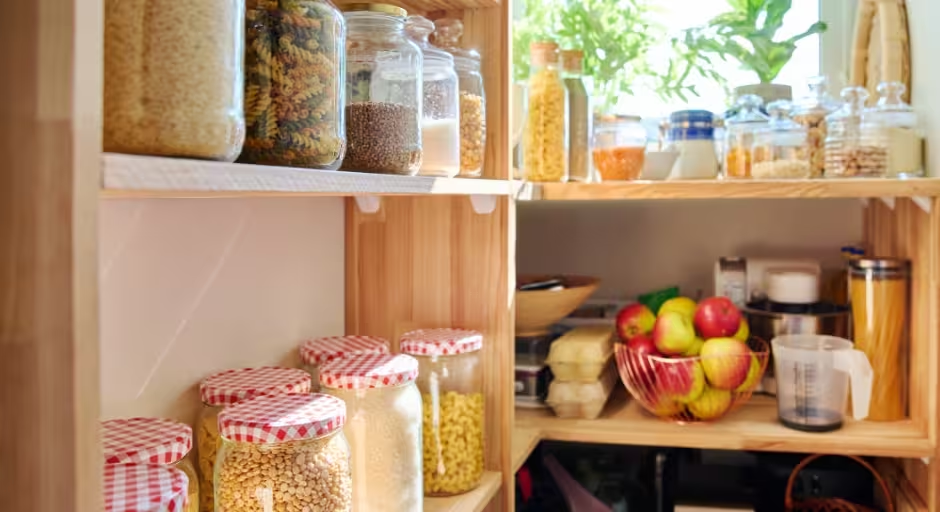
Your Environment Matters More in Busy Seasons
When life gets chaotic, your environment starts doing more of the work for you, or against you.
If everything requires effort and decision-making, consistency becomes harder to maintain. But when your environment is set up to make good choices easier, you reduce the mental load during stressful times.
That might look like keeping easy protein options available, having go-to meals saved, setting reminders, or using tools that reduce decision fatigue. Even small things like pre-planning a few meals or keeping your routine visible can make a difference when your mind is already full.
The goal is to make the healthy choice the easier choice, especially when energy is limited.
Why This Matters Even More on GLP-1
If you’re using GLP-1 medications through HealthiCare, chaotic seasons can show up a little differently. Because appetite is reduced, it can become even easier to unintentionally skip meals, under-eat protein, or lose track of routines when life gets overwhelming.
That’s why structure becomes even more important, not less.
With HealthiCare, you’re supported by licensed clinicians who help guide your progress while the Healthi app gives you practical tools to stay grounded in your habits. Using the BITE system and structured plans like Healthi Fresh, you’re able to maintain consistency even when your appetite, schedule, or energy levels are unpredictable.
Instead of relying on motivation or perfect conditions, you have a system that helps you stay connected to your goals in a realistic way, even during busy or stressful seasons.
Conclusion
Chaotic seasons are part of life, not a break from it. Consistency isn’t about doing everything perfectly when life is calm. It’s about staying connected to your habits even when it isn’t.
When you stop trying to force perfection and start focusing on simple, flexible routines, consistency becomes something you can actually maintain instead of something you constantly restart.
You don’t need perfect weeks to make progress. You just need habits that still work when life doesn’t.

Weight Loss Tips
Lifestyle
Why You’re Always Tired on a Diet (And How to Fix It)
If your diet is making you feel constantly drained, sluggish, and low-energy, WAKE UP! Your body is trying to tell you something.
One of the most common things people don’t expect when they start trying to lose weight is how tired they suddenly feel. At first, there’s usually a burst of motivation and structure, but after a few days or weeks, energy starts to dip. Workouts feel harder, afternoons feel heavier, and even simple daily tasks start to feel like they take more effort than they should.
A lot of people assume this is just part of dieting. They think fatigue is the price you pay for progress, so they try to push through it with more caffeine, stricter rules, or even less food. But that approach usually makes things worse, not better.
Constant tiredness during weight loss is usually not a sign that your body is “failing.” It’s more often a sign that something about your current routine isn’t supporting your energy needs properly. When your body doesn’t have enough fuel, balance, or recovery, it’s going to show up as fatigue.
The good news is that you can adjust this. Once you understand what’s actually driving the energy drop, it becomes much easier to fix.
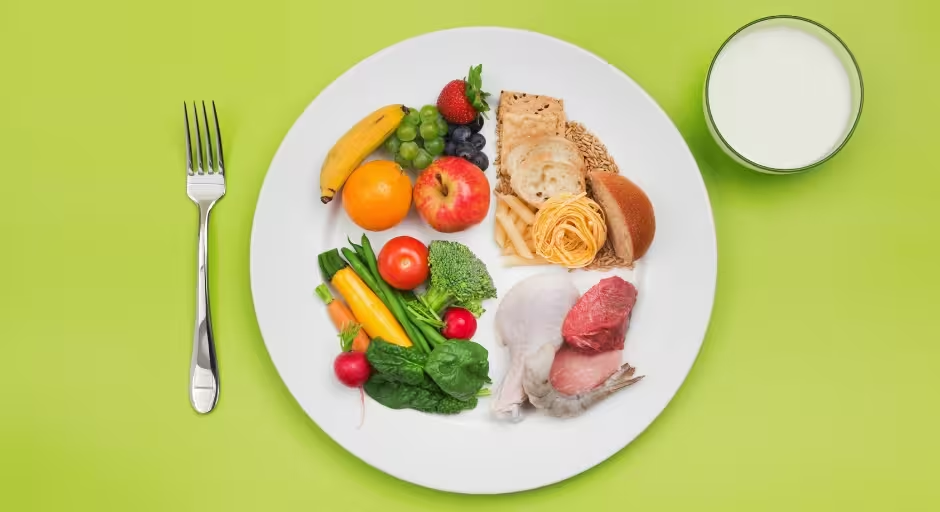
You Might Not Be Eating Enough Overall
One of the biggest reasons people feel exhausted on a diet is simply under-eating. This doesn’t always happen intentionally. In fact, many people don’t realize how much their intake has dropped, especially if they’re skipping meals, eating very small portions, or trying to be overly restrictive.
When your body doesn’t get enough energy from food, it starts conserving energy wherever it can. That often shows up as low energy, brain fog, irritability, and a general feeling of being “off.”
This becomes even more noticeable with GLP-1 medications, where appetite naturally decreases. While that can be helpful for weight loss, it also means it becomes easier to unintentionally eat far less than your body needs to function well. Without structure, it’s very easy to miss key nutrients and end up running on empty without realizing it.
Carbs Aren’t the Enemy of Energy
Carbohydrates often get reduced first when people start dieting, but they are one of the body’s primary energy sources. When carb intake drops too low for too long, especially alongside a calorie deficit, fatigue can set in quickly.
You don’t need a high-carb diet, but your body does need some level of consistent carbohydrate intake to support brain function, physical activity, and overall energy production. Foods like fruit, oats, rice, potatoes, and whole grains can all play a role in keeping energy more stable throughout the day.
When carbs are too restricted, many people notice they feel fine in the morning but crash later in the day, especially after activity or long gaps between meals.
Protein and Blood Sugar Stability Matter More Than You Think
Protein plays a major role in keeping energy steady, not just in supporting muscle. When meals are built around protein, they tend to keep you fuller longer and help stabilize blood sugar, which prevents those sharp spikes and crashes that can leave you feeling exhausted.
If your meals are mostly quick carbs or very light overall, your energy may rise quickly and then drop just as fast. That pattern can make you feel like you’re constantly chasing energy with snacks or caffeine.
Building meals with a solid protein base helps create a steadier energy curve throughout the day, which makes everything feel more manageable.
Hydration and Electrolytes Are Often Overlooked
Dehydration is one of the simplest but most overlooked causes of fatigue during weight loss. Even mild dehydration can affect focus, energy, and mood.
When you’re eating less overall, your fluid and electrolyte intake can also drop without you noticing. This can be especially true if you’re eating fewer whole foods or relying more on packaged “diet” options that don’t provide much natural hydration.
Consistent water intake, along with foods that contain natural electrolytes like fruits and vegetables, can make a noticeable difference in how energized you feel.
Too Much Intensity, Not Enough Recovery
Sometimes fatigue isn’t just about food. It’s also about activity levels not matching recovery.
When people start a new routine, they often go all in with workouts, steps, and lifestyle changes at once. While movement is important for fat loss and overall health, doing too much too quickly without proper recovery can leave you feeling constantly drained.
Your body needs rest days, lighter days, and time to adapt. Without that balance, fatigue becomes the norm instead of the exception.

Why This Matters Even More on GLP-1
If you’re using GLP-1 medications through HealthiCare, fatigue can show up in a slightly different way. Because appetite is reduced and eating feels less urgent, it becomes easier to unintentionally under-fuel throughout the day.
That’s why structure becomes so important. With HealthiCare, you’re supported by licensed clinicians who help guide your treatment, while the Healthi app gives you a simple way to stay on track with your nutrition through the BITE system and structured plans like Healthi Fresh.
This matters because energy isn’t just about eating more or less; it’s about consistently eating enough of the right things. Healthi Fresh, for example, is designed specifically to support GLP-1 users with a focus on protein and fiber so that even with reduced appetite, your body still gets what it needs to maintain energy, protect muscle, and support metabolism.
When you combine medication with structure and tracking, you reduce the chance of unintentionally under-eating and help your body adjust in a more stable, sustainable way.
Conclusion
Feeling tired on a diet isn’t something you should just accept as normal. It’s usually a signal that your body needs more balance, more fuel, or more structure.
When you support your body properly with enough food, balanced nutrients, hydration, and realistic expectations for activity, energy tends to improve—not disappear.
Sustainable weight loss should not feel like running on empty. It should feel like your body is adjusting, adapting, and still able to show up for your daily life.

Weight Loss Tips
Lifestyle
The Scale Isn’t Telling the Whole Story — Here’s What to Track Instead
The scale can be helpful, but it’s also incredibly limited. If it’s the only thing you’re paying attention to, you’re probably missing most of your progress.
There’s a moment in almost every weight loss journey where the scale starts to feel like the main character. One number decides whether the day feels successful or frustrating, whether you feel “on track” or like you’ve somehow failed overnight.
The problem is that the scale was never designed to tell the full story. It reflects body weight, yes, but that number is influenced by far more than just fat loss. Water retention, sodium intake, hormones, digestion, stress levels, sleep quality, and even when you last ate can all shift the scale up or down in ways that have nothing to do with actual progress.
When we rely too heavily on that single number, we end up reacting to short-term fluctuations instead of long-term trends. That’s where frustration builds, even when real progress is happening in the background.
If the scale has ever made you feel like you’re doing everything right and getting nowhere, this is where it’s important to zoom out and look at what’s actually changing.

Energy Levels Are One of the First Real Signs of Progress
One of the most overlooked indicators of progress is how you feel throughout the day. Energy levels often improve long before the scale reflects significant change.
You might notice you’re not crashing in the afternoon as much, or that you’re getting through your day without relying on constant caffeine or sugar for a boost. These shifts matter. They reflect changes in how your body is using fuel and regulating blood sugar, even if the scale is moving slowly or unpredictably.
When energy starts to stabilize, it usually becomes easier to stay consistent with movement, meal choices, and daily routines, which compounds progress over time.
How Your Clothes Fit Tells a Different Story
Clothing is often a more reliable progress marker than the scale alone. As body composition shifts, even small changes in fat loss and muscle retention can affect how clothes fit.
You might notice jeans fitting differently around the waist, shirts feeling looser in the shoulders, or certain pieces becoming more comfortable than they used to be. These changes don’t always happen in a perfectly linear way, but they are often a clearer reflection of real body changes than daily weigh-ins.
The scale might stay the same for a week or two, but your body can still be changing underneath that number.

Strength, Movement, and What Your Body Can Do
Progress isn’t just about appearance. It’s also about function.
If you’re getting stronger, moving more comfortably, or recovering faster from workouts, that’s a meaningful shift in your body’s capacity. Even something as simple as walking longer distances without fatigue or feeling more stable during strength training is a sign that your body is adapting in a positive way.
These improvements often show up alongside fat loss, but they’re not always reflected on the scale. In fact, sometimes strength increases while weight stays the same, especially if you’re preserving or building lean muscle.
Hunger, Cravings, and Food Noise
Another important thing to pay attention to is your relationship with hunger and food.
If you’re feeling more in control around food, experiencing fewer intense cravings, or noticing that meals keep you satisfied longer, that’s real progress. These changes often signal improved metabolic regulation and more stable eating patterns.
This becomes especially noticeable for people using GLP-1 medications through HealthiCare, where appetite and food noise may naturally quiet down. But even outside of medication, learning to recognize more balanced hunger cues is a key part of long-term sustainability.
Why This Matters Even More on GLP-1
If you’re using GLP-1 medications through HealthiCare, it can be easy to assume the scale should be the primary measure of success because weight loss may happen more quickly or consistently at first. But even in this case, the scale still doesn’t capture the full picture of what’s happening in your body.
With GLP-1 support, appetite is often reduced, which can lead to changes in meal timing, portion sizes, and overall intake. Without additional structure, it’s possible to miss out on key markers of progress like protein consistency, hydration, strength maintenance, and energy stability.
That’s where HealthiCare and the Healthi app work together to support a more complete picture of progress. With licensed clinicians guiding your treatment plan and the Healthi app helping you track meals through the BITE system, you’re able to focus on more than just weight alone. Tools like the Healthi Fresh plan also help ensure that even with reduced appetite, you’re still supporting your body with enough protein and fiber to maintain energy, protect muscle, and stay consistent.
When you combine medical support with structured tracking, progress becomes less about reacting to a single number and more about understanding the bigger changes happening across your habits, energy, and overall health.
The Scale Is a Tool, Not a Report Card
The scale still has value, but it works best as one data point among many, not the final verdict on your progress.
Daily fluctuations are normal. Weekly plateaus are normal. Even periods where the scale doesn’t move at all can still be part of meaningful change happening underneath the surface.
When you start tracking a wider range of indicators, the journey becomes less emotionally reactive and more grounded in reality. You stop treating one number as a judgment and start using it as just one small piece of information in a much bigger story.

Conclusion
Real progress is more complex than a single number on a scale. Energy, strength, habits, hunger cues, and how your body feels day to day all matter just as much, if not more.
When you widen what you’re tracking, you give yourself a more accurate picture of what’s actually happening. And more importantly, you stop letting one fluctuating number define how successful you are.
Progress is not always loud. Sometimes it shows up quietly in how you move, how you feel, and how you live your everyday life.

Lifestyle
Motherhood, Strength, and Redefining Wellness
Coach Delicia shares how motherhood completely transformed her view of health, healing, and self-care. From postpartum recovery and pumping to redefining the idea of “bouncing back,” this heartfelt reflection is a reminder that wellness is about so much more than the number on the scale.
Motherhood, Strength, and Redefining Wellness
By Coach Delicia
Happy May, Healthi friends! I've officially had my very first Mother’s Day, and the view from this side of the nursery is more profound than any book could’ve prepared me for. Here in Colorado, the peaks are still capped with white, but the valleys are turning that vibrant, hopeful green. It feels like the perfect mirror for my life right now. I’m four months into this journey, finally stepping out of the survival haze and into a season of blooming.
Looking back at my six-hour unmedicated home birth in January, I realize that day was just the opening act of a massive lesson in strength, surrender, and what it truly means to be a vessel. That experience gave me a deep confidence in my body’s raw power, but the weeks that followed taught me something even bigger. Wellness isn’t just about the miles you run or the BITES you track. It’s about the legacy of health you’re building for your children and the community you’re meant to serve.
The Pivot: When Plan A Becomes Someone Else’s Prayer
I’ve been open about the fact that our breastfeeding journey didn’t start with the “movie moment” latch I had envisioned. It was hard. It was emotional. There were moments in those first few weeks where I felt like my body, which had just performed the miracle of birth, was failing the very next test.
But I chose to pivot. I leaned into my pumping journey with the same discipline I bring to my health journey, and that choice transformed into one of the most soul-filling experiences of my life.
Because I stayed relentless with my nutrition, hydration, and holistic supplement routine, I ended up with an oversupply of liquid gold. What started as a stressful “Plan B” became a lifeline for another family. Being able to donate my extra milk to a local family with a newborn in need completely reframed my perspective on health.
It makes those late-night pump sessions feel like a sacred duty rather than a chore. It’s taught me that your health is never just for you. When you take care of your body, you expand your capacity to take care of the people around you. Motherhood has a way of taking your private struggles and turning them into someone else’s survival. That’s the ultimate “why.”

The Mother Bear Strategy: Self-Care as a Necessity
I’ve officially retired the idea that self-care is a “treat” or a luxury. Now, it’s a necessity. If the mother bear isn’t fueled, the entire den feels the tension. I’ve had to become incredibly intentional about how I’m showing up for myself so I can show up for my son with patience and presence.
Honoring the Source
Every time I log into the Healthi app, I’m not looking at a budget of restriction. I’m looking at a blueprint for recovery, nourishment, and high-vitality milk production. I’m fueling a human being, and that requires real energy, not the leftovers of a busy day.
The Strength in Stillness
My core is still a work in progress, and that’s okay. I’m focusing on functional movement that honors my pelvic floor and supports everyday life with a growing four-month-old. But I’m also learning that stillness has value too.
A contact nap isn’t a missed opportunity to be productive. It’s a deliberate choice to regulate my nervous system, reconnect, and soak in a season that’s already moving far too quickly.
Deconstructing the “Bounce Back” Mentality
Can we just agree to bury the phrase “bounce back”? I don’t want to bounce back to the person I was before. That woman hadn’t walked through fire. She hadn’t seen her body sustain another life.
I’m not trying to go backward. I’m moving forward into a stronger, wiser, and more resilient version of myself.
A New Definition of Motherhood
I used to think a “good mom” was someone who kept the house spotless, made gourmet meals, and fit back into her pre-baby jeans by month three. I couldn’t have been more wrong.
A good mom is someone who honors the miracle she’s standing in. She recognizes that her value isn’t found in a smaller dress size, but in the strength of her arms, the patience in her voice, and the peace in her heart.
Whether you’re a new mama, a seasoned pro, or someone who simply gives motherly love to the people around you, I hope you take a moment this month to recognize the magnitude of what you do.
Your body has done, and continues to do, miraculous things. It has survived, adapted, healed, and carried you through every season of life. That is worth infinitely more than any number on a scale.
To the family I’ve been able to support through milk donation, and to all of you in this incredible community, thank you. You’ve made my very first Mother’s Day month more meaningful than I ever imagined.

Nutrition
A Realistic Guide to Eating Out Without “Starting Over” Tomorrow
One restaurant meal doesn’t erase your progress. The real problem usually starts when guilt turns one meal into an entire weekend of giving up.
Eating out can feel strangely stressful when you’re trying to lose weight. What should be a fun dinner with friends, a date night, or a quick meal during a busy week suddenly turns into mental math, guilt, overthinking, and the quiet promise to “be better tomorrow.”
A lot of people walk into restaurants already convinced they’re about to mess up. They scan the menu looking for the “healthiest” thing, debate whether fries are worth it, and spend the entire meal feeling stuck between wanting to enjoy themselves and wanting to stay on track. Then, if the meal ends up being more indulgent than planned, the spiral begins. The mindset shifts from “I enjoyed dinner out” to “Well, I already ruined today.”
That all-or-nothing thinking is often far more damaging than the meal itself.
The truth is, eating out is a realistic part of life. You are never going to reach a point where birthdays disappear, vacations stop happening, or busy nights magically vanish. Long-term success is not built by avoiding restaurants forever. It’s built by learning how to navigate them without turning one meal into a reason to quit.
And honestly, that skill matters more than ordering the perfect salad ever will.
The Problem Usually Isn’t the Meal
Most people assume restaurant meals are what sabotage progress, but more often, it’s the reaction afterward.
One dinner out turns into dessert because “today is already ruined.” Dessert turns into late-night snacking. The next morning starts with guilt, so breakfast gets skipped in an attempt to “make up for it,” which usually leads to overeating later. Before long, one meal has somehow turned into an entire weekend of feeling off track.
This cycle happens because people treat healthy eating like a pass-or-fail test instead of a long-term pattern.
A single restaurant meal does not suddenly erase weeks of consistency. The body does not work that way. Progress is shaped far more by your repeated habits than one night out with tacos, pasta, or burgers.
You Don’t Need to “Earn” a Restaurant Meal
One of the most common mistakes people make before eating out is trying to save all their calories for dinner. They skip breakfast, eat almost nothing all day, and then show up at the restaurant absolutely starving.
At first, this feels logical. In reality, it usually backfires.
When you’re overly hungry, it becomes much harder to slow down, recognize fullness, or make balanced decisions. Your body is trying to catch up, and suddenly the bread basket disappears in record time while you’re still waiting for appetizers.
A much better approach is to eat normally throughout the day. Focus on balanced meals with protein and fiber so you arrive at dinner feeling comfortably hungry instead of ravenous. You don’t need to punish yourself beforehand in order to enjoy a meal out later.
That mindset alone changes everything.
Balanced Choices Matter More Than “Perfect” Choices
A lot of people approach restaurants from one of two extremes. They either try to order the absolute lowest-calorie option on the menu while secretly feeling unsatisfied, or they decide the meal is a lost cause and go completely overboard because “it doesn’t matter anyway.” Neither approach feels sustainable for very long.
Instead of chasing perfection, focus on balance. That might look like prioritizing protein, adding vegetables where you can, sharing an appetizer, or simply paying attention to fullness cues while still eating foods you genuinely enjoy.
A balanced restaurant meal doesn't have to mean dry grilled chicken and sadness. In many cases, it can be as simple as choosing a grilled chicken entree or steak with mashed potatoes and a steamed vegetable side instead of automatically defaulting to the heaviest option on the menu. Salads can absolutely be a great choice too, especially when they include protein and satisfying ingredients, but it’s worth paying attention to heavy creamy dressings, fried toppings, or portions that can quickly turn a salad into something far less balanced than it first appears.
At the same time, it’s also okay if the lowest-calorie item on the menu is not what you want. Ordering the absolute lightest option while feeling completely unsatisfied often leads to picking at appetizers, craving dessert afterward, or raiding the pantry later that night. Sometimes the more balanced choice is actually ordering something you truly enjoy and eating it mindfully instead of trying to “be good” the entire meal.
Sometimes balance means getting the burger and fries without guilt. Other times it means ordering something lighter because that’s honestly what sounds best. The goal is not to prove how “good” you can be at a restaurant. The goal is to build habits you can realistically maintain as part of your everyday life.
Healthy eating should not feel like punishment every time you leave your house.
The Scale May Fluctuate, and That’s Normal
One of the biggest reasons people panic after eating out is the scale the next morning.
Restaurant meals are often higher in sodium, carbohydrates, and overall food volume, which can temporarily increase water retention. That does not mean you instantly gained body fat overnight. It means your body is responding normally to changes in intake.
Unfortunately, many people see that temporary jump on the scale and assume they’ve undone all their progress. That panic is usually what leads to the “I’ll restart Monday” mentality.
The scale reflects many things besides fat gain, especially from one meal. Long-term progress comes from staying consistent afterward instead of emotionally reacting to temporary fluctuations.
Why This Matters Even More on GLP-1
If you’re using GLP-1 medications through HealthiCare, eating out may already feel different from how it used to. Appetite is often lower, portions may naturally become smaller, and food noise tends to quiet down significantly. But even with those changes, many people still carry the same old guilt around restaurant meals because years of a dieting mindset don’t disappear overnight.
The goal with GLP-1 is not to become fearful of food or avoid social situations. It’s to create a healthier, more balanced relationship with eating while your body has the support it needs to make those changes feel more manageable.
That’s one reason the combination of HealthiCare and the Healthi app can be so helpful. With licensed clinicians helping guide your GLP-1 journey and the Healthi app providing structure through meal tracking, the BITE system, and plans like Healthi Fresh, you’re able to build consistency without feeling trapped in extremes. Instead of labeling meals as “good” or “bad,” you learn how to move through realistic situations with more flexibility, awareness, and support.
The Healthi app also includes a restaurant guide that helps you choose meals that fit into your day based on your personal daily BITE allowance, which can make eating out feel far less overwhelming. Rather than guessing or feeling like you have to “start over” after one meal, you can go into restaurants with a better understanding of how different options fit into your overall routine. And if you want even more ideas before heading out, the Healthi blog has a number of restaurant guides where you can search specific restaurants and browse meal ideas that support your goals while still letting you enjoy eating out.

The Real Skill Is Learning to Move On Normally
People who maintain weight loss long-term are not people who eat perfectly all the time. They are people who learned how to stop turning one imperfect moment into a complete derailment.
They enjoy the meal, wake up the next morning, and go back to their normal habits. No punishment workouts. No starvation. No dramatic declarations about needing to “get back on track.” They simply continue.
That ability to move on calmly is one of the most underrated skills in sustainable weight loss. And honestly, it creates far more progress than trying to be perfect ever could.
Conclusion
Eating out shouldn’t feel like something that ruins your progress every time it happens. Restaurants are part of life, and learning how to navigate them without guilt or extremes is one of the healthiest habits you can build.
One meal does not define your success. Your overall patterns do.
When you stop treating restaurant meals like setbacks and start approaching them with balance, flexibility, and consistency, healthy living begins to feel much more sustainable. You no longer feel trapped in the exhausting cycle of “starting over tomorrow,” because you realize there was never a reason to start over in the first place.
Weight Loss Tips
Lifestyle
Building a Routine That Works Even When You Don’t Feel Like It
The routines that create real progress usually aren’t built on motivation. They’re built to keep working even on the days when motivation disappears completely.
When you think of a successful routine, it probably means waking up energized, perfectly prepared, and ready to make healthy choices every single day. In reality, it just doesn't always work that way. Some days you’re motivated and focused and other days you’re tired, stressed, overwhelmed, busy, emotional, or simply not in the mood to do any of it. That’s normal. The problem is that so many routines are built only for the “best case scenario” version of you. That highly motivated, energetic, and perfectly organized version.
Then life happens, and the routine falls apart the second things feel difficult. This is why sustainable routines have to be built differently. They have to work on regular days, stressful days, low-energy days, and messy days too. The goal is never to be perfect here, it’s creating systems that are realistic enough to continue even when you don’t feel like showing up. And that’s where consistency actually starts.
Motivation Is Unreliable, Systems Are Not
Motivation comes and goes constantly. You might feel incredibly committed on Monday and completely exhausted by Thursday. That doesn’t mean you’re failing. It means you’re human. The people who stay consistent long term usually aren’t relying on motivation every day. Why? Because waiting around for motivation to come will likely get you nowhere. Motivation comes by action. So you'll need to rely on systems that reduce the amount of decision-making required. This way, you have the energy to take action.
When healthy habits are already built into your day, you spend less time debating whether or not you should do them. You simply follow the structure you already created. That’s why routines matter so much. They help carry you through the moments when feelings are inconsistent.
Start Smaller Than You Think You Need To
One of the biggest mistakes people make when building a routine is trying to overhaul everything at once.
They commit to meal prepping every meal, working out six days a week, drinking a gallon of water, walking 15,000 steps, and getting perfect sleep all at the same time. It feels exciting for a few days, but eventually it becomes exhausting to maintain. A better approach is to make your routine almost too manageable at first. Sounds crazy? We know, but just keep reading, it'll make sense.
Focus on a few consistent actions you can realistically repeat:
- A protein-focused breakfast
- A daily walk
- Tracking meals honestly
- Drinking more water
- Going to bed slightly earlier
Small actions repeated consistently will always outperform extreme routines that only last a week.
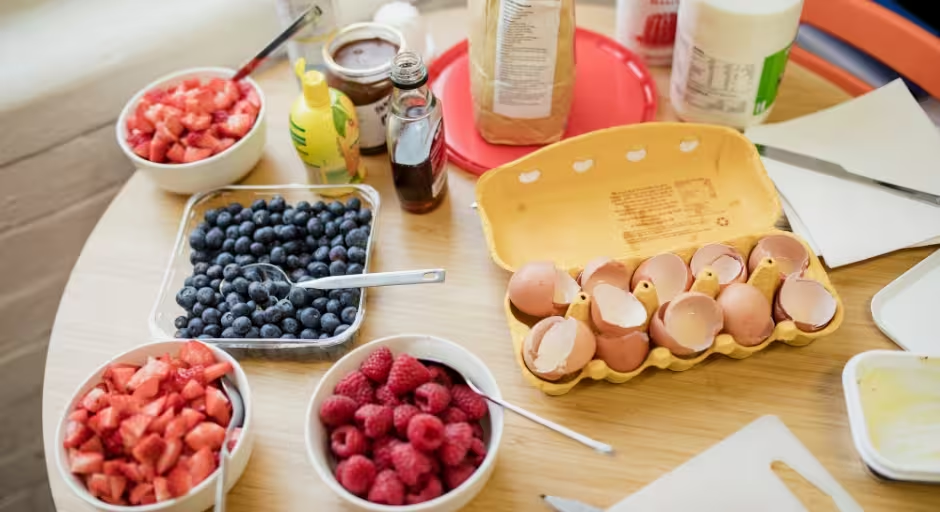
Remove Friction Wherever You Can
The harder something feels to start, the easier it is to avoid. That’s why simplifying your environment can make a massive difference in consistency. If healthy choices require too much effort every single day, your routine will feel mentally exhausting very quickly.
Simple changes help remove that resistance:
- Keeping easy protein options on hand
- Prepping ingredients ahead of time
- Laying out workout clothes beforehand
- Saving quick meals in the Healthi app
- Scheduling movement into your calendar instead of “hoping” it happens
The easier you make healthy habits to access, the more likely you are to follow through even on low-energy days.
Your Routine Should Support Your Life, Not Control It
A good routine creates structure without making you feel trapped. If your plan completely falls apart the second your schedule changes, it’s probably too rigid. Real life includes vacations, stressful weeks, family events, late nights, and unpredictable days. Flexibility matters.
This is where many people get stuck in that “all or nothing” mindset. They miss one workout, have one off-plan meal, or skip tracking for a day, and suddenly the entire routine feels ruined.
But consistency is not built through perfection. It’s built through returning to your habits quickly instead of turning one difficult day into a difficult month.
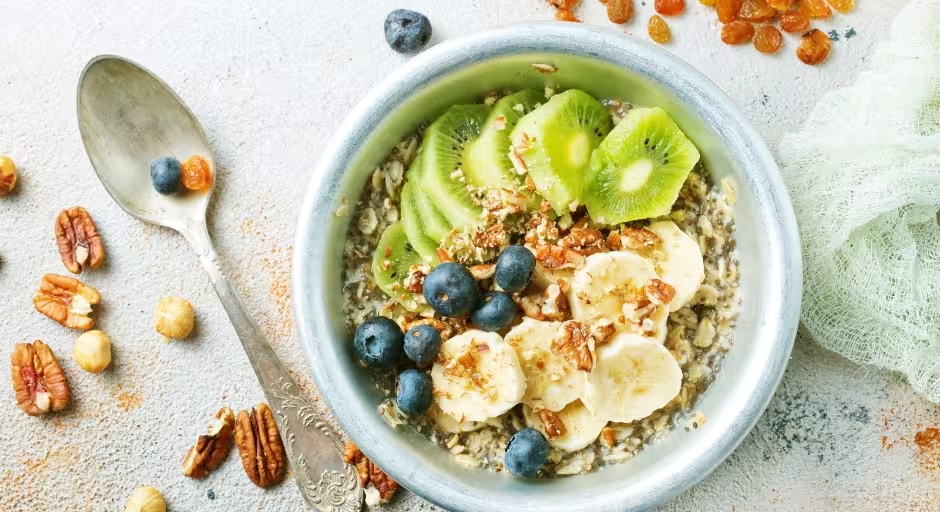
Why This Matters Even More on GLP-1
If you’re using GLP-1 medications through HealthiCare, routines still matter more than people realize.
The medication can absolutely help reduce appetite, quiet cravings, and make healthy choices feel easier. But even with that support, habits and structure are still what create long-term success. When appetite decreases, many people unintentionally become inconsistent with meals, protein intake, hydration, or movement simply because hunger cues are quieter. Without some kind of routine in place, it becomes easy to under-fuel or lose structure over time.
This is why HealthiCare focuses on more than just the medication itself.
With HealthiCare, you have licensed clinicians helping guide your progress while the Healthi app gives you the tools to stay consistent day to day. Using the BITE system, meal tracking, and structured plans like Healthi Fresh, you’re able to create routines that support protein intake, energy, and sustainable fat loss without overcomplicating your life.
The goal isn’t to create a “perfect” routine. It’s to create one that still works when life feels busy, stressful, or unmotivating.
Conclusion
The routines that create lasting results are, surprisingly, usually the least dramatic ones. They’re simple enough to repeat, flexible enough for day-to-day life, and supportive enough to keep going even when motivation fades. That’s what makes them sustainable.
You do not need to feel inspired every day to make progress. You need systems that make healthy choices easier to return to, even after imperfect days. That’s how consistency is built. Not through perfection, but through routines that continue working long after motivation wears off.

Weight Loss Tips
Lifestyle
Why Fast Results Don’t Always Mean Lasting Results
Fast weight loss can feel exciting in the moment, but it doesn’t always build the foundation needed to keep the results long term.
There’s something incredibly motivating about seeing quick results. The scale drops, clothes start fitting differently, and it finally feels like your effort is paying off. After putting in the work, it makes sense to want progress that you can actually see.
But there’s a side of fast results that doesn’t get talked about enough. Speed doesn’t always equal sustainability. And in many cases, the faster the weight comes off without the right support, the harder it can be to maintain later.
This isn’t meant to take away from progress or make quick results feel like a problem. It’s about understanding what’s happening underneath the surface so the results you’re seeing now can actually last.

Fast Weight Loss Doesn’t Always Mean Fat Loss
When the scale drops quickly, it’s not always coming from fat alone. Weight loss can include water, glycogen, and lean muscle if your body isn’t properly supported. Without enough protein or resistance training, the body may break down muscle along with fat, which can impact metabolism and overall strength.
This is where things can become misleading. The number on the scale is going down, but the quality of that weight loss matters just as much as the amount.
The Faster You Go, the Less Structure You Build
Quick results are often tied to more aggressive approaches. Highly restrictive diets, cutting out entire food groups, or relying on very low calorie intake can all lead to rapid changes. While these methods may work in the short term, they don’t always create habits that are easy to maintain once things normalize.
Without structure, it becomes harder to transition out of that phase. What felt manageable for a few weeks can start to feel unrealistic long term, which is when consistency begins to slip and old patterns can return.
Your Body Is Still Adapting Behind the Scenes
Even when progress looks great on the outside, your body is adjusting internally. Metabolism, hunger signals, and energy levels are all responding to the changes you’re making. When weight loss happens quickly, those adjustments can feel more noticeable over time.
This might show up as increased hunger later, lower energy, or difficulty maintaining the same level of consistency that felt easy at the beginning. It’s not a lack of discipline. It’s your body trying to find balance again.
Why This Matters Even More on GLP-1
GLP-1 medications can make weight loss feel more manageable and, in some cases, faster. Your appetite is reduced, you experience less cravings, and it becomes easier to stay in a calorie deficit. That can lead to steady progress, which is a great thing when it’s supported properly.
But even with GLP-1, the same principles apply. If nutrition isn’t intentional, it’s still possible to under-eat protein, lose lean muscle, or rely too heavily on reduced appetite without building the habits needed for long-term success.
GLP-1 is a powerful tool, but it works best when it’s part of a bigger system.
What Creates Results That Actually Last
Lasting results come from consistency, not speed. That means building meals that support your body, creating routines that fit into your life, and developing habits that you can maintain even when motivation shifts or life gets busy.
It doesn’t mean progress has to be slow or frustrating. It means progress is supported. When your body is fueled properly, when muscle is protected, and when your habits are consistent, the results you see are much easier to maintain.
How Healthi and HealthiCare Support Sustainable Progress
This is where having the right structure makes a real difference.
Inside the Healthi app, you’re able to track your meals, stay aware of your intake, and build balance into your day using the BITE system. Instead of focusing on extremes, you’re creating a pattern of eating that supports your goals without feeling restrictive.
The Healthi Fresh plan is especially helpful for GLP-1 users because it focuses on protein and fiber, helping protect muscle and support energy while weight loss is happening.
With HealthiCare, you’re not navigating this on your own. You have licensed clinicians guiding your GLP-1 journey, helping you adjust as your body changes, and making sure your approach supports both your short-term progress and long-term results.
Instead of chasing fast results and hoping they last, you’re building a system that’s designed to carry you forward.
Conclusion
Fast results can feel encouraging, and there’s nothing wrong with wanting to see progress. What matters most is what those results are built on.
When weight loss is supported with structure, balanced nutrition, and consistent habits, it becomes something you can maintain instead of something you have to constantly chase.
The goal isn’t just to lose weight quickly. It’s to create results that stay with you, long after the initial progress shows up.

Lifestyle
Building a Lifestyle That Lasts
Struggling to stay consistent with your health goals? Coach Jeri breaks down how shifting from quick fixes to a balanced, realistic lifestyle can help you finally break the cycle of losing and gaining—and build habits that actually last.
Coach Jeri here! Many of us have struggled with long-term success when it comes to our health. We lose, we gain, and then we start again. Incorporating lasting changes into our routines can feel difficult. Most of us are creatures of habit, whether those habits are helpful or not, and we naturally gravitate toward what feels easy, comfortable, and familiar.
We strive for success in so many areas of life such as school, work, and raising a family. Yet, even when we are accomplishing so much, it can still feel like we are falling short when it comes to taking care of our health. The truth is, if we applied the same structure and consistency from our professional lives to our personal health, we would likely see much stronger results.
Achieving sustainable weight loss requires a gradual, lifestyle-focused approach rather than a quick fix. Success comes from creating balance between nutrition, movement, and self-monitoring. Healthy habits such as staying hydrated, getting a good night’s sleep, avoiding smoking, and focusing on nutrient-dense foods all support long-term wellness. Portion control, rather than deprivation, and setting realistic, achievable goals are key pieces of the puzzle. It's also important to recognize that there is more than one path to success. People who succeed long term tend to be flexible, adaptable, and willing to adjust along the way.
When you shift your focus from simply losing weight to building a sustainable lifestyle, you create the foundation for lasting success.
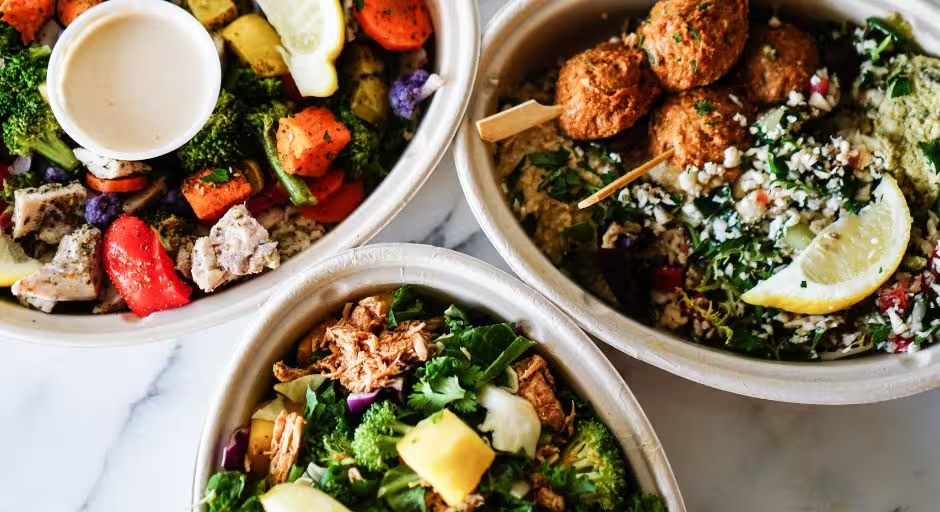
Strategies to Support Long-Term Success
1. Embrace Balanced Nutrition
Prioritize vegetables, fruits, whole grains, and lean protein, and build your meals around these foods. Try to limit highly processed foods, added sugars, and unhealthy fats.
2. Practice Mindful Eating
Pay attention to your hunger cues, identify your triggers, and work to manage or avoid them when possible.
3. Build a Support System
Connect with people who understand your journey. Those who have not experienced food noise, emotional eating, or weight cycling may not fully relate, so finding a supportive community can make a big difference.
4. Have a Plan to Get Back on Track
One meal or even one day will not undo your progress. What matters most is how you respond. Your reaction to a slip can either keep you moving forward or hold you back.
5. Celebrate Non-Scale Victories
Non-scale victories matter. Increased energy, better-fitting clothes, improved habits, and better food choices are all meaningful signs of progress.
6. Don’t Wait for Perfect Conditions
Tomorrow or next week is not better than today. Start where you are. Trust yourself to figure things out along the way.
7. Build a Plan for Real Life
Focus on progress-based goals instead of just a number on the scale. Try new foods, experiment with recipes, and get comfortable reading labels and understanding what you are eating.
8. Learn to Enjoy Your Food
Focus on all the foods you can have, not just what you think you should avoid. Highly restrictive plans rarely work long term. When foods are completely off-limits, it often leads to overeating and guilt later on.

A Mindset Shift for Lasting Change
It's not enough to eat well and exercise for just a few weeks or months. That pattern often leads right back into the cycle of losing and gaining. To maintain progress, you need to shift the way you think about food and health.
Lifestyle change starts with taking an honest look at your history with food, including patterns of overeating and the challenges that have made it difficult to maintain progress. Keep an open mind, because what worked in the past may not work in the same way now. Most importantly, choose an approach that you can realistically maintain long term.
There are countless trends and fad diets, but if you view them as short-term solutions, you will likely find yourself back where you started. Instead, focus on building a way of eating that supports your life.
Shift your mindset toward eating to live, rather than living to eat.
Long-term success is built on a series of small, consistent victories. Over time, those wins add up and create a sustainable, healthy lifestyle that you can maintain for years to come.

Weight Loss Tips
Lifestyle
Why Your Motivation Isn’t the Problem (And What Actually Is)
If you feel like you keep losing motivation, it might not be a motivation issue at all. It might be the way you’re trying to rely on it.
There’s a common belief in weight loss that if you just had more motivation, everything would fall into place. You’d stay consistent, make better choices, follow through on your plans, and finally see the results you’ve been working toward.
So when things start to slip, motivation is usually the first thing to take the blame.
You tell yourself you need to get back on track, get more focused, or find that “spark” again. But the truth is, motivation was never meant to carry you through an entire journey. It’s inconsistent by nature, and expecting it to show up every day is what creates that frustrating cycle of starting strong and then feeling like you’ve fallen off.
If you’ve ever felt like you’re constantly restarting, it’s not because something is wrong with you. It’s because you’ve been trying to rely on something that isn’t built to last.
Motivation Is Temporary by Design
Motivation best shows up at the beginning of something new. You feel excited, focused, and ready to make changes. You plan your meals, commit to workouts, and everything feels aligned. But as life settles back into its normal rhythm, that initial energy naturally starts to fade.
This is where most people assume they’ve failed.
In reality, nothing has gone wrong. You’ve just reached the point where motivation was always going to decrease, and something else needs to take its place.

The Real Issue Is Lack of Structure
When motivation fades, and it will, all that you’re left with is your routine.
If there’s no structure in place, it becomes much harder to follow through on the habits you were relying on motivation to carry. Meals become inconsistent, movement becomes optional, and small decisions start to feel harder than they should.
Structure doesn’t mean rigidity. It means having a general plan that removes the need to constantly decide what to do next. That might look like having go-to meals you can rely on, a consistent time for movement, or a simple framework for your day that keeps you grounded even when you’re not feeling particularly motivated.
Habits Will Always Outperform Motivation
Motivation might get you started, but habits are what keep you going. Repeat that.
When something becomes a habit, it requires less mental energy. And when something requires less mental energy, it becomes a habit. Something you do easily without much thought. You don’t need to talk yourself into it every day, because it’s already part of your routine.
This is where consistency starts to feel easier. Instead of relying on how you feel in the moment, you’re relying on what you’ve already built. And while habits take time to develop, they create a level of stability that motivation alone never can.
Your Environment Matters More Than You Think
Another factor that often gets overlooked is your environment. If your day is set up in a way that makes healthy choices harder, it’s going to feel like you’re constantly fighting against yourself. This could be anything from not having food prepared to keeping tempting snacks within easy reach, to not having a clear plan for busy days.
Small adjustments to your environment can make a big difference. Try keeping things simple, like having balanced foods on hand, planning ahead for your schedule, and removing unnecessary friction. This can help support your habits without requiring constant willpower.
Why This Matters Even More with HealthiCare GLP-1 Support
If you’re using GLP-1 through HealthiCare, it can feel like motivation matters less because appetite is reduced, and in many ways, that’s true. When hunger and cravings are quieter, it becomes easier to make decisions that once felt like a constant battle. But that doesn’t mean structure stops mattering. In fact, it becomes even more important.
With HealthiCare, you’re not just given medication and left to figure it out on your own. You’re supported by licensed clinicians, a personalized plan, and ongoing guidance that helps you build consistency around your nutrition, habits, and overall routine. When your appetite is lower, it’s also easier to unintentionally skip meals, under-eat protein, or fall into inconsistent patterns simply because food isn’t top of mind the way it used to be.
That’s where the combination of HealthiCare and the Healthi app makes a real difference. You’re able to track your meals, stay aware of your intake, and follow a structured plan like Healthi Fresh, which is designed specifically for GLP-1 users and focuses on protein and fiber to support muscle, energy, and metabolism. Instead of relying on motivation or guessing what your body needs, you have a clear framework that keeps you consistent without overthinking it.
GLP-1 is a powerful tool, but it works best when it’s paired with structure and support. With HealthiCare, you’re not just making progress while motivation is high. You’re building habits and systems that keep working long after that initial motivation fades, which is what makes your results sustainable.
Conclusion
Motivation isn’t the problem, and it never was. It’s a helpful starting point, sure, but it’s not meant to carry you through every day, every decision, and every challenge.
What actually creates progress is structure, habits, and an environment that supports the choices you’re trying to make. When you stop expecting motivation to do all the work and start building systems that work for you, everything begins to feel more manageable.
Consistency doesn’t come from feeling motivated all the time. It comes from having a plan you can follow, even when you don’t.

Weight Loss Tips
Nutrition
The Truth About ‘Eating Less’: Why It’s Not Always the Answer
Eating less sounds like the obvious answer to weight loss, but it’s often the reason progress slows down instead of speeding up.
At some point in your weight loss journey, you may have found yourself thinking, “Maybe I just need to eat less.”
It feels logical. If weight loss comes from a calorie deficit, then eating less should lead to faster results. So portions get smaller, meals get skipped, and before long, it starts to feel like less is always better. But this is where things start to backfire.
The thing is, your body doesn’t just respond to less food by losing fat. It responds by adapting. And if those adaptations aren’t supported properly, they can make progress harder, not easier. Understanding the difference between creating a sustainable deficit and simply eating less is what shifts you out of frustration and into results that actually last.
Your Body Isn’t Designed to Thrive on “Less” Forever
When you consistently eat less than your body needs, it doesn’t just pull from fat stores and keep everything else running smoothly. It starts to conserve energy. Your metabolism can begin to slow down, your energy levels may drop, recovery from workouts can feel harder, and hunger hormones can become more intense over time. It might feel like eating less should help, but when you under-fuel for too long, your body starts to push back in ways that make progress harder, not easier. This isn’t your body working against you. It’s your body trying to protect you.
The longer you stay in a state of under-fueling without proper support, the more noticeable these effects can become. What started as an attempt to speed things up can turn into stalled progress, fatigue, and frustration.

Eating Less Often Means Losing More Than Just Fat
Weight loss isn’t just about fat. It can also include muscle, water, and other lean tissues if your body isn’t properly supported. When calories drop too low, and protein intake isn’t prioritized, your body may break down muscle along with fat. This matters more than most people realize because muscle plays a key role in your metabolism, strength, and long-term weight maintenance.
Losing muscle can make it harder to keep weight off and can leave you feeling weaker, more fatigued, and less energized throughout the day.
The goal isn’t just to weigh less. It’s to maintain a strong, supported body while you lose fat.
Low Energy Intake Affects More Than the Scale
When you’re not eating enough, it doesn’t just show up in weight loss patterns. It can affect your focus, your mood, your sleep, and your overall energy. You might find yourself more irritable, less motivated to move, or relying more on caffeine just to get through the day. Workouts can start to feel harder, recovery may slow down, and everyday tasks can feel more draining than they should. These aren’t signs that you need to push harder. They’re signs that your body needs more support.
Why “Eating Less” Feels Like It Works at First
To be fair, eating less often does work initially.
When you reduce calories, the scale may move quickly at first, which can definitely feel encouraging. But early changes aren’t always a reflection of long-term fat loss. Some of that initial drop can come from water weight or glycogen depletion.
As your body adjusts, that rapid progress tends to slow down. And if your approach is based solely on continuing to eat less, you can end up stuck in a cycle of restriction without sustainable results. That’s when frustration builds, and the cycle of starting over begins.
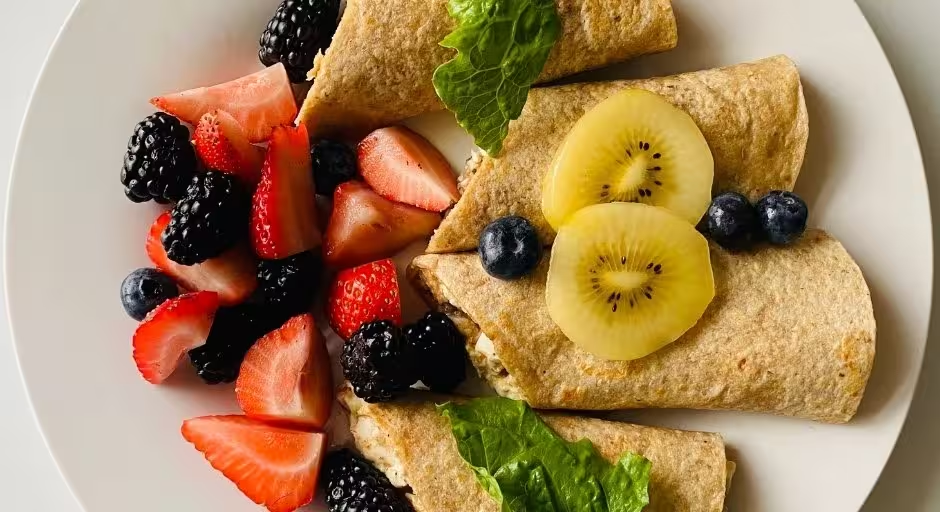
What Actually Works Instead
Instead of focusing on eating as little as possible, the goal is to eat in a way that supports your body while still creating a sustainable deficit.
That means prioritizing protein to protect lean muscle, including fiber to support digestion and fullness, and incorporating healthy fats to support hormones and energy. It also means eating consistently enough that your body doesn’t feel like it needs to constantly adapt to extremes.
When your body feels supported, it responds differently. Energy is more stable, hunger is more manageable, and progress becomes something you can maintain instead of chase.
How This Applies on GLP-1
If you’re using GLP-1 medications through HealthiCare, this conversation becomes even more important.
Because appetite is reduced, it can feel natural to eat significantly less without thinking much about it. And while that can help create a calorie deficit, it can also increase the risk of under-fueling if you’re not intentional. GLP-1 is designed to help regulate appetite, not replace nutrition.
Your body still needs protein, nutrients, and enough overall intake to maintain muscle, support energy, and keep your metabolism functioning well. When you pair GLP-1 with balanced, intentional eating, you create results that are not just effective but sustainable.
How Healthi Helps You Find the Right Balance
This is where having structure makes all the difference.
The Healthi app helps you track your intake in a way that keeps you aware without feeling restricted. Instead of guessing whether you’re eating too much or too little, you can see patterns and adjust in a way that supports your goals.
With the BITE system, you’re encouraged to build meals that are balanced and satisfying, not just low in calories. Plans like Better Balance and Healthi Fresh help guide you toward protein-forward, nutrient-dense choices that support fat loss while maintaining energy and muscle.
And with HealthiCare, you have access to licensed clinicians and personalized support that ensures your plan is working for your body, especially if you’re using GLP-1. It takes the guesswork out of how much is “enough” and replaces it with a strategy you can actually trust.
Conclusion
Eating less might feel like the simplest answer, but it’s not always the right one. If your body isn’t supported, eating less can slow progress, impact your energy, and make long-term results harder to maintain.
The goal isn’t to eat as little as possible. It’s to eat in a way that allows your body to function well while still moving you toward your goals.
Remember, real progress doesn’t come from doing less. It comes from doing what works, consistently, in a way your body can actually sustain.
Lifestyle
Nutrition
Why ‘Healthy’ Isn’t Always Helping Your Weight Loss
“Healthy” eating doesn’t always equal weight loss, and that’s where most people get stuck without realizing it.
At some point in almost every weight loss journey, there’s a moment of confusion that sounds something like, “I’m eating healthy… so why isn’t anything changing?”
And honestly, it’s a fair question.
You’re choosing salads, smoothies, lean proteins, whole grains, and trying to make thoughtful decisions. On paper, it looks like exactly what you’re supposed to be doing. But the results don’t always match the effort, and that’s where frustration starts to creep in.
The missing piece is that “healthy” doesn’t automatically mean effective for weight loss. A food can be nutrient-dense, minimally processed, or even labeled “clean,” and still not be structured in a way that supports fat loss, energy, or consistency.
Once you understand that difference, everything starts to make a lot more sense.
“Healthy” Doesn’t Always Mean Balanced
One of the biggest issues is that many “healthy” meals are missing balance. You might have a smoothie packed with fruit, almond butter, and oats, or a big salad loaded with vegetables, nuts, and dressing. These foods are absolutely nutritious, but they’re not always structured in a way that keeps you full or supports steady energy.
What’s often missing is enough protein, or a proper balance between protein, fiber, and healthy fats. Without that balance, meals digest quickly, blood sugar can fluctuate more, and hunger tends to come back sooner than expected. So even though the food itself is “healthy,” it doesn’t always support your goals in a meaningful way.
The Bigger Problem: “Healthy” Packaged Foods
Here’s where things get even more confusing, and honestly, where a lot of people get stuck without realizing it. The word “healthy” is everywhere on packaging now.
Protein bars, snack packs, granola, frozen meals, smoothie drinks, even chips and desserts will all show up labeled as “better for you,” “clean,” “high protein,” or “natural.” And while some of these options can absolutely fit into a balanced lifestyle, the label alone doesn’t tell the full story.
A lot of these foods are still highly processed, higher in calories than expected, or lower in satiety than real whole foods. Some are built more for marketing than actual fullness or metabolic support.
So you end up thinking you’re making a great choice because the packaging says “healthy,” but your body is still left hungry, unsatisfied, or reaching for more food shortly after.
This is one of the biggest blind spots in modern nutrition. We’re surrounded by foods that look aligned with our goals, but don’t always function in a way that actually supports them.

Portions Still Matter, Even with Healthy Foods
Another piece that gets overlooked is portion size. It’s easy to assume that if something is healthy, you don’t need to think too much about how much you’re eating. But calories still matter, even when they come from whole, nutritious foods.
Foods like nuts, avocado, olive oil, granola, and even whole grains are incredibly good for you, but they’re also more calorie-dense than most people realize. Without awareness, portions can quietly add up throughout the day without it ever feeling like “too much.”
This is where people often feel stuck, because they’re eating what they believe is right, but the overall structure isn’t aligned with their goals.
Healthy Eating Isn’t the Same as Fat Loss Eating
There’s a big difference between eating for general health and eating for fat loss, and that difference matters more than most people think. Healthy eating focuses on food quality, which is important, but fat loss also depends on structure, consistency, and overall intake across the day.
You can absolutely eat high-quality foods and still not be in a calorie deficit. You can eat “clean” and still be under-protein or over-portioning certain foods without realizing it. This is why people can feel like they’re doing everything right but still not seeing progress. It’s not that they’re off track, it’s that the strategy needs refinement.
Why Protein Changes the Entire Picture
If there’s one shift that makes the biggest difference, it’s protein. Protein helps keep you full longer, supports lean muscle, and plays a major role in maintaining your metabolism while losing weight. When protein is too low, even the most “perfect” meals can leave you feeling unsatisfied and more likely to snack or overeat later.
When you build meals around protein first, then layer in fiber and healthy fats, everything starts to feel more stable. Hunger becomes more manageable, energy feels more consistent, and cravings tend to quiet down naturally.
It’s not about eating less food. It’s about building food in a smarter way.
How This Shows Up on GLP-1
If you’re using GLP-1 medications, this becomes even more important. GLP-1 naturally reduces appetite, which can make it easier to eat less without feeling deprived. But if your meals aren’t balanced, it’s also easier to unintentionally under-eat protein or skip nutrients your body still needs.
That’s where structure matters. Because even if hunger is lower, your body still needs fuel to maintain muscle, support energy, and keep your metabolism functioning well.
GLP-1 works best when it’s paired with intentional nutrition, not when it replaces it. That’s why HealthiCare is here for you.
How Healthi Helps Bring It All Together
This is where things start to feel less overwhelming.
The Healthi app helps you move away from labeling foods as just “healthy” or “unhealthy” and instead focuses on how your choices fit into your overall day. With the BITE system, you can build balance in a way that actually aligns with your goals without needing to obsess over every detail.
Plans like Better Balance naturally encourage higher protein intake, while Healthi Fresh is designed specifically for GLP-1 users to help support muscle, energy, and consistency when appetite is lower.
And with HealthiCare, you’re not figuring this out alone. You have access to licensed clinicians and personalized guidance that helps you connect what you’re eating with how your body is responding, so you can make adjustments that actually move you forward.
Conclusion
Eating “healthy” is a great foundation, but it’s not always the full strategy for weight loss. You can make nutrient-dense choices all day and still feel stuck if those choices aren’t balanced, structured, or aligned with your actual goals.
Once you start focusing on how your food is working for your body, not just how it looks on paper, everything starts to shift. You’ll soon realize that progress doesn’t come from eating perfectly healthy foods. It comes from eating in a way that actually supports your body, consistently, over time.

Fitness
The Power of Walking: The Most Underrated Fat Loss Tool
It’s not flashy, it’s not extreme, and it doesn’t leave you drenched in sweat, but walking might be one of the most effective fat loss tools you’re overlooking.
When most people think about losing weight, their minds go straight to intense workouts, long gym sessions, or doing something that feels hard enough to “count.” Walking rarely makes that list, which is surprising considering how powerful it actually is.
Because here’s the truth. Fat loss doesn’t come from doing the most extreme thing possible. It comes from what you can do consistently, day after day, in a way that supports your body instead of exhausting it.
Walking fits into that in a way very few things do.
It’s simple, accessible, and sustainable, which are three things that matter a lot more than people realize when it comes to long-term results. And while it may not feel like it’s “doing much” in the moment, the impact it has over time is anything but small.

Why Walking Works for Fat Loss
Walking helps create a calorie deficit, which is the foundation of fat loss, but it does it in a way that doesn’t add extra stress to your body.
Unlike high-intensity workouts, which can be harder to recover from and more difficult to stay consistent with, walking is something you can do daily without feeling drained or burned out. That consistency is where the real results come from.
It also increases your overall daily movement, often referred to as NEAT, or non-exercise activity thermogenesis. This includes all the movement you do outside of structured workouts, and it plays a bigger role in fat loss than most people expect.
When you increase your daily steps, you’re increasing your total energy output without needing to carve out large chunks of time or rely on motivation to get through a tough workout.
It Supports Fat Loss Without Draining You
One of the biggest benefits of walking is that it supports fat loss without pushing your body into a state of exhaustion.
High-intensity workouts have their place, but they also increase recovery demands, can elevate stress levels, and may leave you feeling hungrier afterward. For some people, especially those already dealing with stress, poor sleep, or hormonal shifts, this can actually make consistency harder.
Walking, on the other hand, works with your body instead of against it.
It allows you to move more without triggering the same level of fatigue, which makes it easier to stay consistent with both your movement and your nutrition.
Why It Matters Even More with HealthiCare GLP-1 Support
If you’re using GLP-1 through HealthiCare, walking becomes an even more valuable part of your routine because it works alongside the structure and support you already have in place.
With HealthiCare, your plan isn’t just about the medication. You’re working with licensed clinicians and a personalized approach that helps guide your nutrition, habits, and overall progress. Because appetite is naturally reduced, you’re already creating a calorie deficit, and walking allows you to build on that in a way that feels manageable and sustainable, not overwhelming.
It also helps your body adjust more smoothly to changes in eating patterns. Walking can support digestion, improve blood sugar stability, and keep your energy more consistent throughout the day, which is especially helpful as your routine shifts.
When you combine that with the Healthi app, you’re able to track your movement, meals, and daily habits all in one place. That means you’re not guessing whether you’re doing enough. You can see your consistency, build momentum, and make small adjustments that actually move you forward.
And while strength training remains important for preserving muscle, walking fills in the everyday movement piece that keeps your body active without adding extra stress. Together, this creates a balanced approach where your GLP-1 treatment, daily movement, and nutrition are all working in sync, which is exactly what leads to results that last.
How to Make Walking Actually Work for You
Walking doesn’t need to be complicated, but being intentional with it can make a big difference.
Instead of treating it like something you only do when you have time, start looking for ways to build it into your day. That might mean going for a walk in the morning, taking a break after meals, or using it as a way to unwind in the evening.
Setting a step goal can also help create consistency. It gives you something to aim for without needing to overthink it. The number itself doesn’t have to be perfect. What matters is that it encourages you to move more than you currently are.
Even small increases in daily steps can add up quickly over time.

Conclusion
Walking might not feel like the most exciting part of your routine, but it’s often the one that makes everything else work better.
It helps you stay consistent, supports fat loss without adding stress, and gives you a simple way to move your body every single day. Over time, those small, steady efforts add up in a way that extreme approaches rarely do.
You don’t need to do more. You just need to do what works, consistently.
And sometimes, what works best is also the simplest thing you can do.
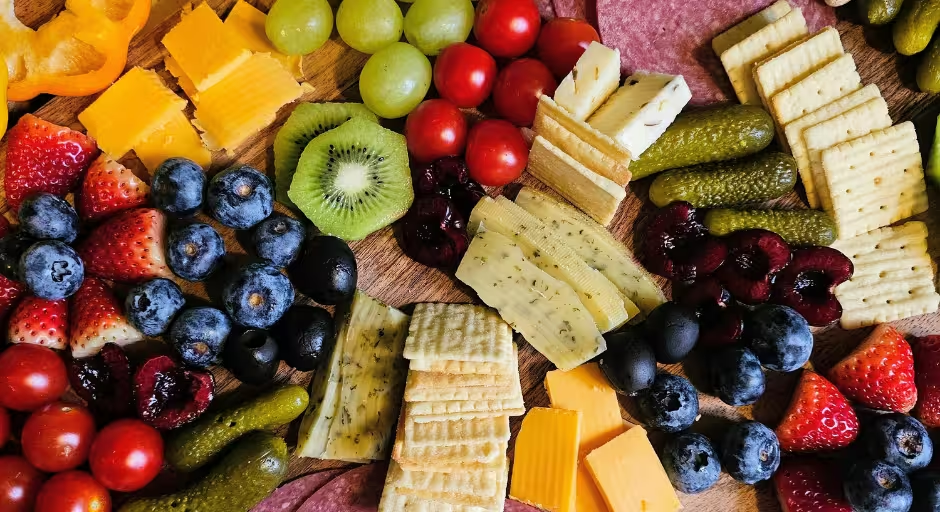
Nutrition
Snacking Smarter: How to Build Snacks That Actually Keep You Full
Snacking isn’t the problem. It’s what you’re snacking on that usually leaves you hungry again an hour later.
Snacking gets a bad reputation, especially when you’re trying to lose weight. It’s often seen as the thing that “throws you off track” or something you should avoid if you want to see results. But the truth is, snacking isn’t the issue. In fact, when done right, it can actually help you stay consistent, manage hunger, and prevent that end-of-day overeating that so many people struggle with.
The real problem is that most snacks aren’t built to keep you full. They’re quick, convenient, and often carb-heavy without much protein or fat to balance them out. So you eat them, feel satisfied for a short time, and then find yourself right back in the kitchen wondering what else you can grab.
Learning how to build a snack that actually keeps you full changes everything. It takes the guesswork out of those in-between moments and helps you stay steady instead of constantly chasing your next bite.
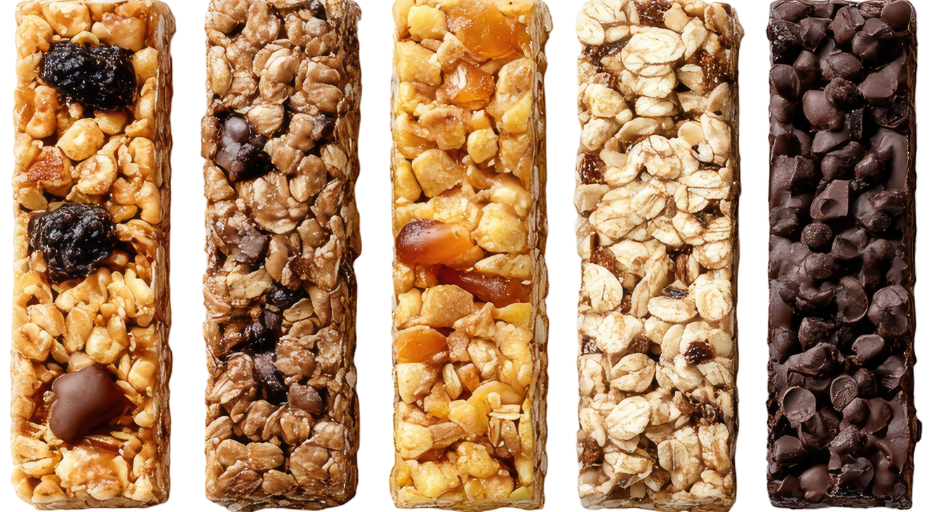
Why Most Snacks Don’t Work
A lot of typical snack options are designed to be easy, but they're often not satisfying. Things like crackers, chips, granola bars, or even just a piece of fruit on its own tend to digest quickly and don’t provide much staying power.
When a snack is mostly carbohydrates without enough protein, fat, or fiber, your blood sugar can rise quickly and then drop just as fast. That drop is what leaves you feeling hungry again, sometimes even hungrier than before.
The thing is, you don't have to cut out these foods out completely. You just need to understand why they don’t hold you over and how to build something better around them.
What Actually Keeps You Full
If you want a snack to last, it needs to do more than just taste good. It needs to support your body.
Protein is one of the most important pieces because it slows digestion, supports muscle, and helps you feel satisfied longer. Healthy fats also play a role in keeping you full and stabilizing energy levels. Fiber adds volume and helps regulate blood sugar, which keeps that steady, satisfied feeling going.
When you combine these three, protein, fat, and fiber, your snack goes from something that just “holds you over” to a nutritional powerhouse of a snack.
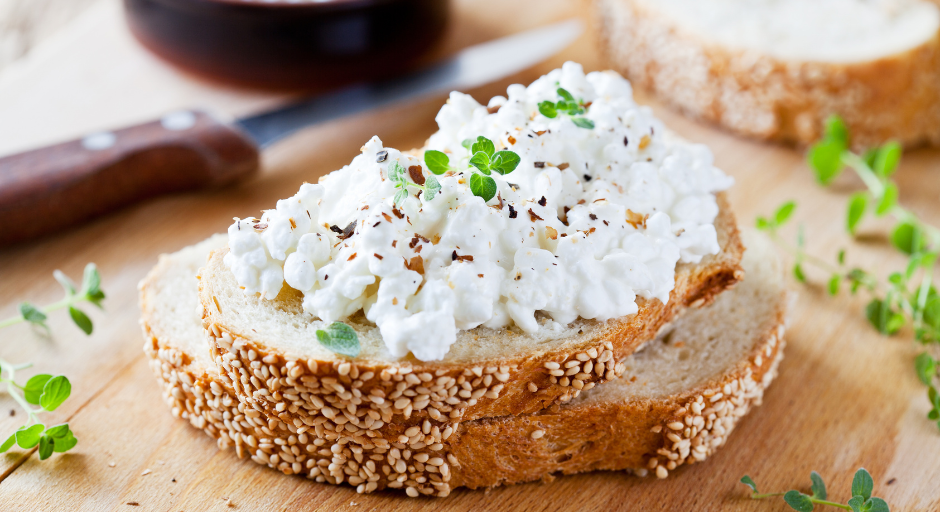
How to Build a Snack That Works
Instead of grabbing something random and hoping it does the job, think about building your snack with intention.
Start with a protein source like Greek yogurt, cottage cheese, eggs, turkey, or a protein shake. Then add in something with fiber, like fruit, vegetables, or whole grains. If you can, include a healthy fat like nuts, seeds, avocado, or a drizzle of olive oil.
This doesn’t have to be complicated. It can be as simple as apple slices with peanut butter, cottage cheese with berries, or a boiled egg with a handful of almonds.
The goal isn’t to be perfect, just try for balance.
Snacking on GLP-1: Why It Still Matters
If you’re using GLP-1 medications, you might notice that your appetite is lower and you don’t feel the urge to snack as often. While that can be helpful when trying to lose weight, it doesn’t mean your body doesn’t still need fuel throughout the day.
In fact, because you’re eating less overall, the quality of what you do eat matters even more. Skipping snacks completely can sometimes lead to under-fueling, low energy, or difficulty hitting your protein goals.
A well-built snack can help you stay nourished without feeling overly full. It supports your energy, helps preserve muscle, and keeps your body functioning the way it should while you’re losing weight.
How Healthi Helps You Snack Smarter
This is where having a little structure makes things easier.
The Healthi app helps you see how your snacks fit into your day instead of feeling like they’re something extra or “off track.” With the BITE system, you can build snacks that are balanced without needing to overthink every choice.
Plans like Better Balance naturally encourage protein-rich options, while Healthi Fresh supports GLP-1 users with meals and snacks that focus on protein and fiber to help maintain muscle and keep energy stable.
Instead of guessing what will keep you full, you start to see patterns in what actually works for your body.
Conclusion
Snacking doesn’t have to be something you avoid or feel guilty about. When you build your snacks with intention, they can actually become one of the most helpful tools in your routine.
The difference comes down to what’s in them. When you focus on protein, fiber, and healthy fats, your snacks stop being something that just fills time and start being something that supports your progress.
It’s not about eating less. It’s about eating in a way that keeps you satisfied, steady, and able to stay consistent without constantly feeling like you’re running on empty.
Lifestyle
A Fresh Start This Spring
Spring is the perfect time to reset and reflect. Coach Jeri shares how understanding the difference between emotional and physical hunger—and identifying your personal triggers—can help you break the cycle of overeating and step into lasting, meaningful change.
Hey Healthi family, it's Coach Jeri here!
A Fresh Start This Spring
It’s spring! A time for a fresh start. A time for renewal, rebirth, and hope that this time will be different. This time, you’re ready to move forward without repeating the mistakes of the past and finally break free from the cycle of gaining and losing.
Use this season of renewal as an opportunity to take a deeper look inward. There is a natural pull toward growth right now, making it the perfect time to explore what has been driving your eating habits. This is a problem that can be solved, but it requires an honest and introspective pause.
Too often, we rush through life without giving ourselves the time to truly understand our needs. When we slow down and pay attention, we create space to find answers. A sincere desire to reconnect with your inner self—your truth, your joy, and your overall health—can guide you forward.
When we are overwhelmed by negativity and guilt, it becomes difficult to see a positive path ahead. But awareness is the first step toward change.

Understanding What’s Really Driving Your Eating
To understand what’s truly “eating” you, it’s important to recognize the difference between physical and emotional hunger. Hunger, stress, and even nutrient deficiencies can all show up as cravings, but they don’t feel the same.
Physical hunger builds gradually over time. You may notice a growling stomach, low energy, and an openness to a variety of foods. There is no guilt attached to eating.
Emotional hunger comes on suddenly and feels urgent. It often shows up during times of stress, boredom, or emotional overwhelm. The craving is specific and driven more by the mind than the body, and it’s often followed by feelings of guilt, shame, or regret. Emotional eating is often a learned response to avoid uncomfortable feelings.
Strategies to Identify the Root Cause
Understanding your triggers is key to creating lasting change. Here are some practical strategies to help you identify what may be driving your habits:
- Keep a food journal. Track not only what you eat, but how you feel. Linking your mood to your meals can reveal important patterns.
- Focus on balanced nutrition. Prioritize high-protein, fiber-rich meals to satisfy physical hunger and reduce false cravings.
- Pause and check in. Ask yourself, “Am I truly hungry, or am I bored, stressed, or tired?”
- Look for patterns. Notice if emotional or chaotic eating is tied to specific times, events, or feelings. Late-night eating, for example, can often be a trigger.
- Check for nutrient gaps. Diets high in sugar, fat, or highly processed foods can increase cravings and leave you feeling unsatisfied.
- Practice awareness. Learn to recognize the difference between physical and emotional cues.
- Use the five-minute rule. When emotional eating strikes, pause and wait it out. Find a different activity to redirect your focus.
- Forgive slips. Mistakes are not failures. Holding onto guilt only keeps you stuck.
Keep Your Focus on the Bigger Picture
Stay focused on your long-term goal: better health and longevity. The journey to a healthy weight begins long before you reach your goal. Shifting your focus from just weight to overall health can be one of the most powerful motivators.

Embrace Your Season of Growth
Spring brings a new opportunity to learn from past challenges and make meaningful changes. You simply need to be open to the possibility of growth.
Just like everything else in nature, this is your season to grow, evolve, and become the person you’ve always wanted to be.

Weight Loss Tips
What No One Tells You About Weight Loss Plateaus
Plateaus don’t mean your body is broken, but they also don’t mean what most people think they do. There’s usually more going on beneath the surface, and understanding that can completely change how you respond.
At some point in almost every weight loss journey, the scale stops moving. Not for a day or two, but long enough that it starts to feel personal. You’re doing the same things that were working before, maybe even trying harder, and yet nothing seems to be changing.
This is the moment where frustration starts to build and the word “plateau” gets thrown around like it’s the end of the road.
But here’s what doesn’t get talked about enough. Not every stall is actually a plateau, and even when it is, it doesn’t mean progress has stopped. More often than not, it means your body is adjusting, your habits have shifted slightly, or there are factors at play that you simply can’t see on the scale.
Understanding what’s really happening in these moments can be the difference between pushing through and giving up.
A Plateau Isn’t Always What You Think It Is
The term “plateau” gets used anytime the scale doesn’t move for a short period of time, but true plateaus are much more specific than that.
A real plateau means you’ve been consistent with your nutrition, movement, hydration, sleep, and overall habits for several weeks, and there has been no change in weight, measurements, or progress.
Most of the time, that’s not actually what’s happening. What’s happening is a temporary stall caused by small shifts in consistency, changes in routine, or even normal body fluctuations like water retention or hormonal changes.
The scale is one data point, and it doesn’t always tell the full story. This is why measuring other types of success (date) becomes so important. You need the full picture, not just a snippet.
Your Body Is Adapting, Not Working Against You
One of the most important things to understand is that your body is always trying to adapt.
As you lose weight, your body requires less energy to function. This means your metabolism can naturally slow down slightly over time, not as a punishment, but as a form of efficiency. Your body is simply adjusting to a smaller size.
On top of that, your movement may decrease without you realizing it. You might fidget less, take fewer steps, or simply move a little less throughout the day. These small changes can impact your overall energy output more than you’d expect.
None of this means you’ve done anything wrong. It just means your body has adapted, and your approach may need to adjust with it.
The Habits That Quietly Drift
One of the biggest reasons people feel stuck is not because they’ve stopped trying, but because their habits have slowly become less consistent. Tracking might become less accurate. Portions might get a little looser. Weekends might look different than weekdays. Movement might decrease just enough to make a difference.
These shifts are usually small and unintentional, which is why they’re easy to miss. But over time, they can add up and create the illusion that nothing is working anymore. This is where a gentle, honest check-in can be more powerful than trying to do more or start over.

Water, Stress, and Sleep Matter More Than You Think
There are also factors that have nothing to do with effort, but everything to do with how your body responds.
If you’re not well hydrated, your body may hold onto water, masking fat loss on the scale. If your sleep is inconsistent, hunger hormones and energy levels can shift, making it harder to stay consistent. If your stress levels are high, cortisol can impact both water retention and fat storage.
These aren’t excuses. They’re real physiological responses that deserve attention. And sometimes what looks like a plateau is actually your body asking for better support, not more restriction.
GLP-1, Appetite Changes, and Hidden Gaps
If you’re using GLP-1 medications, plateaus can show up in a slightly different way. Because appetite is reduced, it’s easy to eat less overall, but not necessarily eat what your body actually needs. Protein intake might drop, nutrient intake might become inconsistent, and strength training might not be prioritized.
This can lead to muscle loss, lower energy, and a slower metabolic rate over time, which can impact progress. GLP-1 can be an incredibly helpful tool, but it works best when it’s paired with intentional nutrition and structure. Appetite suppression alone does not guarantee long-term results.
What to Do Instead of Starting Over
When progress slows down, the instinct is often to do something extreme or to start fresh on a Monday. But most of the time, the answer is not doing more. It’s doing the basics more consistently.
This might look like tightening up your tracking for a week, increasing your daily movement, prioritizing protein, or simply making sure you’re supporting your body with enough water and sleep. Instead of reacting emotionally, you respond strategically.
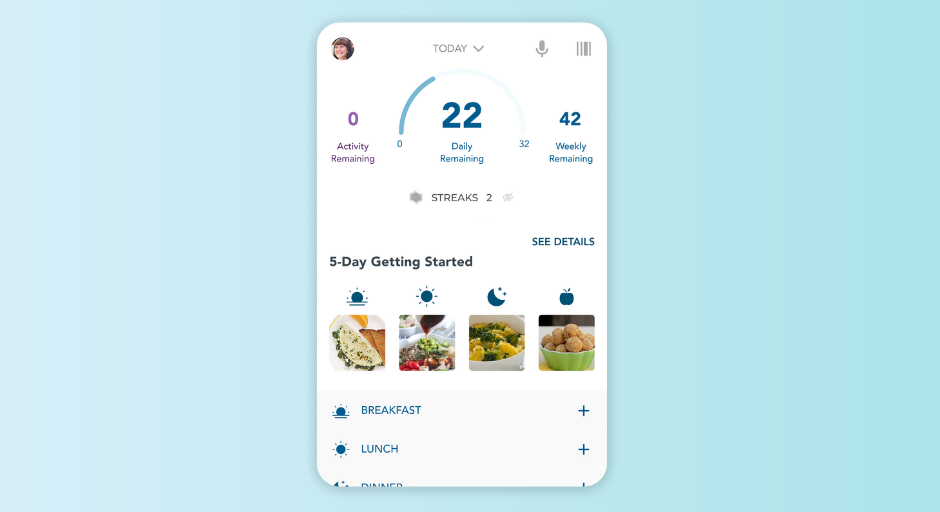
How Healthi Helps You See What’s Really Happening
This is where the Healthi app becomes such a valuable tool. It gives you a clear, honest picture of your habits, your intake, and your patterns so you’re not left guessing what might be going on.
Tracking your BITES, meals, and daily behaviors helps you identify small shifts before they turn into long stalls, and it allows you to adjust without feeling like you need to start over.
For those using GLP-1 or needing more structured support, HealthiCare adds another layer with personalized guidance, clinician support, and plans designed to help you protect your metabolism, maintain muscle, and navigate plateaus in a way that actually supports long-term success.
Conclusion
Weight loss plateaus can feel frustrating, especially when it seems like your effort isn’t matching your results. But they aren’t a sign that your body has stopped working or that your progress is over. More often than not, they are a signal. A signal to check in, to adjust, and to support your body in a slightly different way.
You don’t need to panic. You don’t need to start over. And you definitely don’t need to assume that nothing is working. Progress is still happening, even when it’s not immediately visible. The goal is to stay consistent long enough to see it.

Lifestyle
The 1% Rule: Small Wins in a Busy Season of Life
In a season of sleepless nights and constant change, Coach Delicia shares how the 1% Rule became her lifeline. By focusing on small, consistent habits instead of perfection, she’s finding a realistic way to stay on track, even in the chaos of new motherhood.
Hey Healthi friends, Coach Delicia here! It’s officially April in Colorado, which means one day I’m wearing a sweater and the next I’m reaching for my sunglasses. Honestly, it feels a lot like life with a three-month-old. You never quite know what the next hour is going to look like.
My baby is officially three months old now, which means I’ve made it through the fourth trimester. The fog is starting to lift, but the sleep deprivation is still very real. I used to think being healthy meant having an hour of uninterrupted gym time and a perfectly meal-prepped fridge. Now? I’m lucky if I can drink a cup of coffee while it’s still lukewarm.
That’s where the 1% Rule comes in. If you’ve followed me for a while, you know I love this concept. Lately, though, it’s become my absolute lifeline.
Why 1% Is Better Than 0%
When you’re exhausted, the idea of a full lifestyle change can feel overwhelming, kind of like trying to climb a mountain in flip-flops. The 1% Rule reminds us that we don’t have to be perfect, we just have to be a little bit better than we were yesterday.
Instead of waiting for the perfect moment to start, focus on small, doable wins. Here’s what that looks like for me right now as a stay-at-home mom:
The Water Connection: I’m still on my pumping journey, so hydration is a priority. My 1% goal is simple: drink one full glass of water every time I sit down to pump or feed the baby. I’m already sitting there, so it’s an easy win.
Five-Minute Core Work: My pelvic floor and core are still recovering from my home birth. I don’t have time for a full Pilates class, but I can do five minutes of deep core breathing or bird-dogs while my baby does tummy time.
The Logging Win: Some days I don’t have the energy to log everything. My 1% goal is just logging breakfast. Once I start, I usually keep going—but even if I don’t, I’ve still done something positive.
Master the Habit Stack
The secret to making the 1% Rule work is habit stacking. This means taking something you already do every day and adding a small, healthy habit on top of it.
While I’m waiting for the bottle warmer or coffee to brew, I do ten calf raises. When I change a diaper, I take three deep, mindful breaths to reset. These moments may seem small, but over time they add up to meaningful movement and mindfulness without needing extra time in your day.
Consistency Over Intensity
In this season of motherhood, intensity is the enemy of consistency. If I try to push through a high-intensity workout on four hours of sleep, I’ll burn out quickly. But I can almost always find the energy for a 1% effort.
Consistency builds trust with yourself. Every small action reinforces that your health still matters, even when life feels chaotic. It keeps the momentum going so that when you do have more time and energy, you’re ready to build on that foundation.
Ditch the All-or-Nothing Mindset
If you’ve been waiting for life to feel “normal” again before getting started, I am reminding you to stop waiting. Your life is happening right now, even in the messy, sleep-deprived moments.
Give yourself permission to be 1% better today. Maybe that means choosing fruit over a cookie or taking a five-minute walk around the block. It all counts, and it all adds up.

Weight Loss Tips
Why You Keep Starting Over (And How to Finally Break the Cycle)
If you feel like you’re constantly starting over, it’s not because you’re failing. It’s usually a sign that something in your approach isn’t built for your lifestyle, and once you see it clearly, you can finally start moving forward without going back to square one.
There is a very specific kind of frustration that comes from feeling like you are always starting over. It shows up after a weekend that didn’t go as planned, after a busy week where routines slipped, or after one decision that somehow spirals into several more. Suddenly, it feels easier to say, “I’ll start again on Monday,” as if the progress you made before has somehow disappeared.
Over time, this pattern can start to feel like proof that you lack consistency, discipline, or motivation. But that interpretation misses what is actually happening beneath the surface. Starting over is not a personal flaw. It’s usually the result of a cycle that was built on pressure, perfection, and unrealistic expectations from the beginning.
When you understand that cycle, you can start to break it in a way that feels sustainable instead of exhausting.
The “All In” Mentality That Sets You Up to Restart
Many weight loss journeys begin with a burst of motivation that feels exciting and productive. You think, “This time will be different, I’m all in.” So you clean up your eating, commit to daily workouts, cut out certain foods, and set high expectations for yourself.
At first, it works. The structure feels good, and the progress feels motivating. But eventually, real life steps in. Schedules shift, stress increases, energy dips, or something unexpected throws off your routine. When that happens, the plan that once felt motivating can start to feel rigid and difficult to maintain.
Instead of adjusting, the tendency is to fall out of it completely. And once that happens, the mindset quickly shifts to “I’ll just start over,” because it feels easier than trying to pick up in the middle.
This is where the cycle begins.

Why “Starting Over” Feels So Appealing
Starting over simply gives the illusion of control. It feels clean, organized, and hopeful. There is something comforting about the idea of a fresh start where everything can be done perfectly.
But that mindset also reinforces the belief that progress only counts when it’s flawless. It creates a situation where anything less than perfect feels like failure, and failure leads to stopping altogether.
In reality, progress is not built in perfect streaks. It’s built in an imperfect, consistent effort over time. When you keep restarting, you are not lacking discipline. You are interrupting your own progress before it has time to compound.
The Real Reason You Feel Stuck
The feeling of being stuck usually does not come from doing too little. It often comes from swinging between extremes.
You go from highly structured and disciplined to completely off track, then back again. This constant shift makes it difficult for your body and your habits to stabilize.
Consistency is not about doing everything right all the time. It’s about staying close to your routine even when things aren’t perfect. The people who see long-term success are not the ones who never mess up. They’re the ones who do not let one off day turn into a full restart.
How to Break the Cycle for Good
Breaking the cycle starts with changing how you respond when things do not go as planned. Instead of viewing it as a reason to restart, it becomes an opportunity to continue, just in a slightly different way.
That might mean tracking your next meal instead of waiting until tomorrow. It might mean going for a walk instead of skipping movement entirely because you missed a workout. It might mean making a balanced choice at your next opportunity instead of trying to “make up for” anything.
This approach builds something much more powerful than short bursts of perfection. It builds resilience and trust in yourself.
Why Structure Still Matters (But Looks Different Now)
Letting go of the “start over” mindset does not mean abandoning structure. It means creating structure that is flexible enough to support your real life.
This is where having tools that keep you grounded can make a huge difference. The Healthi app allows you to track your meals, monitor your BITES, and stay aware of your habits in a way that is supportive instead of restrictive. Instead of guessing where you are or feeling like you need to restart, you can simply continue from where you are.
If you are someone who benefits from more guided support, HealthiCare offers an added layer of structure with personalized plans, clinician guidance, and support that helps you navigate challenges without feeling like you have to figure everything out on your own. This kind of support can be especially helpful if you are working through deeper patterns or using tools like GLP-1 as part of your journey.
The goal is not to create a plan you can follow perfectly. It is to create one you can return to easily.
Consistency Is Built in the Middle, Not the Restart
The most important shift you can make is understanding that progress does not live in the restart. It lives in the middle, in the moments where things are not perfect but you choose to keep going anyway.
That is where habits are reinforced. That is where confidence is built. And that is where real, lasting change happens.
Conclusion
If you feel like you are always starting over, it’s not because you are incapable of consistency. It’s because you have been taught to associate progress with perfection, and anything less than that feels like a reason to begin again.
But you don’t need another restart. You need a new approach.
One that allows for real-life situations, imperfect days, and small adjustments without losing momentum. One that helps you stay in the process instead of constantly jumping back to the beginning.
Because the truth is, you were never as far off track as you thought. You were always just one decision away from continuing. And that is a much more powerful place to be.

Weight Loss Tips
Lifestyle
Are You Really in a Weight Loss Plateau… or Did You lose Consistency?
You think you’ve hit a plateau… but what if your progress didn’t disappear, it just got buried under a few small habits slipping out of place? Before you panic, Coach Brianna helps you take a closer look at what’s really going on.
Every weight loss journey seems to hit this point at some time or another. The scale stops moving, the frustration starts building, and suddenly that one word gets thrown around like it has all the power in the world: plateau. Cue the dramatic music.
But before we go labeling it as that, we need to have a little heart-to-heart, because a true plateau is actually pretty rare. What is far more common, and I say this with so much love, Healthi family, is that we have slowly drifted out of alignment with the habits that were getting us results in the first place.
This is not a failure moment. This is an awareness moment. And the good news is, awareness means you are not stuck. You are just a few small shifts away from moving forward again.
So before you claim “nothing is working,” I want you to lovingly—but honestly—check in with these five areas.
Are You Actually Tracking Your Food?
Not kind of tracking. Not tracking when it is convenient. Not mentally keeping count and hoping for the best.
I mean consistently, accurately, and honestly tracking everything.
Those handfuls, bites, licks, and “this probably doesn’t count” moments do add up. And I say this without judgement—because we’ve ALL done it. This is not about being perfect, it is about being aware. Tracking is one of the most powerful tools you have, but only if you are actually using it fully.
If you are ready to call it a plateau, I want to challenge you to show up for three full weeks of complete, honest tracking while staying within your numbers. That is 21 days of consistency. My guess is, by the time you finish those three weeks, the scale will already be moving again.
How’s Your Movement… Really?
You don't need to live in the gym or push through intense workouts every single day, but you do need consistent movement.
Take a second and ask yourself a few honest questions. Are you hitting your step goals most days, or just occasionally? Are you moving your body daily, or only a couple of times a week? Has your activity quietly decreased without you really noticing?
This happens more than you think. Life gets busy, routines shift, and suddenly your daily movement is not where it used to be. are actually just a drop in daily movement. Like tracking your food, being honest about how much you move will play a key role in whether or not you reach your goals.

Water: Are You Hydrated or Just Existing?
This one gets overlooked all the time, but it matters more than people realize.
Hydration impacts your hunger signals, your digestion, your energy levels, and even what you see on the scale because of water retention. If you aren't consistently hydrated, your body is not operating the way it is designed to.
So here is your gut check. Are you drinking water with intention, or just grabbing a sip when you happen to remember?
A good general goal is about half your body weight in ounces of water each day, and yes, that means actual water, not coffee or sparkling drinks.

Sleep: The Silent Saboteur
You can be doing everything else right, but if your sleep is off, your progress can stall.
Lack of sleep affects your hunger hormones, which can leave you feeling hungrier throughout the day. It increases cravings, especially for quick energy foods like carbs and sugar. It also impacts your overall energy, which naturally leads to less movement.
If you are constantly running on fumes, your body is going to push back on fat loss. That is not laziness. That is biology doing its job.
Stress Levels: The Hidden Factor
Stress is one of the sneakiest factors when it comes to weight loss.
Even when your food looks great on paper, high stress levels can increase cortisol, impact water retention, and lead to emotional or mindless eating, sometimes without you even realizing it.
And sometimes the issue is not what you are doing wrong, it's what your body is holding onto because it doesn't feel safe or supported.
This is your reminder that your body is always working with you, not against you.
So… Is It Really a Plateau?
A true plateau means you have been consistent in all of these areas for multiple weeks with no change in weight, measurements, or progress.
Most people don't meet that criteria, and that is not a bad thing. It is actually incredibly empowering, because it means you are not stuck.
It means there is something you can adjust, something you can tighten up, and something you can improve that will help you start seeing progress again.

Your Next Step
Before you say “I’m in a plateau,” I want you to try something simple and powerful.
For the next 7 days:
1. Track everything
2. Move daily
3. Hit your water goal
4. Prioritize sleep
5. Be mindful of stress
Then reassess, because more often than not progress wasn’t gone.
It was just waiting for consistency to come back.
How Healthi Can Help You Stay Consistent
This is exactly where the Healthi app becomes such a powerful tool in your journey. Instead of guessing, you have a place to track your meals, monitor your BITES, stay aware of your habits, and see your progress clearly over time.
And if you are looking for deeper support, especially if you are navigating weight loss with additional challenges like metabolic changes or GLP-1 use, HealthiCare offers a more personalized approach. With guidance from licensed clinicians, structured plans, and support that goes beyond just food tracking, you are able to build consistency in a way that actually fits your life.
Conclusion
Plateaus can feel frustrating, discouraging, and even a little defeating, especially when you feel like you have been putting in the effort. But more often than not, they are not a sign that your body has stopped responding.
They are simply a sign to check back in.
A chance to realign with the habits that got you results in the first place. A reminder that small things matter. And proof that progress is still within reach.
You are not stuck. You are adjusting. And that is a very powerful place to be.
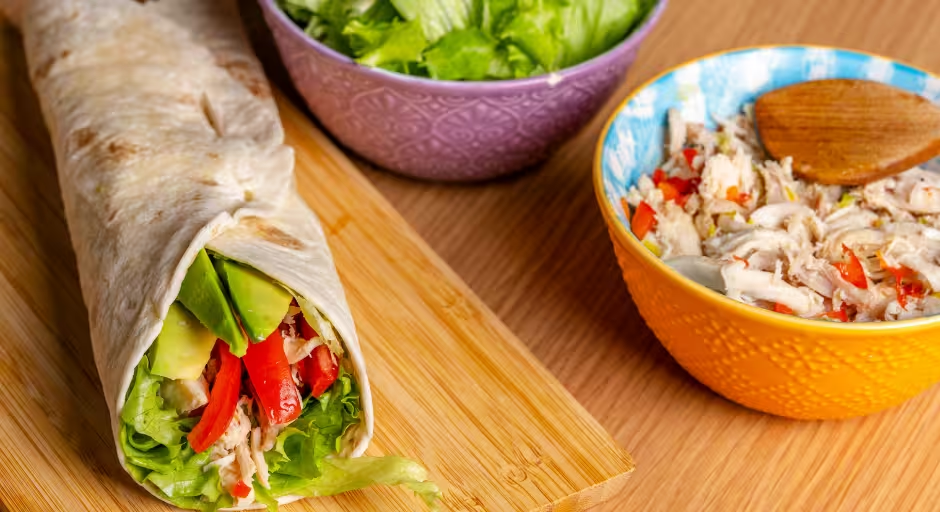
Nutrition
Protein-Packed Spring Meal Ideas
If your meals have been feeling repetitive, low-energy, or just plain uninspiring, spring is the perfect time to refresh your plate. With lighter ingredients, fresh flavors, and protein-forward combinations, you can build meals that support fat loss, steady energy, and real satisfaction without overcomplicating your routine.
Spring has a way of shifting everything, including how we want to eat. Heavier winter meals start to feel less appealing, and there is a natural pull toward fresher, lighter, more energizing foods. At the same time, many people are working to stay consistent with their weight loss goals while supporting their metabolism and adjusting to appetite changes that come with GLP-1 medications.
This is where protein becomes especially important. As portions naturally get smaller, particularly for those using GLP-1 through HealthiCare, every bite needs to work a little harder. Protein supports lean muscle, stabilizes blood sugar, helps manage hunger, and plays a key role in maintaining metabolic rate. Without enough of it, energy dips, cravings creep in, and progress can feel slower than expected.
The good news is that protein-packed meals don’t need to feel heavy or complicated. Spring ingredients make it easier to create meals that feel light and satisfying while still delivering the nutrients your body needs.
Why Protein Matters More Than Ever
Protein isn’t just about building muscle in the gym. It plays a central role in how your body functions every day. It supports tissue repair, helps regulate hormones, and keeps you feeling full and steady between meals.
During weight loss, protein becomes even more critical because it helps preserve lean muscle mass. Muscle is metabolically active, meaning it helps maintain your resting metabolic rate. When protein intake is too low, the body is more likely to break down muscle along with fat, which can slow metabolism and make long-term maintenance more difficult.
For those using GLP-1 medications, appetite suppression can make it easy to unintentionally under-eat protein. That is why being intentional about including protein in every meal is one of the simplest ways to support both short-term progress and long-term success.
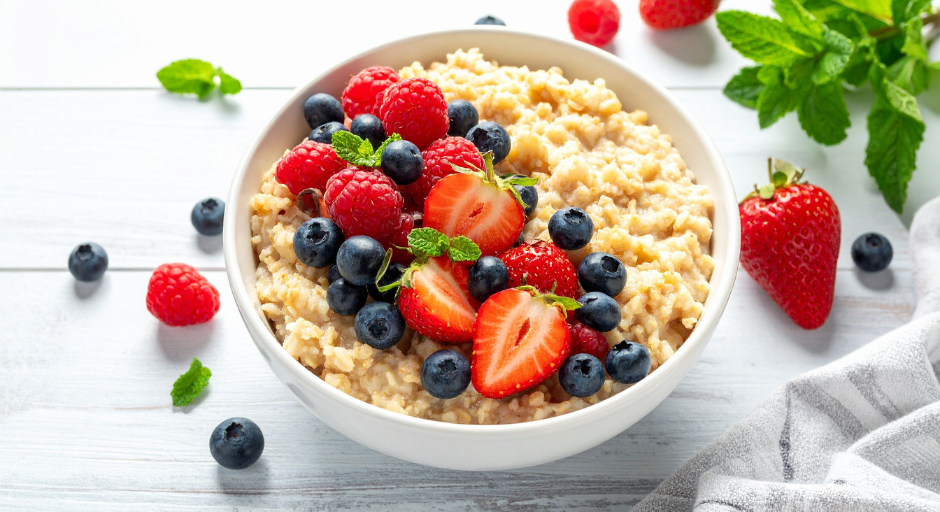
Breakfast Ideas That Set the Tone
Starting your day with protein helps stabilize blood sugar and prevents the mid-morning crash that often leads to cravings or mindless snacking.
A spring vegetable and egg scramble with spinach, asparagus, and cherry tomatoes cooked in olive oil provides a balanced mix of protein, fiber, and healthy fats. Adding avocado or a sprinkle of seeds enhances satiety and keeps energy steady.
If you prefer something quick, a cottage cheese bowl with sliced strawberries, flaxseeds, and almonds delivers protein, healthy fats, and natural sweetness without spiking blood sugar.
Another option is a protein oatmeal bowl made with oats, a scoop of protein powder, chia seeds, and fresh berries. This combination offers a balance of complex carbohydrates, protein, and fiber, making it both comforting and metabolically supportive.
Protein Oatmeal Bowl
This balanced, protein-forward breakfast combines complex carbohydrates, fiber, and healthy fats to keep energy steady and hunger controlled. It is especially helpful for mornings when you want something warm and comforting that still supports metabolism and keeps you full for hours.
Ingredients (1 serving):
• ½ cup rolled oats
• 1 cup water or unsweetened almond milk
• 1 scoop protein powder (vanilla or unflavored works best)
• 1 tablespoon chia seeds
• ½ cup fresh berries (strawberries, blueberries, or raspberries)
• Optional: 1 teaspoon honey or maple syrup for sweetness
• Optional: sprinkle of cinnamon
Instructions:
In a small saucepan, cook the oats with water or almond milk over medium heat until softened and creamy, about 5 minutes. Remove from heat and let it cool slightly before stirring in the protein powder to prevent clumping. Mix well until smooth, then add chia seeds and stir to combine. Top with fresh berries, and add a drizzle of honey or a sprinkle of cinnamon if desired. Serve warm.
Estimated Nutrition (per serving):
Calories: approximately 300–350
Protein: 25–30 grams
Carbohydrates: 35–40 grams
Fiber: 8–10 grams
Fat: 6–8 grams
The combination of oats and chia seeds provides slow-digesting carbohydrates and fiber, while the protein powder boosts satiety and supports muscle preservation. This makes it an ideal option for steady morning energy, especially for anyone navigating reduced appetite or focusing on metabolic support.
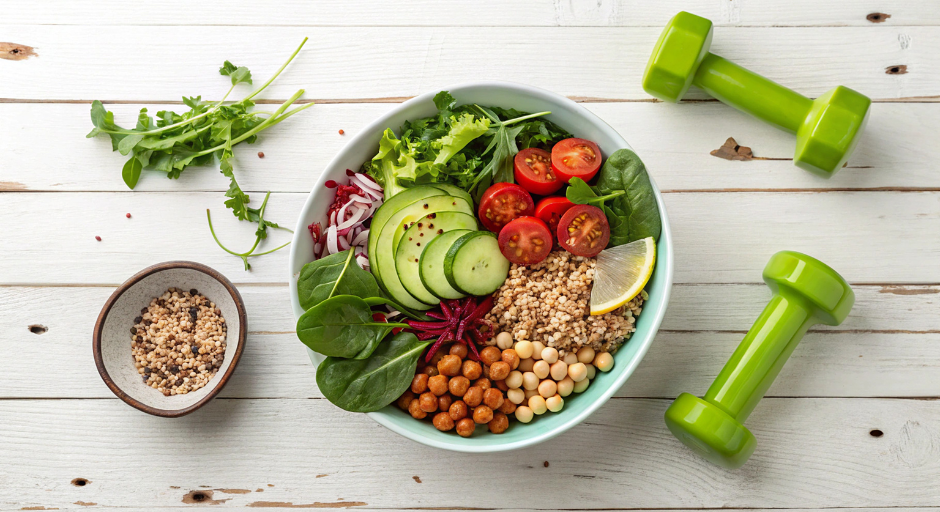
Light Lunches That Keep You Going
Spring lunches should feel refreshing but still substantial enough to carry you through the afternoon without an energy crash.
A grilled chicken and asparagus salad with arugula, radishes, and a lemon vinaigrette is a perfect example of a protein-forward meal that feels light but satisfying. Adding hemp seeds or pumpkin seeds boosts both protein and healthy fats.
Another simple idea is a turkey and avocado wrap using a whole-grain tortilla, fresh greens, and a light spread like hummus. It is easy to prepare, portable, and balanced enough to prevent that mid-afternoon slump.
For a plant-based option, a Mediterranean-style quinoa and lentil bowl with cucumbers, cherry tomatoes, herbs, and olive oil provides a complete protein source along with fiber and steady energy.
Mediterranean Quinoa & Lentil Bowl
This plant-based bowl is simple, fresh, and incredibly satisfying, combining complete protein, fiber, and healthy fats to support steady energy and balanced blood sugar without feeling heavy.
Ingredients (1 serving):
• ½ cup cooked quinoa
• ½ cup cooked lentils
• ½ cup chopped cucumber
• ½ cup halved cherry tomatoes
• 2 tablespoons finely diced red onion
• 1 tablespoon chopped fresh parsley
• 1 tablespoon olive oil
• 1 tablespoon fresh lemon juice
• Salt and black pepper to taste
Instructions:
In a medium bowl, combine the cooked quinoa and lentils. Add the cucumber, cherry tomatoes, red onion, and parsley. Drizzle with olive oil and fresh lemon juice, then season with salt and black pepper. Toss everything together until well combined and serve chilled or at room temperature.
Estimated Nutrition (per serving):
Calories: approximately 400–450
Protein: 18–22 grams
Carbohydrates: 55–60 grams
Fiber: 12–15 grams
Fat: 12–14 grams
The combination of quinoa and lentils provides a complete plant-based protein along with substantial fiber, helping to support digestion, stabilize blood sugar, and keep you full and energized throughout the day.
Dinner Recipes That Support Metabolism
Dinner is an opportunity to refuel, support recovery, and prepare your body for the next day.
Baked lemon herb salmon served with roasted spring vegetables like zucchini, asparagus, and bell peppers provides high-quality protein and omega-3 fats that support both metabolism and overall health.
A turkey and spinach stuffed pepper filled with quinoa, diced tomatoes, and herbs offers a balanced combination of protein, fiber, and complex carbohydrates in one satisfying meal.
For something warm but still light, a spring vegetable and chickpea curry made with coconut milk, turmeric, and fresh vegetables delivers plant-based protein, healthy fats, and anti-inflammatory benefits.
Spring Vegetable & Chickpea Curry
This warm, comforting curry is light enough for spring but still packed with plant-based protein, fiber, and healthy fats to support steady energy and overall metabolic health.
Ingredients (1 serving):
• ½ cup cooked chickpeas
• ½ cup chopped asparagus
• ½ cup peas
• ½ cup sliced carrots
• 1 cup fresh spinach
• ½ cup light coconut milk
• 1 teaspoon olive oil
• ½ teaspoon turmeric
• ½ teaspoon cumin
• ¼ teaspoon garlic powder
• Salt and black pepper to taste
• ½ cup cauliflower rice or ¼ cup cooked brown rice (for serving)
Instructions:
Heat olive oil in a medium pan over medium heat, then add the carrots and asparagus and sauté for a few minutes until slightly tender. Stir in the chickpeas, peas, turmeric, cumin, garlic powder, salt, and pepper, allowing the spices to warm and become fragrant. Pour in the coconut milk and let the mixture simmer for about 5–7 minutes until everything is heated through and slightly thickened. Add the spinach at the end and stir until wilted. Serve warm over cauliflower rice or a small portion of brown rice.
Estimated Nutrition (per serving):
Calories: approximately 350–400
Protein: 12–15 grams
Carbohydrates: 35–40 grams
Fiber: 10–12 grams
Fat: 14–16 grams
This combination of chickpeas, vegetables, and coconut milk provides a balance of protein, fiber, and healthy fats, helping to support digestion, reduce inflammation, and maintain steady energy while still feeling light and satisfying.
Snacks That Actually Support You
Snacks are not just fillers between meals. They are opportunities to reinforce protein intake and keep energy stable throughout the day.
A handful of roasted chickpeas with pumpkin seeds provides crunch, fiber, and protein in a simple, portable option. Apple slices paired with almond butter offer a balance of natural sugars, fiber, and healthy fats. Hard-boiled eggs with a sprinkle of sea salt and pepper are one of the simplest high-protein snacks you can keep on hand.
The goal is to choose snacks that work with your body, not against it, helping you avoid the cycle of quick spikes and crashes.
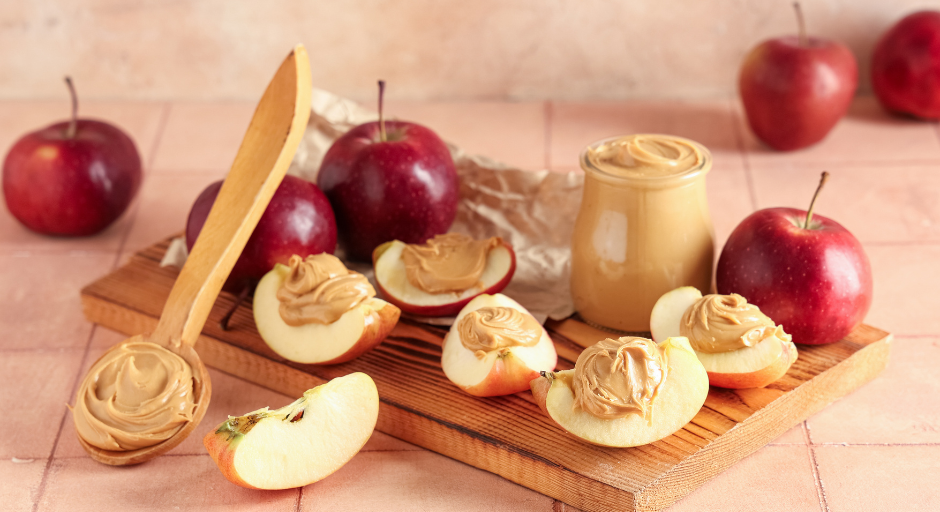
How the Healthi App Makes It Easier
Consistency is where results are built, and having the right tools can make that consistency feel much more manageable. The Healthi app helps you track your meals in a way that feels flexible and realistic.
Using the BITE system, you can easily see how your food choices align with your goals without needing to track every macro manually. This makes it easier to prioritize protein, fiber, and balanced meals throughout the day.
Healthi’s recipe library is also a major advantage. With a wide range of low-BITE, protein-forward meals available, you always have ideas ready when you need them. This removes the daily guesswork and helps you stay on track even when life gets busy.
Where HealthiCare Fits In
When GLP-1 therapy is part of your journey, having the right support system matters. HealthiCare provides access to GLP-1 medications like semaglutide and tirzepatide along with licensed clinicians who guide your treatment and help you navigate the process safely and effectively.
Medication helps regulate appetite and improve metabolic function, but pairing it with protein-rich meals and structured nutrition is what turns progress into something sustainable. With HealthiCare and the Healthi app working together, you have both medical support and practical tools to help you build habits that last.
Final Thoughts
Spring is the perfect time to refresh your approach to nutrition without overcomplicating it. Protein-packed meals do not need to be heavy, restrictive, or time-consuming. With fresh ingredients and simple combinations, you can build meals that support energy, protect muscle, and keep you feeling satisfied.
When you focus on adding protein, balancing your meals, and using tools that make consistency easier, progress starts to feel more natural and far less stressful. You are not just eating to lose weight. You are eating to support a stronger, more energized version of yourself.

Nutrition
Lifestyle
Spring Forward With Your Metabolism
Spring naturally inspires a reset, but if your energy has been dragging and your metabolism feels slower than usual, your body may simply need the right support. By focusing on seasonal foods, balanced nutrition, and structured habits, you can give your metabolism the boost it needs to feel energized, steady, and strong as the seasons change.
Spring has long been associated with renewal. As the days grow longer and the air begins to warm, many people feel the urge to clean, reorganize, and reset parts of their lives that may have become stagnant over the winter months. That instinct is not just psychological. Seasonal transitions can influence sleep cycles, activity levels, hydration, and even appetite signals, which all play important roles in metabolic health. It is common during late winter and early spring to feel slightly sluggish, notice dips in energy, or experience a shift in hunger patterns. These changes are not signs that your metabolism has failed you; they are signals that your body is adapting to seasonal rhythms and may benefit from intentional support.
Rather than approaching spring with restrictive diets or extreme resets, the most effective strategy is to gently reinforce the systems that support metabolic health every day. Nutrition, movement, hydration, and consistent routines work together to stabilize blood sugar, protect lean muscle, and support energy production. When those foundations are in place, your metabolism functions more efficiently, and the renewed energy that people associate with spring begins to feel natural rather than forced.

Understanding What Your Metabolism Really Needs
Metabolism is often misunderstood as a single switch that can be turned on or off, but in reality it is a network of processes responsible for converting food into usable energy. Hormones, muscle mass, blood sugar regulation, sleep quality, and stress levels all influence how efficiently this system operates. When any of these areas become imbalanced, energy levels can drop and weight management may become more difficult.
One of the most important factors supporting metabolism is lean muscle. Muscle tissue is metabolically active, meaning it burns more energy even when the body is at rest. This is one reason why balanced nutrition and strength-focused movement become increasingly important over time. Adequate protein intake supports muscle repair and maintenance, while fiber-rich carbohydrates provide steady fuel that prevents blood sugar spikes and crashes. Healthy fats contribute to hormone regulation and cellular function, ensuring that the body has the resources it needs to maintain consistent energy.
When meals consistently include these three components—protein, fiber, and healthy fats—the body receives signals of stability and nourishment. Instead of reacting to sudden drops in energy or intense cravings, your metabolism begins operating in a more predictable, sustainable rhythm.
Seasonal Foods That Support Energy and Metabolic Health
Spring offers an abundance of foods that naturally support metabolic function. Many seasonal vegetables are rich in fiber, antioxidants, and water content, which help digestion, hydration, and blood sugar stability. Leafy greens such as spinach, arugula, and romaine provide folate and magnesium that support energy production and nervous system balance. Asparagus offers prebiotic fiber that nourishes gut bacteria, an important contributor to metabolic health and immune function. Bright vegetables such as bell peppers and radishes provide vitamin C and antioxidants that help combat oxidative stress.
Fruits that arrive in spring, including berries and citrus, offer hydration, fiber, and micronutrients that support energy without dramatically increasing blood sugar levels. When paired with protein sources such as eggs, cottage cheese, nuts, or yogurt, these foods create balanced meals and snacks that keep energy steady throughout the day.
These seasonal ingredients do not need to be complicated. Simple meals such as grilled salmon with asparagus, a spinach and mushroom omelet with berries, or a chopped salad with chicken and fresh vegetables can provide the balanced nutrition your metabolism thrives on. Spring nutrition is less about drastic changes and more about returning to foods that are fresh, vibrant, and naturally supportive of energy.
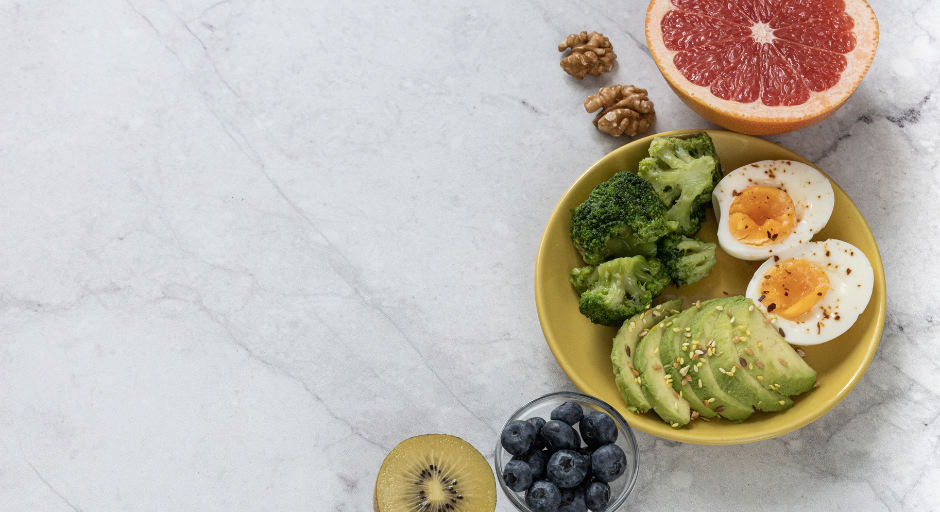
How the Healthi App Helps Support Your Metabolism
Even when motivation returns in spring, consistency remains the key to metabolic health. The Healthi app helps bring structure to your routine in a way that feels supportive rather than restrictive. Using the flexible BITE system, every food receives a value based on your personalized plan, helping you prioritize balanced meals without complicated calculations or rigid dieting rules. Healthi’s recipe library also makes planning easier. With thousands of low-calorie, low-BITE meal ideas available in the app (and website), you always have simple, balanced options to choose from, so you never have to wonder what to make next.
Tracking meals, hydration, and progress inside the app allows you to see patterns that influence your metabolism. You may notice which meals keep your energy steady, how protein intake affects hunger, or how hydration improves focus and stamina. For individuals who are actively working toward weight loss or metabolic improvement, this awareness helps prevent common pitfalls such as under-eating, skipping meals, or relying on foods that cause rapid energy crashes. Instead of guessing what your body needs, the Healthi app provides clarity that supports steady, sustainable progress.
When Medical Support Can Strengthen Your Metabolic Reset
For some individuals, lifestyle habits alone may not fully address metabolic changes, particularly when hormones, insulin sensitivity, or appetite signals have shifted. HealthiCare provides clinically guided options designed to support metabolic health in a structured and personalized way. Through HealthiCare, members receive access to licensed clinicians who review health history, provide medical guidance, and offer treatment options when appropriate.
For individuals using GLP-1 medications such as semaglutide or tirzepatide, HealthiCare pairs medical support with the Healthi ecosystem to create a more complete approach to weight management. Medication may help regulate appetite and blood sugar signals, while the Healthi app provides the tools needed to build sustainable nutrition and lifestyle habits. Together, these supports create a structured environment that helps individuals protect lean muscle, maintain consistent energy, and work toward fat loss in a steady and manageable way.
Building a Metabolism That Works With You
Spring is an invitation to reset, but the most powerful changes rarely come from dramatic overhauls. They come from consistent actions that reinforce your body’s natural systems. Balanced meals, regular movement, adequate hydration, and structured tracking provide the stability your metabolism needs to function well. When these habits are supported by tools like the Healthi app and, when appropriate, medical guidance through HealthiCare, progress becomes far more sustainable.
Rather than chasing quick fixes or seasonal diet trends, spring can become a time to reconnect with habits that help your body feel energized and capable. When your metabolism receives the nourishment and support it needs, the renewed energy of the season begins to feel genuine and lasting.
Final Thoughts
Spring is not about forcing your body into change; it is about creating an environment where energy, strength, and metabolic balance can naturally return. By focusing on nutrient-dense foods, consistent routines, and supportive tools, you can step into the season feeling stronger and more energized. With the right habits and the right support, your metabolism can move forward with you, turning spring’s sense of renewal into real, lasting wellness.

Weight Loss Tips
Learning From Your Weight Loss History
Coach Jeri shares why understanding your personal weight loss history can be one of the most powerful tools for lasting success. By recognizing patterns, triggers, and past cycles, you can break free from repeated dieting struggles and build a healthier, more sustainable path forward.
Hi, Coach Jeri here! We have all heard the saying, “Those who do not learn from history are doomed to repeat it.” That saying holds true for anyone who has gained and lost weight over the years.
Knowing your weight, diet, and lifestyle history is crucial for long-term success because it helps identify specific triggers, patterns of weight cycling, and emotional eating habits that may have caused the cycle of gaining and losing. I put myself in that category as a “repeat offender” for most of my dieting history.
Understanding your history is one of the most underutilized tools for sustainable weight loss. Your personal timeline—on a physical, medical, and psychological level—can help you overcome past cycles. It can also help medical professionals determine whether there may be physical factors involved.
Your personal history can act like a map that guides you toward a better future by helping you understand how and why you gained weight. For some people, it may be connected to trauma at a young age, pregnancy, menopause, stress, or loss.
Do you turn to food when you are under stress? Can you remember when you first started to gain weight and what was happening in your life at that time?
Tapping into times when you were successful is a great way to move forward and use those experiences as a starting point.
Why Looking Back Can Help You Move Forward
One issue many of us face is feeling like nothing ever really works. Because of so many past failures, many people jump from one plan to the next, hoping the next one will finally be the solution. However, if a plan is only a short-term fix, it will likely repeat the same cycle of losing and gaining.
Make sure any plan you choose is something you can live with long term. I often ask members, “Can you see yourself eating this way for years to come?”
Take a careful inventory of the positive experiences you’ve had over the years. These moments can give you clues about what truly works for you.
Strive to gain insight into your history. This can help make sense of behaviors like the “might as wells” or the “last supper” mindset. The more insight you gain into negative habits, the easier it becomes to address them in a more thoughtful way because you already know the possible outcome.
Insight is the key that opens the door to identifying behaviors that have not served you well in the past.

Identifying Patterns and Triggers
Here are some helpful ways recognizing patterns can guide your progress:
- Patterns and triggers can help pinpoint specific situations that led to weight cycling or emotional eating in the past.
- Analyze what worked and what didn’t. For many people, highly restrictive plans did not last long term. Think about when you were successful and when your motivation began to fade.
- Get in touch with root causes. Understanding deeper struggles can help you move forward. Knowledge is powerful.
- Understand the weight cycle. Recognizing how losing and regaining weight has affected your outlook can help you build a more sustainable approach.
- Notice recurring themes. Seasonal patterns, procrastination, impatience, positive outlook, and mindset can all play a role.

Conducting a Personal History Audit
Taking a personal history audit can help bring clarity.
- List three times when you successfully lost weight.
- Identify when and why you gained it back.
- Commit to changing at least one factor moving forward.
It can also be helpful to look at your family history, as there may be genetic or medical factors involved. Understanding this information can be valuable when working with medical professionals.
Growth Happens One Step at a Time
No one changes a lifelong relationship with “food noise” and negative eating habits overnight. Growth is gradual. Each time you win a small battle against a trigger or pattern, you become stronger.
Looking honestly at your history can be difficult. You may not want to face the past. But it is through this knowledge that you gain the ability to grow and prepare for the positive changes ahead.

Lifestyle
Beyond the Jeans: Finding a "Why" That Actually Sticks
From postpartum pressure to finding your “why,” Coach Delicia shares how she’s redefining health, strength, and self-care in the fourth trimester—fueling her body, building resilience, and showing up for her son every day.
Hey Healthi friends! Coach Delicia here. It’s officially March in Colorado, which means we’re in that weird season where one day it’s 60 degrees and sunny and the next we’re buried under a foot of snow. I’ve had a lot of time to reflect lately while hunkering down with baby. He’s seven weeks old now, and honestly, he has rocked my entire world.
Being in the thick of the fourth trimester has completely shifted my mindset. A few months ago, my goals were pretty typical. I wanted to stay fit, look good, and eventually get back to my pre-pregnancy weight. But now? That mother bear instinct has officially set in, and my “why” for staying healthy has gone from surface-level vanity to something way deeper.
The Pressure to Bounce Back
I know the pressure to bounce back is everywhere. My social media algorithm keeps pushing these fitness influencers who have visible abs and are back in the gym a week after giving birth. Let’s be real, that’s not the reality for most of us. I’m not a fitness influencer. I’m a mom recovering from a six-hour home birth, working on my pelvic floor, and trying to find my core strength again. Looking better just isn’t a strong enough reason to choose a salad over junk food when I’m exhausted. We need an anchor that’s internal, not just a smaller pant size.

The Vanity Trap
Vanity is a fair-weather friend. It’s great when the scale is moving, but it’s the first thing to bail on you when things get tough. I’ve got those cute pre-pregnancy jeans sitting in my closet, and sure, I’d love to fit into them again. But you can always buy new jeans.
Instead of punishing the body I have, I’m shifting to preparing my body for what I’ll need in the future. I live in a third-floor apartment. The other day I thought, if there was an emergency, could I get my baby out of here safely? If he’s a toddler running toward the street, can I run faster than him? Can I carry him, his gear, and a load of groceries through a Colorado snowstorm without losing my balance?
It’s not about the stupid jeans anymore. It’s about being strong enough to protect my son and being healthy enough to be there for his first heartbreak, his graduation, and his own family someday. My health journey isn’t just about me anymore, it’s about him.
Finding Your Core: The Five Whys Technique
If you’re struggling to stay motivated, it’s probably because your “why” isn’t big enough yet. I want you to try the Five Whys technique to dig past the surface. It looks a bit like this:
- Why do you want to lose weight? Maybe it’s to feel better in your clothes. (Valid!)
- Why do you want to feel better in your clothes? So you can have more confidence.
- Why do you want more confidence? Because you’re tired of sitting on the sidelines.
- Why do you want to stop sitting on the sidelines? You want to be the parent who initiates the soccer game or the hike.
- Why is that important? Because you want your kids to have a parent who is present, capable, and strong enough to lead them.
Suddenly, it’s not about a number on the scale. It’s about your legacy. Whether your “why” is career longevity, mental health, or breaking a family cycle of illness, it has to be bigger than your closet.

A New View on Fuel, Armor, and Rest
When you find a “why” that’s tied to someone you love more than yourself, you become unstoppable. It changes how you look at your daily habits:
Fuel, Not Restriction: Logging into the Healthi tracker isn’t about what you can’t have. It’s about what kind of fuel you’re giving your body. I’m breastfeeding, so I need real energy. Am I going to give myself empty McDonald’s calories, or lean protein and greens that actually help me show up for my baby?
Armor, Not Calorie Burning: Movement isn’t about “paying for” what you ate. It’s about building your armor. I’ve started heading back to Jiu-Jitsu every other week. My core strength isn’t where it used to be, but I’m building that mobility so that when I’m 100 years old, I can get back up if I fall. I don’t want my son to have to pause his life because I didn’t take care of mine.
Recovery, Not Laziness: I used to find it so hard to rest. Now, seven weeks in, if there are dishes in the sink, I don’t care. Rest is about recovery so I can have the patience and the attitude my son deserves the next day.
You Only Get One “Car”
Imagine if you were born and someone told you that you only get one car for your entire life. You’d change the oil, keep it clean, and avoid unnecessary wear. We often treat our bodies like they’re disposable, but they’re more permanent than any car. Your body has kept you alive through every surgery, ailment, and even the miracle of growing a human. It deserves respect and care, not just a smaller dress size.
I can hear my baby waking up from his nap in the other room, so I’ve got to run. But I hope this encourages you to look at your Healthi journey as a way to honor the body that’s kept you here. Do what you can, where you are, with what you have.
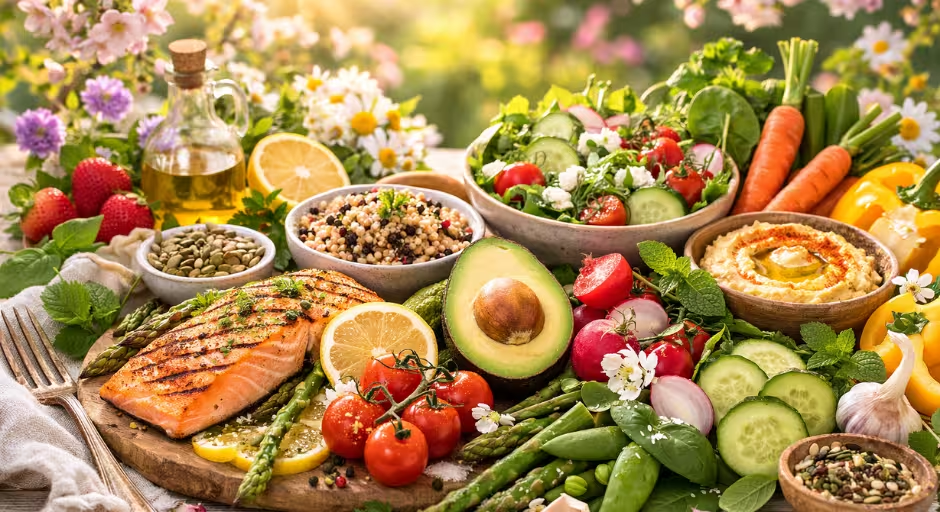
Lifestyle
Spring into Nutrition: Fresh Foods That Boost Energy and Mood
Spring is the perfect time to reset your energy and mood. By focusing on fresh seasonal produce, protein, and healthy fats, you can stabilize blood sugar, support lean muscle, and boost lasting energy.
Spring has a way of encouraging renewal, with longer days, lighter air, and the subtle pull of fresh routines. Yet despite the sense of promise, many adults notice an unexpected dip in energy and motivation during this seasonal transition. Afternoon slumps feel heavier, cravings for sweets or comfort foods resurface, and focus can waver. These changes aren’t a failure of discipline; they are often signs that your body is responding to shifts in hormones, hydration, sleep, and nutrition. After months of heavier winter meals or irregular eating patterns, your metabolism is asking for support. Spring provides the perfect opportunity to nourish your body with foods that stabilize blood sugar, sustain energy, and enhance mood, without feeling restrictive, making nutrition a strategic tool for wellness rather than a reactive response to fatigue. For HealthiCare members using GLP-1 therapy, this approach becomes even more impactful, as appetite cues shift and the body requires intentional support to protect muscle and metabolism while making progress feel sustainable.
Why Spring Foods Matter
Energy, mood, and focus are all intimately tied to blood sugar regulation, micronutrient intake, hydration, and protein adequacy. Meals that are low in protein or fiber can create rapid spikes and dips in glucose, leaving you irritable, fatigued, or craving more sugar. Fresh, seasonal vegetables and fruits are rich in fiber, antioxidants, and water content, while also providing vitamins and minerals essential for both metabolic and neurological function. When these foods are paired with adequate protein and healthy fats, they create consistent energy and support mood, helping you feel more grounded and focused throughout the day.
Strategic eating in spring is about building steadiness from the inside out, not chasing momentary energy bursts, and tools like the Healthi app make this process simple, allowing you to track meals, hydration, and nutrient intake while using the flexible BITE system to guide balanced choices without restriction.
Spring Vegetables That Support Energy
Leafy greens such as spinach, arugula, and romaine provide folate and magnesium, nutrients that are crucial for energy production and nervous system regulation. Asparagus adds prebiotic fiber to support digestion and gut health, which directly influences mood and metabolic function. Bell peppers and radishes supply vitamin C and antioxidants that help combat oxidative stress, which can otherwise contribute to fatigue. Pairing these vegetables with protein and healthy fats transforms them from mere side dishes into meals that fuel sustained energy and resilience, supporting your body as it adapts to both seasonal change and any GLP-1-related appetite adjustments.
Fruits That Lift Mood Without Spiking Blood Sugar
Spring fruits like berries and citrus deliver antioxidants, fiber, and hydration while maintaining lower sugar content than many other fruits. Berries provide a naturally sweet component without destabilizing energy, and citrus fruits supply vitamin C to support adrenal function and overall vitality. Combining fruit with protein sources such as eggs, cottage cheese, or a small handful of nuts balances glucose and prolongs energy, turning a simple snack into a stabilizing, mood-supporting mini-meal. For HealthiCare GLP-1 members, this strategy is especially important to ensure each bite supports muscle preservation and metabolic function while appetite is naturally reduced.
Protein: The Spring Anchor
Even as meals lighten in spring, protein remains the foundation of metabolic support. Protein preserves lean muscle, stabilizes appetite, and supports metabolic rate. Options such as grilled chicken over fresh greens, salmon with roasted spring vegetables, eggs with sautéed spinach, or lentils tossed with cucumber and herbs feel light but are deeply nourishing. For those using GLP-1 therapy, protein becomes even more essential. Appetite suppression can make it easy to unintentionally under-eat, and prioritizing protein ensures that weight loss supports muscle preservation, metabolic strength, and sustainable energy rather than depletion. Tracking protein intake and overall nutrition in the Healthi app helps you stay consistent while adapting to changes in appetite and metabolism.
Healthy Fats That Keep You Steady
Spring meals often feel lighter, but healthy fats remain crucial for hormone production, energy, and cellular function. Unsaturated fats from avocado, olive oil, walnuts, chia seeds, and fatty fish stabilize blood sugar and support long-term metabolic health. Simple additions like a drizzle of olive oil over roasted vegetables or a sprinkle of hemp seeds on a salad can transform meals into balanced, sustaining nutrition that works in tandem with GLP-1 therapy for optimal results.
Simple Spring Meal Inspiration
These meals showcase how fresh, seasonal foods paired with protein and healthy fats provide energy, stabilize blood sugar, and support overall mood without feeling heavy or restrictive. They also integrate seamlessly with the Healthi app, allowing GLP-1 users to track nutrient intake, ensure protein adequacy, and maintain consistency while appetite cues shift.
- A grilled salmon bowl with arugula, quinoa, cucumber, and lemon vinaigrette.
- A spinach and mushroom omelet served with avocado and fresh berries.
- A chopped salad with grilled chicken, asparagus, radishes, and pumpkin seeds.
- A cottage cheese bowl topped with strawberries, flaxseeds, and a handful of almonds.

Structure Makes It Sustainable
Spring often inspires renewed motivation, but consistency is what produces lasting results. The Healthi app helps you stay aware of protein intake, fiber balance, hydration, and overall meal patterns while allowing flexibility with the BITE system. You can make intentional choices that support metabolism and energy without feeling restricted. For HealthiCare members, combining GLP-1 therapy with structured nutrition and seasonal, whole-food meals protects lean muscle and metabolic function while making progress feel steady and supported. Spring is not about eating less; it is about eating intentionally. By filling your plate with foods that stabilize blood sugar, support muscle, and nourish the nervous system, energy improves, mood lifts, and cravings calm naturally. Instead of chasing fleeting motivation, you create a foundation for it from the inside out.
Nutrition
Weight Loss Tips
The Foods That Support Weight Loss When Motivation Is Low
Even on days when motivation is MIA, your food choices don’t have to suffer. Choosing meals that fuel your body and stabilize energy can make weight loss feel a little bit easier and a whole lot more sustainable.
We’ve all been there: the alarm goes off, the gym feels like a mountain, and the healthy meal you prepped? Suddenly, not as appealing. Motivation isn’t always constant, and that’s okay. It’s why building a supportive food environment matters more than sheer willpower. When your body is fueled with foods that stabilize energy, support fullness, and protect lean mass, sticking to your plan becomes easier, even on the low-motivation days.
Protein: The Foundation You Can Count On
Protein is the unsung hero of weight loss, especially when appetite or motivation is off. It helps maintain lean muscle, supports metabolism, and keeps you feeling satisfied between meals. High-quality sources like eggs, Greek yogurt, lean meats, and plant-based options such as lentils or tofu are practical staples. For GLP-1 HealthiCare members, structured plans like Healthi Fresh make it easy to hit protein targets, pairing appetite-friendly meals with nutrient-dense ingredients to keep your body strong while reducing appetite.
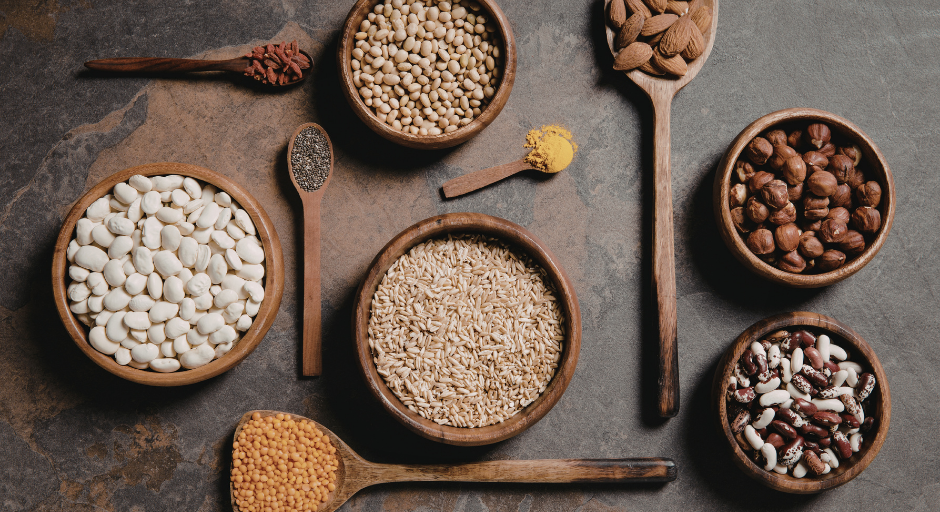
Fiber: Your Secret Weapon for Fullness
Fiber isn’t just for digestion; it’s your ally in feeling satisfied and regulating blood sugar. Fruits, vegetables, whole grains, and legumes slow the absorption of sugar, stabilize energy, and reduce those mid-afternoon snack cravings. When paired with protein, fiber creates a one-two punch that keeps both energy and mood steadier. This can be a huge help on days when motivation is low and decisions feel harder.
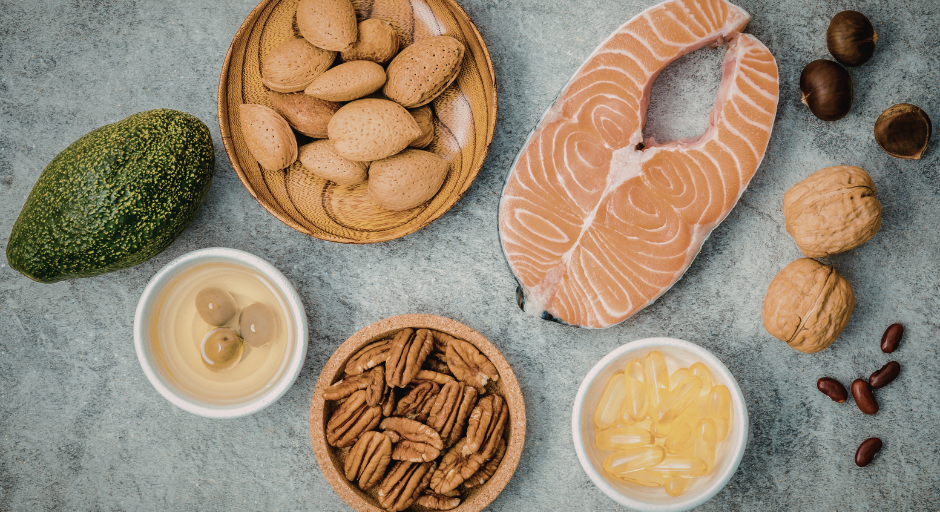
Healthy Fats: Fuel That Works With You
Don’t shy away from fat… the “healthy” kind that is. Unsaturated fats like nuts, seeds, olive oil, and fatty fish provide sustained energy, support hormone production, and help your body absorb fat-soluble nutrients. Including healthy fats in meals keeps you full longer and prevents the energy crashes that can sabotage even the most intentional plans.
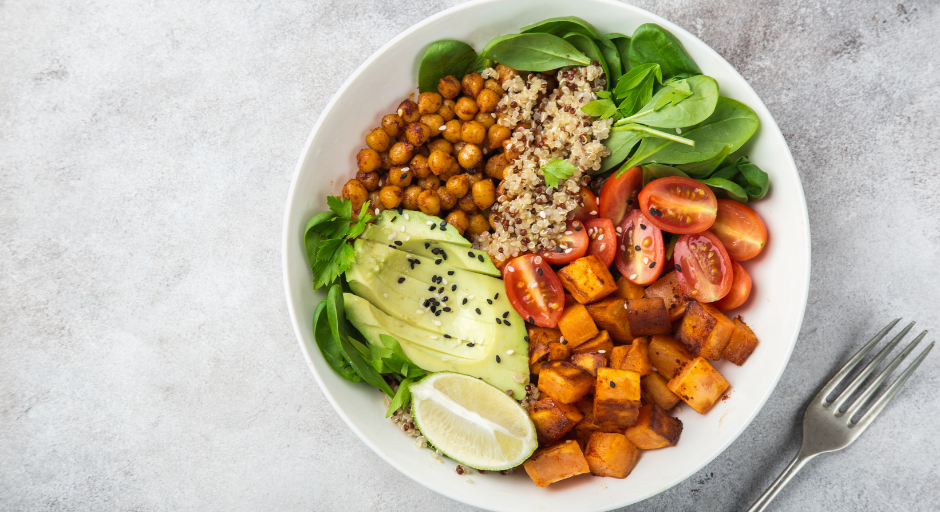
Carbs That Support, Not Sabotage
Carbohydrates are very often misunderstood. Choosing the right ones — like whole grains, sweet potatoes, quinoa, or fruit — helps maintain energy for movement and daily function, supports training performance, and provides fiber for fullness. On days when motivation is low, fueling your body with steady energy is far more effective than trying to push through on empty or highly restrictive choices.
Sample Meals and Snacks to Keep You Fueled
Even when motivation is low, having go-to options makes it easier to stick to your plan without overthinking. These ideas are designed to combine protein, fiber, and healthy fats for steady energy and satiety:
Breakfast: Start your day with a meal that stabilizes blood sugar and fuels your morning. Try a savory oatmeal bowl. Cook steel-cut oats with a pinch of salt, then stir in a soft-boiled egg, sautéed mushrooms, and a handful of spinach. Top with a drizzle of olive oil and pumpkin seeds for healthy fat and crunch. Or scramble two eggs with spinach and tomatoes and top with avocado slices for extra healthy fat.
Lunch: Keep it simple and balanced. A quinoa and grilled chicken bowl with roasted vegetables and a drizzle of olive oil hits protein, fiber, and healthy fats. For a plant-based option, try a lentil and chickpea salad with cucumbers, bell peppers, and a tahini dressing — full of fiber and plant protein.
Dinner: Focus on nutrient-dense meals that support recovery and metabolism. Baked salmon with roasted sweet potatoes and steamed broccoli provides omega-3s, complex carbs, and fiber. Or make a stir-fry with tofu, mixed veggies, and brown rice, seasoned with garlic, ginger, and sesame oil for a satisfying, metabolism-supportive dinner.
Snacks: When motivation is low, snacks keep energy stable and cravings in check. Consider apple slices with almond butter, cottage cheese with sliced peaches, or a small handful of nuts and roasted chickpeas. Even a hard-boiled egg with carrot sticks provides protein and fiber in a grab-and-go format.
These meal and snack ideas pair perfectly with GLP-1 therapy through HealthiCare. When appetite is reduced, every bite counts. These options ensure each meal provides meaningful nutrition while keeping energy steady and metabolism protected.
Consistency Over Perfection
It’s tempting to think you need perfect adherence to see results. The truth is, small, consistent choices add up over time. A breakfast with protein and fiber, a lunch with balanced macronutrients, and snacks that support energy can keep your plan moving forward, even if motivation dips midweek. Using tools like the Healthi app helps you track meals, see patterns, and maintain consistency without stress. The flexible BITE system guides you toward balanced choices instead of rigid rules, giving you freedom while still supporting your goals.
Support Beyond Food
Sometimes, nutrition alone isn’t enough. HealthiCare offers targeted treatments that work with your lifestyle and nutrition to optimize energy, metabolic function, and overall weight loss support. Pairing structured habits, balanced meals, and clinically informed treatments ensures your body has the tools it needs to stay resilient, even when motivation is low.
Final Thoughts
Motivation comes and goes, but your habits don’t have to suffer. By prioritizing protein, fiber, healthy fats, and balanced carbs, you can keep progress steady, protect your metabolism, and stay consistent without forcing yourself through willpower alone. Even on the toughest days, your body can feel supported, strong, and energized.

Lifestyle
Maintaining a Healthy Weight as We Age
Maintaining a healthy weight as we age can feel more challenging, but it is absolutely possible. As metabolism slows and muscle mass declines, small, consistent changes make a big difference. Coach Jeri shares her personal experience and practical strategies to stay strong, protect your health, and focus on what you gain along the way.
Aging, Weight Loss, and Staying Strong
Hi, Coach Jeri here! Like many of our members, I am in my later years, and losing and maintaining weight can be challenging. Your body shape changes naturally as you age. You cannot avoid some of these changes, but your lifestyle choices can help you better manage them.
As we get older, we often deal with medical issues that can affect stamina and slow us down. However, this does not mean we cannot be successful with a few changes.
One of the biggest hurdles is the loss of muscle mass. After age 50, you lose about 10% of your muscle mass per decade, and that directly impacts how calories are burned. Having a higher ratio of muscle allows you to burn more energy, even at rest.
We all know exercise is important. Our bodies were made for movement. You don’t have to join a gym and spend hours on machines. There are many videos to follow at home, and simple walking combined with light weights can improve muscle mass while keeping your body moving in the right direction. Those who combine diet and exercise tend to do better overall.
Weight loss requires adapting to a slower metabolism and reduced muscle mass. What worked in the past may not work the same way now. Your body is different, and you need to address it accordingly.
Many factors can affect weight, including genes, age, sex, lifestyle, family habits, culture, and sleep. Having the right information makes it easier to tackle these issues without being overly restrictive. It comes down to following a nutritious eating pattern and exercising regularly to keep your body as healthy as possible as you age.
Carrying extra weight can be a major risk factor at any age, but in later years, the chances of serious health risks increase. These include high blood pressure, diabetes, heart disease, sleep apnea, and cancer. Bone fractures also become more common as bones grow more fragile.
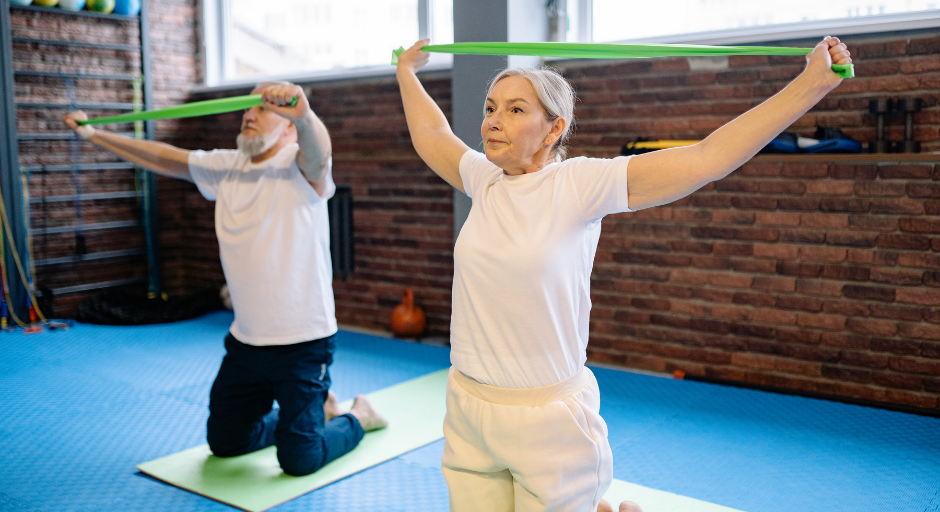
Why Weight Loss Changes as We Age
Losing weight as you age is a complex process influenced by several factors:
- Metabolic slowdown – The body requires fewer calories. There is no one-size-fits-all approach. You have to find the right amount of calories or BITE values that work for you.
- Muscle loss – Loss of lean muscle tissue reduces natural energy expenditure.
- Hormonal shifts – These can definitely affect mood and energy levels.
- Lifestyle factors – Reduced physical activity, retirement, an empty nest, or the loss of loved ones can all play a role.
Strategies for Success
Here are some practical strategies to help manage these changes:
- Strength training
- A protein-rich diet
- Staying active
- Avoiding rigid fads
- Portion control
- Proper hydration
- A good night’s sleep
- Getting a physical with blood work
- Learning how to swap usual foods for healthier choices (this is something we work on in my meetings weekly)
Healthy weight ranges for older adults are different from those of younger age groups. The number on the scale — and even BMI calculators — only tells part of the story. Older adults with a “normal” weight may have more fat and less muscle compared to others who are slightly overweight.

Focus on the Possibilities
February is Heart Healthy Month and it's a time when everyone is encouraged to focus on cardiovascular health. It’s a reminder that many factors affect our bodies as a whole. Don’t look at the obstacles (I know there are many). Look at the possibilities. Focus on what you will gain while you are losing: better-fitting clothes, healthier food choices, less medication, and fewer aches and pains.
It can be done. I am living proof. I have been on thyroid medication for years and am borderline diabetic, but I am healthier now than I have ever been. We all want to prolong life. Losing weight and staying fit can truly be your fountain of youth.

Lifestyle
From Home Birth to Postpartum Hustle: My New Reality
February feels different this year. Instead of winter routines, I’m navigating newborn life, postpartum recovery, and redefining what Healthi looks like in this season. This is an honest look at postpartum nutrition, grace, recovery, and taking it one BITE at a time.
Hey everyone! Delicia here. It’s officially February here in Colorado, which usually means I’m hunkering down with a heating pad and a hot tea while the wind whips across the Front Range. But this year, my hunkering down looks a whole lot different.
As most of you know, I welcomed my sweet baby boy into the world on January 7th, and life’s been a beautiful, wild, sleep-deprived whirlwind ever since. I’m officially in the thick of maternity leave and the stay-at-home mom life, and let me tell you, the juggle is very real.
But before we get into the how-to of it all, I've got to share the birth story because I’m still buzzing from it. I had an unmedicated, 6-hour home birth, and honestly, it was the most empowering, intense, and incredible experience of my life. Bringing him into the world in our own space was everything I hoped it’d be. But now that the birth adrenaline’s worn off, I’m navigating a whole new mountain: postpartum recovery, feeding a newborn, and getting back into my Healthi groove.
The Liquid Gold Pivot
I’ll be totally real with you guys: my breastfeeding journey didn't start exactly how I pictured it in my head. We really struggled with getting him to latch at first. It was frustrating, emotional, and absolutely exhausting. But instead of letting it defeat me, I pivoted. I started my pumping journey, and honestly, it’s been so empowering.
The silver lining to all that hard work is that I’ve been able to donate my extra milk to a local family with a newborn in need. Knowing my liquid gold is helping another baby thrive makes every late-night pump session worth it. It turns out that even when things don't go according to Plan A, the backup plan can be even more rewarding.
Fueling the Hustle: Recovery and Supply
To keep my supply steady and help my body heal from the marathon of birth, I’ve been super intentional about what’s on my plate. After an unmedicated birth, your body needs serious repair, and if you’re pumping, your nutritional needs are on a whole different level.
If you’re in the same boat, here’s what I'm reaching for to support recovery and milk supply:
Oats and Flaxseeds: These are classics for a reason. Oats contain beta-glucan, which can help support the hormones responsible for making milk.
Healthy Fats (Avocado and Salmon): Your brain and your baby’s brain both need these! Omega-3s are crucial for recovery and for the quality of your milk.
Iron-Rich Foods: Whether it’s spinach, lean beef, or lentils, you need to replenish your iron stores after birth to keep your energy up.
The Rungry Strategy: If you’ve ever nursed or pumped, you know the rungry (relentlessly hungry) feeling. I lean hard on zero-BITE foods like berries and peppers to satisfy that volume-hunger without blowing my daily budget.

Learning to Slow Down (The Contact Nap Chronicles)
One thing I didn't expect to learn so quickly? The art of the contact nap. My son currently thinks my chest is the only acceptable place to sleep, and for the first few weeks, it drove my Type A brain crazy. I kept looking at the sink full of dishes and the mountain of laundry, feeling like I was failing my to-do list.
But lately, I’ve had a major perspective shift. I’m learning to slow down and actually enjoy these moments. The dishes can wait. The laundry isn't going anywhere. This season is so short, and choosing to sit still, breathe in that newborn smell, and just be with him is a form of self-care in itself. I’m learning that checking off the list isn't the goal anymore, soaking up the moment is.
The Grace Factor
I’m a bold, straightforward person, so here’s the truth: my body looks different. It’s softer, I’m exhausted, and the weight isn't just falling off instantly. And that’s okay.
My body just grew a human. It survived a 6-hour unmedicated labor. It’s currently sustaining a tiny person and helping another family in need. That’s a miracle, not a problem to be solved overnight. I’m focusing on how I feel rather than just the number on the scale.
We’ve got to stop being so hard on ourselves, ladies. Your value isn't tied to how fast you bounce back. It’s tied to how well you take care of yourself so you can show up for your family. Sometimes the most Healthi thing you can do is let the house be a mess and enjoy a snuggle.
One Day at a Time
This month is all about survival and small wins. I’m taking it one BITE at a time, one nap at a time, and, let’s be honest, about a million diaper changes at a time.
To all my fellow mamas out there, especially those of you in the newborn haze: you’re doing an incredible job. Don't let the scale (or an unfinished to-do list) tell you otherwise. We’ve got this.

Weight Loss Tips
Lifestyle
Why February Is Where Long-Term Weight Loss Is Built
January is over, and for many, the shine of New Year’s resolutions is fading fast. Real life is back in full swing, and suddenly, motivation dips, temptations feel louder, and the scale might not reflect all your effort. The reality? February is where real, lasting change happens. This is the month where habits become habits, momentum builds quietly, and the small choices you make actually add up.
Momentum Isn’t About Perfection
Most people think weight loss success is about hitting milestones every week or sticking to a perfect routine. In reality, long-term results aren’t built on perfection; they’re built on consistency, flexibility, and small adjustments that fit your real life. February is the perfect time to let go of the hype and focus on what works for you.
Ask yourself:
- Which routines actually fit into my schedule without feeling impossible?
- Where can I make small, realistic tweaks that I can stick to for the long haul?
- How can I stay consistent even when life gets messy, stressful, or unpredictable?
Answering these questions isn’t about self-judgment; it’s about strategy. This mindset distinguishes between quick, fleeting fixes and habits that foster sustainable transformation.
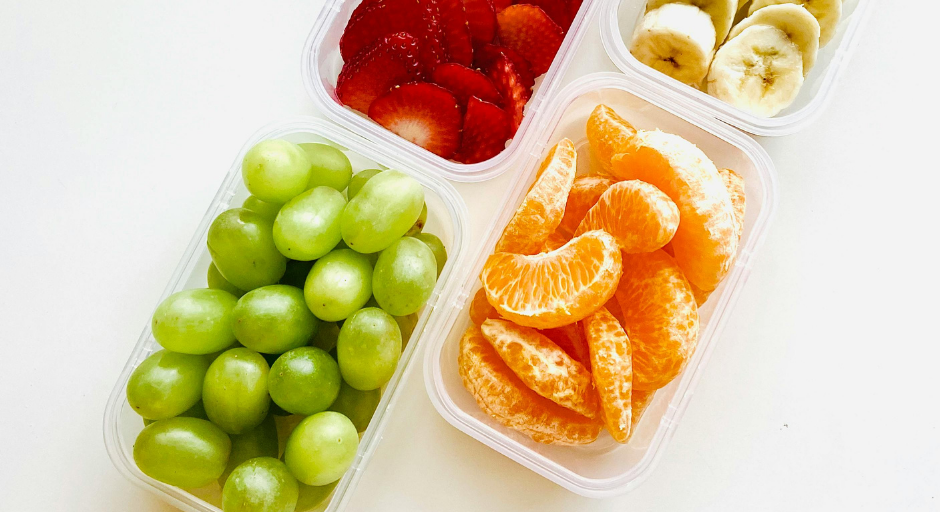
Small Wins Add Up, And They’re More Fun Than You Think
When motivation fades, it’s easy to get frustrated by minor slip-ups. Maybe you didn’t hit your step goal one day, had an extra snack, or the scale stayed the same. That’s all normal. The key is to focus on small, achievable wins that compound over time.
Logging meals in the Healthi app, tracking your activity, or even just planning your snacks in advance might feel basic, but these little actions reinforce awareness, build confidence, and quietly shape long-term behavior. You start noticing patterns like which foods keep you satisfied longer, which times of day you’re more prone to mindless snacking, or which workouts leave you energized rather than drained.
For GLP-1 HealthiCare members, the Healthi Fresh plan adds another layer of support. High-protein, fiber-rich meals help control hunger naturally, stabilize blood sugar, and make sticking to healthy choices far easier. When your body is fueled and your habits are supported, the work becomes less about willpower and more about systems that actually work for you.
Consistency Over Intensity
It’s tempting to double down in February with longer workouts, stricter meal plans, or more “rules.” But here’s the thing: too much intensity too soon often backfires. Instead of feeling empowered, you might feel depleted, frustrated, or stuck in a cycle of all-or-nothing thinking.
The secret to February success is finding a rhythm you can maintain:
- Build daily habits that energize rather than exhaust you.
- Focus on BITE-sized wins that feel achievable and realistic (see what we did there?).
- Lean into routines that support your fullness, energy, and overall wellness, not just a number on the scale.
Even a few consistent choices each day, like walking after lunch, drinking water before meals, or swapping a refined carb for a protein-rich snack, add up over weeks. And these are habits that last, because they’re doable in the real world.
Experiment, Observe, Repeat
February is also a month for some experimentation. Think of it as a testing ground:
- Which foods make you feel full for hours versus leaving you hungry soon after?
- What time of day do you feel most motivated for movement?
- Which small tweaks make your energy more even throughout the day?
The Healthi app helps make this experimentation structured instead of overwhelming. By tracking meals, movement, and daily BITES, you get a clear picture of what works and what doesn’t—so adjustments aren’t guesses, they’re informed decisions.

Celebrate Progress That Isn’t Just a Number
Weight loss isn’t just about the scale. February is the perfect month to notice non-scale victories:
- Clothes that feel looser or more comfortable
- Improved energy or mood throughout the day
- Better sleep or digestion
- Increased confidence in your ability to make healthy choices
These wins often matter more than the pounds themselves because they reinforce the habits that create lasting results.
February Sets the Stage for the Year Ahead
Think of February as the bridge between the hype of January and the long-term reality of your goals. Habits you build now, like mindful eating, small consistent activity, and structured support, carry you through spring, summer, and beyond. It’s about building systems, not streaks.
With the Healthi app and HealthiCare’s GLP-1 support, you’re not just relying on willpower—you’re creating a framework that makes consistency easier, progress measurable, and results sustainable. The first weeks of February might feel quiet compared to the excitement of January, but they’re where the foundation for real transformation is built.
Final Thoughts
January is for dreaming. February is for building. By focusing on small, consistent wins, habits that fit your life, and the right support tools, you’re laying the groundwork for real, lasting change. The scale may move slowly, but your energy, confidence, and habits are gaining momentum, and that’s what keeps results coming for the rest of the year.
Lifestyle
Most People Quit In February, But We Won't Be
February is where motivation fades and real life starts to kick in, but it’s also where real change begins. Instead of quitting, this is your chance to adjust, simplify, and build habits that actually fit your life. Consistency over perfection is what carries you forward when the New Year hype wears off.
Hey Healthi friends, Coach Brianna here!
Every year, it happens right around the same time.
The excitement of January has worn off. The days are still cold and dark. Progress feels slower than expected. And suddenly, the goals that felt so motivating just a few weeks ago start to feel… heavy. In fact, every year sometime in mid-February, we hit what’s often referred to as “Quitters Day”—the point when most people quietly give up on their New Year’s goals. They buy fewer healthy foods, the crowds at the gym start to thin out, and those healthier intentions set at the beginning of the year slowly fade into the background.
January runs on motivation.
February runs on reality.
By now, routines feel repetitive. The scale might not be moving the way you hoped. Life has fully resumed, and willpower alone isn’t enough to carry you through.
My dear Healthi family—this year, we will not be participating in Quitters Day.

What We’re Doing Instead
Instead of giving up, we’re making the tweaks necessary to stay consistent for the long haul and actually make progress this year. Rather than clinging to strict rules that feel impossible to maintain, we’re adjusting them to be more sustainable and far less restrictive.
For example:
- Instead of “1200 calories a day, no sugar, no carbs,” try “a modest calorie deficit, one sweet treat a day, and a focus on fiber-filled carbs.”
- Instead of “walking 20,000 steps daily and strength training six days a week,” try “8,000–12,000 steps (yes, it can vary day to day) and lifting three times per week.”
We want our health goals to fit into the rest of our lives and not feel like our entire lives have to fit around our health goals. That’s a surefire way to hit burnout fast.
Progress Over Perfection
We’re also focusing on 80–90% consistency, not perfection. When we start the year off strong, it often means we’re hitting every goal, every day. That works… until the first day we break the streak. And when that happens, many people go from “all” to “nothing.”
Aiming for 80–90% consistency allows room for real life. It lets us handle imperfect days with grace and compassion while still making meaningful progress—without losing momentum over a single slip.

Let February Be February
Lastly, we’re letting February be February. It’s cold. Hibernation mode is real. This is a time to focus on treating your body well, getting adequate sleep (which is essential for weight loss), and choosing warm, nourishing meals that leave you feeling satisfied and comforted from the inside out.
February isn’t the end of your goals, it’s the moment they stop being exciting and start becoming sustainable.
Most people quit here.
We’re choosing to adjust.
We’re choosing consistency.
We’re choosing progress that lasts.
This isn’t the month to give up, it’s the month to dig in, simplify, and keep going. And together, we’re proving that lasting change doesn’t come from being perfect. It comes from showing up, even when it’s hard.

Lifestyle
A Healthi Start for the Year Ahead
Feeling stuck in old habits or unsure how to start the year strong? Coach Jeri shares her no-nonsense, practical tips to help you ditch the “all or nothing” mindset, embrace small wins, and step into the New Year with confidence, consistency, and a plan that actually works for your life.
Hi, Coach Jeri here!
Wishing all our Coaches, Support Staff, and Healthi members a very Happy New Year!
Step Confidently Into the New Year
I’ll be honest, there was a time I never liked New Year’s celebrations. They were a reminder that I was still unhealthy and unhappy with my weight. But now? I step into the New Year confident that I’m doing everything possible to stay healthy. Over the years, I’ve given up on dieting and embraced lifestyle changes that keep me at maintenance. It didn’t happen overnight. Small steps, small successes, accepting progress over perfection, and honoring my body’s limitations have made me the person I am today.
January is often the kickoff point for anyone looking to shed a few pounds or start a health journey. We begin the year with promises—exercise more, eat less—but this year, let’s make a different kind of commitment. Focus on what truly works for your life and your circumstances. No more chasing miracle fixes or quick-fix gimmicks that don’t last.
This year, your New Year’s promise is simple: find the plan that works best for you. Every day is a fresh start. Stop thinking about “dieting” and start living a lifestyle of better choices. Shift your mindset from “all or nothing” to the 80/20 rule—eat healthy 80% of the time and allow for occasional indulgences. This keeps you consistent and prevents the restrict-binge cycle.
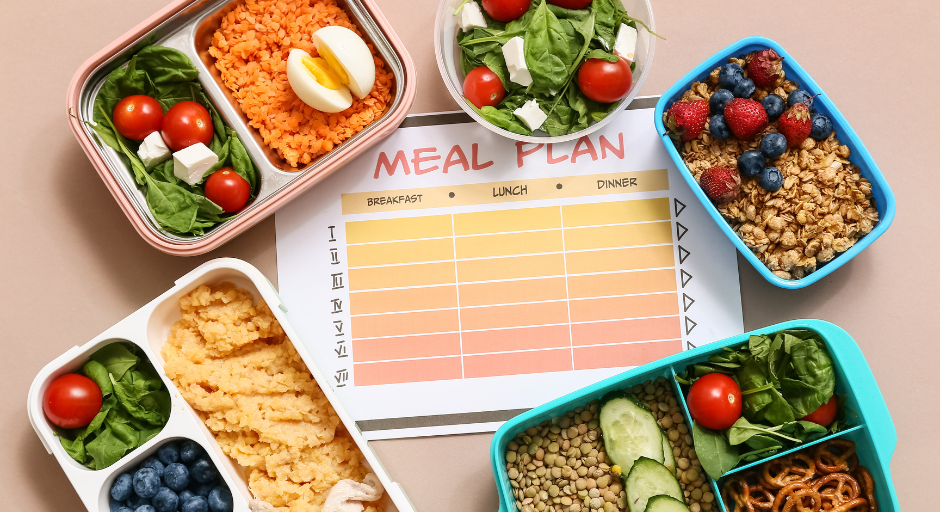
It's Time to Prepare
The key to managing holiday meals, social events, or unexpected challenges is mental preparation. Anticipate uncomfortable situations, identify triggers, and practice how you’ll respond. The more prepared you are, the easier it is to use healthy coping strategies and avoid overeating. Long-term success comes from small, consistent changes that become part of your routine.
Here are Coach Jeri’s top tips to stay motivated and make this year your healthiest yet:
- Focus on adding, not subtracting. Weight loss isn’t just about what you can’t have. Discover new foods, recipes, and flavors to prevent feeling deprived. Enjoying your food is part of the journey.
- Plan for success, not past failures. Every day is a fresh start. Don’t compare today to yesterday.
- Keep your goal in mind: better health and longevity. Your ultimate aim is a strong, vibrant, long-term life.
- Don’t obsess over the scale or the time it takes. Progress comes from consistent small steps. Each effort counts.
- Eat the rainbow. Include colorful fruits and vegetables at every meal for fullness, nutrients, and variety.
- Shift to whole foods. Reduce processed foods, which are often low in volume and high in sodium, so you feel hungry again sooner.
- Track, weigh, and measure. Use your scanner and log consistently. Attend meetings, share in the community. You’re not alone.
- View slips as learning moments. Mistakes are normal. What matters is how you respond, not the guilt afterward.
- Stick to routines when possible. Comfort comes from consistency. Revisit your motivation, goals, and your “why” regularly.
- Stay in the program. Leaving rarely helps long-term progress. Most people return because old habits crept back.
Celebrate every small victory. Non-scale victories matter—anything that makes you feel better, like organizing a closet or reaching a step goal, counts. Focus on moving forward, three steps at a time, rather than dwelling on one step back.
Today is a new day. It’s a new year. This year, embrace your journey with confidence, positivity, and a plan, and watch your health and happiness grow.

Lifestyle
How to Stay Consistent When Your Routine Falls Apart in January
January rarely goes according to plan. Schedules shift, motivation dips, and routines fall apart faster than expected. The good news is that consistency does not require a perfect routine. It requires flexibility, self-trust, and a few steady habits that still work when life feels messy.
When January Doesn’t Look Like the Plan You Had
January has a reputation for being the month where everything is supposed to click. New goals, fresh routines, and a sense of motivation that feels clean and organized. In real life, January often looks very different. Sleep gets disrupted, energy fluctuates, work ramps up, and winter stress sneaks in. The routine you mapped out with the best intentions doesn’t always hold up once real life enters the picture.
If you find yourself struggling to stay consistent once that structure slips, nothing has gone wrong. This is not a lack of willpower or discipline. It's simply what happens when goals meet real life. What matters most is not forcing the routine back into place, but learning how to stay grounded and supported even when things feel unpredictable.
Progress is not built during perfect weeks. It's built during uneven ones, when you keep showing up in small, realistic ways instead of giving up because things feel off.
Redefining Consistency for Real Life
One of the biggest reasons people feel stuck in January is because consistency gets tied to rigid routines. The same workout time every day. The same meals. The same schedule. When that structure breaks, motivation often goes with it, creating the false belief that you are already behind.
Consistency works better when it's flexible and responsive. That might mean prioritizing protein at one meal instead of planning an entire day perfectly. It could mean choosing a short walk instead of skipping movement altogether, tracking honestly even when the day feels messy, or resetting at the next meal instead of waiting for Monday to start over.
When routines change, you aren't failing. You're adapting. And adaptation is one of the most valuable skills for long-term health, especially during busy seasons and unpredictable months.
A Few Anchors Can Carry You Through Disruption
When everything feels scattered, having a few steady anchors can make consistency feel possible again. These aren't strict rules or expectations. They're simple defaults you can return to when decision fatigue sets in.
That might look like sticking with a handful of reliable meals you know sit well and keep you satisfied, especially on busy days. Checking in on hydration throughout the day can have a bigger impact than most people realize, particularly during colder months when thirst cues are easy to miss. Gentle movement like walking, stretching, or light strength work still counts, even when energy is low. Tracking awareness matters too, even if the day does not feel ideal.
You do not need variety or intensity every day. You need a few steady choices that continue to support you when your schedule shifts or motivation dips.
Why Mindset Matters When Routines Fall Apart
We know you hear it often, but mindset truly matters, especially when routines fall apart. All-or-nothing thinking is what turns a messy week into a stalled month. One skipped workout or off-plan meal does not undo progress. What makes the difference is how you respond next.
Consistency grows when you adjust instead of abandoning everything, choose the next supportive option instead of the perfect one, and give yourself permission to be human and keep going. Progress sticks when pressure decreases and self-compassion increases. Responding with care instead of criticism keeps you engaged in your journey instead of pushing you away from it.
How the Healthi App Supports Consistency When Structure Is Gone
The Healthi app is designed for moments when life feels unpredictable and routines are anything but stable. When structure disappears, clarity matters more than control.
Every food in the Healthi app is assigned a BITE value based on its nutritional information and your selected weight loss plan. Foods that align most closely with your goals are lower in BITES, and some are even zero BITES, naturally encouraging choices that support your body.
Each day, you receive a BITE allowance along with a separate set of weekly BITES that add flexibility when plans change. Tracking after meals builds awareness without judgment, helping you stay connected to your goals even during uneven weeks. Daily weigh-ins, progress milestones, and community support provide steady accountability without pressure.
The goal is not perfection. It is staying engaged with your health, no matter what your routine looks like on any given day.
Extra Support With HealthiCare
For those using GLP-1 medication or looking for more structured support, HealthiCare helps bridge the gaps when routines feel unstable. Instead of navigating changes alone, you receive ongoing care that adapts as your life evolves.
HealthiCare offers access to licensed clinicians who guide dosing, manage side effects, and make thoughtful adjustments along the way. Members also receive access to the GLP-1 exclusive Healthi Fresh plan, designed with a strong focus on protein and fiber to support fullness, energy, and long-term success. Everything integrates seamlessly with the Healthi app, so tracking, care, and guidance work together in one connected system.
HealthiCare also extends beyond weight loss, offering support for body wellness, menopause, mind, skin, and hair. When your health is supported as a whole, consistency becomes easier and more sustainable.
Final Thoughts
January does not need to be perfect to be productive. Routines will shift. Plans will change. Life will interrupt. None of that means you are off track.
Consistency is built in the moments you choose to keep going, even imperfectly. When you focus on adaptable habits, respond with care instead of criticism, and use tools that meet you where you are, progress becomes steady and sustainable.
This season is not about forcing structure. It is about creating support that actually works in real life.
Lifestyle
Six Things I Wish I Knew on Day One with Healthi
Feeling like your health journey needs a refresh? Coach Delicia gets it! Between busy days and life’s constant chaos, she’s sharing the six lessons she wishes she knew from Day One with the Healthi app so you can stay on track, enjoy your food, and make confident choices, no matter how hectic life gets.
Hey there, Healthi friends!
As 2026 rolled in, I’ve been doing a lot of thinking. I’m in full-on newborn mode with our little one here, and let me tell you, with all the adjustments to life with a baby, my perspective on health has shifted more than I ever expected.
Looking back at my very first day with the Healthi app, I remember feeling so much pressure. I wanted to do everything perfectly, right away. If I could grab a coffee and sit down with that version of myself, I’d tell her to take a deep breath.
Whether you’re just starting out or you’re like me (navigating a massive life change and needing a reset) here are the six things I wish I’d known from Day One.
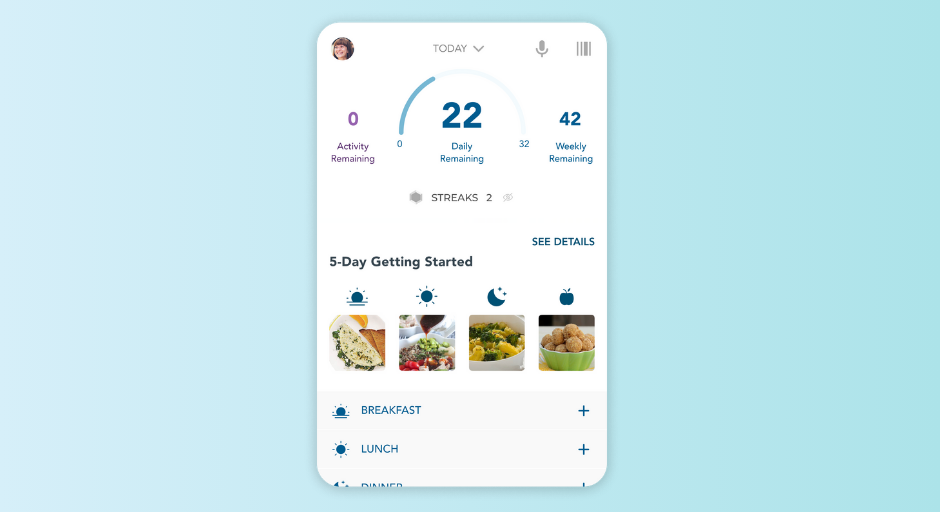
1. Pre-Logging is a Total Lifesaver
When I started, I was a “reactive” tracker. I’d eat, then try to remember to log it later that night. But with everything on my plate (pun intended), I’d usually forget or realize I’d totally blown my Bites by 2:00 PM.
What I know now: Log your day in the morning or even the night before. Especially now, prepping for a newborn, I’ve realized that making decisions before I’m tired or hungry is the only way to stay sane. When the plan is already in the app, it’s just one less thing for my brain to process. It’s a roadmap, not a chore.
2. The Food Scale Isn’t About “Dieting,” It’s About Data
I used to think food scales were for people who were obsessed. I was a “measuring cup” girl until I actually weighed a serving of almond butter. My “eyeballed” tablespoon was basically double what it should have been!
What I know now: A digital scale is actually incredibly freeing. It’s not about restriction; it’s about accuracy. Once you weigh things like pasta, cheese, or your favorite creamer for a few weeks, your brain learns what a real portion looks like. It takes the guesswork and accidental overeating out of the equation.
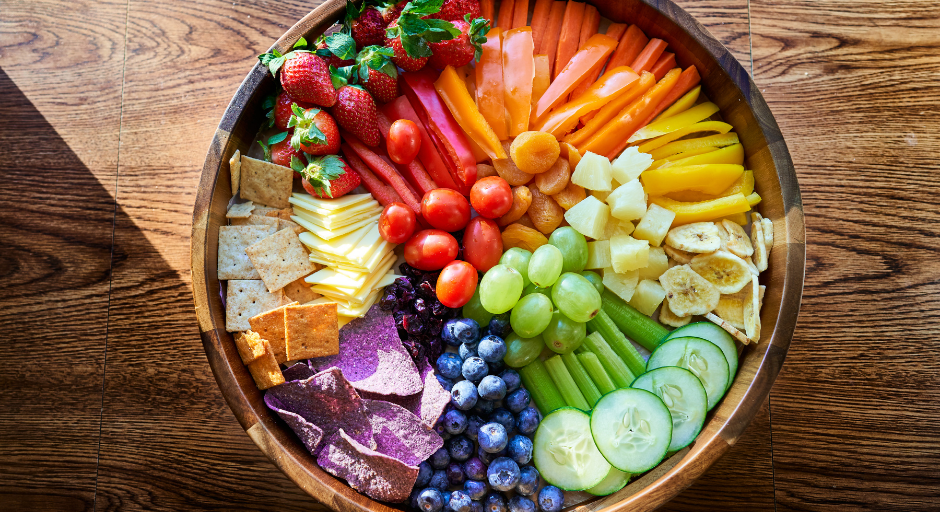
3. Food is Neutral (Seriously, Stop the Shame)
I spent way too much time labeling food as “good” or “bad.” If I had a salad, I felt like a gold-star human. If I had a slice of pizza, I felt like I’d failed.
What I know now: Food is just energy. Especially when I had pregnancy cravings, I learned that a cookie isn’t a moral failure, it’s just a high-BITE choice. When you treat your BITES like a bank account instead of a grade card, the shame goes away. You can enjoy the treat, adjust your next meal, and keep moving forward. No guilt required.
4. The “1% Better” Rule is the Only Way to Last
I used to try to change every single habit on a Monday morning. I’d aim to hit my water goal, get my steps in, and track perfectly all at once. Then life—or a rough night of sleep—would happen, and I’d quit.
What I know now: Consistency wins every single time. My goal isn’t perfection; it’s just being 1% better. If I can’t do a full workout, I’ll take a 10-minute walk in the fresh mountain air. A messy log is still better than an empty one. Just stay in the game.
5. Your “Why” Needs to be Practical
In my 20s, I just wanted to fit into certain jeans. But honestly? That doesn’t keep me motivated when a plate of nachos is calling my name.
What I know now: My “Why” is about the little one arriving in January. I want to get down on the floor to play, have the energy to survive sleepless nights, and stay strong for my family. When your “Why” is about your life and longevity, it carries a weight that a dress size never could.

6. The Scale is Just a Number, Not Your Worth
I used to let the scale dictate my entire mood. If it was up, my day was ruined.
What I know now: Weight is a roller coaster! Especially right now, I’m learning that salt, stress, and even a weird night of sleep can make the scale jump. I’ve started focusing on Non-Scale Victories (NSVs) instead:
- Do I have more energy?
- Am I sleeping better?
- Did I make a mindful choice when I was stressed?
The scale only measures your relationship with gravity. It doesn’t measure your progress as a person.
Final Thoughts: Be Kind to Yourself
If I could tell my “Day One” self anything, it would be this: You are learning. You wouldn’t expect to be an expert at a new job or hobby in a week, so don’t expect to master a new relationship with food that quickly either.
Give yourself grace, lean into the community, and just keep going. You’ve got this!

Nutrition
Winter Produce Guide: Fresh, Seasonal Ingredients to Add to Your Plate
Winter doesn’t have to mean bland meals or boring veggies. Learn why seasonal produce can boost your health, discover what’s best to eat, and get simple, satisfying recipes that fit your lifestyle and goals.
Winter can feel like a challenging time for healthy eating. Shorter days, colder weather, and busy schedules make it tempting to rely on comfort foods or skip fresh produce altogether. But this season actually offers a bounty of vibrant, nutrient-rich fruits and vegetables that can keep you full, energized, and supported, even when life feels hectic. By choosing what’s in season, you’re not just eating for flavor, you’re eating for your body’s needs. In this guide, we’ll highlight the benefits of winter produce, share simple ways to use it, and show how small, repeatable habits can make healthy eating feel easy and satisfying all season long.
Benefits of Winter Produce
Eating produce that’s in season has perks beyond flavor. Winter fruits and vegetables are naturally nutrient-dense, often richer in vitamins, minerals, and antioxidants because they’re grown during their natural cycle.
Some ways winter produce supports your health:
- Steady energy & fullness: Fiber-rich vegetables like Brussels sprouts, cabbage, and carrots help you feel full longer and keep blood sugar stable.
- Immune support: Citrus, pomegranate, and leafy greens provide vitamin C and antioxidants that help your body fight off seasonal colds.
- Mood & metabolism boost: Dark leafy greens, cruciferous vegetables, and winter squash supply nutrients that support metabolism and overall wellness.
- Flavor without excess calories: Seasonal produce is naturally flavorful, which means you can create satisfying meals without relying on sauces, butter, or sugar.
Winter Produce to Stock Your Kitchen
Here are some of the most versatile winter ingredients:
Vegetables:
- Brussels sprouts – Crispy when roasted, packed with fiber and vitamin C, they help keep you full and support immune health.
- Kale & Swiss chard – Leafy greens loaded with antioxidants and minerals that support bone, heart, and eye health.
- Broccoli & cauliflower – Crunchy, versatile, and high in vitamin C and fiber, perfect for boosting nutrition in any meal.
- Cabbage – Affordable and hearty, great raw or cooked, and rich in vitamins K and C for metabolism and immunity.
- Carrots & parsnips – Naturally sweet root veggies that support vision, immunity, and steady energy.
- Winter squash (butternut, acorn, spaghetti) – Creamy, comforting, and full of fiber and beta-carotene to support gut and skin health.
Fruits:
- Oranges, grapefruits, clementines – Citrus that’s juicy, bright, and full of vitamin C to strengthen immunity during chilly months.
- Pears & apples – Sweet, high-fiber fruits that help stabilize blood sugar and make great snacks or warm desserts.
- Pomegranate – Jewel-like seeds rich in antioxidants that support heart health and add a festive pop to meals.
- Persimmons – Naturally sweet, soft, and loaded with vitamins and fiber to satisfy cravings without added sugar.
Bonus: Frozen versions of these fruits and vegetables are also great—they retain nutrients and are easy to prep ahead of time.
Winter Recipes to Try
Roasted Brussels Sprouts & Carrots
Toss Brussels sprouts and sliced carrots with olive oil, salt, pepper, and a sprinkle of crushed almonds. Roast at 400°F for 20–25 minutes. This side is fiber-rich, filling, and perfect with protein like chicken or tofu.
Citrus & Pomegranate Salad
Mix spinach, orange segments, pomegranate seeds, and a drizzle of balsamic vinegar. Top with a handful of walnuts and grilled salmon for a balanced, nutrient-packed lunch.
Winter Veggie Soup
Combine chopped cabbage, carrots, parsnips, and winter squash in a low-sodium broth. Add garlic, thyme, and protein like shredded chicken or beans. Simmer until tender for an easy, warming meal that’s perfect for batch prep.
These recipes are simple, repeatable, and designed to fit even busy winter days while keeping your meals satisfying and aligned with your health goals.
Healthi App Makes Tracking Simple
The Healthi app helps you stay consistent with winter produce and your overall meal plan:
- Every food is assigned a BITE value, showing how aligned it is with your weight loss goals. Lower BITES are better; some foods are zero BITES, encouraging you to enjoy them freely.
- You receive a daily BITE allowance plus weekly BITES for flexibility.
- Log meals, snacks, and activity while monitoring hunger cues and energy levels.
- Track progress with daily weigh-ins, and connect with a supportive community for motivation.
Try it for free today:
👉Download on the App Store | Get it on Google Play
With the Healthi app, choosing seasonal, nutrient-rich produce becomes easy and manageable, helping you build habits that stick without overthinking every meal.
Conclusion
Winter produce isn’t just seasonal, it’s strategic. By adding fiber-rich vegetables, antioxidant-packed fruits, and colorful roots to your plate, you’ll feel full, energized, and supported even on busy or stressful days. Pair these foods with the Healthi app and HealthiCare support, and you have all the tools you need to make healthy winter meals simple, satisfying, and sustainable.

Lifestyle
Habits That Will Shape Your Health in 2026
Big change doesn’t come from big pressure. The habits that shape your health in 2026 are simple, realistic, and built to support your real life. Here’s how to focus on what actually lasts.
Every new year comes with bold intentions: Eat better. Move more. Finally be consistent. But lasting health isn’t built on motivation alone, and it definitely isn’t built on perfection. The habits that truly shape your health are the quiet, repeatable choices you make on ordinary days, especially when life feels busy or overwhelming. Not the one intense workout you did once last week and quietly hoped would count as consistency.
In 2026, the goal isn’t to overhaul your entire life. It’s to build habits that support your body, your energy, and your mindset in a way that feels like you’re actually going to stick with them. Small shifts done consistently can create meaningful change over time. Let’s focus on the habits that matter most.
Prioritize Progress Over Perfection
We know, you’ve heard it a thousand times: “Mindset matters.” It can sound overused or even a little fluffy, but here’s the truth, mindset is often the difference between giving up and keeping going.
One of the most powerful shifts you can make is letting go of the all-or-nothing mindset. Health isn’t built in extremes. A skipped workout, an imperfect meal, or a stressful week doesn’t undo your progress. It just means you’re human.
A healthier approach is learning how to respond instead of react. When things don’t go as planned, you don’t quit, you recalibrate. Maybe that looks like prioritizing protein at your next meal, choosing a short walk instead of a full workout, or simply tracking honestly instead of avoiding the app altogether.
Here’s the part no one talks about enough: consistency grows when pressure decreases. Progress happens when you give yourself permission to be human and still show up, even on the messy days.
Build Meals That Support Your Energy
Nutrition doesn’t have to be complicated to work. The habits that actually stick are the ones built around foods that leave you feeling satisfied, steady, and energized without making your life feel like a full-time project.
Protein and fiber are your secret weapons. They keep blood sugar steady, help you feel full longer, and stop those mid-afternoon crashes that make the snack drawer look way too tempting. You don’t need perfect meals, you need reliable ones. Think simple breakfasts, repeatable lunches, and dinners that actually work on busy days. The Healthi app takes the guesswork out of healthy eating. With built-in, customizable meal plans, you can easily see what to eat, track your protein, and adjust meals to fit your day, so sticking to habits that actually work feels simple instead of stressful.
Even a little planning goes a long way. Laying out snacks, prepping a quick meal, or knowing what’s for dinner reduces decision fatigue and makes healthier choices feel automatic instead of exhausting. It’s the small, repeatable wins that add up, not the one-time heroic efforts.

Move Your Body in Ways You’ll Actually Repeat
Movement only shapes your health when it fits into your life consistently. Long workouts aren’t even required, because consistency is what matters most. Walking, stretching, short strength sessions, or even a few minutes of movement between tasks all count. These small choices improve circulation, support metabolism, boost mood, and reinforce the habit of caring for your body.
The most effective movement habit is the one you’ll actually do, even on days when motivation is low. That might mean a quick morning stretch instead of a full workout, a brisk walk during lunch, or a dance break in your living room. The key is showing up for yourself regularly, not perfectly. Over time, these little wins add up to big, lasting changes in your energy, strength, and overall wellness.
Protect Your Mental and Emotional Energy
Let’s be clear: putting your health first is not selfish. It’s essential. When you’re constantly putting everyone else ahead of yourself, your mental and emotional reserves quietly drain, and that affects everything from your energy to your patience and even your ability to make thoughtful decisions.
Healthy habits start with boundaries that actually protect your time and energy. Boundaries are not walls. They’re bridges that let you show up more fully—more present, patient, and engaged. That could mean saying no without over-explaining, carving out quiet time without guilt, or asking for help when you need it. Each small act of self-care strengthens your ability to be there for yourself and for others.
And here’s something too often overlooked: you don’t need to be positive all the time. Real wellness includes feeling what you feel and responding with care instead of judgment. Journaling, reflection, therapy, or even just naming your emotions can help prevent stress, overwhelm, or frustration from spilling into unhealthy coping habits—like reaching for food, scrolling endlessly, or burning out.
Prioritizing yourself isn’t indulgent. It’s practical. It’s the foundation for the energy, clarity, and resilience you need to show up in all areas of life—without losing yourself in the process.

Use Tools That Make Consistency Easier
Healthy habits are easier to maintain when you’re supported. The Healthi app helps you stay consistent without overthinking every decision.
Each food is assigned a BITE value based on its nutritional information, and each of Healthi’s seven weight loss plans prioritizes different goals. Foods that strongly support your plan are lower in BITES, and some foods are even zero BITES, encouraging you to enjoy more of what works for your body.
Each day, you receive a BITE allowance, along with a separate set of weekly BITES that offer flexibility when life happens. Tracking after meals helps build awareness, not restriction, and daily weigh-ins allow you to monitor progress and celebrate milestones over time.
This structure supports clarity, and clarity makes consistency easier.
Still on the fence? Give the Healthi app a try for free. We offer four full plans at no cost—forever. No trials, no timers, no catch. Just support, tracking, and tools to help you make healthy choices easier every day.
| Download on Apple | Download on Android
Extra Support With HealthiCare
For those who need additional structure or medical support, HealthiCare offers a fully integrated approach to wellness and weight loss. HealthiCare combines GLP-1 medication, licensed clinician oversight, expert coaching, and seamless integration with the Healthi app.
Members also have access to the exclusive Healthi Fresh plan, designed specifically for GLP-1 users with a strong focus on protein and fiber to support appetite changes and long-term success.
HealthiCare is not about quick fixes. It’s about creating a supportive system that helps you understand your body, manage challenges, and build habits that last well beyond the scale.
Final Thoughts
The habits that will truly shape your health in 2026 don’t come from perfection, extreme restriction, or endless pressure. They come from consistency, compassion, and the right support.
Focus on habits that fit your life, not the other way around. Respond to setbacks with care instead of criticism. Lean on tools and strategies that make healthy choices feel natural and manageable. When your habits work with your body instead of against it, progress becomes sustainable and confidence grows without the stress.
This year isn’t about doing more, it’s about doing what actually works for you, day in and day out.

Lifestyle
How to Make This the Year You Finally Put Yourself First
Feeling stretched thin and like everyone else’s needs come first? This year, it’s time to shift the focus back to you. Practical steps, small daily wins, and the right support can help you reclaim your energy, confidence, and sense of balance.
Life has a way of making you feel like your to-do list is endless, and your own needs often get pushed to the bottom. But putting yourself first isn't selfish, it’s essential for your health, energy, and ability to show up fully for work, family, and friends. This year, instead of waiting for the perfect moment or motivation to magically appear, you can make intentional choices that prioritize your well-being. From setting boundaries and managing your energy to fueling your body and mind, small, consistent steps can make a lasting difference.

Set Boundaries That Stick
One of the most powerful ways to put yourself first is learning to say no without shame or guilt. Just start small. Block off 15 to 30 minutes in your calendar each day for something just for you. It could be a walk outside, reading, journaling, or simply sipping coffee without scrolling on your phone. The point is to make it something just for you, nobody else. Over time, these tiny acts of self-prioritization reinforce the message that your time matters, too.
It’s also about communicating clearly with the people in your life. Let your team know when you need focus time. Tell your family when you’re not available to help with a task immediately. Boundaries aren’t walls; they’re bridges that help you show up with more energy, patience, and joy. They create space for your own needs while still allowing connection and collaboration, so you can engage fully without feeling depleted or resentful. Think of them as gentle guardrails—they protect your time and energy while keeping relationships strong and respectful.

Fuel Your Body and Mind
Taking care of yourself means supporting your body with nourishing foods and movement that feel sustainable, not following strict rules that leave you feeling frustrated or burnt out. Aim to include protein and fiber at each meal to stabilize energy and help you feel full longer, even on busy mornings or during back-to-back meetings. Hydration matters too; plain water, sparkling water, or even herbal tea throughout the day can help you stay focused and reduce fatigue. Small tweaks, like swapping half your grains for beans or adding an extra egg or Greek yogurt to breakfast, can make a noticeable difference without overthinking every meal.
Movement doesn’t have to mean a gym session or a full hour of cardio. Short walks around the block, a 10-minute strength circuit, a few stretches between tasks, or even a spontaneous dance break in your living room all count. These mini bursts help your energy, improve your mood, and build resilience over time. Pairing consistent, manageable movement with balanced meals is the key, not perfection.
The Healthi app makes staying on track simple and realistic. Every food has a BITE value, showing how it fits with your personalized weight loss plan—the lower the BITES, the more aligned it is, and foods that are especially good for you are ZERO BITES. Tracking meals helps build lasting habits, and daily weigh-ins keep you on track toward your goals. Plus, you can celebrate milestones and connect with others in the Healthi community, sharing support and encouragement along the way.
Prioritize Mental and Emotional Wellness
Mental and emotional wellness often take the biggest hit when you’re busy putting everyone else first. Caring for yourself isn’t selfish — it’s necessary. Giving yourself space to process stress, talk things through, or simply pause helps prevent burnout before it takes over. You’re allowed to have needs, and honoring them doesn’t take away from anyone else. It actually helps you show up with more patience, clarity, and presence.
Taking care of your mental health also doesn’t mean being positive all the time. You don’t have to force gratitude or talk yourself out of hard feelings. It’s about giving yourself permission to feel what you feel and respond with care instead of judgment. Journaling, quiet reflection, guided meditation, or leaning on a supportive friend can help release emotional buildup and steady your thoughts when things feel heavy.
Your mental energy fuels your focus, motivation, and decision-making every day. When you protect and support it, you build resilience. That resilience makes it easier to stay consistent, navigate challenges with compassion, and care for others without losing yourself in the process.
HealthiCare offers additional support for those on a GLP-1 journey or looking for structured wellness guidance. Licensed clinicians can provide personalized recommendations to help you navigate appetite, energy, and healthy habits. Combining this professional support with your daily self-care routines ensures that your wellness goals feel achievable, not overwhelming.
Celebrate Small Wins and Build Momentum
Putting yourself first isn’t about radical changes overnight. It’s about consistency and celebrating progress. Did you take a 15-minute walk today without guilt? That counts. Did you prioritize a high-protein meal that left you satisfied and energized? That counts too. Over time, these small wins compound into sustainable habits that reinforce the idea that your needs matter.
How Healthi and HealthiCare Can Help
With the Healthi app, tracking meals, protein, activity, and water is simple and seamless. You can see patterns, adjust routines, and even earn activity BITES for exercise. If you’re using or considering GLP-1 medication, HealthiCare provides structured, science-backed support from licensed clinicians, along with a personalized Healthi Fresh plan. This integrated approach helps you prioritize your wellness, maintain energy, and stay consistent even when life gets hectic.
Conclusion
This year can be different. Putting yourself first doesn’t require perfection, big sacrifices, or guilt. It starts with realistic daily choices, small habits, and the right support system. By setting boundaries, fueling your body and mind, caring for your mental wellness, and leaning on tools like the Healthi app and HealthiCare, you can reclaim your energy, confidence, and sense of balance. Small steps taken consistently add up to a year where you truly feel like your best self.

Weight Loss Tips
Winter Weight Loss Myths: What’s Actually True in the Cold Months
Winter gets blamed for a lot: slow mornings, cozy cravings, and supposedly “impossible” weight loss. But before you write off progress until spring, let’s clear up the biggest winter weight loss myths and talk about what actually helps you stay steady, satisfied, and moving forward when it's cold outside.
When temperatures drop, motivation often seems to follow. Shorter days, heavier meals, and disrupted routines can make winter feel like the wrong season for weight loss, or at least the wrong season to try. Add in all the advice floating around online, and it’s easy to start believing that weight loss during the winter just isn’t realistic at all.
The truth is, winter doesn’t ruin your progress. But a few common myths can quietly make the season feel harder than it needs to be. Let’s clear up what’s actually true, retire what isn’t helping, and learn how to work with winter instead of fighting it.

Myth #1: Your Metabolism Slows Down in Winter
Reality: Your metabolism does not suddenly shut down because it's cold.
While activity levels may drop if movement feels less appealing, your body’s metabolic processes remain largely the same year-round. In fact, colder temperatures can slightly increase energy expenditure as your body works harder to stay warm. The real issue isn’t metabolism. It's about your habits shifting without you noticing.
Less walking, fewer workouts, more sitting, and comfort eating without structure can add up. Awareness and small adjustments matter far more than the season itself.
Myth #2: Winter Is a Maintenance-Only Season
Reality: Progress does not need to be aggressive to be meaningful.
Winter weight loss doesn’t have to mean pushing harder or restricting more. In many cases, consistency with the basics such as protein intake, balanced meals, gentle movement, and mindful portions is more than enough to support steady progress.
Even maintaining momentum through winter is a win. For many people, slow and sustainable loss during colder months actually leads to better long-term results than starting over every spring.
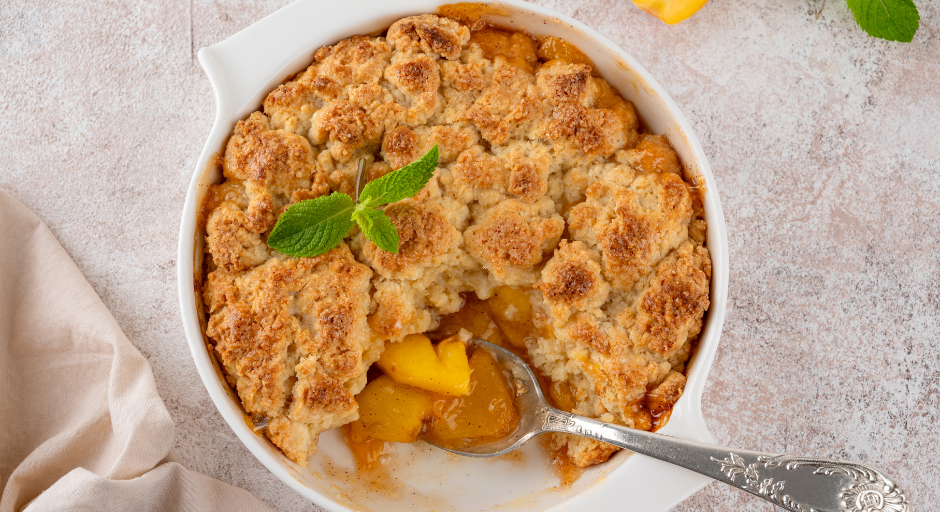
Myth #3: Comfort Foods Automatically Ruin Progress
Reality: Comfort foods are not the problem. Unbalanced plates are.
Winter foods tend to be warmer, richer, and more carb-heavy. That doesn’t mean they are off limits. It means protein, fiber, and structure matter even more.
When meals are anchored with protein and paired with fiber-rich sides, comfort foods fit more comfortably both physically and mentally. You feel satisfied longer, blood sugar stays steadier, and grazing becomes less tempting.
Myth #4: Motivation Needs to Be High to Be Successful
Reality: Winter progress runs on routine, not motivation.
Cold, dark mornings are not exactly inspiring, and that's to be expected in the winter. Successful winter weight loss relies less on excitement and more on systems that make choices easier when energy is low.
Simple habits like planning meals, tracking consistently without perfection, and choosing movement you don’t dread help remove decision fatigue. Motivation comes and goes. Structure is what carries you through.
How the Healthi App Supports Winter Weight Loss
Winter routines don’t need to be rigid. They just need to be supportive. The Healthi app makes it easier to stay aware without feeling overwhelmed, especially when days feel unpredictable.
With simple food and meal tracking plus BITES plans that guide healthier choices, the Healthi app helps you stay consistent without overthinking every decision. Tracking during winter isn’t about control, its about clarity. And when you can see your patterns clearly, sticking to your habits becomes much easier.
Extra Support With HealthiCare
If you’re using or considering GLP-1 medication, winter can come with unique challenges such as appetite changes, slower digestion, and shifting hunger cues. HealthiCare provides a full support system so you don't have to navigate those changes alone.
With HealthiCare, you get access to licensed clinicians, personalized guidance, and seamless integration with the Healthi app. Our GLP-1 exclusive Healthi Fresh plan focuses on protein and fiber to help you stay satisfied, nourished, and energized, even during heavier holiday meals or lower appetite days.
This connected approach helps turn winter from a setback into a season of stability and confidence.
The Bottom Line
Winter weight loss isn’t about fighting cravings, forcing motivation, or waiting for spring. It's about understanding your body, building balanced meals, and using tools that support consistency when life feels a little slower.
Cold months do not stop progress. Myths do. With the right mindset, smart tracking, and supportive care, winter can be a powerful season for building habits that last well beyond it.

Lifestyle
Nutrition
Navigating Holiday Stress Without Turning to Food
Holiday stress can sneak up fast. Between shopping, decorating, work, and family obligations, it’s easy to turn to food for comfort. This guide breaks down how to manage stress eating with awareness, simple habits, and supportive tools so you can enjoy the season without losing trust in yourself.
The Christmas season brings connection, celebration, and plenty of comforting traditions. It also brings full calendars, disrupted routines, and emotional pressure that can quietly drive stress eating. When life feels busy or overwhelming, it is easy to reach for food out of habit rather than hunger. For those using GLP-1 medication, this can feel especially confusing as appetite cues and fullness signals are still adjusting. The good news is that stress eating is not a failure or a lack of discipline. It is a signal. With a little awareness and the right support, you can manage stress more effectively while still enjoying the season.
Recognize Your Triggers
Start by noticing what sparks your stress-eating habits. Is it long hours at work, family tension, or that never-ending to-do list that makes your brain scream for sugar? Awareness is the first step to breaking the automatic reach-for-a-cookie response.
Try these strategies to get specific:
- Keep a mini food diary: For a few days, jot down what you eat and why. Were you bored, stressed, lonely, or celebrating something? Patterns show up fast.
- Notice emotional cues: Pause before you snack and ask yourself, “Am I actually hungry or just stressed, anxious, tired, or even frustrated?”
- Identify time-of-day triggers: Is it the mid-afternoon slump at work? Late-night scrolling on the couch? Recognizing when cravings hit can help you plan healthier alternatives.
- Check your environment: Are snacks always within arm’s reach? Sometimes just moving them out of sight or adding healthy swaps like fruit, nuts, or protein bites can break the cycle.
- Name the feeling: Giving your emotion a label (“I feel anxious,” “I feel lonely”) reduces its intensity and makes it easier to choose a mindful response instead of mindless munching.
Once you start spotting patterns, you can replace automatic habits with intentional choices. Even small changes like swapping a candy bar for a handful of nuts or taking a five-minute walk instead of heading to the pantry can make a huge difference over time.
Create Healthy Outlets
Stress management doesn’t have to be complicated. Simple practices can help redirect your energy and keep your mind off mindless snacking:
- Take a 10-minute walk after holiday events. Even a brief stroll helps release tension and supports digestion.
- Practice deep breathing or a short meditation before meals to calm your nervous system.
- Schedule “me time” for a relaxing bath, reading, or journaling.
- Move your body in small ways. Stretch, do a few yoga poses, or dance to your favorite song.
- Connect with a friend or family member. A quick phone call or text check-in can lift your mood and reduce stress-eating urges.
- Engage your hands. Knit, doodle, play a musical instrument, or do a small craft to keep your hands busy and off snacks.
- Hydrate mindfully. Sometimes stress cravings are thirst in disguise, so sip water, herbal tea, or sparkling water to reset your body.
Even choosing just one or two of these outlets regularly can help you manage stress more effectively and make healthier snack choices feel easier and natural.
Plan Your Food Mindfully
Being proactive around meals and snacks can ease stress significantly. GLP-1 medication supports appetite regulation, but mindful planning helps reinforce that support. Protein and fiber play a key role by stabilizing energy, promoting fullness, and reducing the urge to graze.
Thinking ahead about your day, prepping a few satisfying snacks you enjoy, and keeping a short list of reliable meals on hand can prevent reactive choices. Even simple actions like packing a protein forward snack or deciding on dinner earlier in the day can help you feel grounded and in control. The goal is not rigid planning. It is supportive structure that works with your life.
Use the Healthi App for Support
The Healthi app helps bring clarity to food choices without adding pressure. Each food is assigned a BITE value based on its nutritional information, and each of our seven weight loss plans evaluates foods differently depending on specific goals. Foods that strongly support your plan are lower in BITES, and some foods are even zero BITES, encouraging you to enjoy more of what works best for your body.
Each day, you receive a Daily BITE allowance, along with a separate set of Weekly BITES that can be used in addition to your daily amount when needed. This built-in flexibility makes it easier to navigate social events, holiday meals, and days that do not go exactly as planned, while still staying aligned with your goals.
Tracking meals consistently builds awareness over time and helps you spot patterns without judgment. Combined with activity tracking, progress milestones, and community support, the Healthi app keeps you focused on steady, realistic habits that support long-term success, especially during the busy holiday season.
With HealthiCare, you don’t have to navigate stress and holiday meals alone. Our Healthi Fresh plan is designed specifically for GLP-1 users, focusing on high-protein, fiber-rich foods that help you stay full and satisfied. Seamless integration with the Healthi app allows you to track meals, snacks, and portions while monitoring how your body responds to different foods during busy days. You’ll feel more in control, more aware of your habits, and confident that you’re still on track with your goals.
Be Kind to Yourself
Remember, the holidays are busy and full of temptations, and no one is perfect. Skipping a workout or enjoying an extra treat doesn’t erase your progress or mean you’ve “failed.” What matters most is balance, awareness, and giving yourself grace while using the tools and support you have. Every mindful choice, no matter how small, adds up and keeps you moving forward on your journey.
Lifestyle
Embrace the Holidays with Confidence and a Healthy Mindset
The holidays don’t have to derail your progress. Coach Jeri is sharing her best tips to enjoy your favorite festive foods, skip the guilt, and stay on track with confidence. Let’s make this season fun, mindful, and totally manageable, because your health doesn’t take a holiday!
Hi, Coach Jeri here!
December is probably the busiest month of the year. While the holidays can be a joyful time, they can also be incredibly stressful. Between shopping, decorating, and gatherings, the temptations are undeniable. Many foods may not align with your plan, and stress can easily make old habits creep back in.
If you’re determined not to let your hard work slip away, proactive planning is key. You may not control every situation, but your reactions are completely within your power. Believe in your ability to navigate this busy season successfully. Minor setbacks won’t derail your progress. A positive mindset is essential. If you believe you can succeed, you’re more likely to do so.
Approach holiday meals and parties with confidence. See them as moments to enjoy rather than challenges to endure. Success isn’t about perfection, it’s about progress. The best way to prevent overeating is to mentally prepare for the situations you’ll encounter and have a plan. Write down your worries and potential triggers. The more prepared you are, the easier it will be to use healthy coping mechanisms instead of overeating.

Here are my top tips to help you enjoy a healthy holiday:
- Don’t skip meals. Stick to your regular habits and schedule. Routines are comforting. Many people fast to “save up” for a big meal, but this often leads to overeating.
- Fill your plate with color. Healthy fruits and vegetables keep you full, lower calories, and boost nutrition.
- Eat slowly and savor your food. Enjoy each bite and take time to connect with the people around you. Holidays are the perfect time to reconnect.
- Enjoy the special treats of the season. Be selective. Focus on foods that are truly special to this time of year. Having a treat once a year won’t make or break your health journey.
- Choose drinks wisely. Be mindful of what you sip to avoid unnecessary calories and sugar.
- Make a mock plate. Planning your portions in advance can make a huge difference in staying on track.
- Don’t let holiday myths derail you. Statements like “the average American gains 5–10 pounds during the holidays” aren’t true for everyone. You don’t have to be that person.
- Stay connected. Attend your meetings, log onto podcasts, join Tuesday Talks, or post in the Healthi community. There’s a ton of support available!
- Don’t fall into the “might as well” trap. Just because you had a little extra doesn’t mean the day is ruined. Keep going with your plan.
- Check in with your hunger. Ask yourself: Are you really hungry, or are you eating for comfort? Are you eating to please your host? It’s okay to say no.

Enjoy the holidays without overeating or self-doubt. Trust yourself and have faith in your own ability, it makes a huge difference. Shift your mindset toward positive outcomes. A single meal or dish does not define your wellness journey. Consider it a win to enjoy your favorite holiday foods rather than a failure.
Set boundaries on portions, not foods. Gaining a pound or two is not the end of the world, as long as you stay focused on the journey ahead. Take in what’s happening around you—your family, your health, your progress. You’re already on the path to a healthier you, and you don’t need to wait until January to make positive changes.
December is often the month when many fall off track, but that’s no excuse to put your health on the back burner. The best gift you can give yourself this season is a confident, positive mindset paired with a plan. That’s how we truly embrace the holidays!
Nutrition
The Best High-Protein Holiday Recipes to Keep You Full
Holiday meals should leave you satisfied, not stuffed and sluggish. These high-protein holiday recipes are designed to help you stay full longer, balance blood sugar, and enjoy festive flavors without feeling like you overdid it.
The holidays are all about indulgence, flavor, and festive fun, but let’s be honest, all those cookies, mashed potatoes, and sugary treats can leave you hungry again before you’ve even finished dessert. That’s where protein comes in. By slowing digestion, keeping energy steady, and helping you feel satisfied, protein lets you enjoy your favorite holiday dishes without the post-meal slump or the endless grazing. The goal isn’t to skip the pie or skip the fun; it’s to make sure every plate works with your body, helping you stay full, energized, and ready to savor every festive bite.
Why Protein Matters More During the Holidays
Holiday eating tends to be heavier on refined carbs, sugar, and rich sides. While those foods can be comforting, they often digest quickly and leave you hungry again soon after. Protein changes that equation. It slows digestion, supports steady energy, and helps you feel satisfied on smaller portions.
When protein is part of your holiday plate, you are more likely to feel comfortably full, avoid grazing later, and stay in tune with your hunger cues. This is especially helpful during long gatherings, multi-course meals, and days when routines are a little off.
The goal is not to skip your favorite foods. It is to anchor meals with protein so everything else fits more naturally and comfortably.
High-Protein Holiday Mains That Deliver on Flavor
Herb-Roasted Turkey Breast with Lemon and Garlic
Turkey is a holiday classic for a reason. It is lean, filling, and incredibly versatile. Roasting turkey breast with fresh herbs, lemon, garlic, and a light olive oil rub keeps it juicy without relying on butter-heavy basting. This option gives you protein-forward satisfaction with bright, comforting flavors.
Greek Yogurt Marinated Chicken Thighs
Marinating chicken thighs in nonfat Greek yogurt, paprika, garlic, and herbs creates tender, flavorful meat while adding an extra protein boost. Roast or grill until golden. The yogurt locks in moisture and adds a subtle tang that pairs perfectly with holiday sides.
Servings: 4
Ingredients:
- 4 boneless, skinless chicken thighs
- 1 cup nonfat Greek yogurt
- 2 cloves garlic, minced
- 1 tsp paprika
- 1 tsp dried oregano (or mixed Italian herbs)
- 1 tbsp olive oil
- Salt and pepper, to taste
- Juice of ½ lemon
Instructions:
- In a bowl, mix Greek yogurt, garlic, paprika, oregano, olive oil, lemon juice, salt, and pepper.
- Add chicken thighs to the marinade, making sure each piece is coated. Cover and refrigerate for at least 1 hour (or up to overnight for extra flavor).
- Preheat oven to 400°F (200°C) or prepare a grill on medium heat.
- Remove chicken from marinade and place on a baking sheet or grill. Roast or grill for 20–25 minutes, until cooked through and golden, turning halfway through.
- Serve warm with your favorite holiday sides.
Tip: For extra browning, broil the chicken for 2–3 minutes at the end or sear on the grill for a crisp finish.
Salmon with Dijon Maple Glaze
Salmon brings protein and healthy fats together in a way that feels indulgent but balanced. A light glaze made with Dijon mustard, a touch of maple syrup, and herbs adds holiday warmth without overwhelming the dish. This is a great option for smaller gatherings or those wanting a lighter main.
Protein-Packed Holiday Sides That Actually Fill You Up
Greek Yogurt Mashed Potatoes
Swap heavy cream for nonfat Greek yogurt to keep mashed potatoes creamy while adding protein. Garlic, salt, and a little butter still give you that classic comfort without the crash afterward.
Green Beans with Almonds and Parmesan
Crisp green beans sautéed with sliced almonds and finished with a sprinkle of Parmesan add texture, flavor, and staying power. The protein and fat combination helps slow digestion and keeps you satisfied longer.
Roasted Brussels Sprouts with Crispy Turkey Bacon
Roasted Brussels sprouts tossed with chopped turkey bacon bring savory crunch and protein to the table. This side often converts even the most reluctant vegetable eaters.
Servings: 4
Ingredients:
- 1 lb Brussels sprouts, trimmed and halved
- 4 slices turkey bacon, chopped
- 1–2 tsp olive oil
- Salt and pepper, to taste
- Optional: 1 tsp balsamic vinegar or a squeeze of lemon for finishing
Instructions:
- Preheat oven to 400°F (200°C).
- Toss Brussels sprouts with olive oil, salt, and pepper. Spread on a baking sheet in a single layer.
- Sprinkle chopped turkey bacon over the Brussels sprouts.
- Roast for 20–25 minutes, stirring halfway through, until Brussels sprouts are tender and edges are caramelized, and turkey bacon is crispy.
- Optional: Drizzle with balsamic vinegar or a squeeze of lemon before serving.
Tip: Serve hot as a protein-packed, flavorful side that pairs perfectly with holiday mains or weeknight dinners.
High-Protein Holiday Desserts That Feel Like a Treat
Mini Gingerbread Cheesecakes with Greek Yogurt
These individual cheesecakes blend nonfat Greek yogurt with light cream cheese, molasses, and warm gingerbread spices like cinnamon, ginger, and cloves. They deliver that classic Christmas flavor while staying creamy, satisfying, and much lighter than traditional cheesecake.
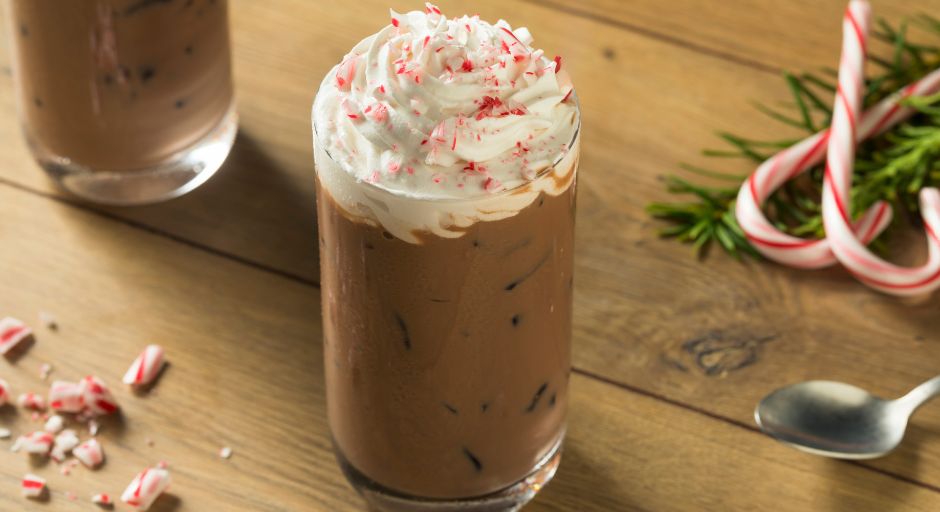
Peppermint Chocolate Protein Mousse Cups
A rich, holiday-style mousse made with Greek yogurt or cottage cheese, chocolate protein powder, cocoa powder, and a hint of peppermint extract. Finished with crushed candy cane dust or dark chocolate shavings, this dessert feels indulgent while helping keep blood sugar steady.
Servings: 4
Ingredients:
- 1 cup nonfat Greek yogurt or cottage cheese
- 2 scoops chocolate protein powder
- 1 tbsp unsweetened cocoa powder
- ½ tsp peppermint extract (adjust to taste)
- 1–2 tsp sweetener of choice (optional)
- Crushed candy cane or dark chocolate shavings for topping
Instructions:
- In a bowl, mix Greek yogurt (or cottage cheese), chocolate protein powder, cocoa powder, peppermint extract, and sweetener until smooth and well combined.
- Spoon the mousse into 4 small serving cups or ramekins.
- Top with crushed candy cane or dark chocolate shavings.
- Chill in the fridge for at least 30 minutes before serving for a firmer texture.
Tip: For an extra festive touch, add a sprig of fresh mint or a dusting of cocoa powder just before serving.
Cranberry Orange Cheesecake Bites
These mini bites combine Greek yogurt, light cream cheese, fresh orange zest, and a swirl of tart cranberries. They are bright, festive, and refreshing after a heavy meal, with protein that helps curb late-night snacking.
How the Healthi App Helps You Stay Balanced During the Holidays
Holiday meals can feel unpredictable, but tracking does not have to be stressful. The Healthi app makes it easy to log meals, monitor protein intake, and stay mindful without overthinking every bite. You can track macros, earn activity BITES from walks or workouts, and keep an eye on patterns that help you feel your best.
Whether you are enjoying a big family meal or a quieter celebration, the app helps you stay aware and intentional while still enjoying the moment.
Extra Support with HealthiCare
If you are using or considering GLP-1 medication, HealthiCare provides structured support that goes beyond food choices. With HealthiCare, you aren’t navigating this journey alone. You have access to licensed clinicians who understand GLP-1 medications, personalized guidance tailored to your body and goals, and seamless integration with the Healthi app to support you day to day. Our GLP-1–exclusive Healthi Fresh plan is designed specifically for GLP-1 users, with a strong focus on protein and fiber to help you stay satisfied, nourished, and energized even as your appetite changes.
This connected approach is what truly sets HealthiCare apart. Medication, clinical care, and intentional tracking work together in one system, helping you manage appetite shifts, make confident food choices, and build habits that actually last, especially through the holiday season and into long-term wellness.
Final Thoughts
High-protein holiday meals are not about restriction. They are about building plates that work with your body instead of against it. When protein leads the way, you stay fuller longer, enjoy your favorite foods more comfortably, and move through the holidays feeling steady, satisfied, and supported.
Lifestyle
Introducing the New HealthiCare Wellness Lines
HealthiCare is growing, and so are your options. We’ve expanded beyond GLP-1s and now offer a full range of treatments designed to support weight loss, menopause, skin health, body wellness, hair restoration, and sexual wellness — all in one place.
At HealthiCare, we believe wellness is meant to fit your life, not the other way around. That’s how we got our start: with clinically guided weight loss using GLP-1 medications like semaglutide and tirzepatide, available in both injectable and oral options. It’s where our story began, and it’s still a cornerstone of what we do today.
But feeling your best goes far beyond the number on the scale. Real wellness is bigger, deeper, and more dynamic, and that’s why we’re expanding into a full-spectrum lineup designed to support your mind, body, hormones, and everyday energy.
Today’s launch of the expanded HealthiCare covers everything from revving your metabolism and boosting performance to menopause support, hair restoration, brain clarity, sexual wellness, and healthy aging. Every product is crafted with clinically backed ingredients, expert precision, and the same commitment to safety and quality you trust from HealthiCare.
No cookie-cutter plans. No guesswork. Just smart, personalized care that meets you exactly where you are, and helps you move forward feeling stronger, more confident, and fully supported.
Below is a first look at what’s now available, with deeper dives into each category coming soon.
HealthiCare Menopause
Menopause is a natural life transition, not a hurdle you have to “push through.” At HealthiCare, we believe this phase can be empowering, and you deserve to feel vibrant, balanced, and fully yourself. Supportive hormone therapy isn’t about masking symptoms; it’s about restoring your quality of life.
Supportive hormone therapy isn’t about masking discomfort. It’s about restoring quality of life. That’s why our menopause treatments are designed to tackle hot flashes, night sweats, mood swings, fatigue, and sleep disruptions, while also supporting long-term bone, brain, and metabolic health. With flexible dosing and personalized guidance, HealthiCare helps you feel balanced, energized, and fully yourself through every stage of this natural transition. This is menopause care built around you!
Featured Treatments:
- Estradiol (Patches, Tablets, Gel): Estrogen replacement for overall menopause symptom relief, including hot flashes, night sweats, and fatigue.
- Progesterone: Helps maintain balance and protect uterine health during menopause.
👉 Discover HealthiCare Menopause

HealthiCare Body
Power up your body from the inside out with HealthiCare’s anti-aging and metabolic support solutions. From metabolism-boosting Lipo-B and Lipo-C shots to NAD+ therapies delivered via creams or injections, plus precision peptides like Sermorelin and Tesamorelin, these treatments are designed to recharge energy, enhance recovery, support lean muscle, reduce visceral fat, and revive your cells.
Whether you’re fighting fatigue, supporting liver health, bouncing back faster from workouts, or giving your skin a glow-up, these therapies work with your body to help you feel stronger, sharper, and fully renewed, giving you the energy, resilience, and vitality to perform at your best every day.
Featured Treatments:
- NAD+ (Injectable and Cream): Meet your new energy secret weapon, rapid cellular boost to improve focus, endurance and recovery from fatigue and stress.
- Tesamorelin: One of the most advanced peptides for body composition and vitality.
👉 Discover HealthiCare BODY

HealthiCare Hair
Your hair deserves the full VIP treatment, and HealthiCare’s hair restoration solutions deliver. From prescription topicals and targeted oral blends to supportive shampoos, our clinically backed therapies attack hair loss from every angle. Designed for both men and women, they help stimulate growth, strengthen roots, and improve overall hair health.
Whether you want to stop thinning, spark new growth, or boost thickness, our complete hair care lineup gives you the tools to support stronger, fuller, healthier hair. No guesswork, just results you can see and feel.
Featured Treatments:
- Oral Hair Loss Compound for Women: Supports healthy hair growth, shine, and strength by nourishing follicles and balancing nutrients.
- Finasteride: A powerhouse topical formula to stimulate hair follicles, enhance absorption, and boost visible growth and thickness.
👉 Discover HealthiCare HAIR
HealthiCare Mind
Clear thinking, steady focus, and lasting energy aren’t just just a luxury — they’re essential. HealthiCare’s brain-support solutions, featuring B12, NAD+, and other cellular-energy powerhouses, are designed to supercharge cognitive function, nerve health, and neurotransmitter activity.
Perfect for anyone battling brain fog, fatigue, stress, or just looking to feel sharper and more alert, these supports work at the cellular level to keep your mind energized, your focus locked in, and your clarity steady, all without the crash.
Featured Treatments:
- Methylene Blue: A mitochondrial powerhouse that enhances cellular energy, brain clarity, and memory.
- NAD+ Nasal Spray: Brain fog? Not today. The NAD+ Nasal Spray is designed for quick absorption to give your brain a clean, focused energy lift.
👉 Discover HealthiCare MIND

HealthiCare Skin
Healthy, radiant skin starts from within, and HealthiCare’s skin-support solutions are here to help you shine. With powerhouse options like Tretinoin creams and Glutathione (vials or nasal spray), these treatments boost cell renewal, defend against oxidative stress, and support overall skin clarity and vitality.
Whether you’re aiming to smooth fine lines, even your skin tone, reduce blemishes, or amplify your natural glow, these supports work from the inside out to keep your skin looking vibrant, youthful, and healthy, day after day.
Featured Treatments:
- Glutathione: Known as the “master antioxidant,” brightens skin, detoxifies the liver, and protects against cellular damage.
- Tretinoin: The gold standard in skincare, accelerates cell renewal to smooth fine lines, fade blemishes, and even skin tone.
👉 Discover HealthiCare SKIN

HealthiCare Sexual Health (coming soon)
Confidence, closeness, desire, and performance are central to quality of life, and HealthiCare’s sexual wellness solutions are designed to support all of them. With clinically guided formulations for both men and women, including fast-absorbing troches, dual-action combinations, topical creams, and customizable dosing, you can address intimacy and performance challenges safely and effectively.
These products work on multiple levels: improving blood flow, enhancing sensitivity, supporting hormonal balance, and promoting emotional connection. Whether you’re seeking to reignite desire, boost stamina, or achieve more consistent performance, our solutions are designed to provide real, noticeable results.
Women’s products, like our Passion Cream, are formulated to enhance sensitivity, comfort, and confidence, while men’s options range from oral medications to innovative combination therapies that support erections, endurance, and arousal. All are grounded in clinical research, offering a science-backed approach to intimacy that feels natural, responsive, and empowering.
Your Full-Spectrum Wellness Starts Here
With this expanded product line, you have access to targeted support for every stage of life and every chapter of your wellness journey. Whether you’re focused on metabolism, aging, hormone balance, hair restoration, mental clarity, or intimate wellness, you’ll find tools designed to meet your needs with precision.
And because it comes from HealthiCare, you get more than just a product. You get clinical guidance, safe formulations, thoughtful delivery options, and the confidence of having experts in your corner.
Detailed category guides are coming soon, but for now, here’s your first look at what’s ahead. You’re stepping into a new era of wellness that’s personalized, intentional, and created to help you thrive.
We’re excited to grow with you.
Your transformation doesn’t stop at one goal, and neither do we.
Nutrition
Your Guide to Lighter Holiday Baking — Yes, It’s Possible
The holidays don’t have to mean overindulgence. You can bake, celebrate, and savor the flavors you love while making choices that keep you feeling great and aligned with your progress.
Holiday baking is one of life’s sweetest pleasures, but it can also feel like a minefield if you’re trying to stay mindful of your health goals. The good news is you don’t have to skip out on cookies, cakes, and pies to enjoy the season. With a few intentional swaps, portion awareness, and strategic planning, you can keep the magic while making choices your body will thank you for.
Smart Ingredient Swaps for Holiday Baking
Holiday baking doesn’t have to be off-limits. It’s your chance to get creative, take control of your ingredients, and bake in a way that still supports your goals. With the right swaps, you can keep the flavor, texture, and satisfaction you love without the extra sugar or heavy add-ins. Here’s a breakdown of the best swaps, why they work, and how to use them.
1. Yogurt Instead of Butter or Cream
Nonfat Greek yogurt is a superstar for lighter baking. It keeps baked goods moist, tender, and rich without adding the extra saturated fat found in butter or cream. It also adds a boost of protein, which helps you feel full and satisfied.
How to use it:
- Replace up to half of the butter or oil in muffins, quick breads, or cakes with Greek yogurt.
- Swap full-fat cream in cheesecake or custard recipes for Greek yogurt to maintain creaminess while cutting calories.
- Use Greek yogurt in frosting or as a creamy filling for a tangy, lower-fat alternative.
Pro tip: Yogurt works especially well in pumpkin, apple, and banana-based recipes as it enhances moisture and tang, pairing perfectly with warm spices.
2. Natural Sweeteners Instead of Sugar
Sugar is traditional, but it can spike blood sugar and add unnecessary calories. Natural sweeteners like monk fruit, stevia, or erythritol give you sweetness without the crash.
How to use it:
- Start by swapping 25–50% of sugar in a recipe and taste-test; sometimes you can replace it completely.
- Combine sweeteners with fruit purees to add natural sweetness, fiber, and flavor.
- Use powdered versions for frosting or glazes to keep texture smooth.
Pro tip: Combining a natural sweetener with a small amount of vanilla extract, cinnamon, or nutmeg can trick your taste buds into feeling fully indulgent.
3. Whole-Grain or Alternative Flours
Traditional white flour can leave baked goods less filling and spike blood sugar quickly. Whole-grain flours, oat flour, or almond flour add fiber, protein, and nutrients while slowing digestion for more sustained fullness.
How to use it:
- Replace 25–50% of all-purpose flour with whole wheat or oat flour in cookies, muffins, or breads.
- Almond or hazelnut flour works beautifully for pie crusts, brownies, and shortbread cookies, adding a nutty flavor and tender texture.
- Experiment with combinations of flours to get the perfect rise and chew while keeping fiber high.
Pro tip: Whole-grain flours absorb more moisture, so slightly increasing liquids or Greek yogurt in recipes can prevent dryness.
4. Spice It Up for Flavor Without Sugar
Spices are a free way to make desserts taste indulgent without any extra sugar. Cinnamon, nutmeg, ginger, cloves, cardamom, and allspice bring warmth and depth to baked goods.
How to use it:
- Add extra cinnamon or ginger to cookies, muffins, pancakes, and breads for a naturally sweet aroma.
- Mix spices into frosting, glazes, or oat toppings for added flavor without calories.
- Try “spice blends” for apple, pumpkin, or pear recipes to make desserts taste festive instantly.
Pro tip: Toast whole spices lightly before grinding them into recipes to maximize flavor.
5. Fruit and Veggie Purees Instead of Fat and Sugar
Unsweetened applesauce, mashed bananas, pumpkin puree, or even sweet potato puree can replace part of the fat or sugar in baked goods while adding fiber, vitamins, and natural sweetness.
How to use it:
- Replace up to half the butter or oil in muffins, pancakes, and quick breads with a puree.
- Use mashed banana or pumpkin puree to naturally sweeten cakes, muffins, and even brownies.
- Pair purees with warm spices and a small amount of natural sweetener for dessert-like flavor without excess sugar.
Pro tip: Purees can slightly change texture, so it’s best to reduce other liquids slightly when using them as fat replacements.
By combining these swaps, you can transform almost any traditional holiday recipe into a version that’s lighter, more nutrient-rich, and still completely indulgent. The magic of the holidays doesn’t have to be sacrificed, it just takes a little creativity and awareness.
Portion Awareness
Even the healthiest recipes can become overwhelming if portions are too large. Consider mini muffins, bite-sized cookies, or using silicone molds for smaller desserts. Not only does this help with calorie control, but it also encourages mindful eating, while enjoying every bite, without overdoing it.

Baking for Balance
Holiday baking can be both indulgent and mindful when you focus on protein and fiber. These nutrients help slow digestion, stabilize blood sugar, and keep you feeling satisfied so you can enjoy your treats without overdoing it. Simple additions like nuts, seeds, or a scoop of protein powder in cookie dough, muffin batter, or brownies not only boost protein but also add texture, crunch, and healthy fats. You can also experiment with whole-grain or oat flours and chia or flax seeds to increase fiber and keep desserts hearty yet balanced.
Fruit-based desserts are another smart option for satisfying your sweet tooth while nourishing your body. Think baked apples with cinnamon and a sprinkle of oats, roasted pear crisps, or layered pumpkin Greek yogurt parfaits. These desserts deliver natural sweetness, fiber, and vitamins. You can even use mashed bananas or unsweetened applesauce to replace part of the sugar and fat in recipes. With these thoughtful swaps, every dessert can be flavorful, satisfying, and balanced, letting you enjoy the holidays without sacrificing your goals.
How the Healthi App Makes Holiday Baking Easier
With the Healthi app, your holiday baking can stay on track without stress:
- Log ingredients and recipes to see how they fit into your daily BITES.
- Track macros for baked goods so you can balance them with meals and snacks.
- Save your favorite lighter recipes for quick access or repeat baking.
- Plan and customize your holiday meal or baking schedule to enjoy treats mindfully.
Extra Support with HealthiCare
If you’re on a GLP-1 medication or considering starting one, HealthiCare provides structured guidance through the holidays:
- Access to licensed clinicians for personalized medication advice.
- Nutrition and lifestyle recommendations that work with your body’s unique needs.
- Seamless integration with the Healthi app so you can track meals, recipes, BITES, and progress in real time.
Holiday baking doesn’t have to sabotage your progress. With mindful swaps, attention to portions, and tools like the Healthi app and HealthiCare, you can enjoy seasonal treats, satisfy your cravings, and stay consistent with your wellness goals.

Lifestyle
Gifting Yourself Wellness: 10 Self-Care Ideas for the Holidays
This December is busy, joyful, and a little chaotic — which is exactly why taking care of yourself matters most. Coach Delicia is sharing ten simple self-care strategies that protect your peace, boost your energy, and help you actually enjoy the holidays instead of just surviving them.
December is officially here, and the holiday season is in full swing! I love the twinkle lights, the festive music, and all the warm, cozy feelings, especially here in Colorado. But let’s be real, this month is also a marathon of to-do lists, crowded malls, endless parties, and maybe a little too much stress. We spend so much time running around buying gifts for everyone else that we completely forget the most important person in the whole equation: ourselves.
This year, I’m issuing a mandatory holiday rule: we are gifting ourselves wellness. Your health journey is more than just tracking points; it’s about managing your stress and energy so you can actually enjoy the good stuff. If you run yourself ragged, your willpower goes out the window, and those healthy habits we worked so hard to build vanish faster than a sugar cookie on Christmas Eve.
Personally, since my baby is expected next month, I’m absolutely gifting myself a prenatal massage this December. It’s a non-negotiable hour of peace before the chaos, and trust me, you deserve a similar non-negotiable moment too.
Here are 10 straightforward, Healthi-approved self-care ideas to prioritize this month:

Prioritize Your Peace: Wellness Gifts for Your Mind
1. Schedule “Un-Schedule Time.”
Grab your calendar right now and block out 30 minutes three times a week that is non-negotiable me-time. This isn’t for errands or cleaning, it’s for sitting, resting, reading, or staring out the window. If someone asks for that time, you say, “Sorry, I have an appointment.” The appointment is with your sanity.
2. Practice the Power of “No.”
You don’t have to go to every party, bake every cookie, or volunteer for every task. Saying “no” to something you don’t actually want to do is saying “yes” to your peace. Protect your boundaries and save energy for what truly matters.
3. Set a Social Media Curfew.
The holidays bring out the “perfect” versions of everyone’s life online, which can trigger comparison and stress. Choose a time (like 8 PM) when scrolling stops. Use that time for something calming, like journaling or reading a real book.
4. Start a Gratitude Minute.
The holidays often make us focus on what we don’t have or what still needs to get done. Take one minute each morning to write down three things you are genuinely grateful for. This simple shift is proven to reduce stress and boost mood.

Protect Your Energy: Wellness Gifts for Your Body
5. Keep Your Water Game Strong.
Cold weather makes hydration easy to forget, but dehydration mimics hunger and fatigue. Keep a large water bottle with you and sip all day. Add winter citrus or cranberries to make it festive.
6. Don’t Skip Your Movement.
You don’t need hour-long gym sessions. Think of your workout as a stress reliever. Commit to 15–20 minutes a day, like a brisk walk to look at holiday lights, yoga while your coffee brews, or a few extra stair runs. Consistency wins every time!
7. Create a Food Buffer.
Before any party or gathering, eat a protein snack (Greek yogurt, apple with peanut butter, or a handful of nuts). Showing up starving is the fastest way to derail your plan. This buffer helps you make mindful choices.
8. Prioritize Sleep.
Sleep repairs your body, manages stress hormones, and resets appetite signals. Aim for a consistent bedtime. If you’re up late wrapping presents, plan an earlier bedtime the next day. Sleep is non-negotiable for your immune system and willpower.
Stay Connected: Wellness Gifts for Your Heart
9. Choose Quality Time Over Quantity.
Instead of spending hours baking complicated cookies, suggest a simple walk with a friend or a cozy board game night at home. Authentic moments fuel your heart far more than elaborate activities.
10. Do a Simple Act of Kindness.
The best way to feel good is to do good. It doesn’t need to be a huge gesture. Buy coffee for the person behind you, leave a kind note for a coworker, or donate canned goods. These small acts bring joy back into the season.
The Final Gift: Your Peace of Mind
This December, remember that the most valuable thing you have is your peace of mind and your health. The holidays are meant to be joyful, not exhausting. You cannot pour from an empty cup. Instead of running yourself into the ground trying to make everything perfect for everyone else, prioritize those non-negotiable moments for yourself, whether it’s a quiet cup of coffee before the kids wake up, that 15-minute stress-relieving walk, or, in my case, that amazing prenatal massage.
Your Healthi journey doesn’t stop just because the calendar changed. By focusing on these simple self-care strategies, you’re not just surviving the holidays, you’re building resilience and setting yourself up for a strong start to the new year.
Go ahead and check off those gifts for everyone else, but make sure the top item on your list is you. You deserve it.
Nutrition
Lifestyle
Healthy Holiday Comfort Foods That Won’t Derail Your Goals
The holidays don’t have to mean giving up on your goals. With a few simple swaps and mindful choices, you can enjoy cozy, comforting dishes without derailing your progress. From savory mains to sweet treats, here’s how to make holiday favorites healthier, satisfying, and completely doable.
The holidays are a time for family, friends, and of course, comfort food—the warm casseroles, savory roasts, creamy sides, and decadent desserts that make the season feel cozy and special. But for anyone focused on health and wellness, all that richness can feel intimidating. The good news is you don’t have to skip your favorites or feel guilty about enjoying them. With a few smart swaps, intentional portioning, and thoughtful preparation, you can savor every bite without undoing your progress. This is your guide to making the flavors you love work for you, so you can feel satisfied, energized, and still in control.
Savory Main Dishes
Traditional holiday mains can be heavy in calories, fat, and sodium, but small changes can go a long way. Consider roasting a turkey or chicken with herbs and a little bit of olive oil instead of basting in butter. Lean cuts of beef or pork can be roasted with a spice rub rather than a sugar-heavy glaze. For plant-based options, a hearty lentil loaf or stuffed squash brings comfort and fiber without excess calories.
Our must-try holiday main dish of 2025:
Cranberry-Herb Turkey & Veggie Meatballs with Citrus Glaze
A fun, festive twist on a holiday main dish—light, flavorful, protein-packed, and totally unexpected.These juicy turkey meatballs are infused with holiday herbs, finely chopped veggies, and a pop of tangy cranberry. They’re baked (not fried), full of lean protein, and finished with a bright citrus glaze that feels indulgent without the calories. Plus, they’re easy to portion, great for leftovers, and perfect for anyone wanting a lighter main that still screams “holiday.”
Serves: 6 (makes 24 meatballs)
Approx Calories: ~60–70 per meatball
Ingredients for the meatballs:
- 1.5 lbs ground turkey (93% or leaner)
- 1 cup finely chopped mushrooms
- ½ cup finely chopped spinach
- ¼ cup finely diced onion
- 1 egg
- ½ cup panko or whole-wheat breadcrumbs
- ¼ cup dried cranberries, chopped
- 1 tbsp fresh rosemary, minced
- 1 tbsp fresh thyme, minced
- 1 tsp garlic powder
- 1 tsp onion powder
- ¾ tsp salt
- ½ tsp black pepper
For the citrus glaze:
- ¼ cup orange juice
- 1 tbsp lemon juice
- 1 tbsp honey (or sugar-free honey alternative)
- ½ tsp Dijon mustard
- ½ tsp cornstarch mixed with 1 tsp cold water
Instructions
- Preheat the oven to 400°F. Line a baking sheet with parchment.
- Mix the meatballs: In a large bowl, combine turkey, mushrooms, spinach, onion, egg, breadcrumbs, cranberries, herbs, and seasonings. Mix gently—don’t overwork the meat.
- Roll into 24 small meatballs and place on the baking sheet.
- Bake for 18–20 minutes, or until cooked through and lightly golden.
- Make the glaze:
- In a small saucepan, whisk together orange juice, lemon juice, honey, and Dijon.
- Bring to a simmer.
- Stir in the cornstarch slurry and cook for 1–2 minutes until slightly thickened.
- Coat the meatballs: Toss warm meatballs in the citrus glaze or drizzle just before serving.
- Garnish with fresh rosemary or extra chopped cranberries for color.
Healthy Sides That Shine
Vegetables don’t have to play second fiddle on the holiday table. Roasted Brussels sprouts with a drizzle of balsamic, mashed cauliflower with garlic and nonfat Greek yogurt, tender roasted carrots with a hint of honey and thyme, and crisp green beans sautéed with almonds or garlic deliver rich flavor while supporting fullness. You can also enjoy a colorful roasted root vegetable medley with sweet potatoes, parsnips, and beets. Swap traditional creamy casseroles for versions made with nonfat Greek yogurt or light cheese to keep the indulgence without overdoing it. These vibrant, flavorful sides let you savor the season while staying mindful of your goals.
Our must-try holiday side of 2025:
Maple-Roasted Carrot & Parsnip Fries with Whipped Feta Yogurt Dip
A vibrant, unexpected holiday side that feels indulgent but stays light, flavorful, and totally track-friendly. These caramelized carrot–parsnip “fries” have that perfect mix of savory + slightly sweet holiday flavor. They roast up crisp on the edges, tender inside, and pair beautifully with a bright, creamy whipped feta dip lightened with nonfat Greek yogurt. It’s a side that feels gourmet but is incredibly easy, and one that gets people talking.
Serves: 6
Approx Calories: ~110–130 per serving (including dip)
Ingredients for the veggie fries:
- 4 large carrots, peeled and cut into thick “fries”
- 4 large parsnips, peeled and cut into thick “fries”
- 1 tbsp olive oil
- 1 tbsp sugar-free maple syrup (or regular if preferred)
- 1 tsp smoked paprika
- 1 tsp garlic powder
- ½ tsp salt
- ¼ tsp black pepper
- Optional: fresh thyme or rosemary for serving
For the whipped feta yogurt dip:
- ½ cup nonfat Greek yogurt
- ¼ cup light feta cheese
- 1 tsp lemon juice
- ½ tsp honey (or sugar-free honey)
- 1 small clove garlic, grated
- Pinch of salt and pepper
Instructions
- Preheat oven to 425°F. Line a large baking sheet with parchment.
- Prep the fries: Toss the carrots and parsnips with olive oil, maple syrup, smoked paprika, garlic powder, salt, and pepper.
- Spread evenly on the baking sheet, making sure they’re not overcrowded.
- Roast for 25–30 minutes, flipping halfway, until golden and lightly crisp on the edges.
- Make the dip: In a small blender or food processor, combine yogurt, feta, lemon juice, honey, garlic, salt, and pepper. Blend until smooth and whipped.
- Serve: Transfer fries to a platter, drizzle with extra maple if desired, and top with fresh herbs. Serve with the whipped feta dip on the side.
Desserts You Can Feel Good About
Who says holiday desserts can’t be both indulgent and smart? You can still enjoy treats that feel festive and satisfying without derailing your progress. Try spiced baked apples topped with a crunchy oat and cinnamon crumble, mini pumpkin cheesecakes made with a creamy Greek yogurt base, or dark chocolate-dipped strawberries and orange slices for a little antioxidant boost. Roasted pear halves with a drizzle of honey and crushed pistachios, or chia pudding layered with cinnamon-spiced pumpkin puree, make for colorful, cozy options too. Each of these desserts hits the sweet spot while keeping fiber, protein, and balance in mind so you can celebrate and stay on track.

Our must-try holiday dessert of 2025:
Cinnamon-Sugar Snowball Yogurt Truffles
A light, no-bake holiday dessert that looks decadent, tastes dreamy, and sneaks in protein and fiber. These little truffles feel like a cross between cheesecake bites and frozen cookie dough, but they’re made from Greek yogurt, almond flour, and warm holiday spices. Rolled in “snowy” cinnamon sugar, they’re nostalgic, fun, and seriously delicious… all while staying surprisingly light. They’re the kind of treat people pick up out of curiosity—and then ask for the recipe.
Serves: 10–12 truffles
Approx Calories: ~45–55 per truffle
Ingredients for the truffles:
- ¾ cup nonfat Greek yogurt
- ½ cup finely ground almond flour
- 2 tbsp vanilla protein powder (optional, but boosts structure + protein)
- 1 tbsp maple syrup or sugar-free maple syrup
- ½ tsp cinnamon
- ¼ tsp nutmeg
- ¼ tsp vanilla extract
- Pinch of salt
For the coating:
- 2 tbsp powdered monk fruit or powdered sugar
- ½ tsp cinnamon
Instructions
- Mix the base: In a bowl, stir together Greek yogurt, almond flour, protein powder, maple syrup, cinnamon, nutmeg, vanilla, and salt until a soft dough forms.
- Chill: Freeze for 20–30 minutes, or until firm enough to roll.
- Shape the snowballs: Scoop small portions and roll into smooth truffle-sized balls.
- Coat: Mix the powdered sugar and cinnamon. Roll each truffle until covered like a snowy bite.
- Set: Freeze or refrigerate until serving. They’re delicious chilled, slightly frozen, or fully thawed.
Smart Swaps for Holiday Favorites
- Replace heavy cream with Greek yogurt or coconut milk in sauces and soups.
- Use whole-grain or legume-based pasta in mac and cheese or baked dishes.
- Add fiber-rich vegetables to mashed potatoes, stuffing, and casseroles to boost satiety.
- Incorporate spices like cinnamon, nutmeg, and smoked paprika for flavor without extra sugar or salt.
How the Healthi App Makes Holiday Eating Easier
The holidays can feel overwhelming, but tracking doesn’t have to be. With the Healthi app, you can log meals quickly, track macros, monitor activity, and keep your BITES balanced even during holiday indulgences. The activity tracker also helps you stay on top of movement—whether it’s a post-dinner walk or a festive workout—so you feel good about both eating and staying active.
Extra Support with HealthiCare
If you’re using GLP-1 medication or want extra guidance this holiday season, HealthiCare provides a full support system. You get access to licensed clinicians, caring support, and seamless integration with the Healthi app to track your meals, BITES, and progress in real time. It’s more than just tracking; it’s a structured plan that helps you enjoy your favorite foods while staying on track with your goals.
Conclusion
Comfort food doesn’t have to mean guilt or setbacks. With mindful swaps, balanced portions, and the support of tools like the Healthi app and HealthiCare, you can enjoy a festive holiday table while still honoring your health and weight loss goals. This season, indulge in your favorites intentionally, and celebrate food that nourishes both body and soul.

Lifestyle
Nutrition
The Thanksgiving Epiphany That Changed the Way I Eat—Forever
Coach Brianna shares the simple shift that helped her break free from holiday overeating. Her “crescent roll moment” will change the way you look at Thanksgiving plates and everyday choices, and might just be the mindset reset you’ve been needing.
Thanksgiving used to be my personal Olympics of overeating. It was the one day a year when tracking and boundaries magically disappeared. I’d walk into the holiday convinced it was my only chance to indulge in foods I believed were “once a year” treats, mostly because I over-restricted the rest of the time. I’d make a mental list of everything I wanted to try, pile my plate way too high “because it’s a holiday,” and then end the day feeling uncomfortably full, a little guilty, and if I’m being honest, pretty disappointed.
But a few years ago, something small and almost silly happened that completely changed the way I approach the holiday table and the way I think about food in general.
It started with a Pillsbury crescent roll.
The Moment Everything Shifted
I was enjoying Thanksgiving dinner with family. I had already eaten a full plate of food, and as I reached for yet another crescent roll, a thought hit me so clearly it actually startled me:
“I could literally make these any day of the year.”
That was it.
That tiny, obvious realization completely rewired my brain.
Why was I overeating crescent rolls—of all things—just because it was Thanksgiving? They weren’t a once-a-year specialty. They weren’t homemade. They weren’t even my favorite thing on the table.
If I wanted crescent rolls tomorrow, I could drive to the store, spend a few dollars, and have a whole tray ready in twelve minutes. So why was I acting like it was my last chance to enjoy them?
That’s when it clicked:
So much of our holiday overeating isn’t about hunger.
It’s about perceived scarcity.
We tell ourselves things like:
- “This only comes around once a year!”
- “I won’t get this again until next Thanksgiving!”
- “Better eat it now while I can!”
But is that actually true? For me, it absolutely wasn’t. The scarcity was completely made up. And once I saw it, I couldn’t unsee it.
What I Ate Completely Changed
The moment I recognized that crescent rolls were available any day of the week, something shifted. I didn’t need to fill up on the foods I could have anytime.
Instead, I wanted to save room for:
- The once-a-year sweet potato casserole my family only makes on holidays
- The homemade pumpkin pie my sister spends hours perfecting
- The dishes tied to tradition, nostalgia, and actual meaning
For the first time, my holiday plate became intentional instead of a free-for-all.

This Epiphany Changed More Than Thanksgiving
That crescent roll moment taught me something bigger, something I still use in my everyday relationship with food:
Don’t overeat foods that aren’t truly special.
Save your appetite and your “worth it” moments for the things you genuinely love. This applies to weeknight snacks, restaurant bread baskets, and random grocery-store cravings. When I remind myself that I can always have something later, it removes the urgency. And when the urgency goes away, so does the impulse to overeat.
How You Can Apply the “Crescent Roll Epiphany”
Here are a few ways to use this mindset shift in your own life:
1. Identify what’s truly special to you.
What do you only get at the holidays?
Which foods carry tradition, memory, or meaning?
Prioritize those.
2. Release the foods you can get any time.
Store-bought rolls.
Everyday cookies.
Basic mashed potatoes.
Generic snacks.
You do not need to eat something just because it is on the table.
3. Remind yourself that you can have it again tomorrow.
Take the pressure off.
Let go of the scarcity mindset.
Watch how quickly the desire to overeat fades.
4. Give yourself permission to enjoy what you truly love.
Intentional eating is not restriction.
It is choosing joy on purpose.
The Bottom Line
A holiday plate—and everyday eating—does not have to be chaotic or guilt-filled. Sometimes all it takes is a tiny realization like “I can buy crescent rolls any day of the week” to let go of overeating and start making decisions that feel good in your body and your life.
This epiphany didn’t just change my holidays. It changed every moment I used to label as a “special occasion.” And I hope it helps bring a little more food freedom to your life this season, too.
Nutrition
The Secret to Feeling Full and Losing Weight? Two Nutrients You’re Probably Missing
Struggling with hunger or feeling like your meals never keep you full? The secret isn’t more willpower. It’s two overlooked nutrients that can finally help you feel satisfied, energized, and in control of your weight loss journey.
If you’ve ever found yourself thinking, “Why am I hungry again? I just ate,” you’re not alone. Most of us don’t struggle with willpower, we struggle with meals that simply aren’t built to keep us full. And when your meals aren’t satisfying, everything feels harder: cravings, snacking, late-night nibbling, motivation… all of it.
But here’s the good news: feeling fuller (and losing weight more comfortably) usually comes down to two nutrients most people aren’t getting enough of — protein and fiber.
Let’s break down how they work and how to use them to your advantage.

Why Protein and Fiber Matter So Much
Protein: The Stay-Full Superpower
Protein takes longer to digest, stabilizes blood sugar, and signals your brain that you’re satisfied. Without enough of it, meals burn off quickly leaving you roaming the kitchen an hour later. Most adults need far more than they think, especially during weight loss, when your body works harder to preserve muscle and keep your metabolism steady.
Fiber: The Volume Booster
Fiber adds bulk to your meals without adding tons of calories. It keeps digestion steady, slows down how fast you absorb sugar, and helps you avoid those energy crashes that send you searching for snacks. And because most adults fall well below the recommended daily amount, simply increasing fiber can make a dramatic difference in hunger and cravings.
What Happens When You’re Low on Both?
Meals look “normal,” but:
- You feel hungry too soon
- Cravings spike
- Portion control feels impossible
- Energy dips throughout the day
- Weight loss feels slow or frustrating
When you add protein and fiber, it’s the opposite — meals feel satisfying, your body has steady energy, and hunger becomes more predictable and manageable.
How to Build a Meal That Actually Keeps You Full
A simple rule of thumb: Every meal needs a source of protein + a source of fiber.
Protein ideas:
- Greek yogurt
- Eggs or egg whites
- Lean meats
- Tofu or tempeh
- Cottage cheese
- Protein powder
- Fish or seafood
Fiber ideas:
- Vegetables (fresh, frozen, roasted, it all counts)
- Berries or apples
- Beans and lentils
- Oats
- Chia or flax
- Whole grains
- Potatoes or sweet potatoes
Pair one from each category, and you’ll feel the difference almost immediately.

Quick Ways to Add More Protein & Fiber Without Overthinking
- Add berries and chia seeds to yogurt
- Mix beans into soups, chili, pasta, or tacos
- Build half your plate with veggies
- Add an extra egg or egg white to breakfast
- Choose high-fiber wraps or breads
- Keep frozen veggies on hand for fast meals
- Add a scoop of protein powder to oatmeal
- Choose snacks with at least 10g protein or 4g fiber
Small nudges, big payoff.
What This Means for Weight Loss
When you actually feel full, everything about weight loss becomes simpler. Your food choices get more consistent, those frantic “I’ll eat anything right now” moments start to fade, and you naturally take in fewer calories without feeling restricted. Your blood sugar stays steadier, your cravings calm down, and you feel more in control of your day instead of being pushed around by hunger. Feeling full turns weight loss from a constant battle into something that feels steady, manageable, and sustainable.

How the Healthi App Helps You Dial This In
If you’re trying to lose weight, tracking protein and fiber helps you see whether your meals are actually built to keep you full, not just low in calories.
Inside the Healthi app, you can:
- Track protein through your macros and fiber through creating recipes
- Log meals, recipes, water, and activity
- See patterns in fullness and cravings over time
- Build balanced meals using BITES
- Use your tracker to stay consistent, even on busy days
These simple tools help you connect what you eat with how you feel so you can make small adjustments that lead to big progress.
Final Takeaway
If you’ve been feeling hungry, snacky, or frustrated with your weight loss progress, it’s not about willpower alone, it’s about biology. Focusing on protein and fiber gives your body the tools it needs to stay full, energized, and satisfied.
And once you start building meals with these two powerhouse nutrients, you’ll wonder how you ever ate any other way.
Lifestyle
Your Guide to a Healthi and Happy Thanksgiving
Coach Jeri shares her best, most practical tips for enjoying a balanced, Healthi Thanksgiving so you can stay mindful, feel confident in your choices, and still savor all the foods and traditions you love.
Thanksgiving has become a day centered around gathering with the people we love, sharing gratitude, and enjoying the comfort foods we look forward to all year long. But for those of us on a health journey, the holiday can also feel a little overwhelming. The table is full, the portions are generous, and the pressure to “just dive in” can feel strong. The good news is that with a plan, a grounded mindset, and a little self-compassion, you can enjoy the day without losing the momentum you’ve worked so hard to build.
No Such Thing As Perfect
One of the most important things to remember is this: do not expect to be perfect. A realistic mindset goes a long way. In my meetings, we often make a mock version of what our Thanksgiving plate will look like. This simple step has helped many people walk into the holiday feeling confident instead of stressed. Since we usually know what foods will be on the table, planning ahead takes away the guesswork and makes it easier to be selective.
And above all else, do not let guilt take over if you go over your daily BITES allotment. One day will not undo your progress. What matters most is how you respond, not how perfectly you perform.
Here are my tips to help you move through Thanksgiving with confidence and ease:
- If you are the host, you have the most control. Lighten up traditional recipes with a few simple swaps. No one will notice, and you’ll feel more aligned with your goals. When guests ask what they can bring, suggest fruit or vegetable platters.
- If you are a guest, plan ahead. Call your host to see what is being served and offer to bring a dish that fits your plan. Bringing something “safe” gives you at least one option you feel good about.
- Choose your favorites with intention. You can have mashed potatoes or mac and cheese any time of the year. Focus on foods that truly feel special, like stuffing, sweet potato pie, or your favorite Thanksgiving dessert.
- Start the day with movement. Many communities host turkey trots, but even a simple walk around the neighborhood adds positive momentum to your day.
- If you want a drink, enjoy it mindfully. Add seltzer to your wine to stretch it a little further while still joining in the celebration.
- Don’t sit at the table for hours. Get up, help clear dishes, or invite someone to take a short walk with you. A little movement helps reset your mind and body.
- Be mindful of portions. No one expects you to weigh your food at the holiday table, but keeping an eye on what looks like a reasonable amount can make a big difference.
- Have your dessert. Truly. Just choose one serving and track it. Members who track even when they go over often feel more in control and less guilty. A small serving can satisfy the craving without derailing your whole day.

Life should be enjoyable and full, and food is just one part of it. The more you practice mindful eating and intentional choices, the more empowered you’ll feel. Thanksgiving is really about the people at the table, not just the food on it. Go into your celebration ready to enjoy the company, the conversation, and the memories you’re making.
The best part comes later, when you step on the scale and see you maintained control, stayed true to yourself, and protected your progress. These are the moments that build confidence and remind you just how capable you are.
Enjoy your holiday, enjoy your loved ones, and enjoy living in a way that supports your future.
Happy Thanksgiving!
Nutrition
Our Favorite Thanksgiving Recipes of 2025
Thanksgiving is a holiday built around food, flavor, and comfort, but that doesn’t mean it has to derail your goals. These lighter, delicious, and totally crowd-pleasing recipes keep the celebration joyful while helping you feel energized, satisfied, and in control. Healthy can be fun, cozy, and seriously tasty, and these dishes prove it.
Thanksgiving can bring a mix of gratefulness, excitement, and stress. You want to enjoy the day, soak up the memories, maybe indulge a little, and still feel good in your body without feeling like you restricted too much or went completely overboard. The truth is, a balanced Thanksgiving isn’t about skipping your favorite foods or running a mile after dinner. It’s about building a table that includes plenty of options that taste amazing and still support how you want to feel.
This lightened-up lineup gives you just that. These recipes are nourishing, full of flavor, and simple enough for even the busiest holiday week. They’re comfort food with a lighter twist, designed to help you feel satisfied instead of stuffed. And the best part is that everything fits beautifully into the Healthi app, where you can track your BITES, save recipes, and stay mindful without feeling restricted.
If you’re using HealthiCare, these options pair well with your GLP-1 journey, too. They focus on protein, fiber, and slow-digesting ingredients that keep you energized while avoiding heavy crashes or overeating.
Upgrade your Thanksgiving menu with these must-try Thanksgiving favorites of 2025:
Herb Roasted Turkey Tenderloins
Serves: 4
Ingredients:
- 1.5 pounds turkey tenderloins
- 2 tablespoons olive oil
- 2 cloves garlic, minced
- 1 tablespoon chopped rosemary
- 1 tablespoon chopped thyme
- 1 teaspoon onion powder
- Salt and pepper
Instructions:
- Preheat oven to 375.
- Whisk oil, garlic, rosemary, thyme, onion powder, salt, and pepper.
- Rub mixture evenly over tenderloins.
- Roast 25 to 30 minutes or until internal temperature reaches 165.
- Rest 5 minutes before slicing.
Why we love it:
Lean turkey cooks quickly, stays juicy, and gives you protein to help keep your hunger stable throughout the day. It’s an easy win for tracking in the Healthi app.
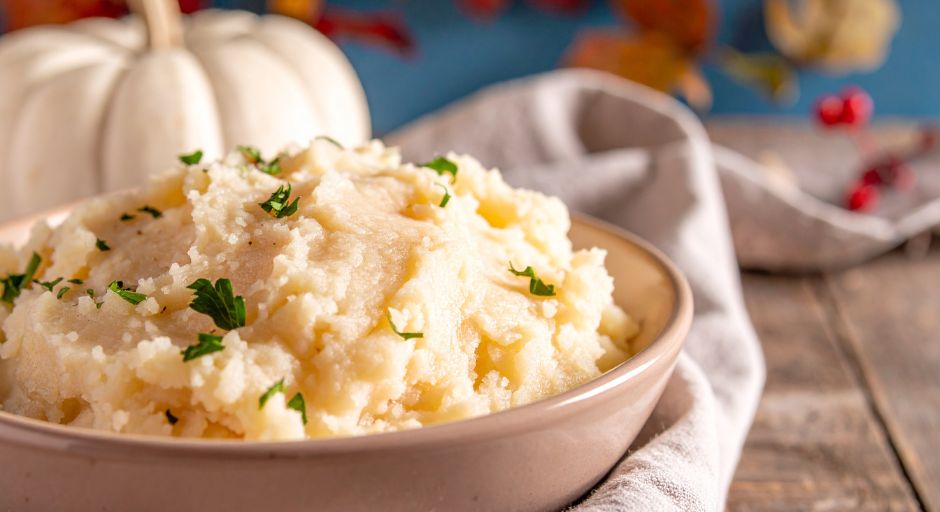
Lighter Garlic Mashed Potatoes
Serves: 6
Ingredients:
- 2 pounds Yukon gold potatoes, peeled and cubed
- 1 tablespoon butter
- 1 cup nonfat plain Greek yogurt
- 3 cloves roasted garlic
- Salt and pepper
- Splash of milk if needed
Instructions:
- Boil potatoes until tender.
- Drain and mash with Greek yogurt, butter, garlic, salt, and pepper.
- Add a splash of milk only if you want a softer texture.
Why we love it:
Greek yogurt adds creaminess and protein while cutting down the richness. It keeps the dish comforting without weighing you down later.

Sweet and Savory Roasted Brussels Sprouts with Apple
Serves: 4
Ingredients:
- 4 cups halved Brussels sprouts
- 1 medium Honeycrisp apple, diced
- 1 tablespoon olive oil
- 1 tablespoon balsamic vinegar
- Salt, pepper, and a pinch of cinnamon
Instructions:
- Preheat oven to 400.
- Toss all ingredients on a sheet pan.
- Roast 20 to 25 minutes until edges crisp and apples soften.
Why we love it:
You get fiber, antioxidants, and natural sweetness in one simple dish. Great volume, great flavor, and great for staying satisfied.
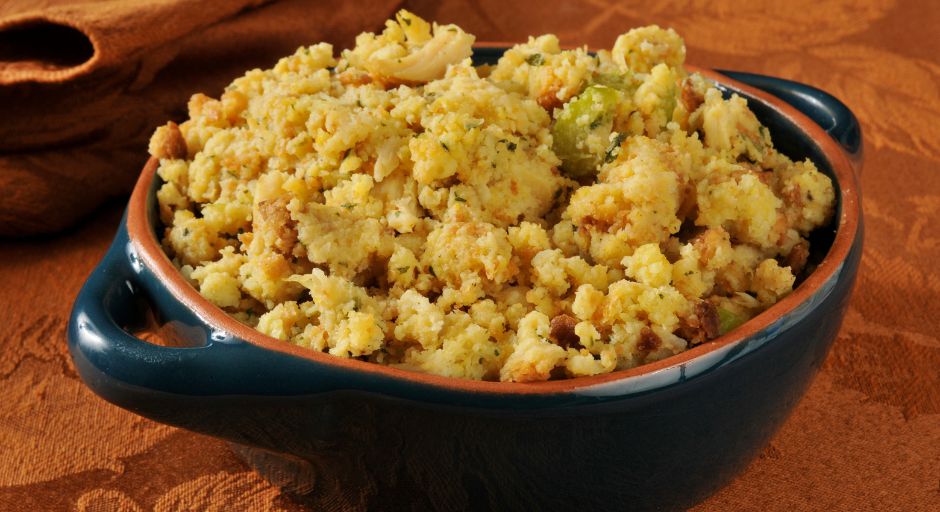
Cauliflower and Herb Stuffing
Serves: 6
Ingredients:
- 1 large head cauliflower, riced
- 1 small onion, chopped
- 2 ribs celery, chopped
- 1 cup mushrooms, sliced
- 1 tablespoon olive oil
- 1 teaspoon poultry seasoning
- 1 teaspoon garlic powder
- Salt and pepper
Instructions:
- Sauté onion, celery, and mushrooms in oil.
- Add cauliflower rice and seasonings.
- Cook 8 to 10 minutes until tender and fragrant.
Why we love it:
You get all the stuffing vibes without the heaviness. High in volume, satisfying, and ridiculously simple.
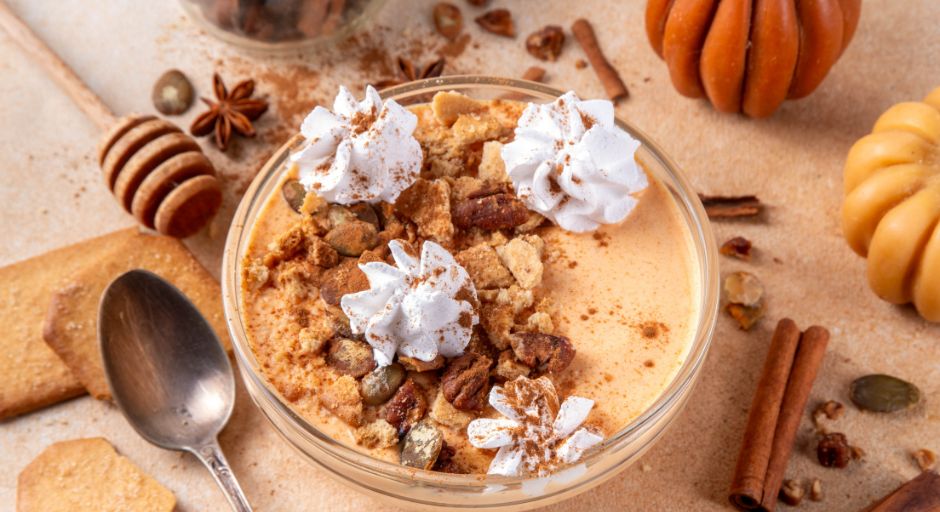
Crustless Greek Yogurt Pumpkin Pie
Serves: 8
Ingredients:
- 1 can pumpkin puree
- 1 cup nonfat plain Greek yogurt
- 2 large eggs
- 1 tablespoon vanilla extract
- 1 teaspoon cinnamon
- 1 teaspoon pumpkin pie spice
- 3 tablespoons maple syrup or sweetener of choice
- Pinch of salt
Instructions:
- Preheat oven to 350.
- Whisk all ingredients until smooth.
- Pour into a greased pie dish.
- Bake 40 to 45 minutes until the center is set.
- Cool completely so it firms up.
Why we love it:
All the cozy pumpkin flavor you love with added protein from the yogurt and no extra calories from the heavy crust.
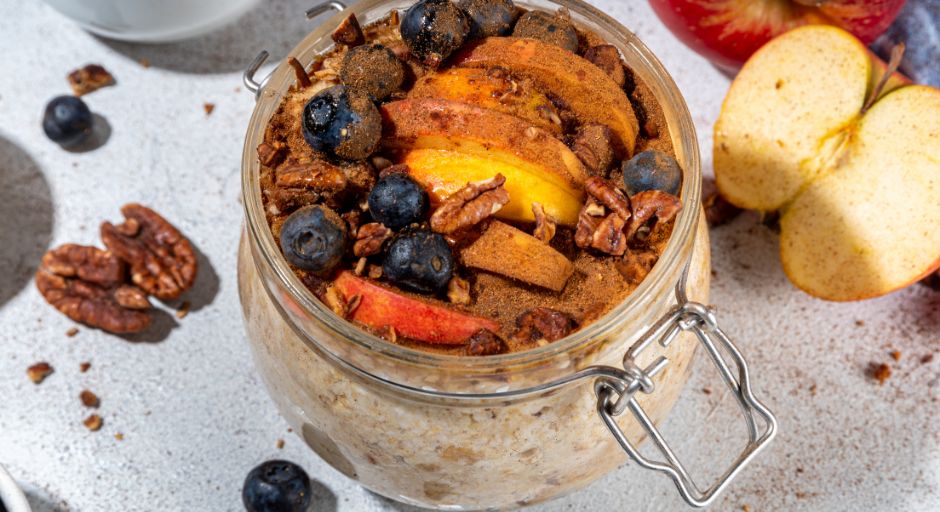
Apple Cinnamon Yogurt Dip
Serves: 6
Ingredients:
- 1 cup nonfat Greek yogurt
- 1 tablespoon maple syrup
- 1 teaspoon cinnamon
- Thinly sliced apples
Instructions:
- Stir yogurt, syrup, and cinnamon.
- Serve with apple slices.
Why we love it:
It's clean and satisfying without feeling like you’re missing out on the dessert table.
How the Healthi App Makes the Holiday Easier
Thanksgiving comes with a lot to juggle, but tracking doesn’t have to be one of them. With the Healthi app, you can log your meals quickly, save your favorite recipes, and keep an eye on your macros and BITES without ever feeling like you’re micromanaging your holiday. Your portions feel intentional, your choices feel balanced, and you still get to relax and enjoy everything on the table. The activity tracker also keeps you aware of your movement, whether it’s a post-dinner walk or a quick workout before the festivities. With these tools in your back pocket, you can enjoy all the flavors of the holiday while staying mindful and fully in control of your goals.
Using a GLP-1 as part of HealthiCare? These recipes fit beautifully with the slower digestion and appetite cues that come with your medication. You can treat yourself without feeling overwhelmed or uncomfortable.
HealthiCare also gives you:
• Access to licensed clinicians who prescribe GLP-1 medications based on your personal needs
• Support for managing side effects and adjusting doses
• Personalized nutrition and lifestyle coaching
• Seamless integration with the Healthi app so everything stays on track
It’s the structure, clarity, and support that make holidays feel less chaotic and more intentional.
Conclusion
Thanksgiving doesn’t have to feel like a hurdle or a setback. With the right recipes, mindful portions, and a little planning, you can enjoy every bite while still honoring your goals. These dishes are delicious, comforting, and supportive of your wellness journey, and when you pair them with the Healthi app and HealthiCare, you give yourself a holiday that feels both joyful and balanced.
If you want help tracking, planning, or staying consistent, you’ve already got the tools. Let this Thanksgiving be one where you feel good during the meal and even better after it.
Weight Loss Tips
Why Weight Loss Looks Different for Women with PCOS or Endometriosis
For women with PCOS or endometriosis, weight loss isn’t always as simple as “eat less, move more.” Hormones, inflammation, and unique metabolic patterns can make the journey feel frustrating and confusing. But understanding your body’s signals and using smart tools can make weight loss achievable, sustainable, and even empowering.
If you have PCOS or endometriosis, your body has its own rules. Hormonal imbalances, insulin resistance, inflammation, and digestive sensitivities all influence hunger, energy, and fat storage. That means the standard advice of “just eat less and exercise more” doesn’t always work the same way. Understanding how these factors interact is key to creating a weight loss plan that actually works for you.
PCOS and Insulin Resistance
Many women with PCOS struggle with insulin resistance, which means the body’s cells don’t respond to insulin efficiently. This can increase fat storage, make blood sugar regulation trickier, and even intensify hunger signals. Even when you’re following a balanced diet, progress may feel slower because your hormones are signaling in a way that favors energy storage.
Hormonal Imbalances
Women with PCOS often have higher levels of androgens, sometimes referred to as “male” hormones. This can contribute to increased fat storage, particularly around the midsection, and make weight loss more challenging even when calories are controlled. Endometriosis can involve fluctuations in estrogen and progesterone, which affect appetite, water retention, and how your body responds to food and exercise.
Endometriosis and Inflammation
Endometriosis is linked to chronic inflammation, which can slow metabolism, reduce energy levels, and make exercise more difficult. Inflammation also impacts hormone signaling, which can interfere with your body’s natural hunger and fullness cues.
Digestive Sensitivities
Both PCOS and endometriosis are often accompanied by gut issues, bloating, or food sensitivities. Digestive discomfort can make portion control tricky, affect nutrient absorption, and contribute to irregular energy levels throughout the day.
Metabolic Differences
Women with these conditions often have a slower or more variable metabolism. Your body may conserve energy during periods of stress or hormonal shifts, meaning that weight loss can be slower or less predictable.
Emotional and Mental Factors
Hormonal and inflammatory changes associated with PCOS and endometriosis can also affect mood, sleep, and stress management. Stress hormones like cortisol can increase cravings, impact fat storage, and make it harder to stick to consistent healthy habits.
Your body is working with a unique set of challenges, and understanding how hormones, inflammation, digestion, and metabolism interact gives you the insight needed to create a plan that works for you. Standard advice may not always apply, but with the right tools, guidance, and consistency, progress is absolutely possible.
Why Standard Diets Often Fall Short
Many popular diets don’t account for these unique factors. Low-calorie approaches may backfire, triggering cravings, stress hormones, or fatigue. Meal timing, nutrient balance, and anti-inflammatory strategies become more critical than simple calorie counting.
Strategies That Actually Work
- Focus on Blood Sugar Balance – Pair protein with fiber and healthy fats at every meal to stabilize energy and reduce cravings.
- Mindful Movement – Exercise is important, but it doesn’t have to be extreme. Short walks, resistance training, and low-impact workouts support hormone balance and metabolism without overtaxing the body.
- Prioritize Anti-Inflammatory Foods – Vegetables, berries, fatty fish, nuts, and whole grains can help reduce inflammation and support metabolic health.
- Track Your Patterns – Logging meals, activity, and symptoms helps you notice patterns between food, hormone fluctuations, and energy levels.
How the Healthi App Helps
The Healthi app makes managing PCOS or endometriosis easier by keeping everything in one place. You can:
- Log meals, BITES, macros, and snacks to spot patterns with energy, hunger, and cravings.
- Track activity to ensure you’re moving enough without overdoing it.
- Save and customize meal plans that fit your unique needs and preferences.
- Explore recipes and restaurant options that align with your anti-inflammatory or low-glycemic goals.
How Healthi and HealthiCare Can Help
For women managing PCOS or endometriosis, small, structured changes can make a big difference. The Healthi app helps you track meals, macros, water intake, and activity so you can spot patterns, stay consistent, and make adjustments that actually work with your body.
HealthiCare takes it a step further by providing a full support system if you’re considering GLP-1 medication. You get access to licensed clinicians, personalized nutrition and lifestyle guidance, and seamless integration with the Healthi app to track meals, recipes, BITES, and overall progress in real time.
With Healthi and HealthiCare, you’re combining awareness, structured tracking, and professional support. You get a plan designed around your body’s unique needs, making weight loss less about guesswork and more about sustainable results.
Here’s what HealthiCare offers for women navigating weight loss with PCOS or endometriosis:
- Access to GLP-1 medications prescribed by licensed clinicians based on your individual needs.
- Expert guidance on managing side effects and dose adjustments.
- Personalized nutrition and lifestyle recommendations tailored to your body and goals.
- Seamless integration with the Healthi app for tracking meals, recipes, BITES, and progress in real time.
HealthiCare helps you navigate the unique challenges of PCOS and endometriosis, making your weight loss journey feel supported, structured, and achievable.
Conclusion
Weight loss for women with PCOS or endometriosis can feel slower or more complicated, but it is absolutely achievable with the right strategies. By focusing on blood sugar, anti-inflammatory foods, mindful movement, and tracking your progress, you can make steady, sustainable gains. Tools like the Healthi app and HealthiCare give you the structure, insight, and support you need to work with your body, not against it. With the right plan, consistency, and guidance, your health goals are within reach.

Lifestyle
Holiday Digital Detox: Clear Your Mind, Reduce Stress
The holiday season is charming —but it’s also packed with screen time, stress, and distraction. If you’re feeling overwhelmed by endless scrolling, stiff shoulders, or sleepless nights, a simple digital reset could be the mental breath you’ve been waiting for. Here’s how to manage screen time and stress so you can show up for the holidays feeling calm, clear-headed, and fully present.
Between work emails, social media feeds, and holiday to-do lists, our screens have taken over our lives. It’s easy to feel like you’re living on your devices instead of with them. But here’s the thing: the more we stay plugged in, the harder it becomes to switch off, unwind, and actually enjoy the season. And when stress, sleep disruption, and hormonal imbalances sneak into the mix, healthy habits can spiral. Let's talk about practical, realistic tools to regain control so you can enjoy the holidays without feeling drained, distracted, or disconnected.

Why Screen Time Affects More Than Your Eyes
Excessive screen time doesn’t just make your eyes tired, it actually rewires your brain, disrupts your hormones, and can leave you feeling wired and stressed. One recent study found that just three weeks of limiting smartphone use to two hours a day produced noticeable improvements in depressive symptoms, sleep quality, stress, and overall well-being. Meanwhile, digital detox studies suggest unplugging from screens can reduce anxiety and give your nervous system a much-needed break.
Here’s what happens behind the scenes when screen time takes over:
- Blue light from devices suppresses melatonin, which keeps your body in alert mode instead of switching into repair and rest.
- Continuous notifications trigger cortisol, your “fight or flight” hormone, making you feel on edge even when you’re not in danger.
- Scrolling or "doom-scrolling" keeps your brain engaged in wakeful, reactive mode instead of allowing calm, reflective rest.
- Habitually reaching for your phone to escape boredom or stress means emotional regulation and real recovery get sidelined.
That combination? It creates a perfect storm where cravings, fatigue, and stress hijack your wellbeing even when you’re doing “all the right things.”
Practical Digital Detox Moves for the Holiday Rush
You don’t have to go to a remote cabin without WiFi to reset your screen habits. These are simple changes you can start today:
1. Set Tech-Free Zones & Times
Designate parts of your day or spaces in your home where devices are off-limits. For example, turn phones face-down at dinner or switch your phone to “Do Not Disturb” an hour before bed.
2. Replace Scroll Time with Real Time
That photo feed scroll or email check? Replace it with 5 minutes of stretching, a 2-minute breathing break, or a real in-person conversation.
3. Track Screen Time Like You Track Meals
Use your device’s screen-time tracker or a dedicated app to see how often you’re reaching for your phone. Knowing is the first step to choosing differently.
4. Create a Bedtime Buffer
Stop screens at least 30 to 60 minutes before sleep. Instead, read a book, journal, or listen to calming music. Your body will thank you with deeper rest and better morning energy.
5. Scan for Compulsive Behavior
Pay attention when you reach for your phone out of habit (like during ads or tension). Pause. Ask: “Am I looking at this because I want to, or because I’m avoiding something?” Awareness gives you a choice.

Stress, Hormones & Sleep: The Silent Chain Reaction
When screens take over your day, your sleep can suffer. And when sleep is off, it affects your whole body. Poor sleep can raise your hunger hormone, ghrelin, lower your fullness hormone, leptin, and increase stress hormone, cortisol. This can lead to stronger cravings, more impatience, and weaker decision-making.
Managing stress isn’t just “nice to have.” It’s crucial. Your body responds to patterns. Repeated behaviors—good or bad—send signals that affect hormones, metabolism, and even appetite. By building better routines around your tech use, you’re giving your body a chance to recalibrate and restore.
How the Healthi App Supports a Mindful Tech Reset
The Healthi app isn’t just for food and movement, it can also help you stay mindful with your screen time. It's a smart companion that helps you create space for healthier tech habits by keeping your wellness structured. For example:
- Logging meals and tracking macros can help you pause and check in before mindless scrolling or snacking.
- Activity tracking encourages breaks from screens to move, stretch, or take a quick walk.
- Using reminders in the app for water, meals, or activity creates natural tech-free windows.
- Seeing your BITES, meals, and activity in one place helps you plan your day intentionally, so you can schedule downtime away from screens without missing your wellness goals.
By combining mindfulness with structure, the app helps you balance tech use while keeping your energy, mood, and health on track, even during the holiday rush.
Extra Support with HealthiCare
If your health journey includes weight-loss medication, hormonal changes, or major lifestyle shifts, HealthiCare brings the full support system to make your reset sustainable:
- Licensed clinicians provide access to treatments like GLP-1 medications when appropriate for your goals.
- Lifestyle experts help you integrate healthy screen-time habits alongside your nutrition, movement, and sleep strategy.
- Seamless integration with the Healthi app makes it simple to track meals, mood, screen time, and progress in real time.
With this holistic support, the typical holiday stress-and-scroll cycle becomes a lifestyle pivot toward grounded, present, and restful wellness.
Conclusion
The holidays don’t have to mean more screen, more stress, and less sleep. By creating boundaries, tracking habits, and aligning your digital life with your wellness goals, you give yourself the space to show up fully for yourself and for others. With tools like the Healthi app and HealthiCare, you’re equipped not just to survive the rush, but to thrive through it. Your mind, body, and holiday memory deserve that.

Lifestyle
Whole-Body Health: Why Managing Stress, Sleep, and Hormones Is as Critical as Diet and Exercise
When it comes to wellness, most of us think “eat better and move more.” But what if the key to feeling your best and reaching your goals lies just as much in how you sleep, manage stress, and balance your hormones? Let’s dig into why whole-body health means looking beyond the plate and the gym—and how to bring it all together.
If you’ve ever found yourself saying, “I’m doing everything right, but I’m still not seeing results,” you’re not alone. The truth is, weight loss and wellness aren’t just about calories and workouts. Your body is an ecosystem. Every part, from your hormones to your sleep cycle to your stress response, works together. When one piece is off balance, it can ripple through everything else.

The Hidden Stress-Weight Connection
Chronic stress doesn’t just live in your mind; it shows up in your metabolism, hunger, and cravings. When your body is under constant pressure, it releases cortisol, often called the “stress hormone.” While cortisol helps you handle short-term challenges, too much for too long can increase appetite, slow metabolism, and make your body hold onto fat, especially around the midsection.
Managing stress isn’t about completely getting rid of it, because, let’s be honest, there will always be stress. But we can learn how to respond to it better. Try mindful breathing, journaling, short walks, or simply taking a few quiet minutes to reset. These small actions help lower cortisol, improve focus, and support weight management.
Tracking your moods and habits can reveal how stress patterns affect your eating choices in ways you might not even realize. Maybe you reach for salty snacks after a tough meeting, or you notice that you skip your evening walk when you’ve had a particularly draining day. Over time, these small patterns can add up and quietly derail your progress. By logging your meals, emotions, and activity, you start to see connections between how you feel and how you fuel your body. That awareness is powerful; it turns reactive choices into intentional ones. Once you see the patterns clearly, you can plan with better strategies, like having balanced snacks ready, scheduling movement breaks during busy days, or using stress relief tools before turning to food for comfort. Awareness is the first step toward balance, but action based on that awareness is what creates real, lasting change.

Sleep: The Underrated Fat-Loss Superpower
Think of sleep as your body’s reset button. During deep sleep, your brain processes emotions, your muscles repair, and your hormones rebalance. When you skimp on rest, it’s not just fatigue that hits; you also experience spikes in ghrelin (the hunger hormone) and drops in leptin (the fullness hormone). That’s a recipe for late-night snacking and stalled progress.
To give your body the recovery it needs, aim for 7–9 hours of quality sleep. Try creating a consistent bedtime, limiting screen time before bed, and keeping your sleep space cool and dark. Even small improvements here can make a noticeable difference in your energy, cravings, and motivation.
You can use the Healthi app to log sleep hours, track morning energy levels, and see how your rest impacts your overall progress. The more data you gather, the easier it becomes to fine-tune your habits for better results.
Hormones: The Silent Drivers of Weight and Mood
Hormones act like messengers that tell your body how to function—from how you store fat to how you feel throughout the day. When they’re balanced, everything runs smoothly. When they’re not, you might feel stuck, no matter how “healthy” you are.
Insulin, cortisol, estrogen, progesterone, and thyroid hormones all play major roles in metabolism and mood. For women, hormonal changes during menopause, perimenopause, or even high-stress periods can make weight loss more challenging. For men, declining testosterone can affect muscle tone and motivation.
The key is not to fight your hormones but to work with them. Nourish your body with protein, healthy fats, and fiber to help stabilize blood sugar. Move regularly, manage stress, and prioritize rest to support hormonal balance naturally.
If you’re using GLP-1 medication or considering it, HealthiCare can help. You’ll receive access to licensed clinicians who personalize your plan, guide you through dosage adjustments, and ensure your nutrition supports your hormonal and metabolic needs. Pairing this medical support with tracking in the Healthi app helps you understand your body’s responses in real time.
Bringing It All Together
When diet and exercise alone don’t deliver, it’s often because stress, sleep, and hormones are quietly competing against your efforts. The good news is, you can create harmony between them with consistency and awareness.
Start by choosing one area to improve this week, whether it's committing to earlier bedtimes, daily 10-minute walks, or mindful stress breaks. Log your habits and progress in the Healthi app to see what makes the biggest difference. And if you’re exploring medication support, HealthiCare can help you take a well-rounded approach to your health that goes beyond the scale.
True wellness isn’t about perfection; it’s about alignment. When your mind, body, and hormones are working together, progress becomes natural, sustainable, and deeply rewarding.

Lifestyle
How AI Can Revolutionize Your Health Journey
Tired of one-size-fits-all diets that never stick? Coach Delicia here, and I’m here to show you how AI is changing the game for weight loss and wellness. From smart wearables that track your sleep, stress, and heart rhythms to personalized meal and workout plans, AI takes the guesswork out of getting healthy so you can finally see results that actually last.
Hey everyone! It’s officially November here in Colorado, and as we hit the middle of the season, I want to talk about something seriously game-changing: Artificial Intelligence (AI).
I know, I know , it sounds super high-tech and maybe a little intimidating. You might think AI is just for self-driving cars or complicated coding. But this technology is already transforming the health and wellness world, and it might just be the key to ditching that frustrating “one-size-fits-all” diet mentality for good.
Here’s the deal: your weight loss journey is unique. It involves your specific metabolism, your stress levels, your sleep quality, and even the fact that you can’t stand broccoli. The old way was following a generic plan and hoping it stuck. The new way? Using AI to create a plan that’s literally tailored to your exact life and body.
AI takes all those tiny pieces of information you generate every single day, from your sleep tracker, food logs, heart rate, and even your mood, and finds patterns no human could ever process instantly. It sees the whole picture.
Let’s dive into how you can use this incredible tool to stop guessing and start seeing real results.

Why AI Is an Awesome Personalized Partner
Most generic plans are based on averages. But who lives an average life? You’re not a number on a chart! AI changes the game because it uses your unique data to guide your progress.
Here are the biggest differences AI can bring to your Healthi journey:
1. Hyper-Personalized Meal Planning
Let’s be honest: the biggest headache of a health journey is meal planning. You have to balance your daily BITES, macros, family preferences, and whatever is actually in your fridge.
The AI Difference: AI tools can create entire weekly meal plans for you, not just based on your calorie goal, but also your budget, what ingredients you already have, your need for a quick lunch on Tuesdays, and any allergies you have.
You give AI the constraints, and it solves the puzzle. You get recipes that genuinely fit your real life.
2. Adaptive Workout Scheduling
We’ve all been there: you planned a high-intensity leg day, but you only got five hours of sleep. A regular plan tells you to power through, but that often leads to burnout or injury.
The AI Difference: Wearables like Apple Watch or Fitbit feed data to AI platforms that monitor your heart rate variability (HRV) and sleep quality. If the AI sees you had poor rest or high stress, it might suggest a lighter workout, a recovery walk, or yoga instead of HIIT.
It helps you train smarter, not just harder.
3. Behavioral and Predictive Coaching
This is where it gets really cool. AI can actually help you head off challenges before they happen.
Finding Your Stress Triggers: The AI might notice patterns like, “Every time you log a high-BITE dinner, it’s a Wednesday, and you logged high work stress that afternoon.” It can predict when you’re most likely to struggle and send a proactive reminder or suggestion before you even reach for the snack drawer.
Plateau Prediction: AI systems can analyze data from thousands of similar users and predict when you’re likely to hit a weight loss plateau. Then, it can suggest proactive adjustments like changing your workouts or adding a strategic diet break before the stall even hits.

How to Start Using AI Right Now (The Non-Scary Way)
You don’t need to be a programmer to tap into this technology. You just need to know how to ask the right questions and use the right tools.
1. Use Simple Chatbots for Strategy
Forget complicated apps for a minute. You can use standard AI chat tools as a super-smart sounding board that’s always available.
Try prompts like:
- “I need a high-protein, 12-BITE dinner recipe using chicken, bell peppers, and minimal dairy. I have 30 minutes to cook.”
- “Create a seven-day workout schedule that focuses on running three times a week and bodyweight strength training twice a week.”
- “I’ve been tracking consistently but haven’t seen the scale move. Give me three non-scale ways to measure my progress this week.”
2. Embrace Next-Gen Tracking Apps
Look for apps that mention AI, machine learning, or computer vision in their features.
Smart Wearables: Newer devices don’t just count steps or track sleep. They can detect early signs of sickness, irregular heart rhythms, and changes in recovery or stress levels. This kind of data gives AI deeper insight into how your body is actually doing day-to-day, helping it adjust recommendations in real time.
Metabolic Tracking: Devices like continuous glucose monitors (CGMs) and smart scales give AI the physiological data it needs to personalize your plan. It can analyze your actual blood sugar response to specific foods, which is something no generic diet could ever do.
The Crucial AI Caveat: It’s a Tool, Not a Tyrant
Okay, deep breaths. Before you rely completely on technology, here’s the reality check: AI is a tool, not a human expert.
Fact Check Everything: AI can still make mistakes. Always double-check nutritional info or anything that seems off. Treat its suggestions as a starting point.
The Human Touch Matters: Studies show the best outcomes happen when AI is paired with human support. The AI can tell you what to do, but humans provide empathy, accountability, and emotional insight. Don’t ditch your Healthi accountability circle.
Data In, Data Out: AI’s accuracy depends on what you give it. If you “forget” that cookie, it can’t give you accurate guidance. Be honest — it’s here to help, not judge.
Taking the Power Back
The best part about using AI in your health journey is that it puts the power back in your hands. It takes the guesswork out of nutrition and fitness so you can focus on what really matters: consistency, mindfulness, and enjoying your life.
This isn’t about chasing some generic goal. It’s about using the best technology available to achieve your specific, unique, amazing goals. AI just helps you find the right map to get there.
Lifestyle
How Everyday Habits Quietly Build (or Break) Your Health
Big results don’t come from major overhauls. They come from the tiny choices you make every day. Skipping breakfast, staying up late, or snacking while scrolling might not seem like a big deal, but over time, those habits shape your energy, weight, and mood. The same goes for the positive ones. Small, consistent actions like moving a little more, sleeping a little better, and tracking your meals can quietly add up to real change.
Sometimes, it’s the small things, like the daily choices you barely notice making, that make the biggest difference in your health. Skipping breakfast once in a while, staying up late, or mindlessly scrolling while snacking may not feel like a big deal, but over time, these habits quietly shape your energy, weight, mood, and overall wellness. This very same principle works in your favor when it comes to weight loss. Tiny, consistent, health-focused habits can add up to major benefits without overhauling your life overnight.
Why Small Habits Matter More Than You Think
Our bodies love patterns. The routines we repeat, whether helpful or not, shape how our hormones function, how our metabolism works, and even how hungry we feel. For example:
- Consistent meal timing helps regulate blood sugar and hunger cues.
- Regular movement improves energy, supports weight management, and boosts mood.
- Mindful sleep routines regulate hormones that control cravings, stress, and metabolism.
- Daily tracking of meals or activity, even just a little, reinforces awareness and better choices.
These habits might feel invisible day to day, but over weeks and months, they add up. It's up to you whether they lift you up or quietly hold you back.

Everyday Habits That Build Health
- Move a Little, Often
You don’t need an hour at the gym every day. A brisk walk, stretching, or even a few short strength exercises at home can improve circulation, energy, and metabolism. The key is consistency. - Eat with Intention
Check in with hunger cues before grabbing food. Focusing on protein, fiber, and whole foods helps keep you satisfied and prevents overeating. Pairing meals with colorful veggies or healthy fats not only nourishes but also stabilizes blood sugar. - Track Your Progress
Logging meals, workouts, and habits is a small act that pays huge dividends. Seeing patterns helps you tweak choices, notice wins, and stay motivated. The Healthi app makes this easy with quick meal logging, customizable BITES tracking, and reminders that keep you accountable without stress. - Prioritize Sleep
Sleep affects everything from appetite hormones to stress levels. A consistent bedtime, limited screen exposure before sleep, and a calming wind-down routine support better choices and energy during the day. - Hydrate First
Thirst is often mistaken for hunger. Drinking water or herbal tea regularly can curb mindless snacking, support digestion, and even help your body process nutrients more efficiently.
Habits That Break Health (Sneakily)
- Skipping meals or relying on highly processed foods can spike blood sugar and leave you hungry sooner.
- Mindless snacking while watching TV or scrolling social media can add hundreds of “invisible” calories.
- Prolonged sitting, minimal movement, and irregular sleep schedules quietly affect metabolism and mood.
- Chronic stress without coping strategies can trigger cravings, overeating, or disrupted sleep.
Recognizing these habits is the first step to replacing them with choices that support your goals rather than undermine them.

How Healthi and HealthiCare Can Support Your Daily Wins
Small habits are easier to build with guidance and structure. The Healthi app helps you:
- Track meals, BITES, water intake, and activity so you can see the cumulative impact of your choices
- Plan balanced meals and snacks, even on busy days
- Save recipes and favorite routines for consistent progress
For extra support, HealthiCare pairs science-backed GLP-1 medication with personalized coaching. You get:
- One-on-one guidance to build sustainable habits
- Structured nutrition plans that match your lifestyle and goals
- Integration with the Healthi app so you can track progress in real time
This isn’t about overnight transformation. It’s about creating a system where your small, everyday wins compound into real, lasting health changes.
Conclusion
Everyday habits are quietly powerful. The good news is you don’t have to be perfect; you just need to be consistent. By focusing on mindful eating, movement, hydration, sleep, and tracking, you can build a strong foundation for your health. And with tools like the Healthi app and HealthiCare, you’re not just guessing, you’re supported every step of the way. Small actions done consistently can turn into a lifestyle that finally works with your body instead of against it.
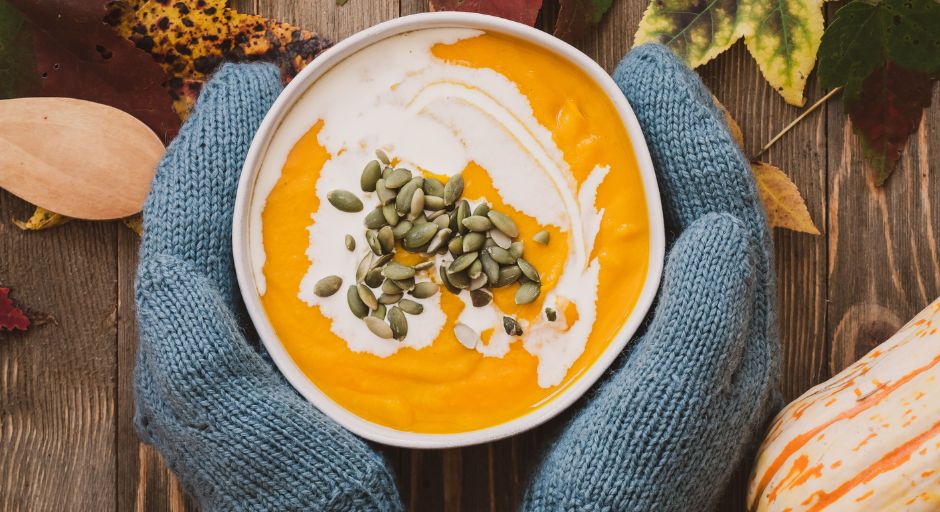
Nutrition
Fall Superfoods: What to Add to Your Plate This November
Embrace the flavors of fall while fueling your body! From sweet potatoes and pumpkin to apples and pomegranates, November’s superfoods are packed with nutrients to keep you energized, satisfied, and thriving. Learn how to turn these seasonal favorites into easy, delicious meals and snacks that fit seamlessly into your lifestyle.
Happy November! As the air gets crisp and pumpkin spice settles in, it’s the perfect time to embrace seasonal superfoods that are not only cozy but also packed with nutrients to support your wellness goals. Fall brings an abundance of fruits, vegetables, and other wholesome ingredients that can help keep your energy steady, support weight management, and nourish your body from the inside out.
Why Fall Superfoods Matter
Eating seasonally isn’t just delicious, it’s strategic. Foods harvested in the fall tend to be at their peak in flavor, nutrients, and freshness. Many fall staples are rich in fiber, antioxidants, vitamins, and minerals that support heart health, gut health, and immunity. By incorporating these foods into your meals, you’re giving your body the building blocks it needs to thrive during the colder months when activity levels and sunlight exposure may dip.
Top Fall Superfoods to Try
1. Apples
Naturally sweet, hydrating, and high in fiber, apples are a versatile fall favorite. The soluble fiber pectin helps regulate blood sugar and keep you full, while antioxidants like quercetin support heart and brain health. Enjoy them raw, baked, or in a cozy oatmeal bowl.
2. Pumpkins and Winter Squash
These orange beauties are rich in beta-carotene, fiber, and potassium. They add natural sweetness and creaminess to soups, stews, and roasted dishes without extra calories. Roasted pumpkin or butternut squash makes a perfect side or salad topper.
3. Brussels Sprouts
These mini cabbages are full of fiber, vitamin C, and vitamin K. Roasting them with a touch of olive oil and seasoning brings out their natural sweetness and keeps them crunchy without losing nutrients.
4. Sweet Potatoes
High in fiber and complex carbs, sweet potatoes stabilize blood sugar and provide lasting energy. Bake, mash, or spiralize them for a nutrient-dense base or side dish.
5. Cranberries
Packed with antioxidants and vitamin C, cranberries support immunity and urinary tract health. Use fresh or dried cranberries (without added sugar) in salads, yogurt bowls, or baked goods for a tart and flavorful boost.
6. Pomegranates
These jewel-like seeds are rich in antioxidants, fiber, and polyphenols that support heart and gut health. Sprinkle them on salads, oatmeal, or roasted veggies for a pop of color and nutrients.
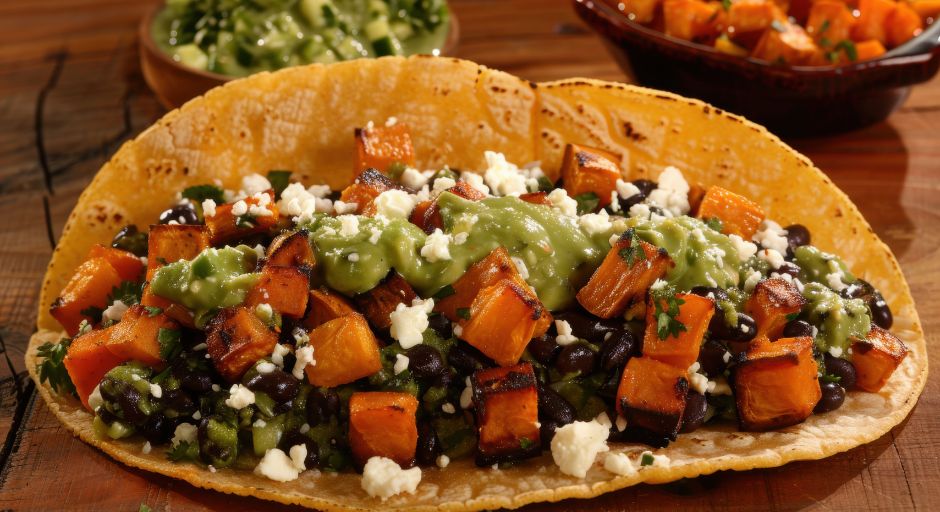
How to Make These Superfoods Work for You
Superfoods are not just trendy ingredients, they're tools to make your daily meals smarter, easier, and more satisfying. To truly make them work in your lifestyle, focus on convenience, variety, and flavor. Keep pre-chopped veggies or roasted squash in the fridge for quick salads or soups. Add berries or pumpkin puree to your morning oatmeal or yogurt for an instant nutrient boost. Swap in lentils, beans, or quinoa as a base for lunches or dinners that keep you full longer. Use healthy fats like avocado or olive oil to enhance flavor and satiety.
The magic happens when you mix and match. Toss roasted fall veggies with grains and protein for a sheet pan dinner, blend greens, fruit, and Greek yogurt into a smoothie for an on-the-go meal, or sprinkle nuts and seeds over a hearty salad for crunch and nutrients. Pairing these superfoods with foods you already love, like protein, fiber, and whole grains, makes it easy to hit your goals without feeling restricted. With a little planning, these nutrient-packed ingredients can fit seamlessly into your week, turning everyday meals into energizing, health-boosting powerhouses.
With the Healthi app, you can easily log your fall-inspired meals, track BITES, and see exactly how seasonal superfoods fit into your daily plan. The app’s recipe builder lets you save your favorites, plan ahead, and explore new combinations that keep your meals exciting while staying on track with your goals.
For extra support, HealthiCare offers personalized guidance that goes beyond meal planning. Whether you’re on a GLP-1 medication or just starting your journey with support, HealthiCare pairs science-backed GLP-1 therapy with expert coaching and personalized nutrition plans. This combination helps you manage cravings, stay satisfied, and turn your fall superfoods into practical tools for lasting wellness.
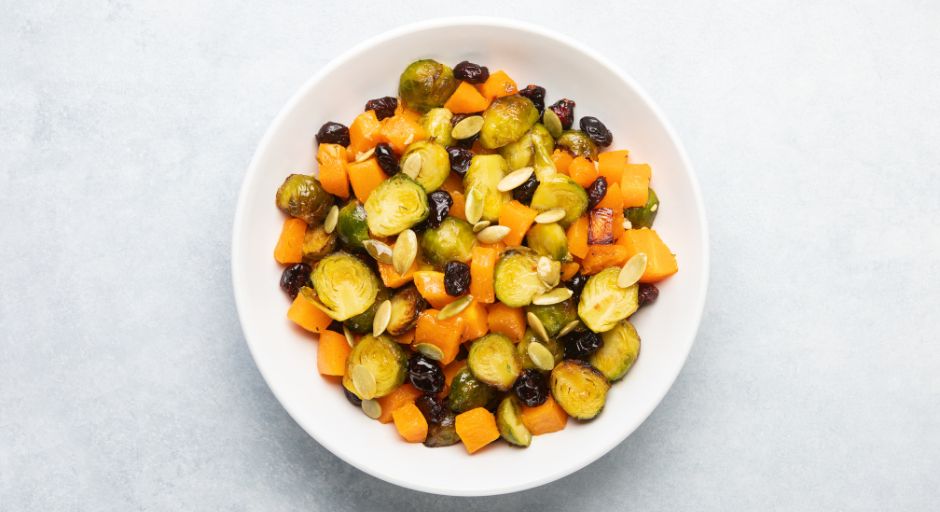
Fall Superfood Recipes to Try
Pumpkin Hummus with Veggie Dippers
A creamy, protein-packed snack with a fall twist.
Ingredients:
- 1 cup canned pumpkin puree
- 1 can (15 oz) chickpeas, drained and rinsed
- 2 tbsp tahini
- 1 garlic clove
- 1 tsp cumin
- 1 tsp smoked paprika
- Salt to taste
- Sliced veggies (carrots, cucumbers, bell peppers) for dipping
Instructions:
Blend pumpkin, chickpeas, tahini, garlic, cumin, paprika, and salt until smooth. Serve with fresh veggie sticks.
Apple-Cranberry Quinoa Bake
A cozy, naturally sweet breakfast or snack.
Ingredients:
- 1 cup cooked quinoa
- 1 small apple, chopped
- ¼ cup cranberries, fresh or unsweetened dried
- ½ tsp cinnamon
- 1 tsp maple syrup (optional)
- ½ cup unsweetened almond milk
Instructions:
Mix all ingredients in a small baking dish. Bake at 350°F for 20–25 minutes until slightly golden. Serve warm.
Spiced Sweet Potato & Black Bean Tacos
A fun, handheld dinner packed with nutrients.
Ingredients:
- 1 small sweet potato, roasted and diced
- ½ cup black beans, drained and rinsed
- 1 tsp chili powder
- ½ tsp smoked paprika
- 2 small whole grain tortillas
- ¼ cup shredded lettuce or cabbage
- 1 tbsp Greek yogurt for topping
Instructions:
Toss roasted sweet potato and black beans with chili powder and paprika. Warm tortillas and fill with the mixture. Top with greens and a dollop of Greek yogurt.
Warm Spiced Pear & Chia Pudding
A creamy, naturally sweet dessert that’s actually good for you.
Ingredients:
- ½ cup chia seeds
- 1 cup unsweetened almond milk
- 1 ripe pear, chopped
- ½ tsp cinnamon
- ½ tsp vanilla extract
Instructions:
Mix chia seeds, almond milk, cinnamon, and vanilla in a jar. Let sit for 10–15 minutes, stirring occasionally. Warm pear chunks in a pan with a splash of water and layer on top of pudding.
Final Thoughts
Fall is a season of comfort, warmth, and abundance, but it can also be a season of nourishment. By adding these nutrient-packed superfoods to your plate, you’re giving your body what it needs to feel energized, satisfied, and supported. With the help of the Healthi app and HealthiCare, you can enjoy the best of fall while staying on track with your health goals, one delicious BITE at a time.

Lifestyle
Monsters of Weight Loss: Who’s Haunting Your Healthy Habits?
They come out when the candy bowls overflow and motivation starts to fade. The sneaky monsters of weight loss are back! From the Midnight Snack Monster to the Workout Witch, these Halloween-season frights try to haunt your healthy habits. But don’t worry, we’ve got the tricks to help you defeat them all and stay on track the Healthi way.
Monsters of Weight Loss: Who’s Haunting Your Healthy Habits?
It’s spooky season! Every October, ghosts, ghouls, and goblins might decorate your neighborhood, but honestly? Some of the scariest monsters may live a little closer to home. They lurk in your kitchen, whisper in your thoughts, and creep into your healthy habits when you least expect it.
These “Monsters of Weight Loss” can definitely play tricks with their sneaky patterns, old habits, and emotional triggers that tend to rise from the grave this time of year. Stress, nostalgia, sugar everywhere you turn…it’s basically their Super Bowl. But the good news? Once you spot them, you can defeat them.
Let’s unmask each of these spooky saboteurs and learn how to send them back where they belong.
The Midnight Snack Monster

That creature that sneaks in around 11 p.m., just as you’re getting cozy in bed, whispering, “Just one more piece of candy…” Before you know it, the candy bowl’s been raided, and you’re wondering what happened.
Why it haunts you:
Late-night cravings often show up when your body is actually tired, not hungry. Add a little stress or boredom to the mix, and suddenly that candy stash looks irresistible.
How to defeat it:
Don’t banish snacks, just plan smarter. Have a satisfying, high-protein evening snack like Greek yogurt with fruit, a handful of nuts or a mug of low-sugar cocoa. Try brushing your teeth to signal “kitchen is closed.” And if you do find yourself in the kitchen late at night, ask: “Am I truly hungry, or just looking for comfort?” Sometimes, all you need is water, rest, or a little distraction before the monster disappears.
Ghosts of Diets Past

These spirits of old plans gone wrong love to whisper in your ear: “Remember that cleanse that worked for two weeks? Maybe try that again.”
Why it haunts you:
Old diet patterns can stick around like unwanted spirits, making you doubt yourself or chase quick fixes. You start romanticizing restrictive diets that gave quick results but never lasted. But those “all or nothing” plans rarely lead to anything sustainable, they just leave you haunted by guilt and restriction.
How to defeat it:
Remind yourself: this time, you’re building something sustainable. Use the Healthi app to track your meals, patterns, and progress. Seeing your small, steady wins written down is the best ghost repellent there is.
The Skeleton in the Pantry
The eerie emptiness that tempts you to raid the candy stash just because… skeletons.
Why it haunts you:
When healthy options are missing, junk food takes center stage. An empty fridge can make even stale candy look like a good idea.
How to defeat it:
Stock your “graveyard” with nourishing, grab-and-go foods—think apples and nut butter, boiled eggs, pre-cut veggies, or popcorn. The key? Make the good choices easy and the not-so-good ones inconvenient. When your environment supports your goals, that skeleton loses its scare.
The Candy Corn Conundrum

It starts innocent enough — “I’ll just have one piece.” Five handfuls later, you’ve entered the haunted sugar zone.
Why it haunts you:
Sweet treats light up your brain’s reward system. The more you eat, the more you crave.
How to defeat it:
Portion out your treats ahead of time, and pair candy with protein (like a string cheese or handful of nuts). The added satiety keeps your blood sugar steady and prevents the sugar spiral. You can enjoy Halloween without letting it hex your goals.
The Workout Witch

That voice in your head saying “skip the gym, it’s cozy in bed” while waving a magic wand of excuses.
Why it haunts you:
Motivation can vanish faster than a full moon if you rely on willpower alone. The Witch thrives on perfectionism. If you can’t do the “perfect” workout, she’ll convince you to skip it altogether.
How to defeat it:
Shrink your goal until it’s doable. Promise yourself just 5 minutes. Put on your workout shoes, stretch, or take a short walk. Most of the time, that small start breaks the spell. Bonus points if you log it in the Healthi app (seeing your streak grow makes consistency a lot more magical)!
Frightening Food FOMO
The pumpkin spice lattes, caramel apples, Halloween parties — it all feels like you’ll “miss out” if you say no.
Why it haunts you:
Limited-edition everything—from pumpkin spice to caramel apple—can make you feel like you have to indulge now or you’ll regret it later. But giving in to everything often leads to feeling sluggish, not satisfied.
How to defeat it:
Pick your favorites and skip the rest. Ask yourself which treats actually make you happy, not just “available.” When you mindfully choose, you get more joy from less food. And if you’re tracking in the Healthi app, you’ll see how easily balance fits in when you plan for it.
Final Treat: No Tricks Required
These monsters might show up from time to time, but you’ve got the tools to send them packing. Awareness, balance, and a little humor go a long way toward staying in control of your goals without missing out on the fun of the season.
And if you’re on a GLP-1 journey or need extra guidance to feel confident in your choices, HealthiCare has your back. With a personalized weight loss plan, science-backed GLP-1 medication, and a full support system that syncs with the Healthi app, you’ll have everything you need to stay consistent (even when candy bowls call your name).
Because real progress isn’t about being perfect. It’s about staying one step ahead of the monsters.
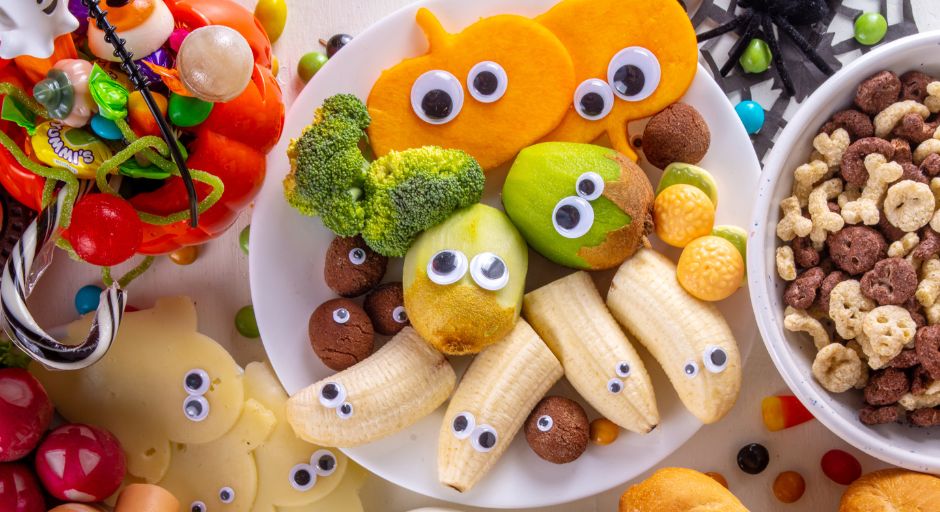
Nutrition
Healthy Tricks for Your Halloween Treats
Halloween treats don’t have to haunt your progress. With a few smart swaps and mindful tricks, you can enjoy every spooky-sweet bite without the sugar crash or guilt.
Halloween may be the season of candy bowls and sugar rushes, but it doesn’t have to throw your goals off track. With a few smart swaps and mindful habits, you can enjoy every spooky-sweet BITE without the guilt or crash that usually follows.
The truth is, it’s not about avoiding treats altogether. It’s about finding that sweet spot (literally) where you can indulge with intention and balance. That’s where the real magic happens. Here are a few healthy tricks to keep your Halloween fun and satisfying:
1. Trade size for satisfaction.
Instead of mindlessly grabbing handfuls of mini candy bars, choose one or two of your favorites, plate them, and truly enjoy them. When you slow down, you often find that one piece is enough to satisfy the craving.
2. Upgrade your sweets.
Try making your own better-for-you treats at home like dark chocolate–dipped fruit, Greek yogurt bark with mini chocolate chips, or baked apples sprinkled with cinnamon. You’ll still get that festive flavor without the sugar overload.
3. Pair candy with protein.
If you’re going to enjoy something sugary, balance it out. A small handful of nuts, a cheese stick, or a protein shake before your treat helps steady your blood sugar and keeps cravings from spiraling.
4. Keep it visible (and trackable).
Logging your snacks in the Healthi app helps you stay mindful without restriction. Seeing your choices laid out in your day can help you enjoy your candy and stay on track with your BITES.
5. Stay hydrated and sleep well.
It sounds simple, but dehydration and lack of sleep can both make cravings worse. Keep your water bottle handy and get some good, quality rest. Your willpower will thank you.
Healthy Halloween Treat Recipes
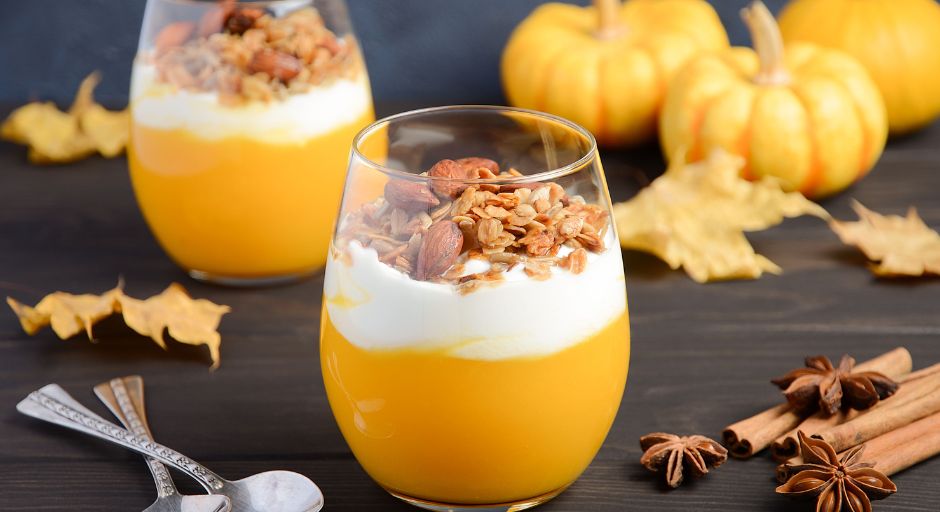
Pumpkin Yogurt Cups
A creamy, protein-packed snack that feels indulgent.
Ingredients:
- 1 cup plain Greek yogurt
- ½ cup pumpkin puree
- ½ tsp cinnamon
- 1 tsp maple syrup (optional)
- Pumpkin seeds for topping
Instructions:
- Mix yogurt, pumpkin puree, cinnamon, and maple syrup.
- Divide into cups and top with pumpkin seeds.
Why it works: Protein and fiber keep you full while you get that fall pumpkin flavor without excess sugar.
Dark Chocolate Trail Mix Clusters
Crunchy, sweet, and perfect for snacking.
Ingredients:
- ½ cup raw almonds
- ½ cup raw walnuts
- ¼ cup unsweetened coconut flakes
- 2 tbsp mini dark chocolate chips
- 1 tbsp dark chocolate, melted
Instructions:
- Mix nuts, coconut, and chocolate chips in a bowl.
- Stir in melted dark chocolate until everything is coated.
- Spoon small clusters onto parchment paper and chill until firm.
Why it works: Healthy fats and protein keep you satisfied while letting you indulge in chocolate.

Banana Ghost Pops
A fun, kid-friendly treat.
Ingredients:
- 2 bananas, cut in half
- ¼ cup Greek yogurt
- ¼ cup mini chocolate chips
- Optional: shredded unsweetened coconut
Instructions:
- Insert a popsicle stick into each banana half.
- Dip in Greek yogurt, roll in coconut (if desired), and sprinkle with chocolate chips for eyes.
- Freeze until firm.
Why it works: Naturally sweet bananas with protein-packed yogurt make this festive and balanced.
At the end of the day, Halloween is about fun, not perfection. The more you bring mindfulness and balance into your choices, the more you’ll enjoy the season without the sugar crash.
Looking for extra support to build lasting healthy habits?
With HealthiCare, you get more than just a plan—you get expert coaching, a personalized nutrition strategy, and a community that helps you stay consistent through every holiday and challenge. Plus, your exclusive HealthiCare plan syncs seamlessly with the Healthi app for easy tracking. Use code First100 at checkout for $100 off your first month.
Final Bite
Halloween is all about enjoying the season and having fun with friends and family, not stressing over every sweet bite. By making a few smart swaps, being mindful, and leaning on tools like the Healthi app to track and plan, you can enjoy Halloween treats without derailing your goals. With these recipes and strategies, candy doesn’t have to feel like a guilty pleasure, it can be part of a balanced, satisfying day. This Halloween, let’s have fun, stay mindful, and celebrate treats the Healthi way.
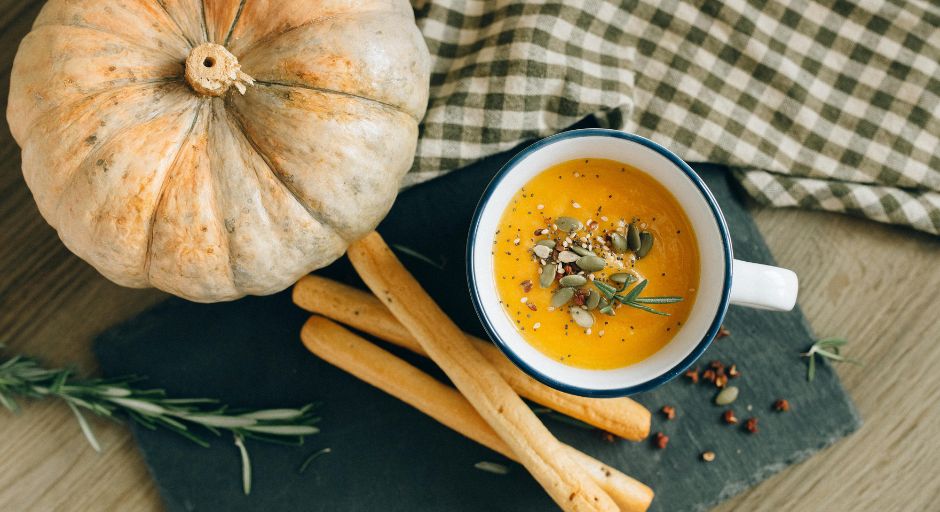
Nutrition
Cozy Soups and Stews That Won’t Weigh You Down
Warm, cozy, and good for you? Yes, please. This season, soup isn’t just comfort food, it’s smart food. Discover how to turn your favorite fall soups and stews into light, nourishing meals that satisfy every craving while keeping your health goals on track.
There’s something about soup season that just feels right. When the temperatures drop and the days get shorter, a warm bowl of soup or stew can turn an ordinary evening into the coziest moment of your day. And guess what? Comfort food doesn’t have to mean heavy food. With a few smart swaps and wholesome ingredients, you can enjoy all the rich, hearty flavors of your favorite fall soups without derailing your wellness goals.
Why Soup Season Can Be Healthy Too
Soups and stews are naturally satisfying because they’re packed with water, fiber, and volume, which help you feel full with fewer calories. When you skip the heavy creams and excess oils and focus on nutrient-rich veggies, lean proteins, and smart carbs, soup becomes a true powerhouse meal.
Research published in Appetite found that people who started their meals with a broth-based soup consumed 20 percent fewer calories overall. That’s because the combination of warm liquid and fiber helps you feel full faster and stay satisfied longer. Translation: your body and your taste buds both win.
And let’s not forget the bonus benefits. Soups are an easy way to boost hydration, sneak in more veggies, and support digestion. Stews with slow-cooked proteins and hearty produce can also deliver long-lasting energy without feeling heavy or bloated afterward.
Tips for Building a Better Bowl
The beauty of soups and stews is how customizable they are. With a few mindful swaps, you can turn just about any recipe into a nourishing, low-calorie meal that still tastes like comfort in a bowl.
Start with a smart base.
Choose broth-based soups over cream-heavy ones to cut calories and saturated fat without sacrificing satisfaction. Vegetable, chicken, or bone broth adds flavor and hydration while providing a light foundation for your ingredients to shine. And if you do want to make it creamy, try adding in nonfat Greek yogurt or blended cottage cheese. You’ll get a boost of protein (and flavor) along with it.
Load up on vegetables.
The more color, the better. Carrots, celery, spinach, zucchini, kale, and tomatoes add vitamins, minerals, and fiber that keep you fuller longer. Plus, their natural sweetness and texture add depth to your dish with no extra sugar or fat needed.
Make protein a priority.
Adding lean protein helps balance your meal and keeps you satisfied. Try chicken breast, turkey, shrimp, beans, or lentils. For plant-based eaters, tofu or quinoa are great additions that add body and nutrition to any broth.
Don’t skip smart carbs.
Whole grains like barley, farro, or brown rice add fiber and chewiness, helping to stabilize blood sugar and boost energy. The key is portion size. Think of grains as a supporting role, not the main act.
Add flavor, not fat.
Herbs, spices, garlic, and aromatics like onion or leek can completely transform a soup without adding excess calories. Try smoked paprika for warmth, thyme for earthiness, or a splash of vinegar or lemon juice at the end to brighten the flavors.
Watch the extras.
Toppings like cheese, heavy cream, or croutons can add up quickly. Try finishing with a sprinkle of fresh herbs, a drizzle of olive oil, or a spoonful of Greek yogurt for richness that still fits within your goals.
When you build your bowl with balance in mind, using broth for volume, veggies for fiber, protein for satisfaction, and seasonings for flavor, you end up with a meal that nourishes as much as it comforts.
Lightened-Up Recipes for Ultimate Comfort
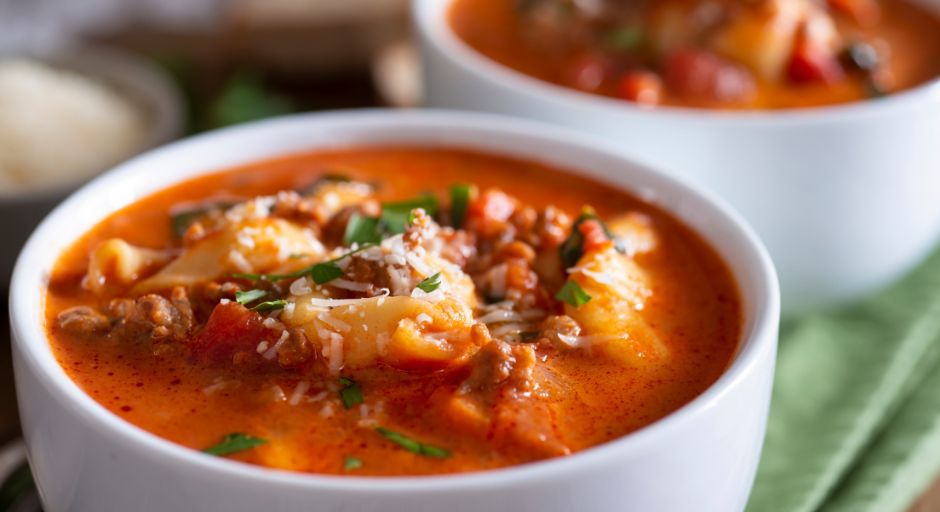
Healthy Lasagna Soup
A cozy, lighter take on your favorite Italian comfort food.
Ingredients:
- ½ pound lean ground turkey or chicken
- ½ cup chopped onion
- 2 cloves garlic, minced
- 1 (14.5 oz) can diced tomatoes
- 1 (8 oz) can tomato sauce
- 3 cups low-sodium chicken broth
- 1 cup zucchini, chopped
- 1 teaspoon Italian seasoning
- ½ teaspoon crushed red pepper flakes (optional)
- 3 lasagna noodles, broken into small pieces (or use whole wheat pasta)
- ½ cup part-skim ricotta cheese
- ¼ cup shredded part-skim mozzarella cheese
- Fresh basil for garnish
- Salt and pepper to taste
Instructions:
Cook the ground turkey and onion in a large pot over medium heat until browned. Add garlic and cook for another minute. Stir in diced tomatoes, tomato sauce, broth, zucchini, Italian seasoning, and red pepper flakes. Bring to a boil. Add the broken lasagna noodles and reduce heat to a simmer. Cook uncovered for 10–12 minutes or until noodles are tender. Season with salt and pepper. Spoon into bowls and top with a dollop of ricotta, a sprinkle of mozzarella, and fresh basil.
Why it works:
This soup packs all the hearty, cheesy flavor of lasagna without the excess calories. The broth-based base keeps it light, while lean protein and veggies make it filling and balanced. It’s comfort food that fits your goals.

Creamy Chicken and Veggie Soup
A lighter twist on a comfort classic.
Ingredients:
- 1 pound boneless, skinless chicken breast, diced
- 3 cups low-sodium chicken broth
- 1 cup carrots, sliced
- 1 cup celery, chopped
- 1 small onion, diced
- 1 cup frozen peas
- 1 cup plain Greek yogurt
- 1 teaspoon thyme
- Salt and pepper to taste
Instructions:
Sauté onion, carrots, and celery in a large pot until soft. Add chicken, broth, thyme, salt, and pepper. Simmer until chicken is cooked through. Remove from heat and stir in Greek yogurt for a creamy texture without the heavy cream.
Why it works:
Greek yogurt adds a smooth, rich, creamy texture while packing in protein. This soup delivers all the flavor of a classic chicken soup but with a much lighter feel.
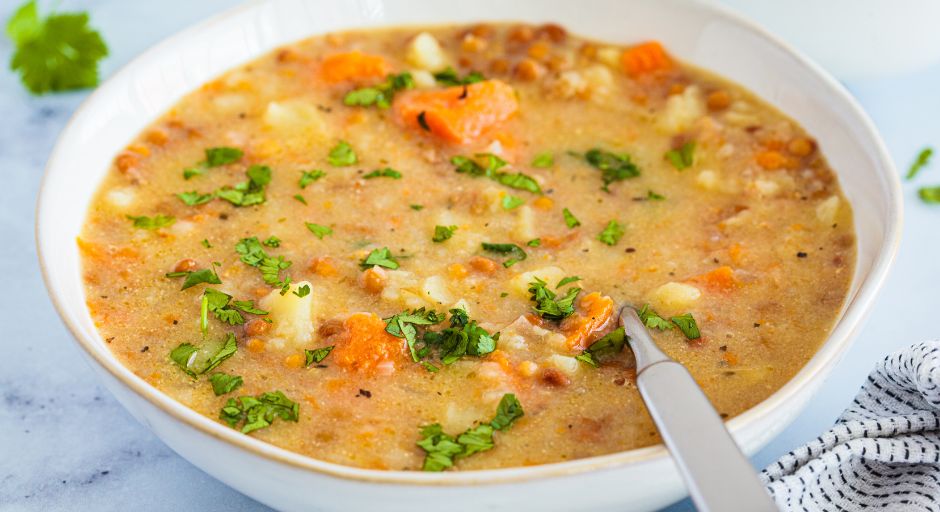
Hearty Lentil and Sweet Potato Stew
Comforting, filling, and full of nutrients.
Ingredients:
- 1 cup dried lentils, rinsed
- 1 medium sweet potato, cubed
- 1 onion, chopped
- 2 cups spinach
- 3 cups vegetable broth
- 2 cloves garlic, minced
- 1 teaspoon smoked paprika
- Salt and pepper to taste
Instructions:
In a large pot, sauté onion and garlic until fragrant. Add lentils, sweet potato, broth, and paprika. Simmer for 25–30 minutes, until lentils and potatoes are tender. Stir in spinach before serving.
Why it works:
Lentils are loaded with plant-based protein and fiber, while sweet potatoes provide slow-digesting carbs that help keep your energy steady. It’s hearty, nourishing, and perfect for cozy nights in.

Veggie Minestrone Soup
A nutrient-packed, feel-good classic.
Ingredients:
- 1 tablespoon olive oil
- 1 small onion, diced
- 2 cloves garlic, minced
- 2 carrots, sliced
- 2 celery stalks, chopped
- 1 zucchini, diced
- 1 cup green beans, chopped
- 1 can (14.5 oz) diced tomatoes (no salt added)
- 4 cups low-sodium vegetable broth
- 1 cup cooked small pasta (like elbow or ditalini)
- 1 can (15 oz) cannellini beans, drained and rinsed
- 1 teaspoon Italian seasoning
- Salt and pepper to taste
- Optional: 1 cup chopped spinach or kale for extra greens
Instructions:
Heat olive oil in a large pot over medium heat. Add onion, garlic, carrots, and celery. Sauté for 5 minutes until vegetables soften. Stir in zucchini, green beans, diced tomatoes, broth, and Italian seasoning. Simmer for 15–20 minutes until vegetables are tender. Add cooked pasta, beans, and greens if using. Simmer another 5 minutes. Season with salt and pepper before serving.
Why it works:
This classic soup is rich in fiber, antioxidants, and plant-based protein without being high in calories. The mix of vegetables and beans makes it hearty and satisfying, while the broth base keeps it light. It’s the perfect way to get a rainbow of nutrients in one cozy bowl.
Keep Your Wellness Goals on Track
Healthy eating is easier when it feels comforting and doable. The key is balance and consistency, and that’s where a little support goes a long way.
With the Healthi app, you can log your favorite soup and stew recipes, track your BITES, and stay mindful of portion sizes. The recipe builder feature makes it simple to save your own creations so you can come back to them anytime soup season calls. Plus, it helps you see exactly how these cozy meals fit into your daily plan without the guesswork.
And if you’re on a GLP-1 journey or looking for extra guidance, HealthiCare offers personalized support that makes a real difference. You’ll get science-backed GLP-1 medications paired with expert coaching and nutrition plans designed to help you build sustainable habits for life.
Together, Healthi and HealthiCare make it easy to enjoy every comforting BITE while staying on track with your goals.
Final Spoonful
Soup season doesn’t have to mean sacrificing progress. When made with the right ingredients, these cozy bowls can nourish your body, support your health, and warm your soul all at once. So grab your favorite mug, curl up, and dig into comfort that actually loves you back.
Nutrition
Healthi Twists on Your Favorite Fall Apple Recipes
Crisp, sweet, and full of fall flavor, apples are more than just a seasonal treat, they’re a nutritional powerhouse that supports your health goals. Discover why apples deserve the spotlight and how to enjoy your favorite fall flavors in lighter, smarter ways.
There’s something about apple season that feels like pure comfort. The crisp air, the smell of cinnamon drifting through the kitchen, and that first bite of a freshly picked apple...it’s fall in a nutshell. But beyond nostalgia, apples are a total nutrition powerhouse. They’re naturally sweet, loaded with fiber, and incredibly versatile for both sweet and savory dishes. The best part? You can enjoy your favorite fall apple treats while still supporting your health goals.
Why Apples Deserve the Spotlight
Apples might seem simple, but nutritionally speaking, they’re kind of a powerhouse in disguise. A medium apple contains about 95 calories, 4 grams of fiber, and 14% of your daily vitamin C, making it one of the most balanced fruits for both nourishment and satisfaction. The real star here, though, is pectin, a type of soluble fiber that forms a gel-like substance in your gut. This helps slow digestion, regulate blood sugar, and promote feelings of fullness; three things that make sticking to a healthy eating plan so much easier.
Beyond fiber, apples contain polyphenols, powerful plant compounds that have been shown to help reduce inflammation, support heart health, and even improve insulin sensitivity. In fact, Research from the National Institutes of Health shows that regular apple consumption is linked to improved cardiovascular health, better weight control, and overall diet quality. This everyday fruit truly does more than just keep the doctor away.
Apples are also naturally hydrating, made up of about 85% water, which helps you feel fuller on fewer calories. And unlike many processed snacks, they deliver a satisfying crunch that can actually help curb cravings for less nutrient-dense foods. Whether you prefer them crisp and tart like Granny Smith or sweet and soft like Fuji, apples are a portable, versatile, and nutrient-dense way to stay full and energized.
So yes, there’s a reason the old saying about keeping the doctor away has stood the test of time. Apples don’t just support your wellness, they make it deliciously easy to do so.
Lightened-Up Apple Recipes Worth Trying
Baked Cinnamon Apple Slices
Think of this as apple pie without the crust.
Ingredients:
- 2 apples, sliced thin
- 1 teaspoon cinnamon
- ½ teaspoon vanilla extract
- 1 teaspoon maple syrup (optional)
- Cooking spray or a drizzle of coconut oil
Instructions:
Preheat your oven to 375°F. Toss apple slices with cinnamon, vanilla, and maple syrup. Spread on a parchment-lined baking sheet. Bake for 15–20 minutes, flipping halfway, until tender and fragrant.
Why it works: You get the cozy, caramelized flavor of pie without all the added sugar and fat. Perfect as a snack or dessert.
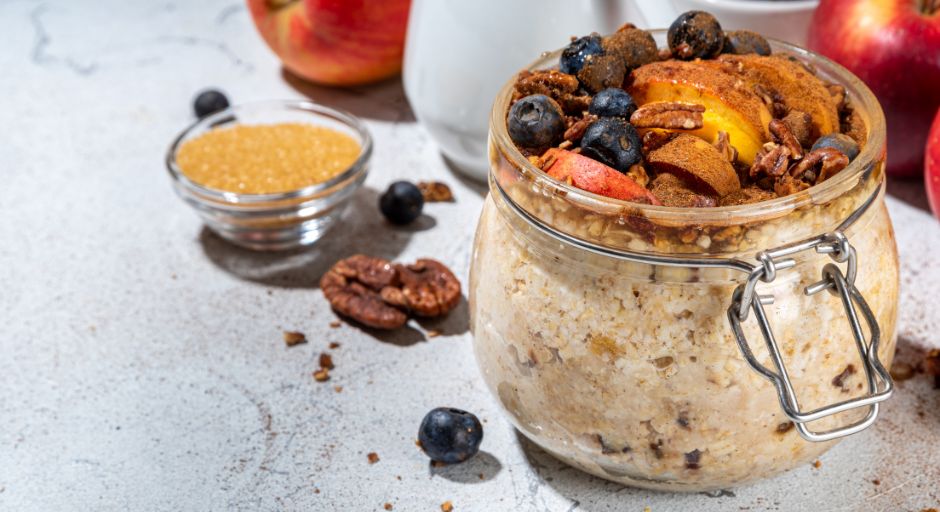
Apple Pie Overnight Oats
All the comfort of apple pie, ready when you wake up.
Ingredients:
- ½ cup rolled oats
- ½ cup unsweetened almond milk
- ¼ cup unsweetened applesauce
- ¼ teaspoon cinnamon
- 1 tablespoon chia seeds
- ½ chopped apple
- 1 teaspoon maple syrup (optional)
Instructions:
Combine all ingredients in a jar. Stir, cover, and refrigerate overnight. In the morning, stir again and top with extra apple slices or a sprinkle of granola.
Why it works: The oats, chia seeds, and apple fiber keep you full for hours while satisfying that fall craving.
Savory Apple Turkey Skillet
A fall-inspired dinner that’s hearty yet light.
Ingredients:
- 1 pound lean ground turkey
- 1 apple, diced
- 1 small onion, chopped
- 1 teaspoon thyme
- 1 teaspoon garlic powder
- Salt and pepper to taste
- Optional: handful of spinach or kale
Instructions:
In a skillet, cook turkey until browned. Add onion, apple, and seasonings. Cook until apples are tender and the mixture is fragrant. Stir in greens if using and cook until wilted.
Why it works: The apples add natural sweetness and moisture, meaning no need for heavy sauces. It’s high in protein, low in calories, and perfect for a quick weeknight meal.
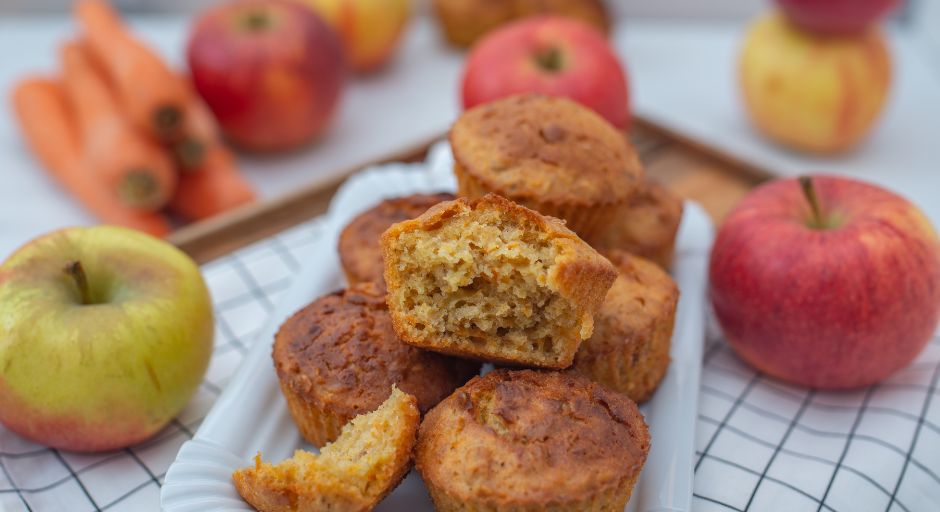
Apple Cinnamon Protein Bread
A cozy, high-fiber loaf that makes the perfect breakfast or snack.
Ingredients:
- 1½ cups oat flour (or blended rolled oats)
- 1 teaspoon baking powder
- 1 teaspoon cinnamon
- ¼ teaspoon nutmeg
- 2 large eggs
- ½ cup unsweetened applesauce
- ¼ cup plain Greek yogurt
- 2 tablespoons maple syrup or honey
- 1 teaspoon vanilla extract
- 1 medium apple, peeled and finely chopped
Instructions:
- Preheat oven to 350°F and lightly grease or line a loaf pan with parchment paper.
- In a large bowl, mix oat flour, baking powder, cinnamon, and nutmeg.
- In another bowl, whisk eggs, applesauce, yogurt, maple syrup, and vanilla.
- Combine wet and dry ingredients, then fold in chopped apple.
- Pour into loaf pan (or make cupcakes) and bake for 35–40 minutes or until a toothpick comes out clean.
- Cool before slicing.
Why it works:
This bread has all the comfort of a fall treat without the heavy butter or sugar. The combo of oats, yogurt, and apples keeps it moist, protein-packed, and perfectly sweet; proof that healthy baking can taste like dessert.
Warm Apple Yogurt Parfait
A simple, high-protein snack or dessert.
Ingredients:
- ¾ cup plain Greek yogurt
- ½ cup warm sautéed apples (cooked with a sprinkle of cinnamon)
- 1 tablespoon chopped walnuts or pecans
- Drizzle of honey or maple syrup
Instructions:
Layer yogurt with warm apples and nuts. Drizzle lightly with honey.
Why it works: You get the flavor of a crisp or cobbler with none of the excess sugar or butter, plus a boost of protein.
Keep the Balance with Healthi
The beauty of fall recipes like these is that they’re comforting and customizable. With a few smart swaps, apple season can fit perfectly into your health goals without derailing them. That’s where the Healthi app makes it easy.
You can log your apple-inspired meals, track your food intake, and plan balanced days that include your favorite seasonal foods without guilt. And did you know? On most plans, apples are zero BITES, meaning it’s a great food to add into your day! The app’s recipe builder lets you save and tweak your favorite creations, so healthy eating stays simple and enjoyable.
Healthy habits work best when they’re flexible, and that’s exactly what Healthi helps you build. Because living well shouldn’t mean giving up the foods you love, it’s about finding better ways to enjoy them.
Final Bite
Peak apple season may not last long, but its benefits last all year long. Whether you’re baking, sautéing, or snacking, apples bring the perfect blend of sweetness, crunch, and nutrition to your fall menu. So go ahead and grab a bushel, get creative in the kitchen, and let apple season be your delicious reminder that healthy eating can be full of flavor and fun.

Lifestyle
The Heart of Your Journey: Motivation, Inspiration, and the Why That Drives It All
Coach Jeri explains how to uncover your true “why” and the powerful difference between why, motivation, and inspiration. She shares personal tips for keeping your drive strong and staying inspired so you can turn intention into action and create lasting change on your health journey.
Hi, Coach Jeri here!
We often hear how important it is to know your “why”—that it will help keep you motivated, strengthen your staying power, and shift your mindset from “diet” to “lifestyle.” Recently, a member who was feeling hopeless told me she couldn’t identify her “why.” That conversation made me realize something important: there’s a big difference between what your why is, how to stay motivated, and how inspiration plays a role.
Before we dive into those three concepts, let’s get one thing straight: there’s really only one true why: your health.
Your why is a deeper, lasting internal foundation that gives you purpose. Anyone who’s ever had a health scare knows that nothing is more important than doing everything possible to stay healthy—for yourself and for your loved ones. So if anyone ever asks, “Why are you doing this?” the answer is simple: it’s about more than just losing weight. It’s about living a healthy lifestyle—free of medications, free to move, and free to enjoy life without restrictions.

What Motivation Really Is
Motivation is the driving force that compels you to take action. It’s immediate and short-term. It can be fueled by a specific need or event, like a wedding, reunion, or even an upcoming doctor’s appointment. We’re motivated to achieve a desire or avoid something unpleasant.
But here’s the catch: once that motivating event passes, motivation can fade, and old habits can creep back in. That’s why it’s important to check in regularly and examine where you stand moving forward.
So how do you maintain motivation for the long haul?
- Keep a journal of your progress. Write down what worked well, what you accomplished, and when it might be time to set a new goal.
- Refocus your original motivation. Does it still fit your current circumstances?
- Learn from setbacks. Reflect on what went wrong and how you can handle things differently next time.
- Stay excited about your goals. When you feel mentally stimulated and have direction, you naturally behave in ways that support success.
- Practice positive self-talk. Just like athletes, use affirmations and pep talks to build confidence. Write down small, achievable goals—each one creates momentum and inspires you to keep going.
How Inspiration Fuels the Journey
Inspiration is anything that lights the fire or amplifies your desire to act. We draw inspiration from events, experiences, and people we admire.
I’ve found that meetings are one of the best places to gain inspiration. There’s something powerful about hearing how another member overcame an obstacle or reached a non-scale victory. Sharing recipes, stories, and successes gives us hope.
We can also find inspiration in good deeds—like volunteering—which helps combat feelings of loneliness or boredom. Inspiration can come from your dreams, hopes, and ambitions.
Think of inspiration this way:
- It stimulates excitement and enthusiasm.
- It creates a sense of being called to action.
- It sparks the motivation to get started.
- It bridges the gap between who we are and who we want to be.
The key difference is this: inspiration creates emotion when you think about the idea, but motivation creates emotion with every small step along the way. And that’s what keeps you engaged.

Why It All Comes Back to Your Why
Your why is your constant. It's the underlying core that fuels your reason for living and working toward your goals.
Inspiration can start you on your journey, but it can’t sustain long-term behavior. Motivation creates the momentum because it’s self-sustaining and renewable.
We all know weight loss isn’t just about food. It’s not that we don’t know what to eat, it’s that our choices are often tied to something deeper. That’s why the focus shouldn’t just be on losing weight, but on learning how to live a life full of possibility, fulfillment, and joy.
Keep your why close, revisit your motivations often, and seek inspiration by staying open to new ideas and strategies.
Because when you stay connected to your purpose, motivation and inspiration naturally follow, and lasting change becomes possible.
Lifestyle
The Power of Preventive Care for Women
Taking charge of your health starts with a simple yet profound decision: to be proactive. Preventive care isn’t just about reacting when something goes wrong; it’s about setting yourself up for a healthier, more vibrant life. For women, this means understanding how your health needs evolve through different life stages and making informed choices that support your well-being.

Why Preventive Care Matters
Preventive care is like setting up a safety net for your health. Instead of waiting for symptoms to appear, it helps identify potential issues early when they’re most treatable. Chronic diseases such as heart disease, cancer, and diabetes are among the leading causes of death and disability in the United States. The Centers for Disease Control and Prevention (CDC) reports that 90% of the nation’s $4.9 trillion in annual health care expenditures are for people with chronic and mental health conditions. Many of these conditions are preventable through regular screenings, healthy lifestyle choices, and early intervention.
Health at Every Stage
Your health needs change as you age, and preventive care should evolve with you. Here’s a breakdown of key health considerations by life stage:
- 20s–30s: This is the time to establish a foundation for lifelong health. Regular screenings, such as Pap smears and breast exams, are essential. It’s also a crucial period for building healthy habits like balanced nutrition, regular physical activity, and stress management.
- 40s–50s: Hormonal changes begin, and the risk for chronic conditions like heart disease and osteoporosis increases. Regular screenings for cholesterol, blood pressure, and bone density become more important. It’s also a time to focus on mental health and maintaining a healthy weight.
- 60s and Beyond: Preventive care continues to be vital. Screenings for colorectal cancer, vision and hearing tests, and vaccinations are essential. Maintaining mobility, cognitive function, and social connections are key components of healthy aging.

Lifestyle is Preventive Care, Too
Preventive care isn’t just about screenings and doctors’ visits; it’s also about the choices you make every day. A study published in The American Journal of Clinical Nutrition found that women who consistently followed healthy lifestyle habits, such as eating a balanced diet and staying active, reduced their risk of chronic diseases by nearly 80%. These chronic diseases often include heart disease, type 2 diabetes, certain cancers, high blood pressure, and osteoporosis. Many of these conditions develop quietly over years, making everyday habits a powerful defense. The right lifestyle choices can slow or even prevent their onset, helping you maintain your health well into later life.
Healthy habits don’t have to be overwhelming. Small, consistent changes can make the biggest difference, as simple actions add up to major benefits over time. This could mean prioritizing whole foods like fruits, vegetables, lean proteins, and whole grains, while limiting processed foods high in sugar, sodium, and unhealthy fats. Regular physical activity is another cornerstone of prevention. Whether it’s walking after dinner, doing a quick strength-training routine a few times a week, practicing yoga for flexibility and stress relief, or dancing to your favorite music, all count toward physical activity. Other habits, such as getting enough quality sleep, staying hydrated, managing stress through mindfulness or journaling, and building strong social connections, are equally important.
Small changes can build momentum. Swapping soda for sparkling water, taking a short walk at lunch, or replacing one processed snack a day with fresh fruit are little shifts that compound over time. These habits aren’t about perfection; they’re about consistency, and they form the foundation of preventive wellness that protects your health for decades to come.
How HealthiCare Supports Preventive Wellness
Preventive care isn’t just about catching problems early, it’s about giving your body the consistent care it deserves. That’s where HealthiCare comes in. With HealthiCare, you get more than just a prescription. You get a full wellness support system that pairs science-backed GLP-1 medications with real-world tools designed to help you live healthier every day.
Through the Healthi App, you can track your meals, monitor your progress, plan balanced BITES, and build habits that strengthen your long-term health. Our expert coaches and member community are there to guide you through lifestyle changes like improving nutrition and sleep to managing stress and staying active.
Preventive care works best when it’s consistent, and that’s exactly what the Healthi app and HealthiCare provides: steady, personalized support that helps you take care of your body before small issues become bigger ones.
Your Health, Your Priority
Taking preventive care seriously is an act of self-respect. It means saying, “My health matters enough to make time for it.” Too often, women put themselves last—juggling work, family, and responsibilities until there’s no energy left to focus inward. But when you prioritize your own health, everything else benefits too. You show up stronger, more energized, and more present in every area of your life.
At Healthi, we believe prevention is the foundation of long-term success. Whether it’s tracking your nutrition in the Healthi app, checking in on your goals, or seeking guidance through programs like HealthiCare, taking proactive steps today helps protect your tomorrow.
Your wellness journey isn’t about reacting; it’s about preparing, protecting, and empowering yourself for whatever comes next. Prevention truly is the most powerful form of care.

Nutrition
Lightened-Up Pumpkin Recipes You’ll Love All Season
Fall in love with pumpkin all over again! Packed with fiber, vitamin A, and antioxidants, pumpkin is the unsung hero of healthy fall cooking. Try these lightened-up recipes that keep the comfort while supporting your wellness goals.
When fall rolls in, pumpkin practically takes center stage. From lattes and loaves to soups and sauces, it’s the season’s ultimate comfort ingredient. But pumpkin isn’t just about cozy flavor, it’s secretly a nutritional powerhouse, loaded with fiber, vitamin A, and antioxidants. The best part? You don’t have to give up your goals to enjoy it. These lightened-up pumpkin recipes let you savor all the fall feels—comfort, flavor, and a little indulgence—without the extra calories tagging along.
Why Pumpkin Works for Weight Loss and Wellness
Pumpkin isn’t just a fall favorite; it’s one of those rare foods that feels indulgent but actually works for your health goals, not against them. One cup of cooked pumpkin has only about 50 calories, yet it’s packed with nutrients that support your body from head to toe. You’ll get a hearty dose of fiber, which helps keep you full longer and supports steady blood sugar levels, both key factors for sustainable weight loss.
It’s also rich in beta-carotene, the powerful antioxidant that gives pumpkin its bright orange color. Your body converts beta-carotene into vitamin A, which plays a major role in immune health, vision, and even skin repair. And here’s another bonus: the natural hint of sweetness in pumpkin means you can often use less added sugar in your recipes without losing flavor.
Whether you’re stirring it into oatmeal, baking it into muffins, or blending it into soups, pumpkin adds a creamy, nutrient-rich boost that keeps your fall meals satisfying and balanced.
Lightened-Up Pumpkin Recipes Worth Trying
Here are a few lightened-up pumpkin ideas that bring warmth, comfort, and nutrition to your plate:

Pumpkin Soup with Warm Spices
This velvety soup is perfect for fall dinners!
Ingredients:
- 2 cups pumpkin puree (canned or fresh roasted)
- 2 cups low-sodium vegetable or chicken broth
- 1 small onion, diced
- 1 garlic clove, minced
- 1 teaspoon cinnamon
- ½ teaspoon nutmeg
- Salt and pepper to taste
- 2 tablespoons plain Greek yogurt for topping
- Optional: fresh parsley or pumpkin seeds
Instructions:
- In a large pot, sauté onion and garlic until soft.
- Add pumpkin puree, broth, cinnamon, and nutmeg. Stir and bring to a simmer.
- Let simmer for 15 minutes. Blend with an immersion blender until smooth.
- Season with salt and pepper.
- Serve topped with Greek yogurt and parsley or pumpkin seeds for texture.
Why it works: The spices make the soup feel indulgent, but swapping cream for Greek yogurt keeps calories low while adding protein and creaminess.
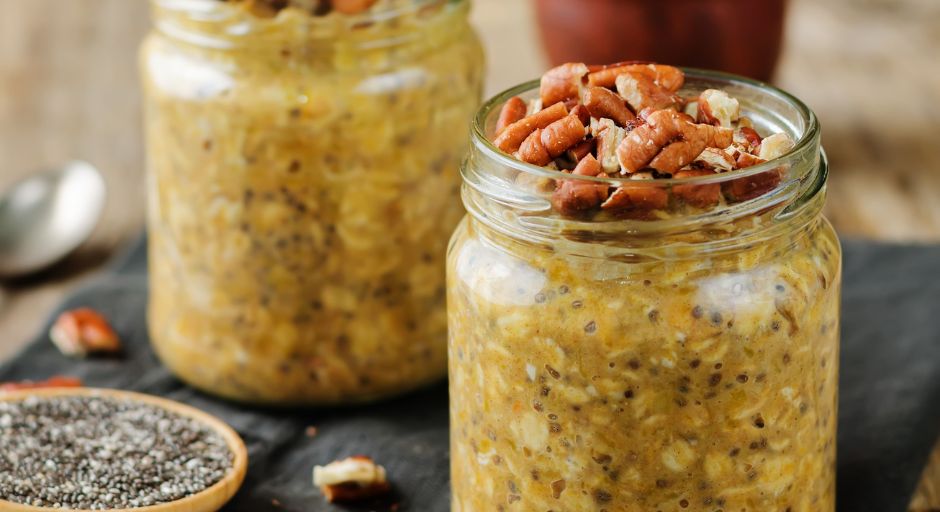
Pumpkin Oatmeal with Chia and Walnuts
A cozy way to start your day.
Ingredients:
- 1 cup old-fashioned oats
- 2 cups water or unsweetened almond milk
- ½ cup pumpkin puree
- 1 tablespoon chia seeds
- ¼ teaspoon cinnamon
- 1 tablespoon maple syrup (optional)
- 2 tablespoons chopped walnuts
Instructions:
- In a pot, combine oats and liquid. Cook on medium heat for about 5 minutes.
- Stir in pumpkin puree, chia seeds, cinnamon, and maple syrup. Cook another 2 minutes.
- Serve topped with walnuts.
Why it works: Pumpkin and oats are a fiber powerhouse. Chia seeds boost omega-3s, and walnuts give healthy fats for sustained energy.

Pumpkin Chili
Comfort food with a seasonal twist.
Ingredients:
- 1 pound lean ground turkey or chicken
- 1 cup pumpkin puree
- 1 can black beans, drained
- 1 can diced tomatoes (no salt added)
- 1 bell pepper, diced
- 1 zucchini, diced
- 1 onion, diced
- 2 cloves garlic, minced
- 1 tablespoon chili powder
- 1 teaspoon cumin
- Salt and pepper to taste
Instructions:
- In a large pot, cook turkey with onion and garlic until browned.
- Add bell pepper, zucchini, beans, diced tomatoes, and pumpkin puree. Stir.
- Season with chili powder, cumin, salt, and pepper.
- Simmer on low heat for 20–30 minutes until flavors meld.
Why it works: Pumpkin puree adds creaminess without excess fat and increases fiber. Adding plenty of vegetables boosts nutrition and keeps the dish filling.
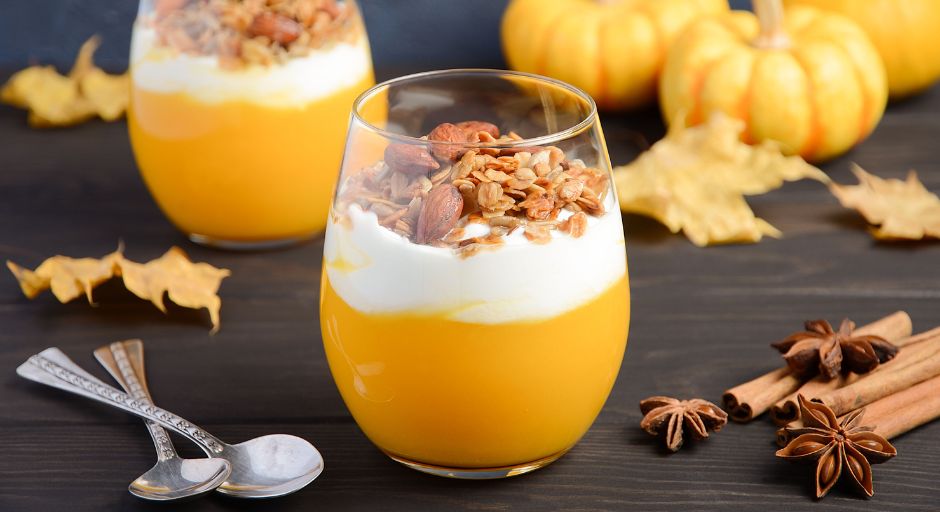
Pumpkin Greek Yogurt Parfait
A sweet snack that doubles as dessert.
Ingredients:
- ¾ cup plain Greek yogurt
- ½ cup pumpkin puree
- 1 teaspoon cinnamon
- 1 teaspoon maple syrup or honey
- ¼ cup low-sugar granola
- Optional: pomegranate seeds or chopped apple
Instructions:
- Mix pumpkin puree with cinnamon and maple syrup.
- Layer Greek yogurt with pumpkin mixture in a glass.
- Top with granola and optional fruit for texture and flavor.
Why it works: This parfait balances protein, fiber, and flavor without excess sugar.
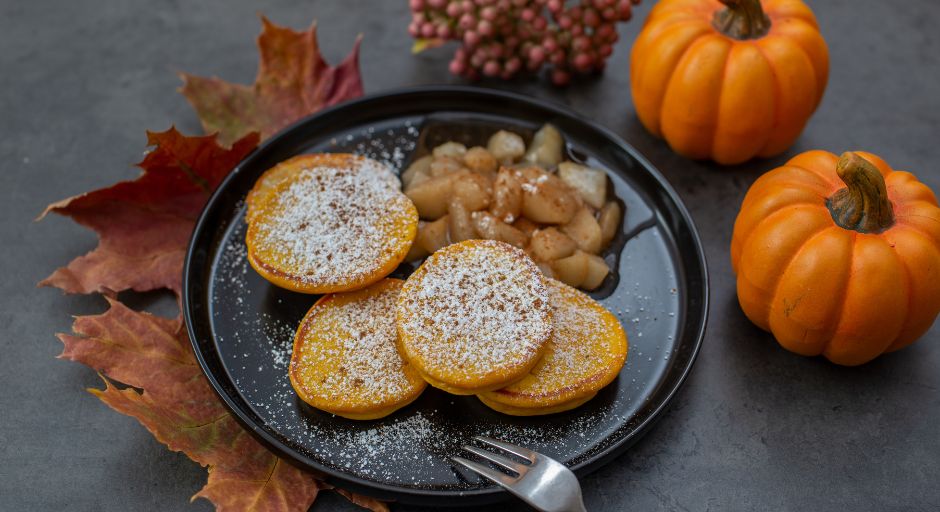
Lightened-Up Pumpkin Pancakes
A breakfast you can feel good about.
Ingredients:
- 1 cup oat flour
- 1 cup pumpkin puree
- 1 teaspoon cinnamon
- 1 teaspoon baking powder
- 1 cup unsweetened almond milk
- 1 large egg
- Cooking spray or a teaspoon of coconut oil
Instructions:
- Mix oat flour, cinnamon, and baking powder in a bowl.
- Add pumpkin puree, almond milk, and egg. Stir until smooth.
- Heat skillet over medium heat, coat lightly with oil, and cook pancakes until golden on both sides.
- Serve with fresh berries or a light drizzle of maple syrup.
Why it works: Using oat flour adds fiber and keeps you full. Pumpkin adds moisture and flavor, reducing the need for extra oil or sugar.
The Secret to Staying Consistent
The trick to keeping seasonal recipes like these part of your routine is making them easy to plan and track. Pumpkin dishes can be rich and filling, so knowing how they fit into your daily nutrition is key. That’s why pairing these recipes with planning and mindful tracking is so powerful, as it keeps you on track without sacrificing the joy of eating seasonally.
That’s where a little planning (and a little tech) can work magic. The Healthi app makes it effortless. Food tracking lets you log every pumpkin-spiced BITE so you know exactly where you stand. Recipe building means your favorite fall creations are saved and ready to recreate anytime. Meal planning keeps your week organized so you’re not scrambling for dinner ideas when life gets busy.
With this combo, pumpkin season doesn’t have to be a once-in-a-while treat. It can become your new fall favorite that fits seamlessly into your healthy lifestyle. Cozy eating, meet smart planning!
Conclusion
The official pumpkin season may be short, but the benefits of adding pumpkin to your meals can last well beyond autumn. These lightened-up recipes give you cozy comfort without undoing your goals. They prove that healthy eating doesn’t have to mean giving up flavor; it’s about making smart swaps, enjoying seasonal foods, and keeping the process delicious. This fall, let pumpkin be your healthy indulgence.
GLP-1
Which GLP-1 Is Right for You? A Comprehensive Guide
Thinking about a GLP-1 but not sure where to start? The truth is, there’s no one-size-fits-all. Your lifestyle, health needs, and goals all play a role. Here’s how to find the option that fits YOU best.
If you’ve been curious about GLP-1 medications, you’ve probably heard about their ability to help with weight loss and blood sugar control. But choosing the right one isn’t as simple as picking the “best” name you hear about. The reality is that the right choice depends on your lifestyle, your health needs, and your personal goals. Let’s break it down so you can feel confident in your decision.
Understanding GLP-1 Medications
GLP-1 receptor agonists mimic a hormone in your body that naturally helps regulate appetite and blood sugar. They work by slowing digestion, reducing hunger, and helping you feel satisfied sooner. That combination makes them powerful tools for weight management.
There are several GLP-1 medications on the market today, each with slightly different strengths. For example, semaglutide (sold as Ozempic, Wegovy, or Rybelsus) has been studied extensively and shown some of the most impressive weight loss results, with research from the New England Journal of Medicine showing an average weight loss of up to 15% over 68 weeks for some patients. Liraglutide (Saxenda, Victoza) is another option that has been around longer, taken daily rather than weekly, and also supports blood sugar control. Then there’s tirzepatide (Mounjaro, Zepbound), a newer medication that not only targets GLP-1 but also GIP receptors, and studies show it may deliver even greater weight loss results and metabolic benefits.
Sounds like a lot? It can be, but the thing is, these differences matter. It’s not just about the results, but also convenience and what really fits your lifestyle.
How to Decide What’s Best for You
Picking a GLP-1 isn’t one-size-fits-all. Here are some key factors to weigh:
First, think about convenience. If weekly injections work better for your schedule, semaglutide or dulaglutide may be easier to stick with. If needles aren’t your thing, oral semaglutide drops are also an option, though it does require taking them on an empty stomach with careful timing.
Next, consider your health priorities. Are you managing type 2 diabetes as well as weight loss? Some GLP-1s, like semaglutide and liraglutide are worth considering. Are you focused on maximum weight loss? Emerging studies suggest tirzepatide might offer stronger results.
Side effects matter too. GI symptoms (nausea, bloating, or diarrhea) are common, especially early on. A gradual dose increase often helps ease these effects. Your healthcare provider will also monitor progress and adjust doses for safety and comfort.
Finally, think about cost and accessibility. Insurance coverage can vary depending on whether the medication is prescribed for diabetes or weight loss. This is where programs like HealthiCare can make a difference, offering access to GLP-1 medications at transparent, affordable monthly prices with no contracts. They even offer combination options like GLP-1 + B12 for added energy or GLP-1 + glycine to support recovery and metabolic health.
Why Lifestyle Still Matters
While GLP-1 medications are powerful, they work best when paired with healthy habits. Nutrition, movement, hydration, and sleep all play a role in maximizing results. For example, research from The Journal of Clinical Endocrinology & Metabolism suggests that combining GLP-1 treatment with lifestyle changes produces more sustainable weight loss than medication alone. That’s why the most effective approach isn’t just picking the “right” GLP-1; it’s creating a support system that includes nutrition guidance, exercise plans, and ongoing accountability.
That’s where HealthiCare, paired with the Healthi app, comes in. HealthiCare is a full-support wellness program that pairs GLP‑1 medications (like semaglutide or tirzepatide) with Healthi’s trusted ecosystem, featuring meal planning, in-app tracking, coach guidance, live meetings, and community support.
What You Get:
- GLP-1 Prescription & Monthly Medication Delivery
- Convenient mail-order delivery of your medication
- Personalized Care Plan
- Based on your medical history and goals
- Daily Tracking & Tools with the Healthi App
- Log your meals, monitor BITES, track your weight, and set custom goals—all in one place.
- Members on GLP-1s also get access to Healthi Fresh, a personalized HealthiCare plan designed specifically to support appetite shifts, protein needs, and sustainable weight loss with GLP-1 medications.
- Group Coaching & Live Meetings
- Learn, grow, and stay motivated with Healthi coaches and community
- Exclusive Resources
- Meal plans, habit hacks, restaurant guides, and protein-packed recipes
How to Get Started:
1. Fill out the simple, yet detailed online intake form
2. A licensed provider will review your information
3. If approved, your prescription will be filled and shipped
4. In some states, a brief telehealth consult may be required due to regulations
Pricing & Coverage:
Personalized Semaglutide: $299/month (oral options available)
Personalized Tirzepatide: $399/month (oral option available)
Branded Medication: Starting at $1299/month
- Transparent monthly pricing includes:
- Medication
- Provider review
- Shipping
- Support & coaching through our HealthiCare Member Meeting Group
- Healthi Fresh weight loss plan
- HSA/FSA cards accepted
- No insurance required
Important Notes:
- Eligibility depends on health history and BMI
- Not available in all states (see application for details)
- All medical data is securely stored and HIPAA-compliant
- If you’re not approved, you won’t be charged
Why It Works:
HealthiCare is more than a prescription—it’s a structured support system designed to make weight loss sustainable. With medication, expert guidance, and a vibrant community, Healthi makes healthy living simpler, smarter, and more effective.
The Bigger Picture
Choosing a GLP-1 isn’t just about weight loss. It’s about finding a treatment that works with your body and lifestyle so you can maintain results long term. And the exciting thing? Research is pointing toward a future of more personalized medicine, where your genetics, metabolism, and even gut microbiome may guide exactly which GLP-1 is best for you. That could make this already life-changing approach even more effective.
This decision is deeply personal, and it’s worth taking the time to explore your options, talk to your healthcare provider, and find what fits best for your goals and lifestyle.

Lifestyle
The Science of Self-Talk and How It Can Help You Lose Weight
Your inner voice is powerful. The way you talk to yourself can either build momentum or hold you back. Shift the script, practice positive self-talk, and watch how small daily wins turn into lasting success.
If you have ever caught yourself thinking, “I’ll never stick to this,” or “I messed up again,” you already know how powerful your inner voice can be. The way you talk to yourself is not just background noise. It influences your choices, your confidence, and even your long-term success with weight loss. Science has shown that self-talk, both positive and negative, has a direct impact on motivation, resilience, and the habits you build along the way. The good news is that you can learn to shift that inner dialogue and make it work for you instead of against you.
Let’s dig into how your thoughts can either hold you back or help you push forward, and how you can start using self-talk as a powerful part of your weight loss journey.

Why Self-Talk Matters
Self-talk plays a major role in how the brain processes effort and reward. Negative self-talk can trigger stress responses that make you feel overwhelmed or defeated before you even begin. On the other hand, positive and constructive self-talk can activate areas of the brain linked to problem-solving, motivation, and emotional regulation. This means that the way you frame your thoughts can literally change the way your body responds to challenges.
Think about the last time you slipped up on your plan. Maybe you went back for seconds at dinner, skipped a workout, or found yourself face-to-face with a pint of ice cream at midnight. What did you tell yourself afterward? Did your inner voice sound like a harsh critic? (“You have no willpower, you’ll never get this right”) Here’s the catch: negative self-talk doesn’t just sting—it actually makes it harder to bounce back.
Research shows that beating yourself up increases stress and lowers motivation. On the flip side, positive self-talk, like encouraging yourself the way you would a friend, helps reduce stress, improve focus, and makes you more likely to stick with healthy habits. In other words, the way you talk to yourself can directly affect the way you act. When you think about it that way, your inner voice holds a lot of power.
The Brain-Body Connection
Your brain doesn’t just shrug off the words you tell yourself. It holds on like a pumpkin spice latte clutched in both hands on the first chilly fall morning. Positive self-talk triggers the release of feel-good neurotransmitters like dopamine and serotonin, which improve mood and make healthy choices feel more rewarding. Negative self-talk, on the other hand, ramps up cortisol (the stress hormone), which can fuel cravings and throw your hunger signals off balance.
This means your inner dialogue can literally influence your appetite, your energy levels, and even how much you want to move your body. Self-talk isn’t just about “thinking happy thoughts.” It’s about creating the mental conditions that make weight loss feel doable instead of overwhelming.
Shifting the Script
So how do you start changing that inner voice? It begins with wanting something different for yourself. Maybe you’re tired of that constant mental soundtrack that makes you feel like you’ll never measure up, or maybe you’ve realized that the way you talk to yourself is holding you back more than your actual choices. The shift happens when you decide you’re ready to stop being your own worst critic and start being your own coach. And just like any new skill, it takes practice. Here are a few practical strategies:
Catch the critic. Notice when you’re being unkind to yourself. Awareness is the first step.
Flip it around. Ask: “What would I say to a close friend if they were in this situation?” Then, tell yourself that.
Keep it specific. Instead of “I’m terrible at sticking to a plan,” try “I struggled today, but I’ve succeeded before and I can get back on track tomorrow.”
Pair words with action. Use encouraging self-talk to set yourself up for small wins: “I can take a 10-minute walk right now,” or “I can choose a filling dinner that supports my goals.”
These small shifts in language may feel simple, but they can completely change the way you experience your journey.
How Healthi Can Help
Pairing self-talk strategies with the right tools creates even stronger results. The Healthi app gives you a clear picture of your choices through food tracking, BITES plans, and progress charts. When you combine these insights with positive self-talk, you’re giving your inner voice real evidence that you are making progress. Seeing your streaks, noticing patterns, and celebrating small wins help your self-talk naturally turn more positive over time.
And if you’re looking for even more support, HealthiCare pairs expert coaching and GLP-1 medication with tools that keep you accountable and motivated. When you combine science-backed medication, personalized tracking, and positive self-talk, you’ve got a support system that works on every level—mind and body.
Conclusion
Weight loss isn’t just about what you eat or how much you move. It’s also about what you tell yourself along the way. Self-talk has the power to shape your motivation, your mindset, and even your biology. By shifting your inner voice from critical to compassionate, you make space for consistency, resilience, and long-term success.
So next time you hear that little voice in your head, choose to make it your biggest cheerleader instead of your harshest critic. Because when you believe in yourself—even in small ways—you set the stage for lasting change.
Lifestyle
Fall Back Into Healthy Habits
This fall is your chance to hit reset. With shorter days and cooler weather comes structure, cozy seasonal foods, and fresh routines that make it easier to get back on track.
Happy fall, Healthi fam! The air’s getting crisp, the days are shorter, and suddenly everything feels a little cozier. Sure, fall brings pumpkin spice lattes, football weekends, and soft sweaters, but it also hands us something even better—a built-in chance to reset. After a summer of cookouts, vacations, and busy schedules, this season is perfect for finding your groove again with healthy habits that actually stick.
I have a few tips for how to use fall as your reset button for health, wellness, and weight loss.

1. Embrace the Seasonal Rhythm
Summer is fun, but let’s be honest, it can throw routines way off track. Fall naturally comes with more structure, whether it’s back-to-school, a steadier work schedule, or just earlier sunsets. Use that rhythm to your advantage by locking in regular mealtimes, sleep routines, and movement.
My pro tip: Reset your sleep with the daylight shift. Head to bed a litter earlier, try to get at least 7–8 hours, and wake up feeling energized instead of drained. I even use the time change as an excuse to get up earlier. It makes my mornings calmer and sets the tone for the day.
2. Revisit Your Food Basics
Think of fall as “back to school” for your nutrition, too. After summer indulgences, it’s time to get back to the basics:
- Build balanced plates with protein, produce, and healthy carbs.
- Make meal planning and grocery shopping non-negotiable.
- Stock up on seasonal favorites like squash, apples, and root veggies for comfort food that actually fuels you.
Want to keep your menu fun? Make a weekly “fall favorites” list so you never get bored with the same old meals.

3. Move in Cozy, Creative Ways
Cooler weather doesn’t mean less movement, it just means switching things up (like possibly the location of your workouts). Brisk walks in the crisp air? Perfect. At-home strength workouts, yoga, or a dance video? Even better!
Fall activities totally count, too. Apple picking, corn mazes, raking leaves, even tackling that fall cleaning spree. These fun times all sneak in extra steps and burn more calories than you’d think. Honestly, housecleaning is one of my biggest calorie burners most days.
4. Reset Your Mindset
Fall is about letting go of what doesn’t serve you, just like the trees dropping their leaves.
- Write down what worked for you this summer and what didn’t.
- Set 1–3 simple, realistic goals for this season.
- Remember: progress isn’t about being perfect, it’s about moving in the right direction.

5. Get Ahead of the Holidays
Here’s the truth: if you reset now, the holidays won’t feel like a minefield of temptation. With healthier habits already in place, you’ll be able to enjoy the celebrations without guilt or stress and without losing your momentum.
Final Thoughts
Fall is proof that change can be beautiful. Use the season’s natural rhythm to get back on track, fuel your body with foods that make you feel good, and bring in habits that keep you strong and steady all the way through the holidays.
So light the pumpkin candle, pull out the cozy socks, and fall back into routines that make you feel like your best self!

Lifestyle
How Fall Schedules Can Help You Refocus on Your Goals
Fall is the perfect season to hit refresh on your health and wellness goals. With the shift in routines, cooler mornings, and kids back in school, it’s easier to create structure that supports lasting habits. From meal planning and mindful tracking with the Healthi app to fitting in exercise and building mental clarity, this guide shows how a fall schedule can help you refocus, stay consistent, and make meaningful progress toward your goals.
There’s something about fall that makes it feel like a fresh start. The air gets crisp, the mornings are quieter, and routines naturally shift as kids head back to school or work schedules settle after summer vacations. It’s the perfect season to pause, take stock, and refocus on your health and wellness goals.
Routines Give Your Goals Momentum
Let’s be honest—life is messy. Some days feel like a juggling act, and healthy habits can easily slip when work, family, or social commitments pile up. That’s where a fall schedule can be a game-changer. Think of it as giving your goals a little runway to take off instead of hoping they’ll magically happen amid the chaos.
Even small, consistent actions start to add up in a big way. Carving out a regular lunchtime walk, dedicating one evening a week to meal prep, or spending 10–15 minutes in the morning planning your day or reflecting on goals can make your intentions feel tangible instead of abstract. Over time, these repeatable actions build momentum, making exercise feel like part of your rhythm, meals more intentional, and cravings easier to manage.
Fall naturally supports this structure. Shorter days, kids back in school, and the shift from summer’s free-for-all create natural anchors you can use to reinforce your goals. Pairing your routine with tools like the Healthi app takes it further. Tracking meals, activity, and progress not only keeps you accountable but shows exactly what’s working. The combination of structure and insight turns small habits into lasting results and makes your wellness goals feel achievable, sustainable, and even enjoyable.
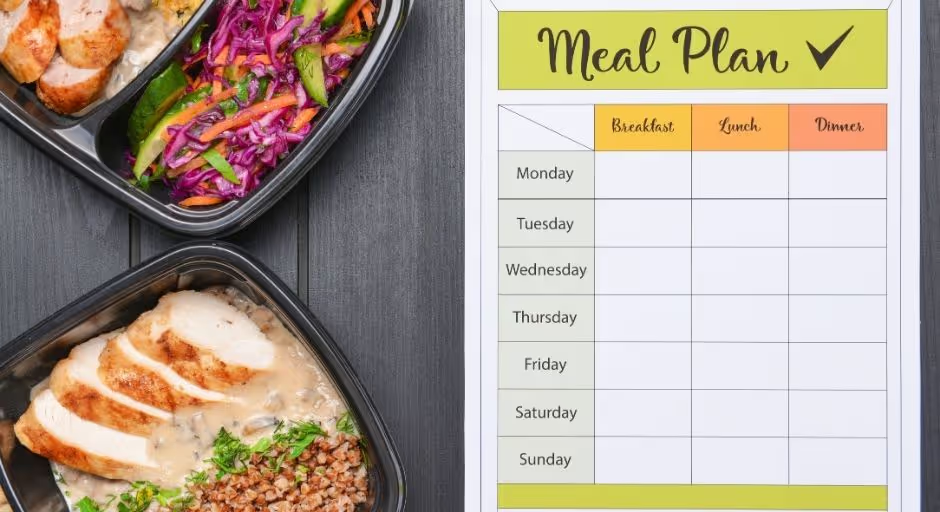
Meal Planning Made Easier
With a set schedule, planning meals becomes simpler and less stressful. You can map out breakfasts, lunches, and dinners for the week, making it easier to include seasonal produce and stick to your nutrition goals. The Healthi app makes this even easier by offering pre-set and customizable meal plan options, letting you track your meals, try out BITES plans, and log your progress so you can see what’s working and where adjustments might help.
Exercise Finds Its Place
A consistent schedule makes fitting in movement feel natural instead of forced. Maybe you start your day with a 20-minute yoga flow to wake up your body and mind, squeeze in a brisk 15-minute walk at lunch to clear your head, or finish your evening with a 30-minute strength session using dumbbells, resistance bands, or bodyweight exercises. Even short, repeatable routines like a quick core circuit or a few rounds of stair climbing can add up when done consistently.
The key is having a dedicated time and plan, so exercise doesn’t feel like an extra chore you have to fit in. Pairing your routine with the Healthi app makes it even easier to stick with. You can log workouts, track progress, notice trends, and celebrate wins in real time. Seeing your streaks, improvements in strength or stamina, and how movement fits into your overall wellness routine turns motivation into momentum and helps you build habits that last.
Mental Clarity and Focus
Structure isn’t just about your body, it’s for your mind too. When you know what’s coming in your day, it reduces decision fatigue and frees up mental energy for the things that matter most. Because let's be honest... how many times have we come home from a long day at work and simply didn't have the energy to make a full, nutritious meal? Planning ahead—even just a few minutes each morning to map out your priorities—can make your goals feel tangible instead of overwhelming.
Having a consistent schedule also helps you respond to challenges more calmly. When meals, workouts, and self-care routines are built into your day, you don’t have to constantly make choices on the fly. That mental breathing room makes it easier to stay present, handle unexpected stressors, and make smarter decisions for your health and wellness. Over time, this mental clarity compounds. You begin to notice patterns in your energy, mood, and focus, giving you insight into what works best for your life and helping you stay on track with your goals.

Using Fall to Reset and Refocus
Think of fall as a natural checkpoint. It’s a season for fresh energy, cooler air, and new habits. By aligning your schedule with your wellness goals, you create an environment that supports you, not one that fights against you. And with tools like the Healthi app and HealthiCare, you have both guidance and flexibility. Track meals, adjust your plan, access coaching, and make this season a time of real progress.
The Takeaway
Fall is more than pumpkin spice and cozy sweaters. It’s an opportunity to reset your routines, refocus on your goals, and build habits that last. Use the season to create structure, plan intentionally, and lean on the tools and support systems that make healthy living simpler and more sustainable.

GLP-1
The Future of GLP-1 and Weight Loss
The future of GLP-1 is here, and it’s more than just weight loss. Explore how next-generation medications, personalized care, and HealthiCare’s full support system work together to help you feel healthier, more energized, and truly supported on your journey.
GLP-1 medications have already reshaped how people think about weight loss, appetite, and long-term health. But the story is far from over. Research is evolving rapidly, and the next few years could bring breakthroughs that make these treatments more effective, more personalized, and more accessible. If you’ve ever wondered where this journey is heading, let’s take a look at what the future may hold for GLP-1 and weight loss.
Beyond Appetite Control
Most people think of GLP-1 medications as “the appetite shot” because of how effectively they help reduce hunger and promote feelings of fullness. But the truth is, appetite control is just the beginning. These medications work on deeper levels in the body that go far beyond weight loss. GLP-1s improve insulin sensitivity, helping your body use glucose more effectively and keeping blood sugar levels steady throughout the day. This is especially meaningful for people living with prediabetes or type 2 diabetes, where managing blood sugar can be a daily challenge.
Research also shows that GLP-1s may play a role in supporting heart health by reducing inflammation, lowering blood pressure, and improving cholesterol profiles. That means the benefits extend beyond how your clothes fit. They also touch on your overall metabolic wellness in ways that can lower long-term health risks. Future versions of these medications are being designed with this bigger picture in mind. Instead of focusing solely on weight loss, they may be able to target multiple conditions at once, like obesity, diabetes, high blood pressure, and even chronic inflammation.
It’s a pretty incredible thought: what started as a treatment for blood sugar management is now shaping up to be a whole-body approach to health. The next generation of GLP-1s could make it possible to not just lose weight, but to improve your overall quality of life by protecting the systems that keep your body strong, resilient, and balanced.
Combining Therapies
Another exciting development is combination medications. Researchers are experimenting with pairing GLP-1s with other hormones like GIP or glucagon to boost effectiveness. These “dual” or even “triple” agonists could help people lose more weight, maintain muscle mass, and improve metabolic health even more efficiently. Think of it as the next generation of treatment, where medications are designed to work smarter and harder in your body.
HealthiCare already leans into this idea with add-on combos like GLP-1 + B12 for energy support or GLP-1 + glycine for improved recovery and metabolic health. These options give members an early taste of what the future holds: treatments that don’t just help you lose weight, but also support your overall wellness in a more complete way.
Personalized Weight Loss
The future of GLP-1 use will likely be more personalized. Right now, medications are prescribed based on general effectiveness, but new research suggests that your genetics, metabolism, and even gut microbiome could determine which version of a GLP-1 works best for you. Imagine being able to get a tailored prescription that matches your body’s unique needs and helps you avoid side effects while maximizing results.
It’s a little breathtaking to think about, isn’t it? For so long, weight loss has felt like trial and error, filled with frustration and guesswork. The idea that science is moving toward truly individualized care feels like hope on the horizon. It means a future where your journey doesn’t have to look like anyone else’s, where your body’s story is finally heard, and where the path forward is both effective and kind.
Easier Access and New Delivery Methods
One of the biggest barriers today is cost and access. The hope is that with more options on the market, competition will bring down prices and increase insurance coverage. Beyond affordability, scientists are also working on making GLP-1s easier to take. Pills are already available in some forms, and future delivery methods could include patches or longer-lasting injections that require fewer doses. Convenience could make sticking with treatment much simpler.
And while the future is exciting, it’s worth remembering that access doesn’t have to feel out of reach right now. That’s what makes HealthiCare so unique. By offering low-cost, no-contract, and completely transparent monthly pricing, it takes away the financial guesswork and pressure that often come with treatment. It’s not about locking you in or surprising you with hidden fees—it’s about giving you affordable, straightforward care today, while science continues to open even more doors for tomorrow.

Pairing Science With Lifestyle
Even as science advances, one thing will always stay the same: GLP-1 medications work best when they are paired with healthy habits. These medications can do a lot of the heavy lifting when it comes to reducing appetite and balancing blood sugar, but they are not a magic fix. Lasting results come from what you do alongside them; like how you fuel your body, how you move, and how you care for your overall well-being.
That is why tools like the Healthi app and programs like HealthiCare matter so much. Tracking meals and choosing a BITES plan help you learn which foods keep you full and energized. Logging your progress shows you patterns that you might otherwise miss, and working with supportive coaches keeps you motivated when life gets messy. Pairing GLP-1 with these everyday choices helps you lose weight in a way that feels sustainable, instead of like another quick fix.
The future of GLP-1 is not just about new drugs, it is about building a complete support system around them. When you combine cutting-edge science with practical lifestyle habits, you create a foundation for long-term success. You are not just losing weight; you are maintaining it, protecting your health, and building a way of living that actually feels good day to day.
The Bottom Line
The future of GLP-1 and weight loss is bright, full of new possibilities that go far beyond appetite control. From more advanced medications to personalized prescriptions and easier access, these treatments are evolving quickly. But remember, medication alone isn’t the whole solution. Pairing GLP-1 with sustainable habits, balanced nutrition, and the support of tools like the Healthi app and HealthiCare is the winning formula. As science moves forward, so does your opportunity to take control of your health in ways that feel empowering, supportive, and lasting.

Nutrition
Lifestyle
Fall Flavors, the Healthi Way
Fall is here, and that means cozy flavors, crisp air, and plenty of seasonal comfort foods. But instead of overloading on sugary treats, Coach Delicia shows us how to enjoy autumn's best ingredients in simple, nourishing recipes that taste just as comforting as they feel.
Hey Healthi Family, Coach Delicia here! I absolutely love living in Colorado. The air is getting a little crispier, the leaves are starting to turn (hello, Colorado fall!), and suddenly my brain is in full-on "cozy season" mode. That means one thing: fall food. But let's be real, "fall food" usually translates to pumpkin spice everything, sugary lattes, and comfort food that leaves you feeling more stuffed than cozy.
This year, we're doing things differently. We’re embracing the rich, comforting flavors of autumn in a way that actually makes us feel good. It's about bringing the warmth of the season into our kitchens with real, whole foods, so we can enjoy the cozy vibes without overdoing it on sugary treats.
Fall's Top Healthi Superstars
The best part about fall produce? It's delicious and packed with nutrients. They're all low in calories and high in fiber, which helps keep you feeling full and satisfied. Here are my favorites and a little more on why they're so good for you:
Apples: They're not just for pies! Apples are great for gut health because they're full of a fiber called pectin, which feeds the good bacteria in your gut. They're also a crunchy, sweet snack that can help curb cravings.
Pumpkin: Beyond the pie filling, pumpkin is loaded with Vitamin A, which is essential for healthy vision and a strong immune system. It's also a great source of fiber, which is a powerhouse for your digestion.
Squash: Whether it's butternut, acorn, or spaghetti squash, these are amazing sources of vitamins A and C, and they're rich in potassium, which is important for heart health. They're hearty, filling, and incredibly versatile.
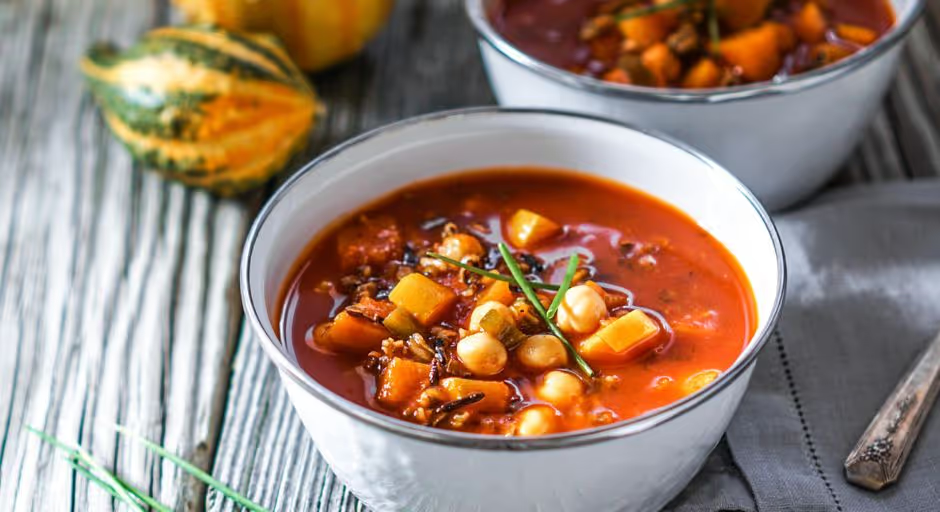
Simple Healthi Recipes for Fall
You don't need to be a pro chef to make these. They're simple, delicious, and perfect for meal prep.
Roasted Butternut Squash: First, preheat your oven to 400°F. Carefully peel and chop a butternut squash into 1-inch cubes. On a baking sheet, toss the squash with a little olive oil, cinnamon, nutmeg, salt, and pepper. Roast for about 20-25 minutes, or until it's tender and slightly caramelized. It’s perfect as a side dish, in a salad, or blended into a creamy soup.
Healthi Chili with Pumpkin: Prepare your favorite chili recipe as you normally would. When you add the crushed tomatoes and beans, stir in a can of pumpkin purée. It adds a thick, creamy texture and a ton of extra nutrients without changing the classic taste you love. It's a sneaky way to get more veggies in there!
Baked Apple Slices: Preheat your oven to 375°F. Core and slice two apples into quarter-inch slices. Arrange them on a baking sheet. In a small bowl, mix a tablespoon of brown sugar and a teaspoon of cinnamon. Sprinkle the mixture evenly over the apple slices. Bake for 15-20 minutes, or until the apples are soft. It tastes just like apple pie filling without all the sugar!
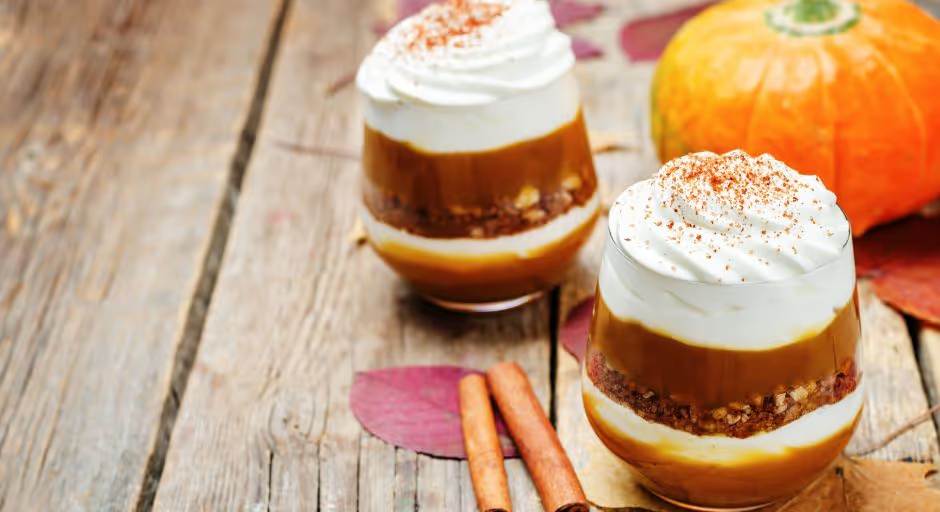
Sweet Treats for Your Sweet Tooth
For me, sometimes I just need a little something sweet. These options are a better choice because they use natural sweetness and fiber, helping you feel satisfied without the sugar crash.
Cinnamon Apple Slices: This is my go-to. Just slice up a crisp apple and sprinkle it with cinnamon. It's a no-cook, satisfying, and sweet snack.
Pumpkin Spice Yogurt: Mix a couple of tablespoons of pumpkin purée into plain Greek yogurt. Add a dash of pumpkin pie spice and a little stevia or a drizzle of maple syrup for sweetness. The protein in the yogurt will keep you full, while the fiber from the pumpkin helps your body process the sugar slower.
Quick Apple Crisp: This is a fantastic way to satisfy that apple pie craving. Simply chop up one apple and put it in a microwave-safe bowl. In a separate bowl, mix a tablespoon of rolled oats with a teaspoon of brown sugar and a dash of cinnamon. Sprinkle this mixture over the apple and microwave for about 90 seconds, or until the apple is tender. Top with a spoonful of Greek yogurt or a small scoop of vanilla ice cream.
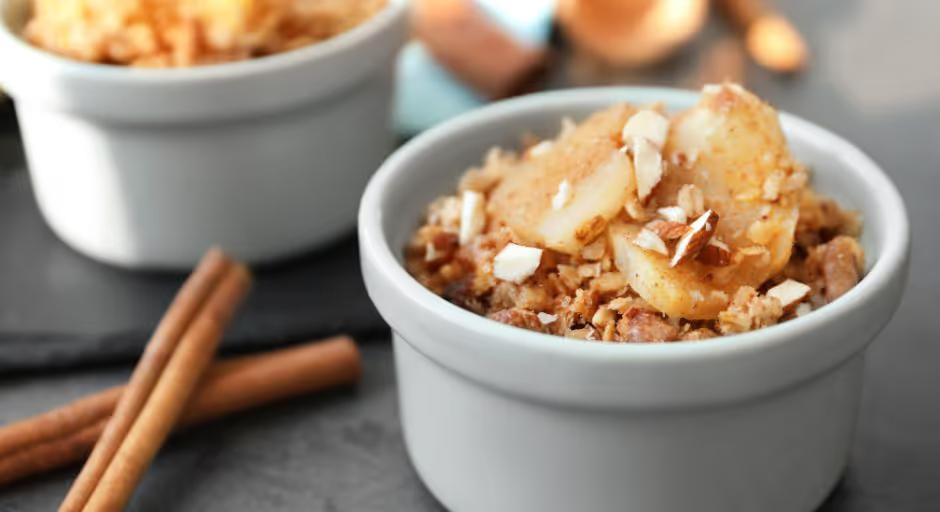
How to Make Fall Flavors Part of Your Daily Routine
The best way to stick with healthy habits is to make them easy. Here are some of my favorite ways to make fall flavors part of your daily life:
Prep Your Produce: When you get home from the grocery store, chop up your squash and wash your apples. This way, they're ready to go when you are.
Meal Plan: Dedicate 15 minutes on Sunday to plan your meals for the week. Knowing what you'll cook makes you more likely to follow through.
Embrace the Air Fryer: If you have one, an air fryer can make roasting veggies a breeze and cut down on cooking time.
Try Batch Cooking: Make a big batch of the roasted butternut squash at the beginning of the week. You can add it to salads, soups, or as a quick side dish all week long.
Conclusion
This fall, let's focus on nourishing our bodies with the incredible foods the season has to offer. It's about enjoying the flavors you love in a way that makes you feel amazing, both inside and out. It’s a chance to build healthy habits that are rooted in comfort and joy, not restriction. So grab your fuzzy socks, put on your favorite cozy playlist, and let's get to cooking!
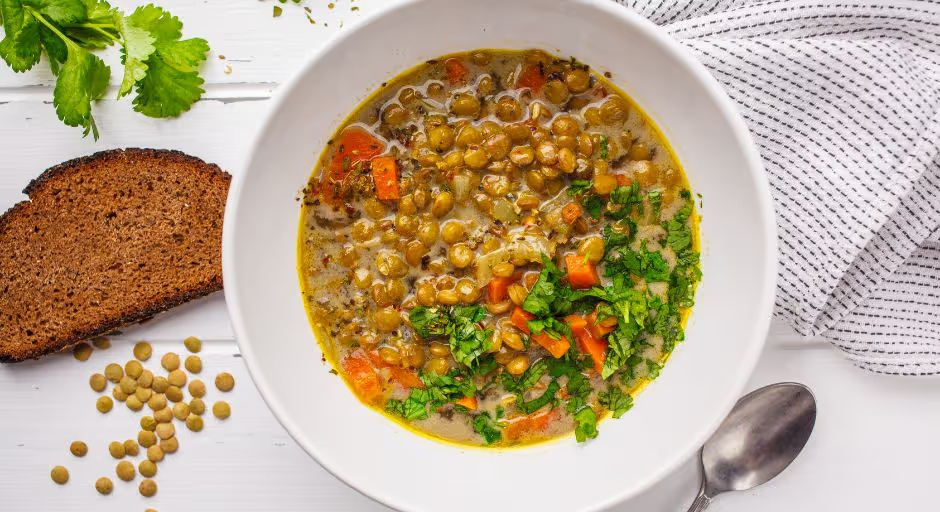
Nutrition
One-Pot Fall Recipes Perfect for Busy Weeknights
Fall is busy enough without complicated dinners. One-pot recipes bring all the comfort and flavor of the season with less mess, less stress, and more balance.
When the days get shorter and the evenings cooler, the absolute last thing you want is to spend hours in the kitchen scrubbing pans after a long workday. That’s where one-pot meals come to the rescue. They’re cozy, hearty, and best of all, require minimal cleanup. The magic of one-pot cooking is that you get all the flavor and nourishment without the chaos of juggling three different pans on a weeknight.
And let’s be honest, fall is the perfect season for them. Between back-to-school schedules, packed calendars, and the natural craving for warm, comforting meals, one-pot recipes just make life easier. Add in the fact that they can be perfectly aligned with your weight loss goals, and you’ve got a winning formula.

Why One-Pot Recipes Are a Fall Essential
There’s a reason these cozy dishes never go out of style. They’re the ultimate blend of nutrition, comfort, and convenience. With everything cooking together in just one pot, you cut down on prep time and get dinner on the table faster, which is a lifesaver on busy fall evenings. They’re also a sneaky way to pack in balanced nutrition, since you can layer protein, vegetables, and whole grains into a single dish without overthinking it.
And who doesn't want to sneak in some veggies the family won't notice? You can get creative in surprisingly easy ways—like pureeing carrots, zucchini, or butternut squash into soups and sauces to thicken them, grating zucchini or carrots into chili or risotto where they practically melt in, or swapping part of your base with riced cauliflower or finely chopped mushrooms to add bulk without changing the flavor. Leafy greens such as spinach, kale, or Swiss chard can be tossed in at the end since they wilt down quickly, and hearty veggies like sweet potatoes, squash, or parsnips can pull double duty by thickening stews while adding a touch of natural sweetness.
And let’s be honest, fewer dishes to wash is always a win. But what really makes one-pot meals shine is the flavor: as the ingredients simmer together, they create rich, hearty layers that taste like they’ve been cooking all day even though you didn’t have to babysit the stove to make it happen.
Smart Tips to Keep Them Weight-Loss Friendly
Comfort food doesn’t have to mean heavy or calorie-loaded. Here’s how to keep your one-pot meals delicious and aligned with your goals:
- Lean proteins first: Think chicken, turkey, shrimp, or even lentils and beans for plant-based nights.
- Go heavy on the veggies: Carrots, squash, Brussels sprouts, mushrooms, kale—fall produce is made for cozy cooking.
- Whole grains and fiber: Brown rice, quinoa, or farro make these dishes filling without the crash.
- Spice it up: Garlic, rosemary, paprika, and cinnamon add rich flavor without extra calories.

One-Pot Fall Favorites to Try
If you’re not sure where to start, here are some ideas that fit the bill:
Chicken and Wild Rice Soup
Nothing says comfort like a warm bowl of soup on a chilly night.
- Ingredients: Chicken breast (cubed), wild rice, carrots, celery, onion, garlic, chicken broth, thyme, salt, pepper.
- How to make it: Sauté veggies in a large pot with a little olive oil, add chicken, and cook until browned. Stir in rice, broth, and seasonings. Simmer until rice is tender and chicken is cooked through.
Turkey Chili with Sweet Potatoes
This hearty chili has a cozy fall upgrade with naturally sweet, filling potatoes.
- Ingredients: Ground turkey, diced sweet potatoes, black beans, kidney beans, canned tomatoes, chili powder, cumin, paprika, onion, garlic.
- How to make it: Cook turkey, onion, and garlic in a pot. Stir in sweet potatoes, beans, tomatoes, and spices. Add a little water or broth, then simmer until the sweet potatoes are soft and flavors meld.
Butternut Squash Risotto
Creamy, comforting, and surprisingly simple without loads of butter or cream.
- Ingredients: Arborio rice, cubed butternut squash, onion, garlic, vegetable or chicken broth, parmesan, salt, pepper.
- How to make it: Sauté onion and garlic, stir in rice, and cook for a minute. Add broth a little at a time, stirring as it absorbs. Toss in the squash halfway through. Finish with parmesan for a creamy, cozy dish.
Lentil and Veggie Stew
A plant-based meal that’s hearty enough to stand on its own.
- Ingredients: Lentils, carrots, celery, zucchini, diced tomatoes, spinach or kale, veggie broth, oregano, thyme, salt, pepper.
- How to make it: Combine everything except leafy greens in a pot, bring to a boil, then simmer until lentils are tender. Stir in spinach or kale at the end for extra nutrition.
Apple-Cinnamon Oatmeal
Yes, breakfast counts too! This oatmeal is perfect for meal prep—cook once, reheat all week.
- Ingredients: Rolled oats, diced apples, cinnamon, nutmeg, vanilla, water or milk, a drizzle of honey or maple syrup (optional).
- How to make it: In a pot, combine oats, apples, spices, and liquid. Cook until oats are creamy and apples are tender. Portion into containers for easy grab-and-go breakfasts.
Why Tracking One-Pot Meals Works So Well
Here’s the secret: while one-pot meals are simple to make, they can sometimes be tricky to track since everything blends together in one dish. That’s where the Healthi app makes life so much easier. Instead of guessing, you can build your pot of chili, stew, or risotto right into a recipe and instantly see how each serving fits your daily goals. Toss in store-bought items? Just scan the barcodes and the numbers appear like magic. Not sure which style of eating works best for you? Experiment with different BITES plans until you find the one that matches your cravings and lifestyle.
And for the nights when cooking doesn’t go as planned, you’ve got access to ready-made meal plans, macro tracking tools, and even the Restaurant Guide so you can stay on track no matter what. One-pot meals and the Healthi app are the perfect duo. Comfort on your plate and clarity in your tracking, so you can savor every bite without second-guessing your choices.
The Takeaway
Fall is busy enough without complicated dinners. One-pot meals bring comfort, balance, and ease to your weeknights while keeping you on track with your goals. And when you pair them with the Healthi app, you’ve got everything you need to feel confident that your cozy fall favorites are working for you, not against you.
So grab that pot, toss in some fall ingredients, and let dinner practically cook itself (who wouldn’t want that?). Less stress, less mess, more flavor. That’s what weeknights should look like.
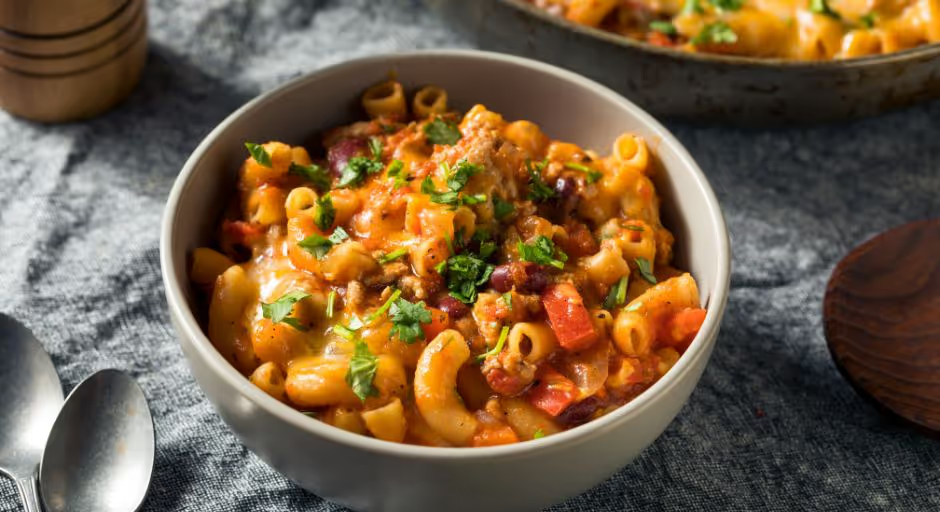
Nutrition
Cozy Comfort Foods for Weight Loss
Who says comfort food can’t be healthy? This guide takes your favorite cozy classics and shows you how to lighten them up without losing the flavor. From creamy soups to hearty casseroles, you’ll learn how to enjoy the warmth of fall cooking while still supporting your weight loss goals.
There’s something about cooler weather that makes us crave comfort. Maybe it’s a steaming bowl of soup, a cheesy casserole, or a big plate of pasta. These meals feel like a hug on a chilly evening, but they don’t always play nicely with our weight loss and wellness goals. The good news? Comfort food doesn’t have to be off-limits. With a few smart tweaks, you can enjoy all the coziness without derailing your progress.
Why Comfort Food Feels So Good
Before we dive into the “how,” let’s talk about the “why.” Comfort foods often feel satisfying because they’re linked to emotion. They may remind us of childhood dinners, family gatherings, or simply the feeling of slowing down after a long day. They’re also often rich in carbs and fats, which trigger the release of feel-good chemicals like dopamine and serotonin.
The goal here isn’t to give them up, it’s to enjoy the same emotional satisfaction in ways that also fuel your body and support weight loss.
Smart Comfort Food Swaps That Still Satisfy
Comfort food doesn’t have to mean “throw my goals out the window.” The secret is making small, smart swaps that keep all the cozy flavors you love while lightening up the parts that weigh you down. These tweaks aren’t about restriction, they’re about getting more out of your meals. By swapping in leaner proteins, fiber-rich veggies, and lighter cooking methods, you keep the satisfaction without the sluggish “food coma” that often follows heavier dishes.
Think of it this way: every swap is like a little upgrade. You’re still getting that creamy mac and cheese, that hearty bowl of chili, or that warm baked breakfast but with more staying power, more nutrients, and less of the stuff that slows you down. It’s comfort food that actually supports your energy, your mood, and your weight loss goals.
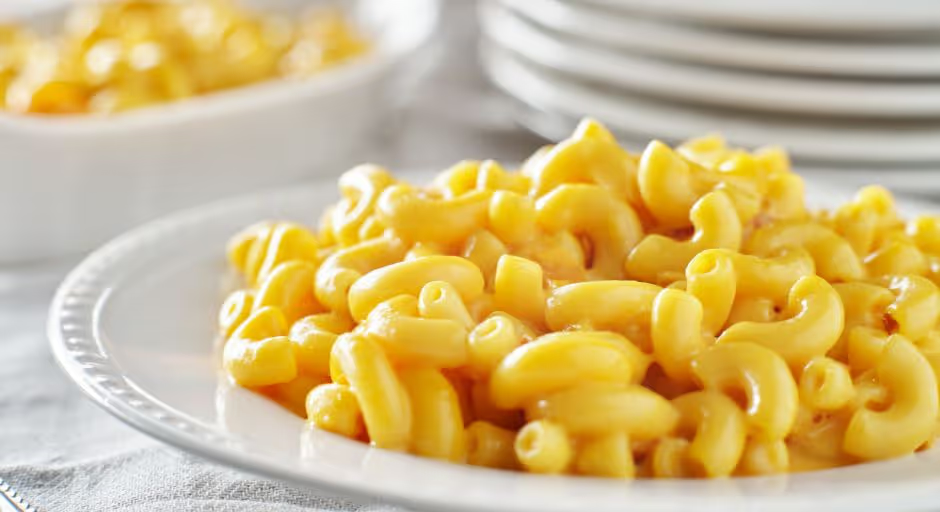
Lightened-Up Mac & Cheese
Instead of drowning pasta in heavy cream and butter, try:
- Protein pasta or whole grain pasta for extra fiber and satiety.
- Sauce base with Greek yogurt, low-fat milk, and sharp cheddar for creaminess with less fat.
- Add-ins like roasted broccoli or cauliflower to bulk up your bowl without a ton of extra calories.
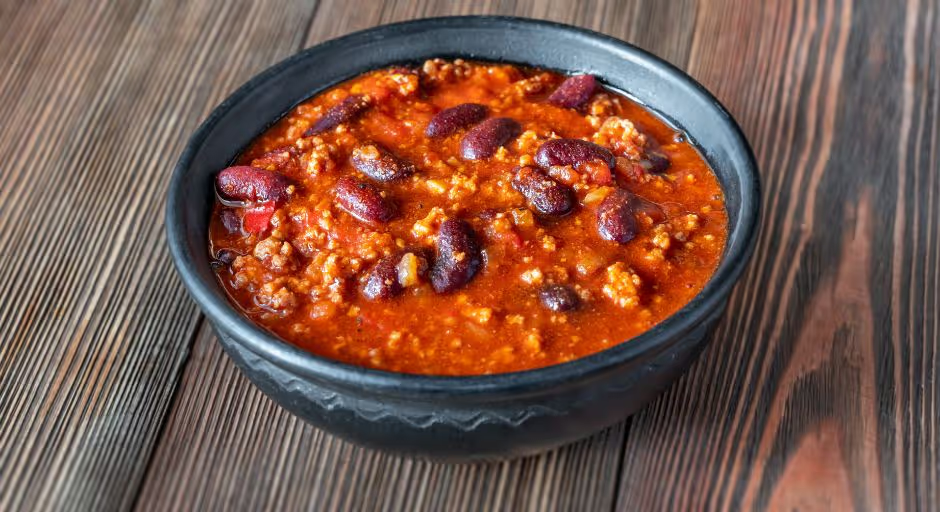
Hearty but Healthy Chili
Chili is naturally a comfort classic, but you can take it up a notch:
- Use lean ground turkey or chicken instead of beef to cut saturated fat.
- Pack it with beans, bell peppers, zucchini, or sweet potatoes for fiber and nutrients.
- Play with spices like chili powder, cumin, and paprika, which add flavor without calories.
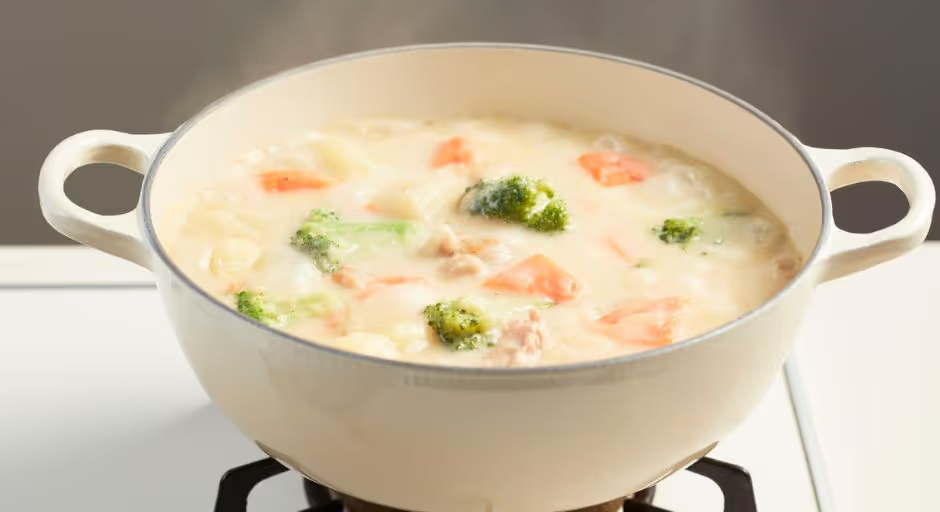
Creamy Soups Without the Cream
Cream-based soups are cozy, but all that dairy adds up quickly. Instead:
- Puree veggies like butternut squash, carrots, or cauliflower for a naturally velvety base.
- Use low-sodium broth to keep sodium in check.
- Top with roasted chickpeas or pumpkin seeds for crunch and plant-based protein.

Crispy “Fried” Foods
Craving something crunchy? Try:
- Air-fried chicken tenders or sweet potato fries for the crispy texture without the oil bath.
- Baked zucchini or eggplant fries coated in panko breadcrumbs for extra crunch.

Cozy Breakfasts
Comfort food isn’t just for dinner. You can warm up your mornings, too:
- Oatmeal baked with cinnamon, apples, and walnuts tastes like dessert but fuels you with fiber and protein.
- Egg muffin cups loaded with veggies and lean protein make mornings easier and satisfying.
The Role of Mindful Tracking
Comfort food is sneaky. A “just right” portion of mac and cheese might be perfect for your goals, but a heaping bowl could tip you way over without realizing it. That’s why pairing cozy meals with tracking is key.
In the Healthi app, you can:
- Create and log recipes to instantly see how each serving fits your day.
- Experiment with BITES plans to figure out which approach works best for your cravings and lifestyle.
- Scan barcodes for quick and accurate logging of store-bought ingredients.
- Use ready-made meal plans when you want structure and inspiration without the guesswork.
- Pull up the Restaurant Guide to stay on track even when dining out.
- Track your macros alongside BITES so you get a full picture of how your food choices fuel your body.
Tracking isn’t punishment, it’s clarity. It helps you enjoy your favorite foods in a way that actually works for your body, not against it.
Why This Works Long-Term
Anyone can cut out comfort foods for a week or two, but it usually backfires. Deprivation often leads to frustration, overeating, or quitting altogether. By finding lighter versions of your favorite cozy meals, you’re creating habits that last. You’re showing yourself that weight loss doesn’t mean giving up joy.
And if you want an extra layer of accountability? HealthiCare combines GLP-1 support with coaching, meal tracking, and a personalized plan so those cozy comfort meals fit into a bigger system that actually works.
The Bottom Line
Comfort food doesn’t need to be the villain in your weight loss story. With a little creativity, smart swaps, and the power of tracking, you can enjoy the cozy meals you love while staying aligned with your goals. It’s not about restriction; it’s about balance. So grab that steaming bowl of veggie-packed chili or lighter mac and cheese, curl up under your blanket, and savor every bite. Comfort is still on the menu, and this time, it’s working for you.

Lifestyle
Three Words That Can Change Everything
Choice. Chance. Change. Three words that hold the power to break old patterns, build confidence, and create lasting healthy habits. Learn how to let go of the past, step into courage, and embrace the changes that lead to real success.
Hi, Coach Jeri here! Weight loss is not just about willpower. There are so many factors that play into long-term success. But one thing is certain: we must make a Choice, and take a Chance, or life will never Change. Those three words can make a real difference—Choice, Chance, Change.

The Power of Choice
By making the choice to prioritize your health and well-being, you allow yourself the chance to buy healthy food, incorporate exercise, log into a meeting, or share in the community. It’s in these small moments of courage that growth begins to happen, and then the changes come naturally. Before you know it, you’ll start to evolve into the person you want to be.
Change—especially the change of lifelong habits—is a slow process. Change grows out of the mindset that you are making a clear choice to live a healthier life. Patterns are often the culprits in our journey. Have you noticed patterns where food was used to satisfy an emotional need rather than a physical one? Once you’re aware of this, you can begin to modify it one step at a time by making the choice to try and change.
Learning to tell yourself you won’t be bound by what you used to do is a big step. I often hear members say, “That is what worked the last time.” But you have to let go of the past. This is a new time. We start fresh and don’t look back.
Once we make the choice to move forward, several things will happen:
- We feel empowered—the freedom to choose the right plan that fits our lifestyle.
- We gain confidence in personalizing life to what we know will work best for us. No one knows your body and history as well as you do.
- Self-efficacy grows, helping to increase your belief that you can achieve your goals. Belief in yourself is very powerful.
- We learn to pay attention to the mindful moments in our lives.
Taking a Chance
Once you’ve made the choice to move forward with a healthier lifestyle, where can you take a chance to focus on the change you hope to achieve?
This part can be harder, because it requires action—physical action, like increasing exercise or meal prep, as well as dealing with the emotional issues that may have blocked success in the past. Take a chance on new recipes or foods you’ve never tried before.
By taking a chance:
- You learn to deal with external factors. There will always be things beyond your control. What is predictable is preventable, and knowledge is power. You don’t have to run to the donuts every time someone is sick. Take that chance to respond in a different way.
- You build growth, resilience, and adaptability. You begin to navigate situations without overeating and stay on track.
- You start to believe in your choices. Risks take courage, and it is only with those risks that confidence rises.
Making a Change
Change happens organically and naturally over time. You start to evolve into the person you want to be. The power to decide the course of your future is incredibly empowering.
The real challenge is changing the way you feel about yourself so you can make the changes that lead to long-term success.
Along the way, you’ll learn to:
- Avoid making excuses when you go off track—just keep going forward and learn.
- See that shifts in habits become possible when mindset and lifestyle are the focus instead of food restrictions.
- Listen to your own voice, not the opinions of others.
- Embrace changes that build confidence and keep you moving forward.
Final Thoughts
Three simple words—Choice, Chance, Change—can help guide your journey. Along with tracking, keep a daily journal to jot down the choices you want to make, the chances you’re willing to take, and the changes you’re starting to see.
Stepping outside your comfort zone can be liberating in so many ways. Make the choice today to take that chance, and watch as your efforts transform into lasting change in your life!
Nutrition
September Superfoods That Support Weight Loss and Energy
September’s superfoods bring the best of both worlds: flavor and function. From crisp apples to roasted Brussels sprouts and cozy sweet potatoes, these seasonal favorites fuel your energy, support your weight loss goals, and keep every meal feeling fresh and satisfying.
September is that sweet spot where summer produce is still hanging around, but fall flavors start to sneak in. And if you’re looking to give yourself that boost of energy you know you need, while keeping your weight loss goals on track, then these nutrient-packed seasonal foods are for you. Think of it as a chance to freshen up your meals and give your body exactly what it needs for the busy fall months ahead.
September Superfoods That Support Weight Loss
So, what should you be filling your cart with this month? Let’s break down some of the best September superfoods that taste amazing, fuel your body, and make healthy eating feel anything but boring.
- Apples: Crunchy, Sweet, and Full of Fiber
- An apple a day really does keep you satisfied. Apples are high in fiber, which helps keep hunger at bay, and they’re naturally sweet without adding refined sugar to your diet. Slice them into oatmeal, pair with nut butter, or keep one in your bag for an easy on-the-go snack.
- Pumpkin: Not Just for Lattes
- Pumpkin is rich in vitamin A, potassium, and fiber, all while being low in calories. Roasted pumpkin cubes make a great side dish, or you can stir pumpkin purée into smoothies, soups, or even chili for a cozy fall twist. It’s comfort food with benefits.
- Brussels Sprouts: The Tiny Powerhouses
- Brussels sprouts get a bad rap, but when roasted until crispy, they’re downright delicious. They’re loaded with vitamins C and K and provide fiber to support digestion. Toss them with olive oil, balsamic, and a sprinkle of parmesan for a side dish that feels indulgent but fuels your goals.
- Pears: Juicy and Satisfying
- Like apples, pears are full of fiber and add a refreshing sweetness to your meals. They pair beautifully with salads, cheese boards, or just on their own. That natural sweetness helps curb cravings without derailing progress.
- Sweet Potatoes: The Energizer
- Packed with complex carbs, sweet potatoes deliver long-lasting energy without the crash. They’re also rich in beta-carotene and fiber. Roast them into wedges, mash them, or toss cubes into salads to make meals feel heartier and more filling.
- Beets: The Hidden Gem
- Beets are often overlooked, but they’re an energy-boosting superfood. Nitrates in beets can help improve blood flow and stamina, making them great for workouts. Roast them, slice them thin into salads, or blend them into a smoothie for a vibrant kick.
Why Pairing These Superfoods with Tracking Works Best
Filling your plate with these superfoods is powerful, but the real magic happens when you actually see how they work for you. That’s where tracking makes all the difference. The Healthi app helps you take the guesswork out of eating by showing you how these nutrient-packed foods fit into your day. When you log your meals, choose a BITES plan, or scan a barcode at the store, you’re not just “checking a box.” You’re building awareness.
And awareness is everything. It’s how you notice that the apple you had with lunch gave you steady energy through the afternoon, or how swapping in salmon on a busy night left you feeling satisfied instead of sluggish. Tracking connects the dots between what you eat, how your body responds, and the progress you’re making. Over time, those little insights add up, making it easier to spot patterns, celebrate wins, and fine-tune your choices.
That’s why pairing superfoods with tracking isn’t just smart—it’s the kind of simple, sustainable combo that helps your results stick.
Extra Support with HealthiCare
If you’re also exploring GLP-1 medication, pairing it with the right foods and tracking system can be a game-changer. That’s exactly what HealthiCare delivers: medication, coaching, a personalized GLP-1 weight loss plan, and built-in support through the Healthi app. It’s everything you need to fuel your body, boost your energy, and feel confident you’re on the right path without any hidden fees or confusing contracts.
What You Get with HealthiCare:
- GLP-1 Prescription & Monthly Medication Delivery
- Convenient mail-order delivery of your medication
- Personalized Care Plan
- Based on your medical history and goals
- Daily Tracking & Tools with the Healthi App
- Log your meals, monitor BITES, track your weight, and set custom goals—all in one place.
- Members on GLP-1s also get access to Healthi Fresh, a personalized HealthiCare plan designed specifically to support appetite shifts, protein needs, and sustainable weight loss with GLP-1 medications.
- Group Coaching & Live Meetings
- Learn, grow, and stay motivated with Healthi coaches and community
- Exclusive Resources
- Meal plans, habit hacks, restaurant guides, and protein-packed recipes
How to Get Started:
1. Fill out the simple, yet detailed online intake form
2. A licensed provider will review your information
3. If approved, your prescription will be filled and shipped
4. In some states, a brief telehealth consult may be required due to regulations
Pricing & Coverage:
Personalized Semaglutide: $299/month (oral options available)
Personalized Tirzepatide: $399/month (oral option available)
Branded Medication: Starting at $1299/month
- Transparent monthly pricing includes:
- Medication
- Provider review
- Shipping
- Support & coaching through our HealthiCare Member Meeting Group
- Healthi Fresh weight loss plan
- HSA/FSA cards accepted
- No insurance required
Important Notes:
- Eligibility depends on health history and BMI
- Not available in all states (see application for details)
- All medical data is securely stored and HIPAA-compliant
- If you’re not approved, you won’t be charged
Why It Works:
HealthiCare is more than a prescription—it’s a structured support system designed to make weight loss sustainable. With medication, expert guidance, and a vibrant community, Healthi makes healthy living simpler, smarter, and more effective.
The Bottom Line
September’s superfoods aren’t just delicious; they’re natural tools for keeping your energy high and your weight loss goals steady. When you pair them with consistent tracking in the Healthi app, you start to see how those small choices really move the needle. And if you’re looking for even more guidance, HealthiCare is there with expert coaching, personalized plans, and GLP-1 support to help you feel your best inside and out.
This season is all about cozy, nourishing foods that fuel your body and keep your goals on track. So why not make it work for you? After all, the best kind of progress is the kind that feels good along the way.

GLP-1
Feeling Like Yourself Again: Emotional Wins on GLP-1
GLP-1s aren’t just about dropping the weight; they’re about getting little pieces of yourself back. Maybe it’s the confidence you thought you lost, or finally feeling calm around food instead of constantly battling cravings. These emotional wins are what make the journey so powerful.
When people talk about GLP-1s, the conversation almost always centers on numbers. Pounds lost. Inches down. Blood sugar stabilized. And yes, those physical changes matter. But what often gets overlooked are the emotional wins (the little moments where you finally start to feel like yourself again). And honestly, those can be just as life-changing.

The Confidence Boost
Think about it: when you’re not constantly battling cravings or feeling out of control around food, you begin to feel a sense of relief. It’s like a mental weight being lifted, not just a physical one. Suddenly, you feel more in charge of your choices instead of food calling all the shots. That confidence spills over into other areas of life, too—whether it’s saying “yes” to social plans without worrying about the menu or finally dusting off those jeans you shoved to the back of the closet.
The Energy Shift
Here’s a big one: energy. When your body isn’t stuck in a cycle of highs and crashes from overeating or blood sugar swings, you start noticing you’re less drained. Tasks that used to feel overwhelming, like meal prepping, walking after dinner, or even just tackling that pile of laundry, don’t feel quite as heavy. It’s not like you’ll turn into the Energizer Bunny overnight, but it's more about having enough stamina to enjoy the parts of life you might’ve been too exhausted for before.
The Mental Clarity
Another emotional win? Brain space. Food noise is a real thing, and it can take up way more room in your head than most people realize. When that noise quiets down, there’s suddenly space for other things you didn’t even know you had pushed back. Whether it’s focusing at work, being present with family, or simply enjoying a hobby without being distracted by the next snack.
The Joy of Feeling Like You Again
At the end of the day, GLP-1s aren’t just about losing weight. They’re about helping you reconnect with yourself. Think about the version of you that feels more grounded, more confident, and more capable. The thought of that brings true joy. And while the scale might show progress, the real victory is often in those emotional wins that make everyday life feel a little lighter and a lot more like you.
Why Support Matters Just as Much as Medication
Here’s the thing, though: while GLP-1s are a powerful tool, they’re not magic on their own. The emotional wins stick around when you’ve got the right structure to back them up. That’s where HealthiCare comes in.
With HealthiCare, you’re not just getting GLP-1 medication; you’re getting a full support system that helps turn those quick wins into lifelong changes. You’ll have access to expert coaching to keep you motivated, a personalized weight loss plan built just for HealthiCare members, and free access to the Healthi app, where you can track your meals, log your progress, and see how far you’ve come.
It’s like having your own cheer squad, nutritionist, and habit-tracker in your pocket—all working together with the medication to help you feel your best, inside and out.
Because the truth is, losing weight isn’t just about fitting into smaller pants. It’s about waking up with more energy, going to bed with less stress, and living each day as the best version of you. And with the powerful combo of GLP-1 + HealthiCare, those emotional wins don’t just show up… they last.
The Takeaway
At the end of the day, weight loss is not just a numbers game. It is about how you feel living in your own skin. GLP-1s can help quiet the noise, boost your confidence, and give you back the energy to enjoy life the way you want to.
And with HealthiCare by your side, those wins do not fade when the scale stops moving. You will have the medication, the coaching, the tracking, and the community to make the good days stick and the hard days easier. This journey is not about becoming someone new. It is about finally feeling like yourself again and staying there.

Lifestyle
Metabolism and Women: The Hidden Changes Every Woman Should Know
Your metabolism isn’t “broken,” it’s just changing. Every stage of life brings changes, and understanding them is the first step to working with your body instead of against it. Ready to learn what’s really going on?
Have you ever felt like your body is playing by a new set of rules? Maybe the healthy routine that worked for you in your 20s suddenly doesn’t move the needle in your 40s. You’re not imagining it. For women, metabolism changes over time, and knowing what’s happening behind the scenes makes it a whole lot easier to adapt and feel in control.

What Metabolism Really Is (and Why It Matters)
When people talk about metabolism, it can sound like some mysterious switch that either works for you or against you. But in reality, metabolism is simply the process your body uses to turn food into energy. Every breath, every heartbeat, every step you take depends on it. Think of it like your body’s engine—it burns fuel (calories) to keep you running, even when you’re sleeping.
What makes that engine hum smoothly? A few key factors:
- Muscle mass: Muscle burns more calories than fat, even at rest. The more muscle you have, the higher your calorie burn.
- Hormones: Estrogen, thyroid hormones, and insulin all influence how efficiently your body uses energy and stores fat.
- Age: Like a car that’s been on the road for a while, your metabolism naturally slows down as you get older unless you give it some extra care.
- Lifestyle habits: Sleep, stress, nutrition, and movement all send signals that can either rev up or slow down your metabolic engine.
Here’s the best part: while you can’t control everything, you can support your metabolism with choices that help it run at its best. Simple choices like adding strength training, loading up on protein, and tracking your habits can make a big difference. That way, you’re not guessing, you actually see what’s working for your body.
How Metabolism Shifts Through the Years
In your 20s and early 30s:
This is often the “cruise control” stage. Your metabolism is still running strong, muscle mass is easier to hold onto, and your body bounces back more quickly from late nights or skipped workouts. If you’re building solid habits here, you’re setting yourself up for success later on.
Mid-30s to 40s:
This is when the pace starts to change. Muscle mass naturally declines as you age, and suddenly, the same meals or workouts don’t feel like they work as well as they used to. Many women notice weight settling more around the midsection. It’s not that you’re doing anything wrong; your body is simply shifting, and it’s time to shift with it.
Perimenopause and menopause:
Hormones like estrogen take a step back, which can affect how your body stores fat, how your appetite works, and even how much energy you have. While these changes can feel frustrating, they’re also a signal to focus on strength training, balanced meals, and daily habits that support how you want to feel in this stage of life.
What Helps Support a Healthy Metabolism?
Build and protect muscle
Strength training is your best ally. Lifting weights, doing bodyweight workouts, or even using resistance bands can help keep your metabolism going, all while making you stronger and protecting your bones.
Prioritize protein
Protein helps preserve muscle, keeps you full, and balances blood sugar so you’re not stuck in a cycle of energy crashes and cravings. A little extra at each meal goes a long way.
Get consistent rest
Poor sleep and high stress throw hormones out of balance, which can make it harder to manage weight. Quality sleep is one of the most underrated tools for a healthy metabolism.
Track what matters
Awareness makes the difference. Tracking meals and activity in the Healthi app helps you see what’s working, spot patterns, and make adjustments before you feel stuck. The BITES system, meal planning, and barcode scanning make it simple (not stressful) to build habits that last.
How HealthiCare Fits In
Metabolism shifts are normal, but you don’t have to navigate them on your own. HealthiCare brings together GLP-1 medication with a full support system: expert coaching, an exclusive weight loss plan built for members, meal planning, treatment guides, and food tracking in the Healthi app. It’s everything you need to feel supported in one clear, affordable package.
The Takeaway
Yes, your metabolism changes. But that doesn’t mean lasting weight loss or better health is out of reach. By focusing on strength, protein, sleep, and mindful tracking, you can work with your body instead of against it. And with HealthiCare, you’ll have the structure, coaching, and tools to make those changes feel doable in real life. Because your health isn’t just about adjusting to change. It’s about thriving through it.
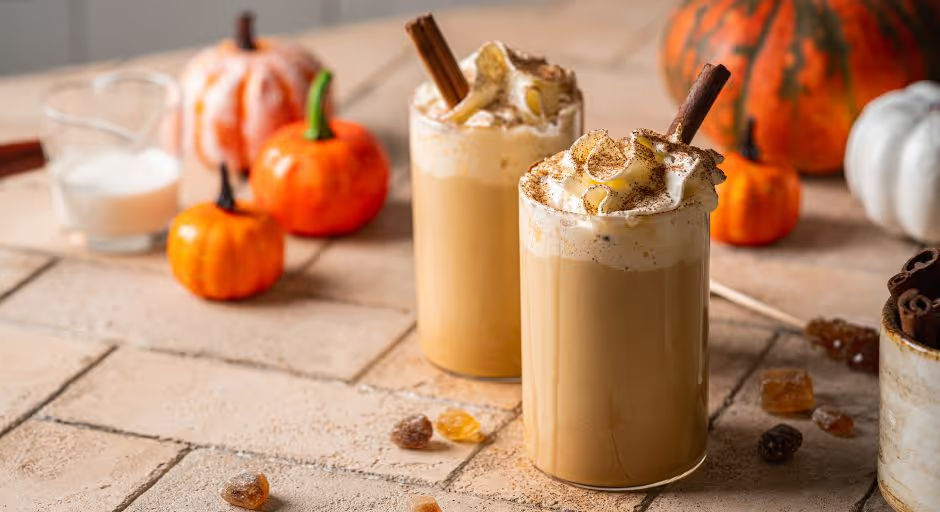
Nutrition
5 Ways to Get Your Pumpkin Spice Fix
Pumpkin spice season is here, and you can enjoy it without stressing about your goals. Whether you make a latte at home, add a protein-packed twist, or treat yourself at your favorite coffee shop, there are plenty of ways to sip and snack on the flavor of fall while staying on track.
Children are starting to go back to school, which marks the end of the summer season for most people. As individuals and retailers look toward the fall season, a crowd favorite returns: Pumpkin Spice. If you, like me, are a fan, you may worry about how indulging in your favorite fall beverage will fit into your plan. But don’t worry! There are still ways to get your pumpkin spice fix without crashing your weight loss.
How to Get Your Pumpkin Spice Fix (the Healthi Way)
1.) Make a PSL at home
Making your own Pumpkin Spice Latte at home is super easy with the right ingredients and tools. A hot latte is generally made up of frothed milk and shots of espresso. If you have an espresso maker at home, you’re ready to go, since many come with a way to froth milk too. If you don’t, you can substitute some really strong coffee or even instant espresso powder for the caffeine portion. For the frothed milk, you can buy a $20 frother at most retailers that will whip your milk into shape. Then add your flavor syrup of choice and you’re good to go!
My favorite way to make a pumpkin spice latte at home is to add some Torani Pumpkin Spice syrup (available at Walmart or online) to my cup and then brew a Nespresso Scuro pod on top of it. Lastly, I heat up 2% milk for 45 seconds in the microwave before frothing it and topping my coffee.
Some milk froths better than others. If you’re a fan of oat milk in your coffee, look for barista-style oat milk to froth it more easily. If you make an iced version, you can skip the frothing altogether and just add your syrup, espresso, and milk over ice.
2.) Grab a Pumpkin Spice protein shake to add to your coffee shop order
If you’re unable or unwilling to make espresso at home, you can also grab two to three shots of espresso at your favorite coffee house and add it to a pumpkin spice protein shake, like the one from Premier Protein. This is especially easy if you’re on the go and want to add a little extra protein to your drink. You can do this iced or warm (though your shake may cool down the espresso, since you can’t usually heat it up).
The Premier Protein shake will add 160 calories to your day but also give you 30g of protein, making it a great afternoon pick-me-up. Having this kind of pumpkin spice addition can help you reach your protein goals and stay full longer, making it a great option.
3.) Sweeten up your coffee with pumpkin spice cold foam at home
Starbucks’ Pumpkin Cream Cold Brew is a drink many lovers of smoother, cold coffee enjoy. If you prefer your drinks cold with a hint of pumpkin spice, making this drink at home may be for you. It consists of two layers: the cold brew coffee and the pumpkin spice cold foam. Cold brew coffee can be purchased ready-made or made at home with coarsely ground coffee steeped in cold water overnight.
The cold foam is generally made by mixing heavy whipping cream, milk, and your pumpkin spice syrup, then frothing it. To save calories, you can also use half-and-half and milk.
To assemble, pour your cold brew coffee over ice and then top with your pumpkin spice cold foam. Enjoy!
4.) Order a lightened-up version in a pinch
The best way to order a drink at your favorite spot is online so you can see exactly what’s in it—no more guessing whether extra sugar is added.
Some other ways to lighten up your drinks are to swap full-fat milk for nonfat or nondairy milk, and to skip the whipped cream and toppings. If you don’t like your drinks as sweet, you can also reduce the amount of flavored syrup and sauce in your drink or substitute some of it with sugar-free vanilla or another sweetener to keep the flavor while saving calories.
Overall, remember to enjoy your drink if you decide to splurge at your favorite coffee shop. You can fit any favorite into your day if you plan accordingly.
5.) Bonus: A sweet pumpkin spice treat
I’m usually not a big fan of pumpkin spice-flavored foods, but I love the yogurt-covered pretzels from Aldi in pumpkin spice flavor. So if you enjoy a good pumpkin spice treat and have an Aldi near you, give them a try!
There are many ways to include pumpkin spice in your day. Whether you want to incorporate it into your daily coffee at home or just splurge every once in a while, celebrate the season any way you want. (And don't forget to track it in the Healthi app!) You are in charge of your journey, so enjoy it!
Weight Loss Tips
Breaking the Cycle: How to Stop Losing and Regaining the Same 20 Pounds
Tired of losing the same 20 pounds over and over again? You’re not alone, and you’re not stuck. 🚫 The cycle ends when you shift from short-term fixes to lasting habits. In this article, we break down why yo-yo dieting happens, and how tools like Healthi tracking and support can finally help you lose the weight for good.
Ever feel like you’re stuck in your own version of Groundhog Day with your weight? Lose 20 pounds, gain it back, repeat? You’re definitely not alone. Yo-yo dieting is more common than most people realize, and it can feel like it’s just part of the process. But here’s the truth: it doesn’t have to be. With the right mindset, the right tools, and the right support, you can break the cycle for good and start building progress that actually lasts.
Why the Cycle Happens
So why does it feel like the weight keeps coming back, no matter how hard you try? There are a few common reasons people get stuck in that lose-gain loop:
- All-or-nothing thinking: Strict diets often lead to fast results… but also fast burnout.
- Unrealistic restrictions: Cutting out entire food groups or over-exercising sets you up for rebound eating.
- Lack of sustainable habits: Temporary fixes don’t translate into long-term routines.
- Skipping tracking: Without awareness, old patterns creep back in before you realize it.
Shifting the Focus to Habits, Not Just Numbers
The real secret to breaking the cycle? Stop treating weight loss like a sprint, and shift from short-term weight loss to long-term habit building. Instead of racing to the finish line, think of your wellness journey like building a sturdy foundation brick by brick. Small, consistent actions like balancing your meals, staying hydrated, and moving your body daily may not feel flashy, but they’re what create permanent change.
Why Tracking Changes Everything
Tracking isn’t just about calories or BITES; it’s about awareness. When you track in the Healthi app, you start to see patterns like:
- Which foods keep you fuller longer
- Where sneaky calories or portions add up
- How your mood, stress, or sleep affects your eating choices
This awareness is like flipping on the lights in a dark room—you finally see what’s really going on, and that makes it so much easier to course-correct before things get off track. When you pair that awareness with simple tools like Healthi’s BITES plans, easy meal planning, and even barcode scanning right in the app, staying consistent suddenly feels doable, not restrictive.
Building a Flexible System
The beauty of breaking the cycle is that you don’t need perfection. You need flexibility. Instead of “I blew my diet, I’ll start Monday,” it becomes “I went off plan at lunch, but I can still make a great choice at dinner.” That simple mindset shift keeps momentum going, and tracking gives you the receipts to prove your progress.
The Healthi Advantage
This is where Healthi shines. Unlike crash diets or one-size-fits-all programs, Healthi gives you:
- Tracking made simple with multiple weight loss plans using BITES to fit your lifestyle
- Meal planning and food guides to reduce decision fatigue
- Community support so you never feel alone in the process
- Built-in flexibility to handle real life (vacations, holidays, and “oops” moments included)

Breaking Free For Good
The truth is, breaking the cycle isn’t about finding the “perfect” diet; it’s about finding a system that’s sustainable, supportive, and flexible enough to live with. By tracking with Healthi, building habits brick by brick, and letting go of all-or-nothing rules, you finally put an end to that 20-pound merry-go-round.
Because you don’t just deserve to lose the weight, you deserve to keep it off while actually enjoying your life along the way.
Recents Posts
Browse by Category:
Nutrition
See all

GLP-1
See all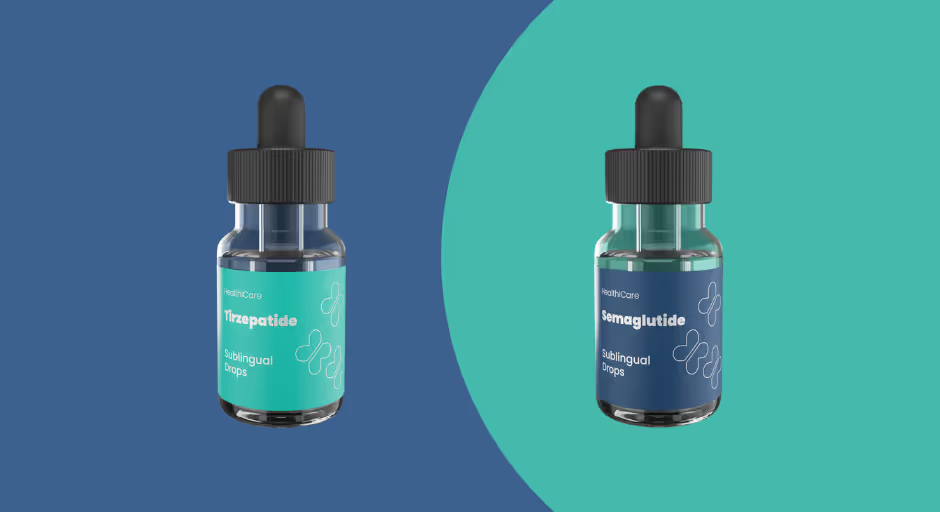








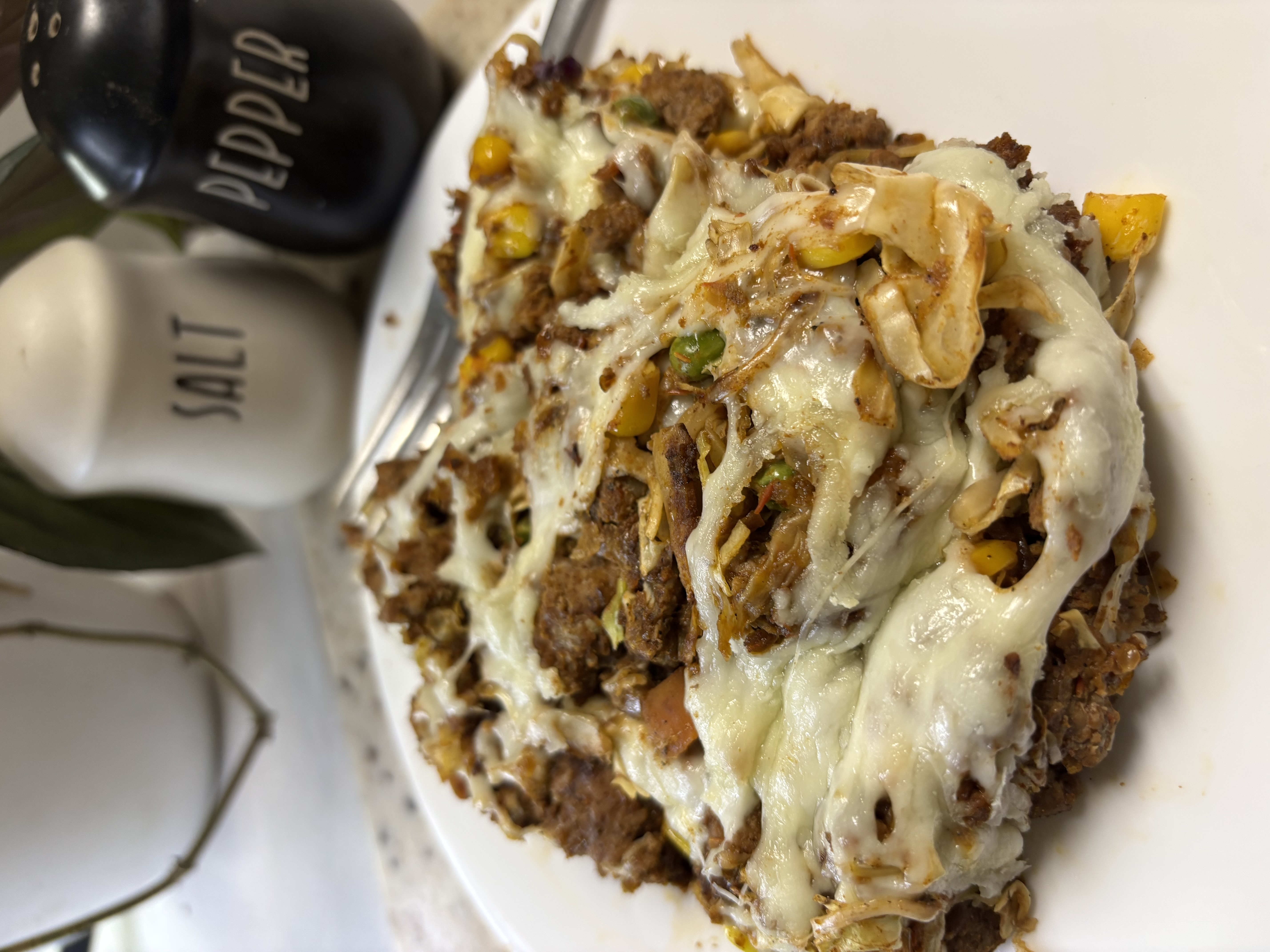




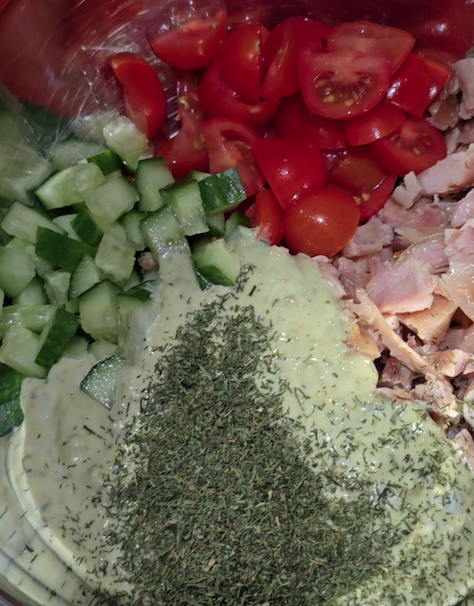
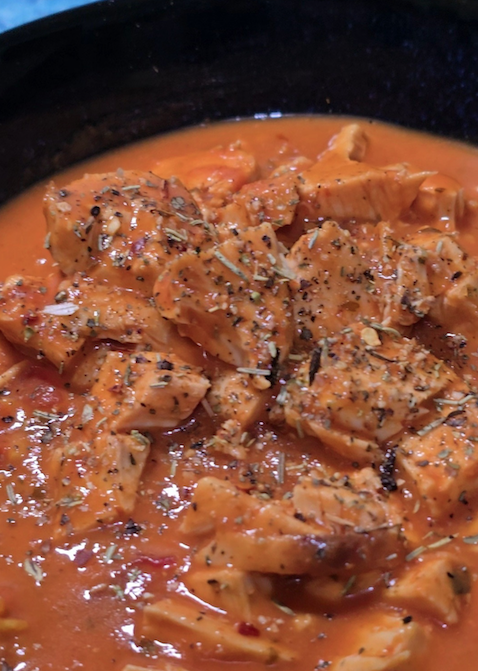

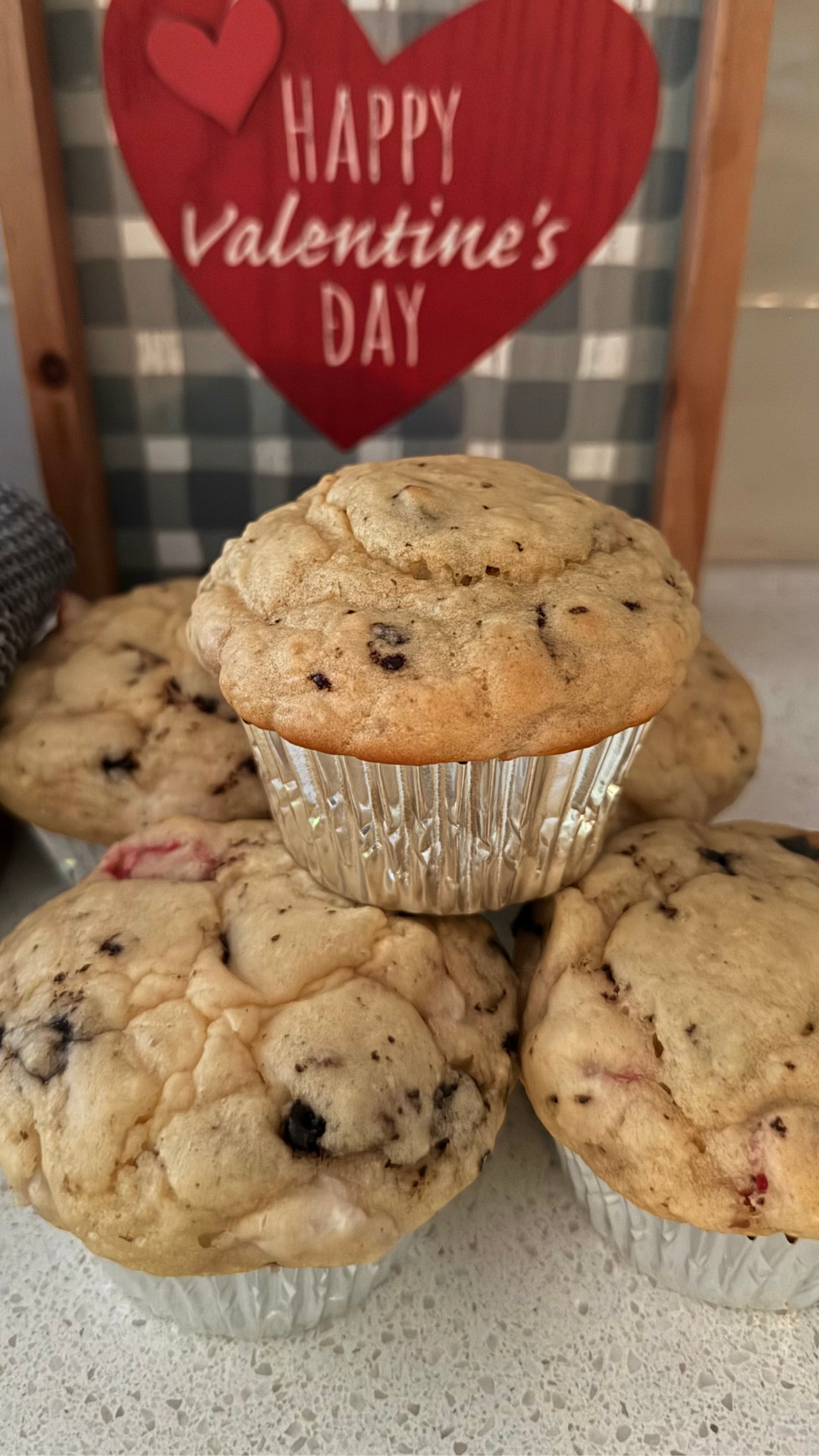


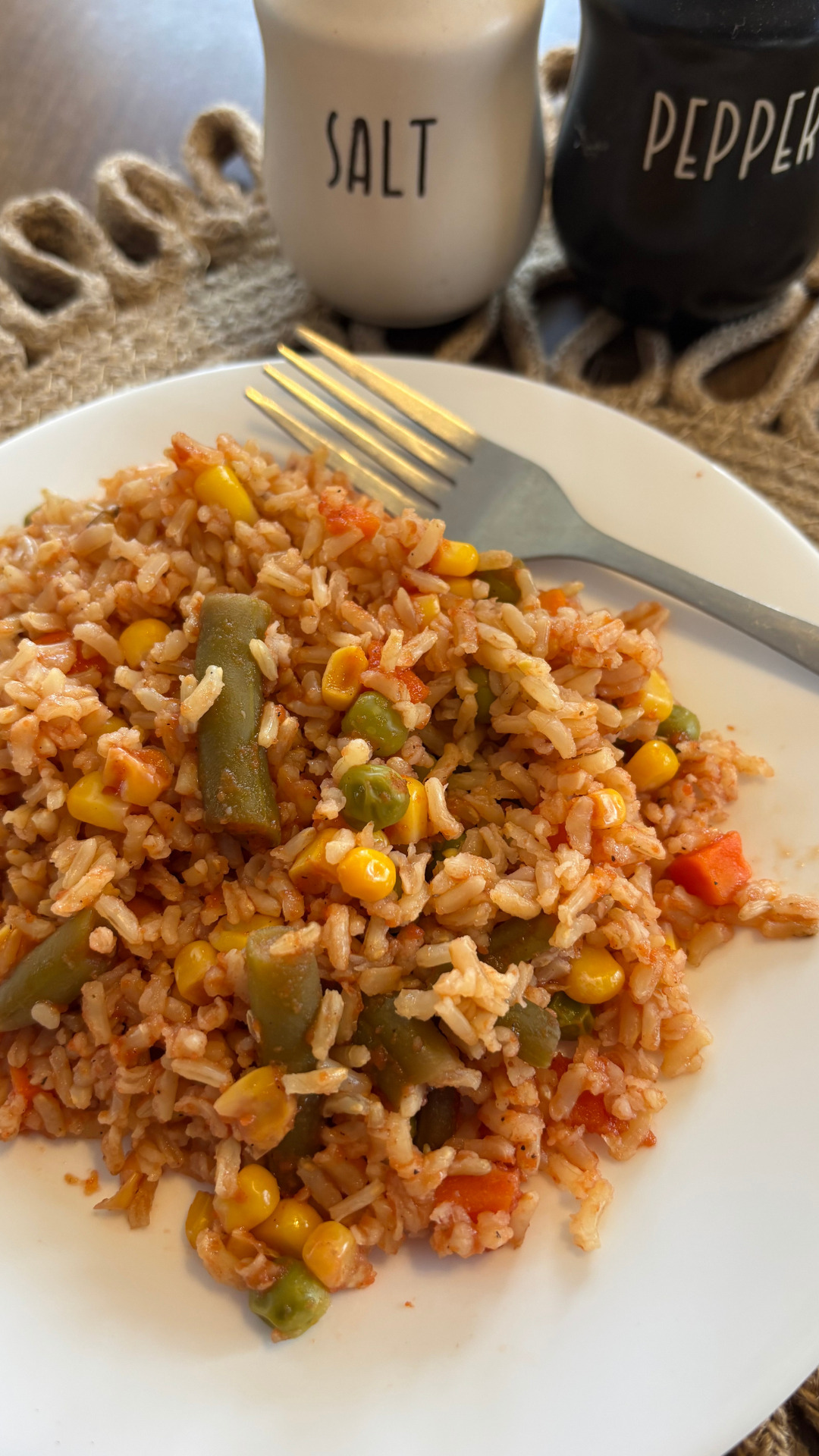
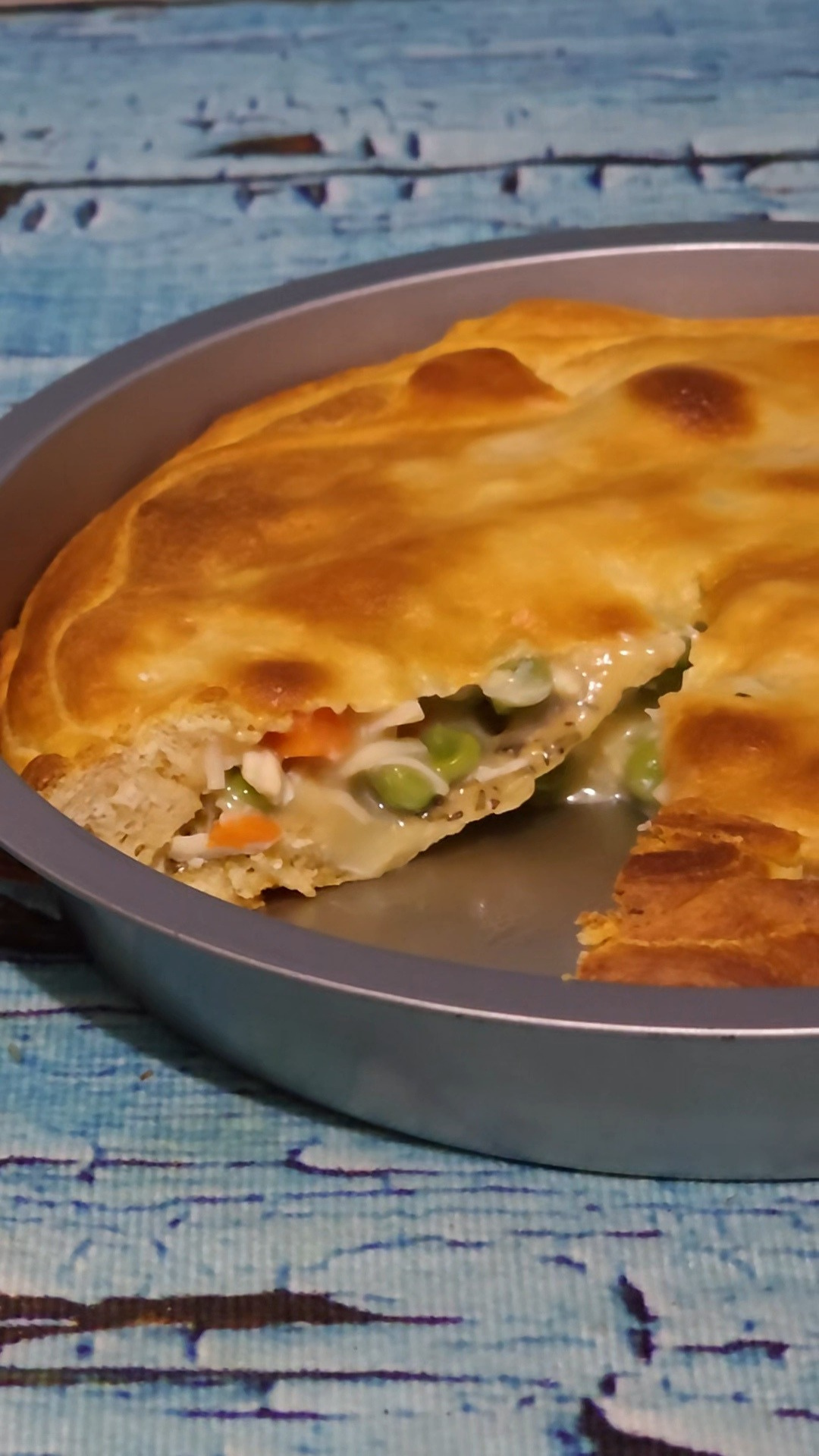
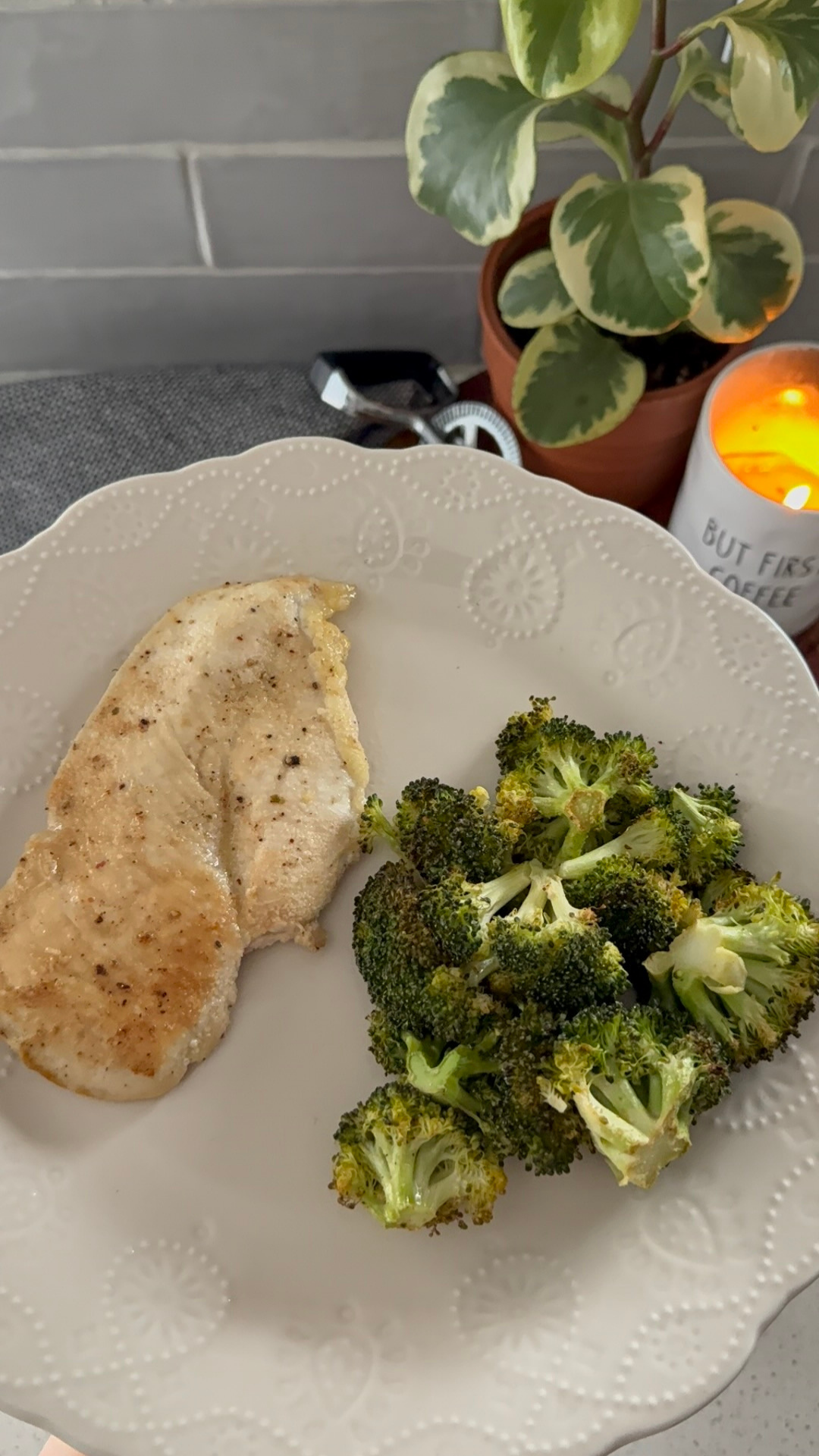
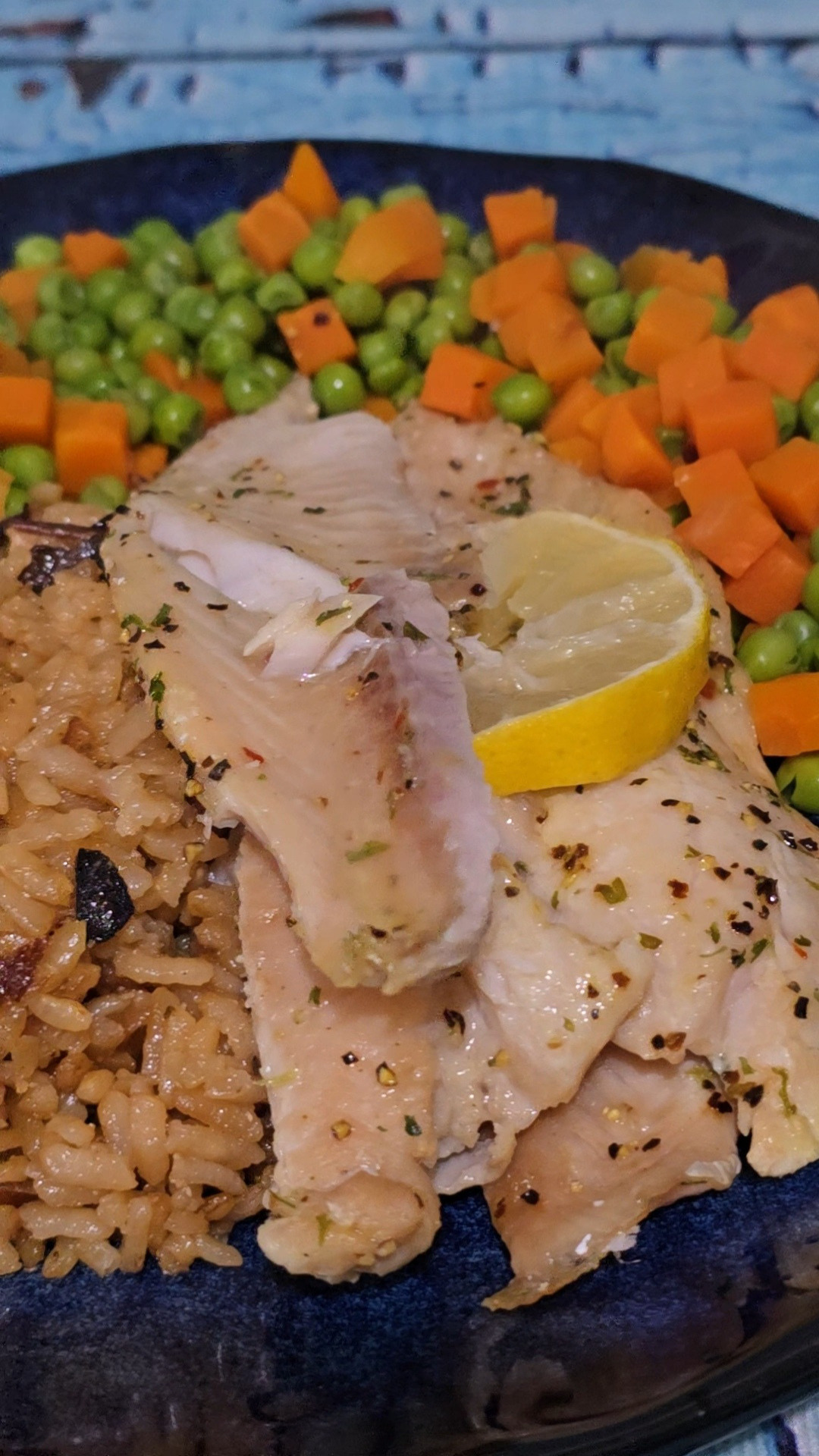
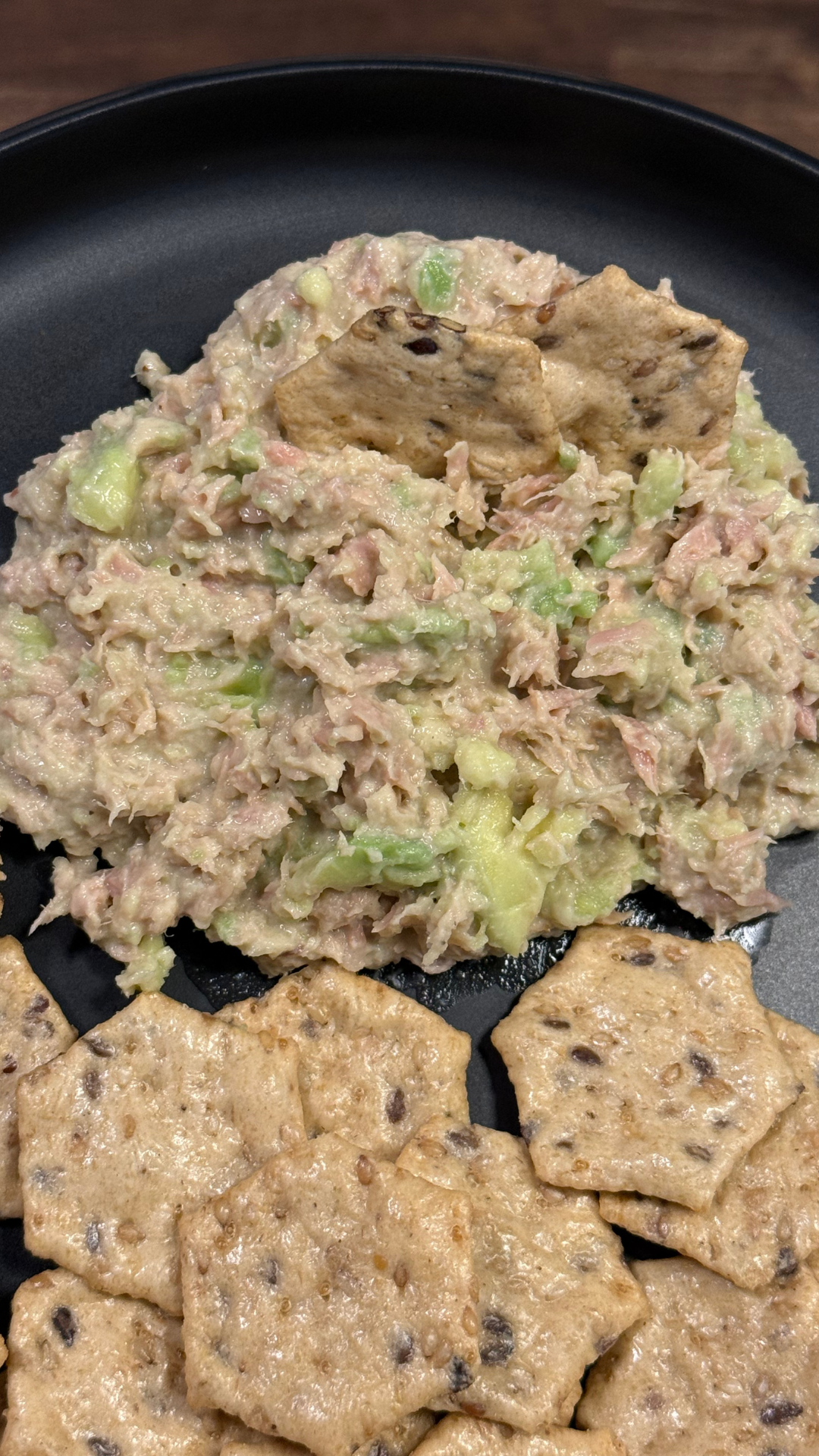
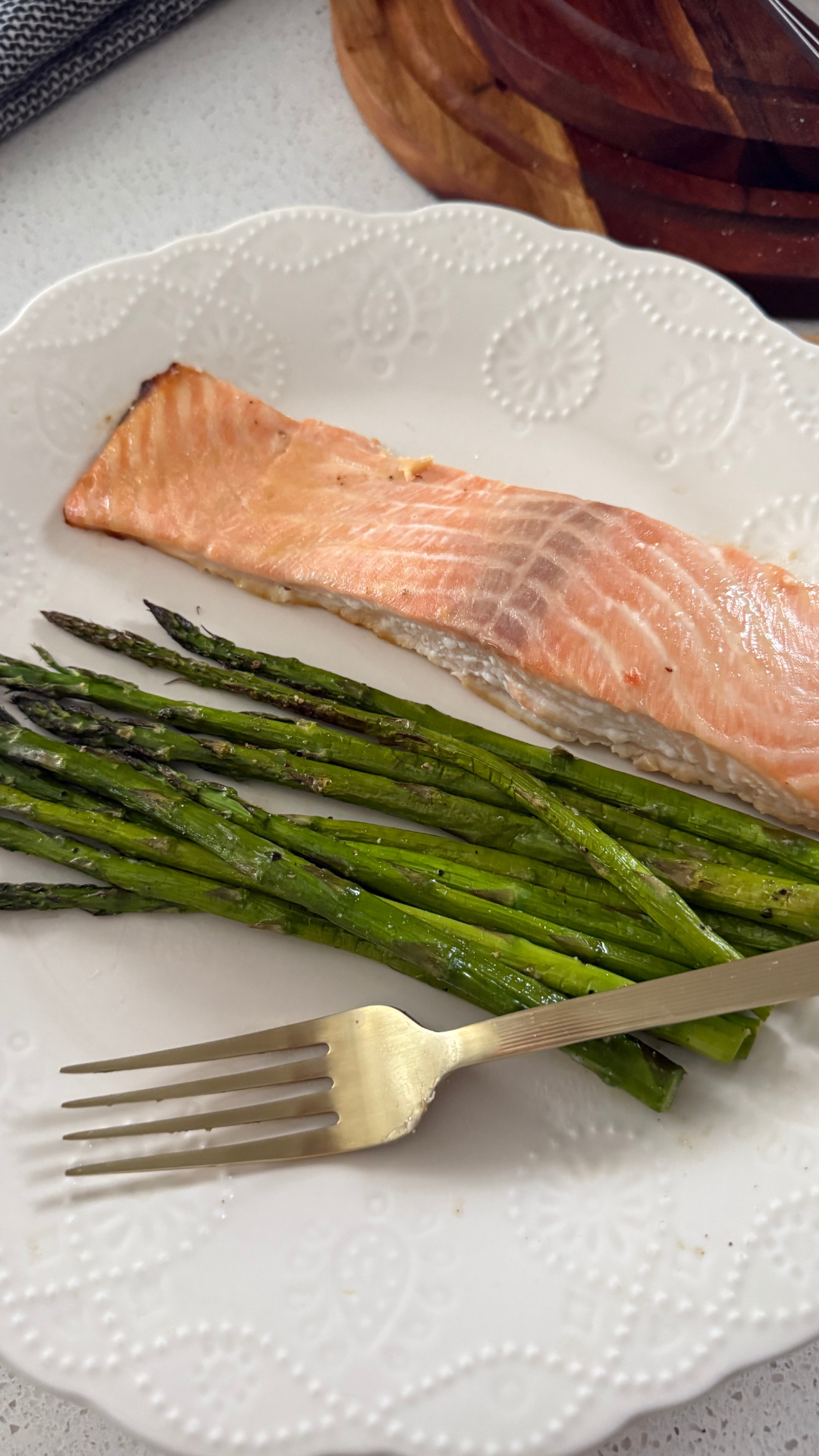
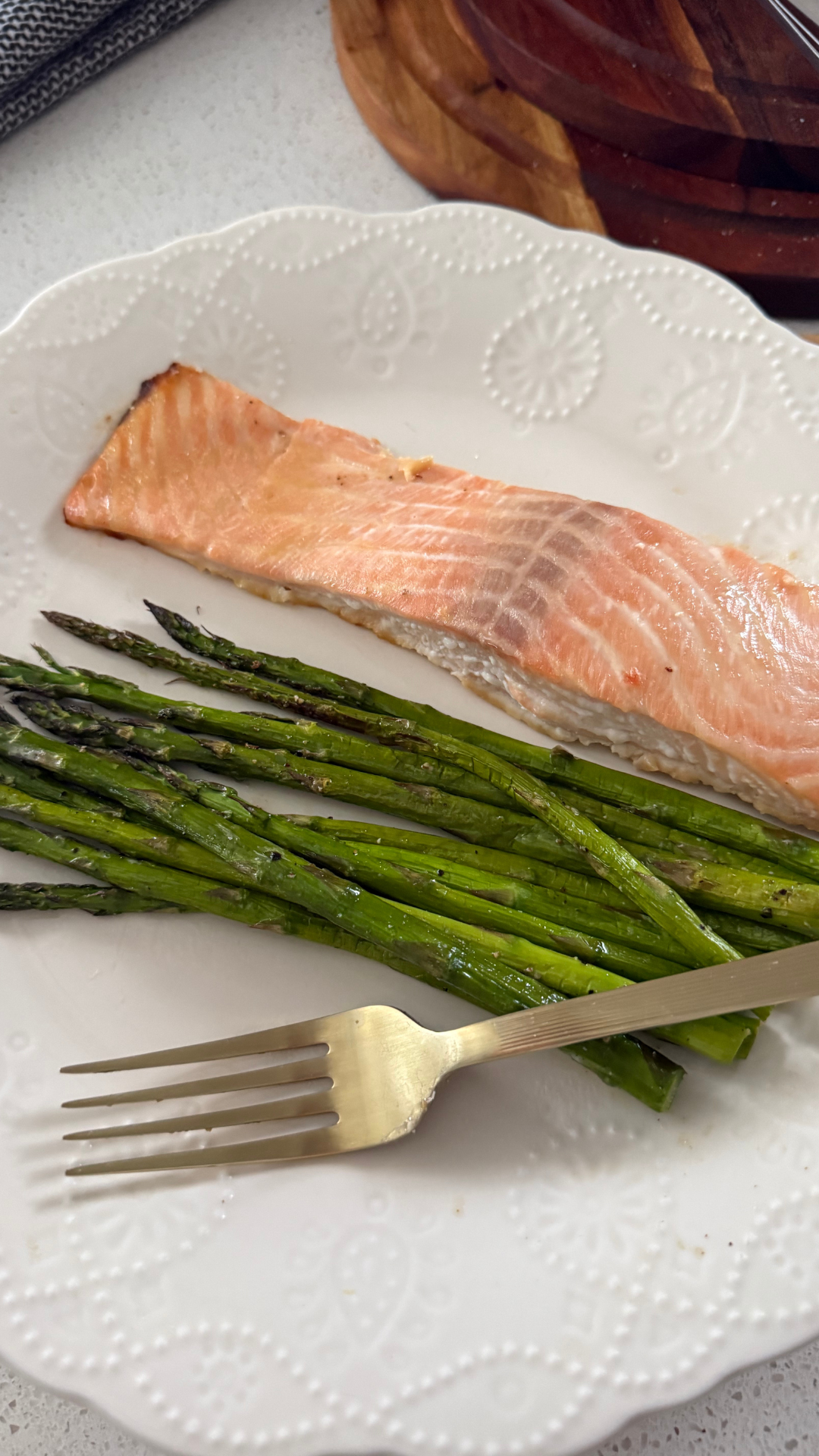
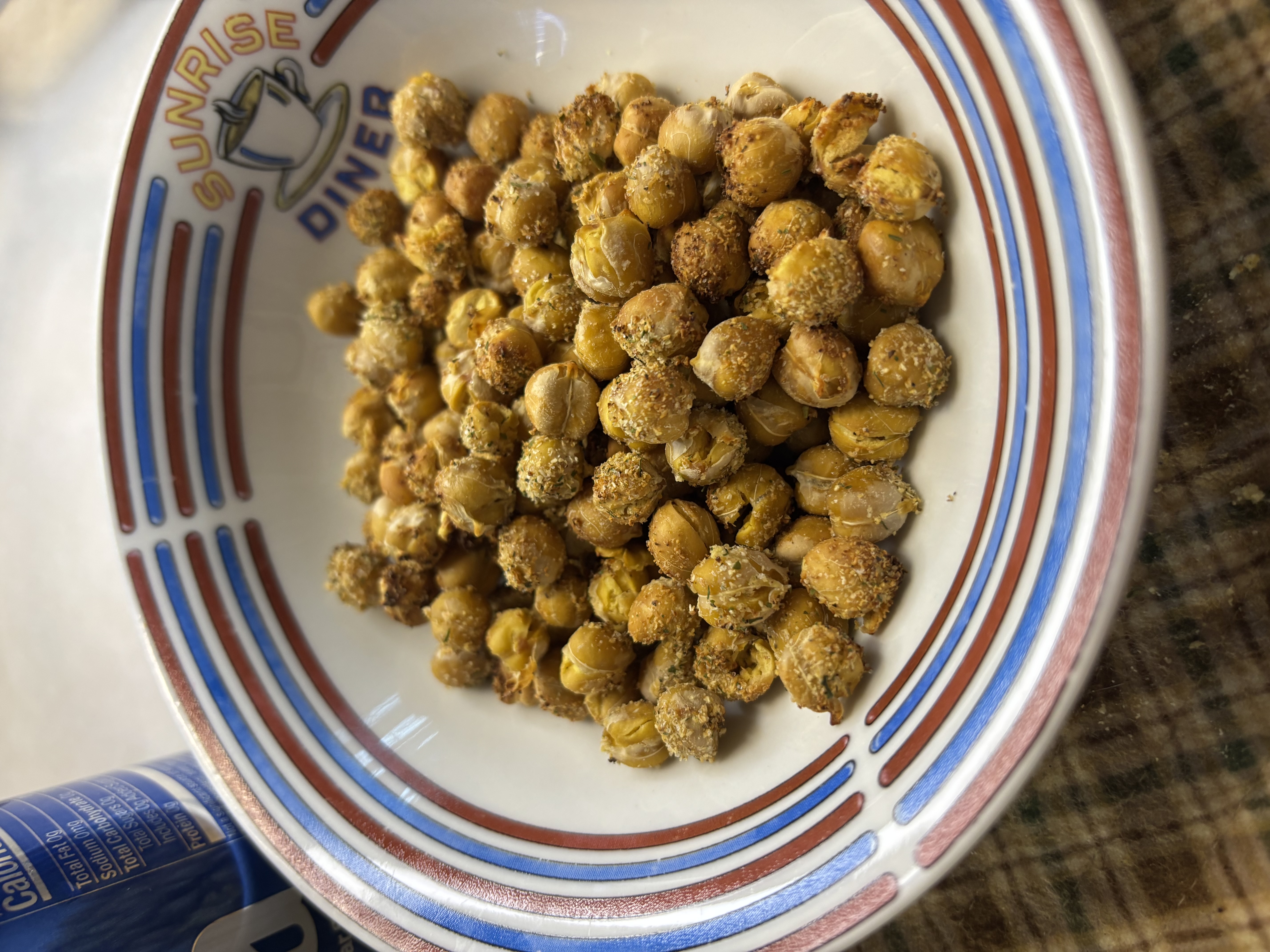
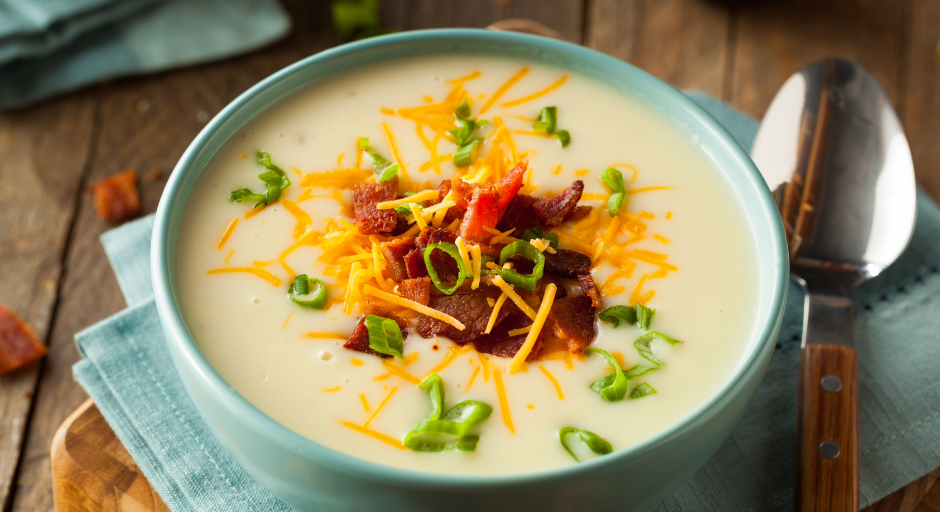
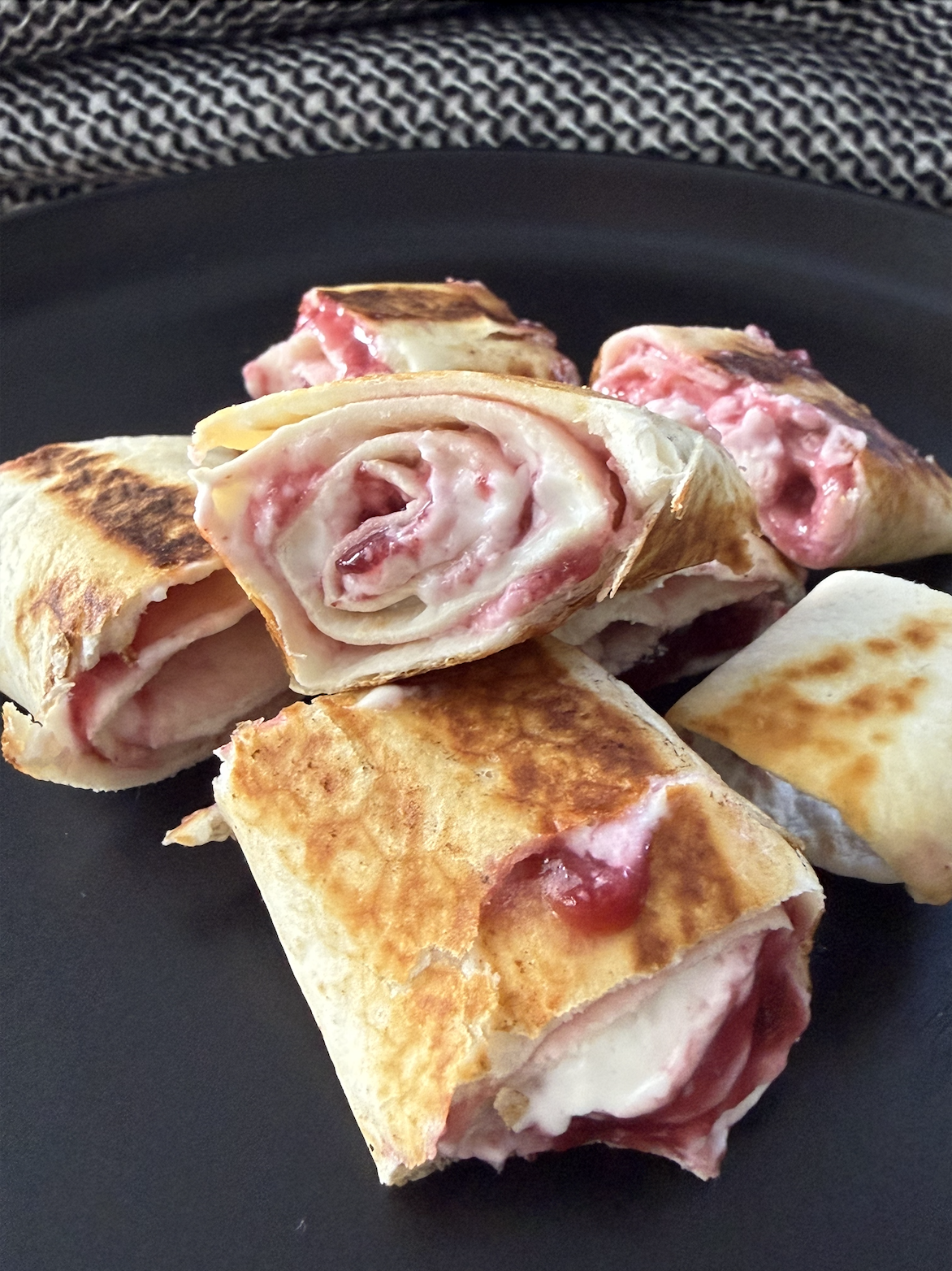
%20-%20From%20Dumpy%20To%20Diva.jpg)
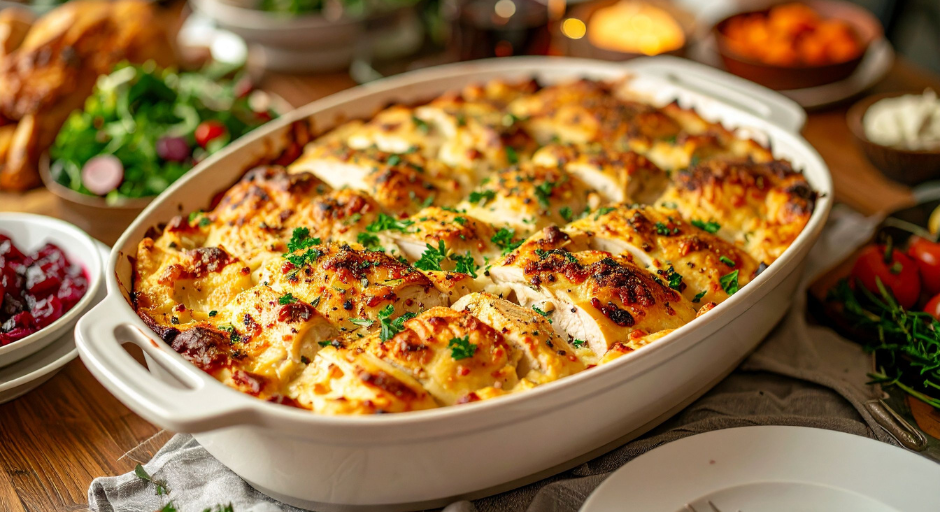

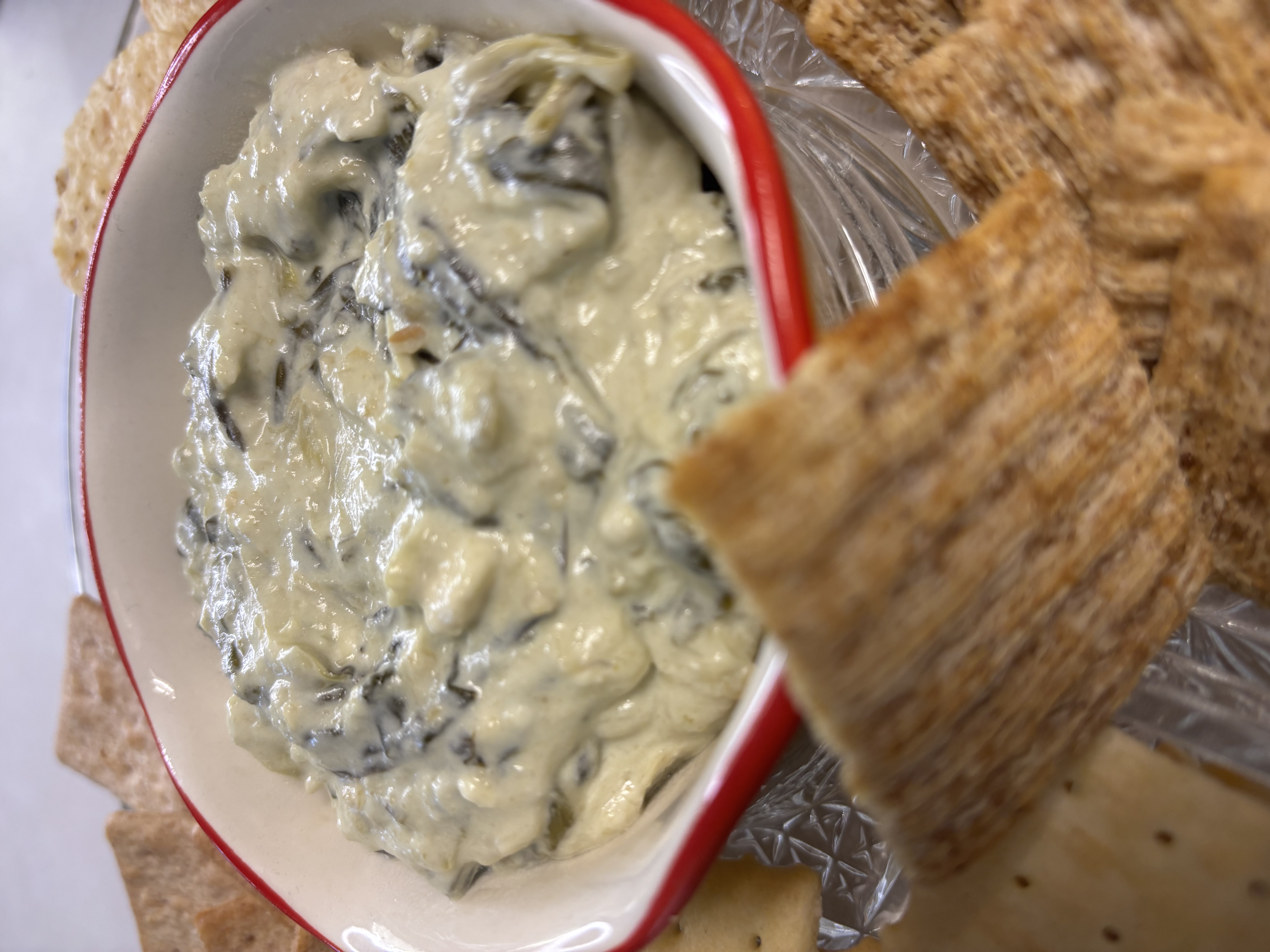

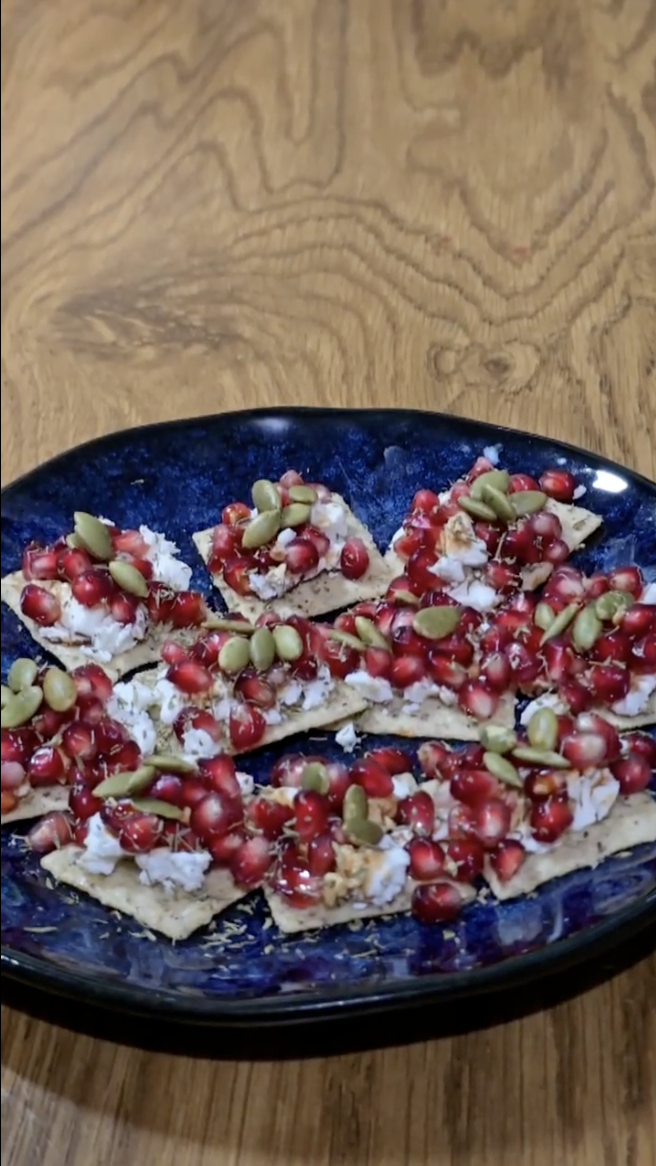
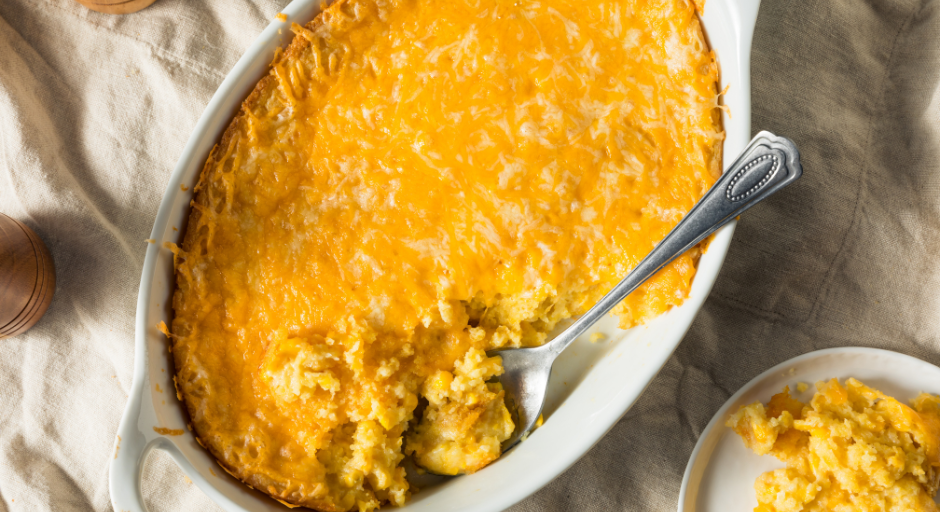
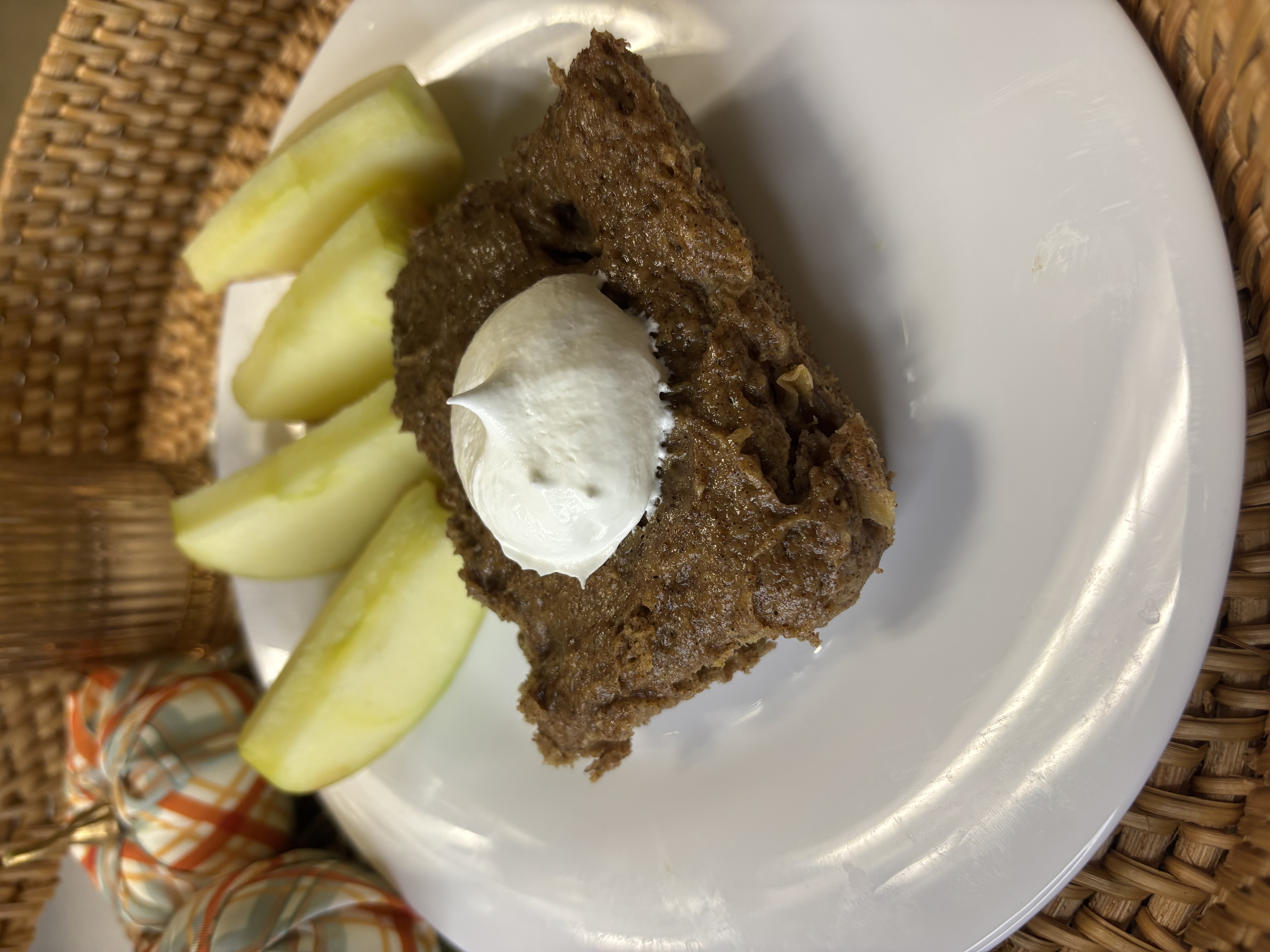
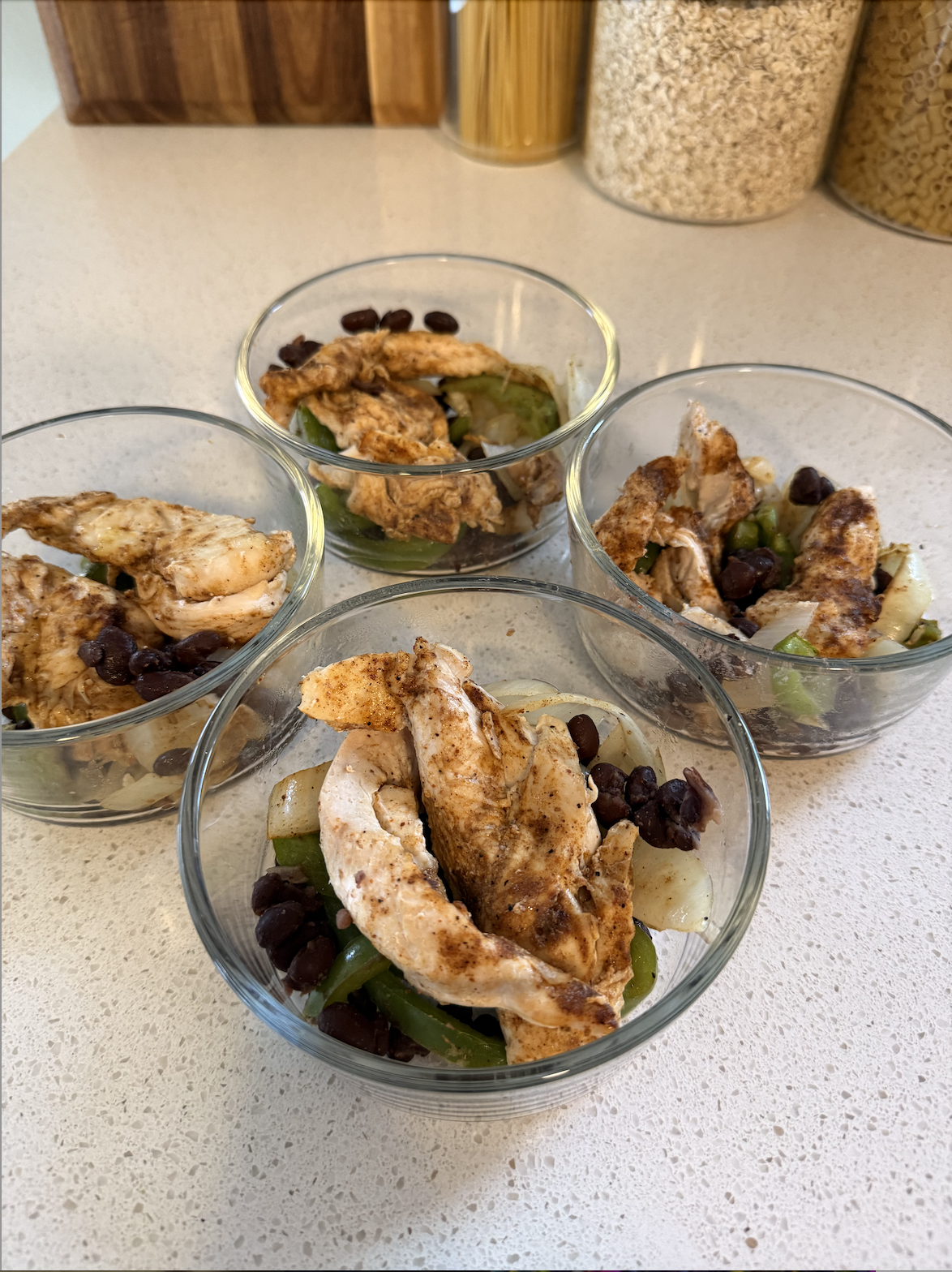
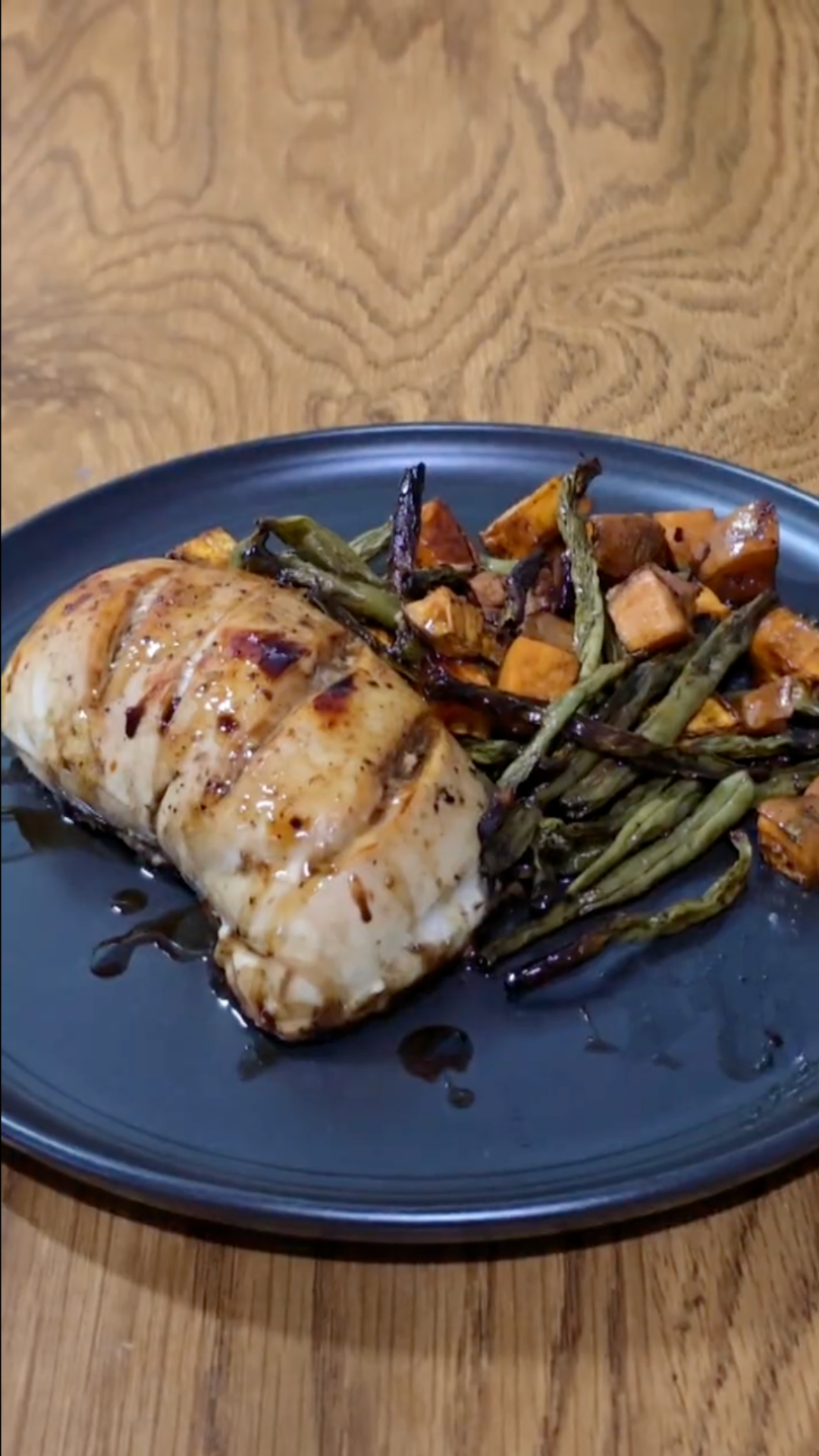
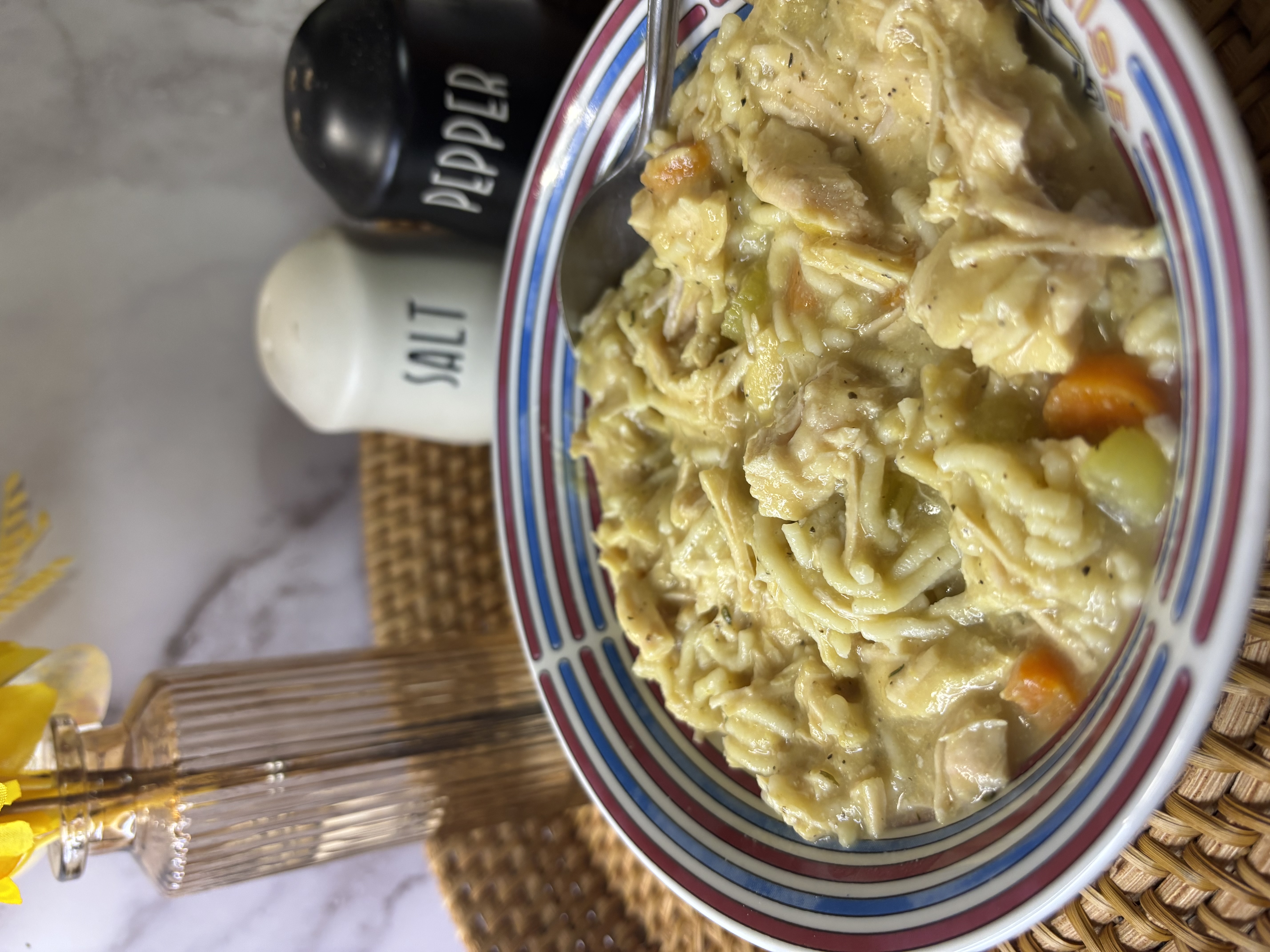

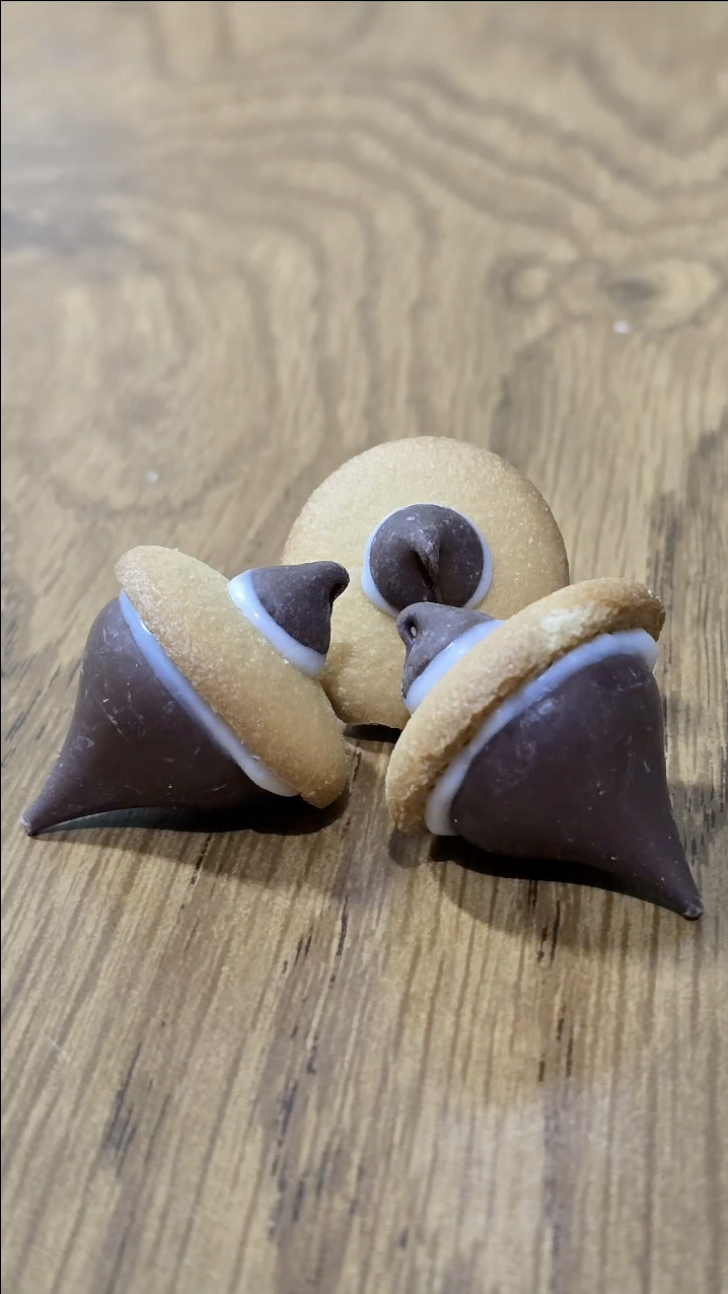
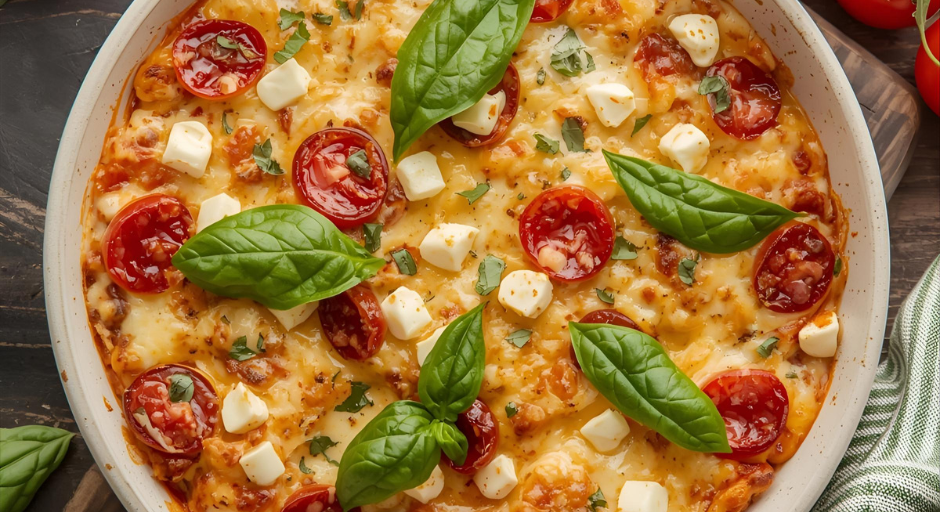
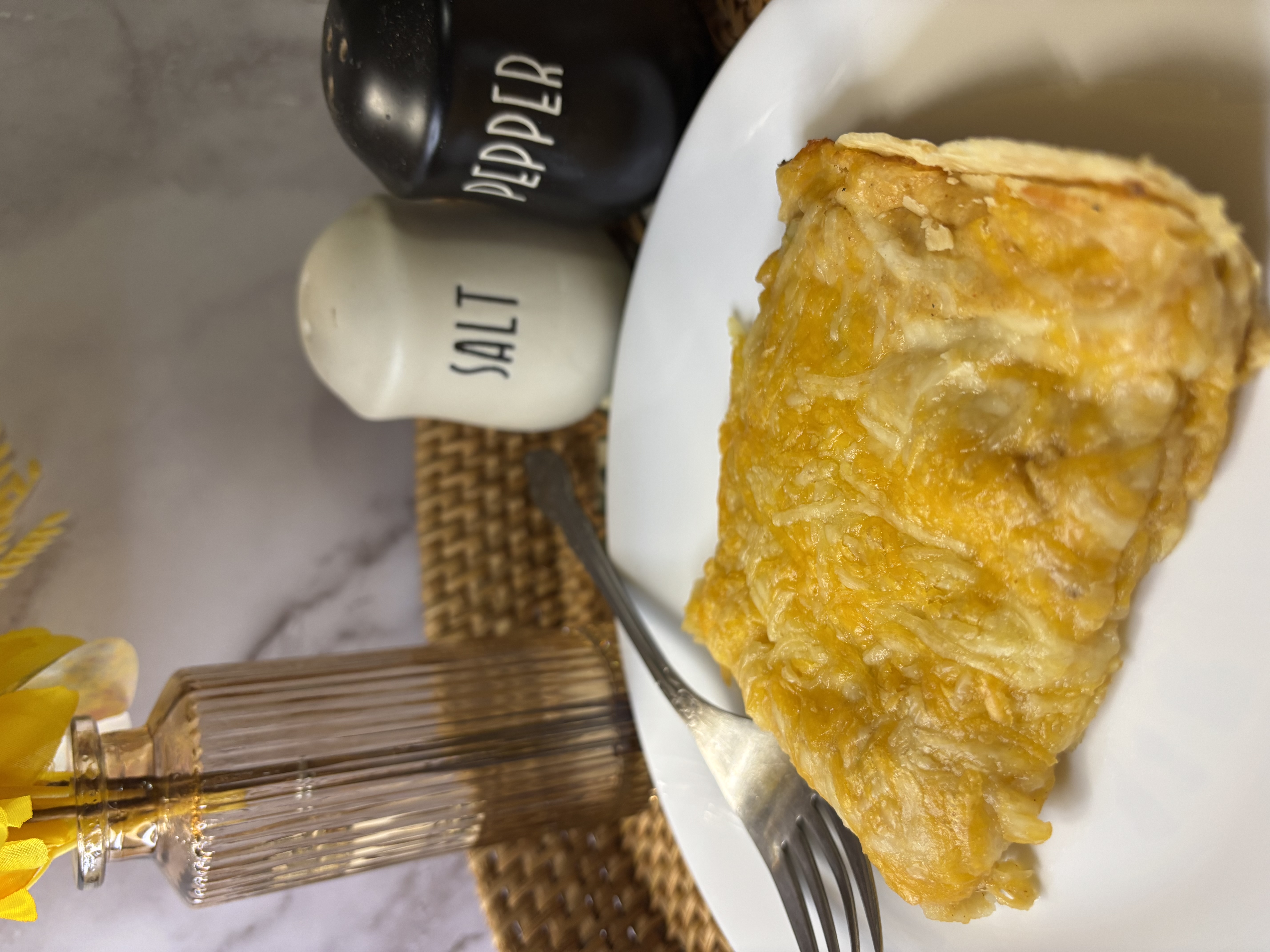

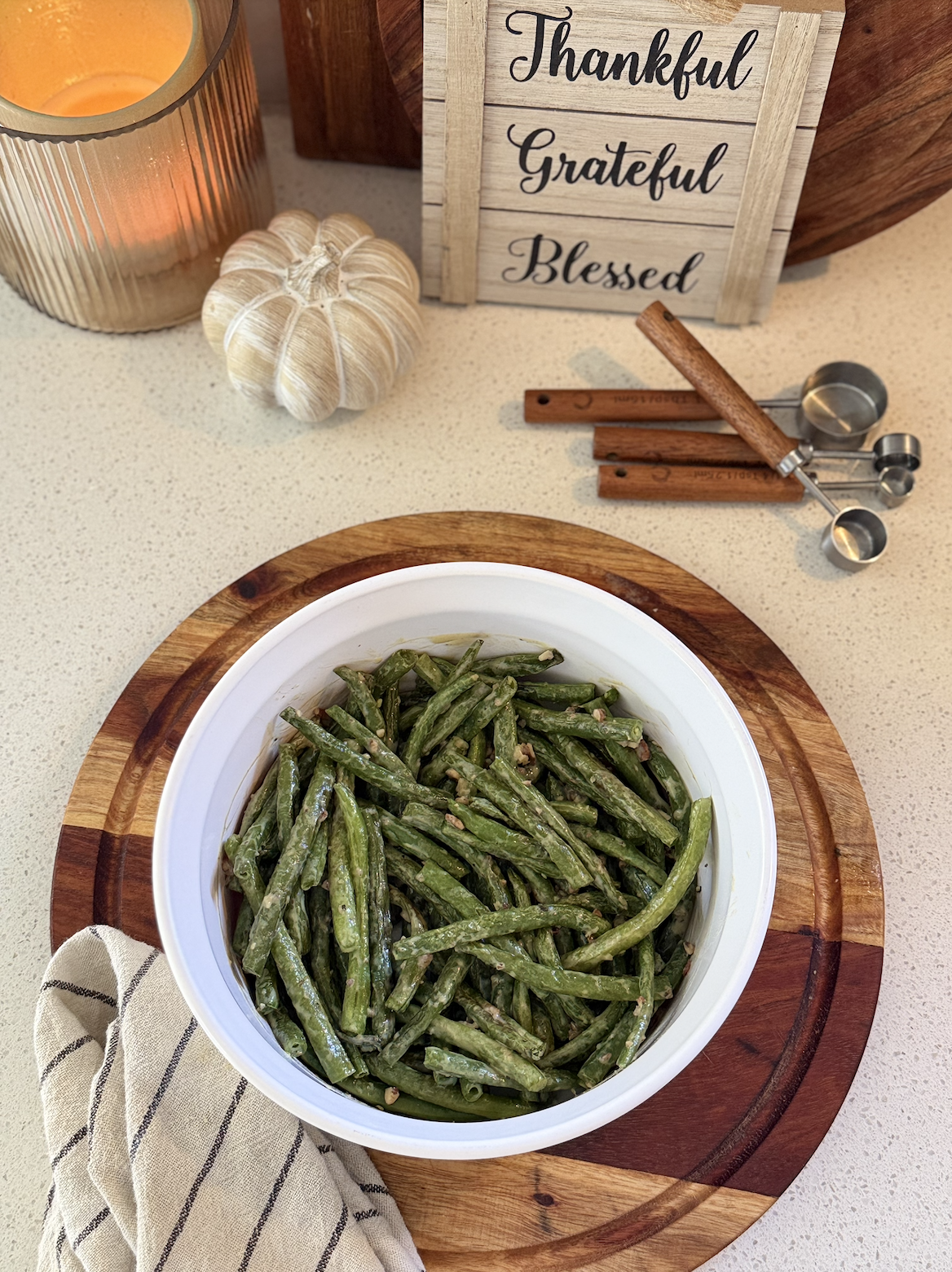
.png)
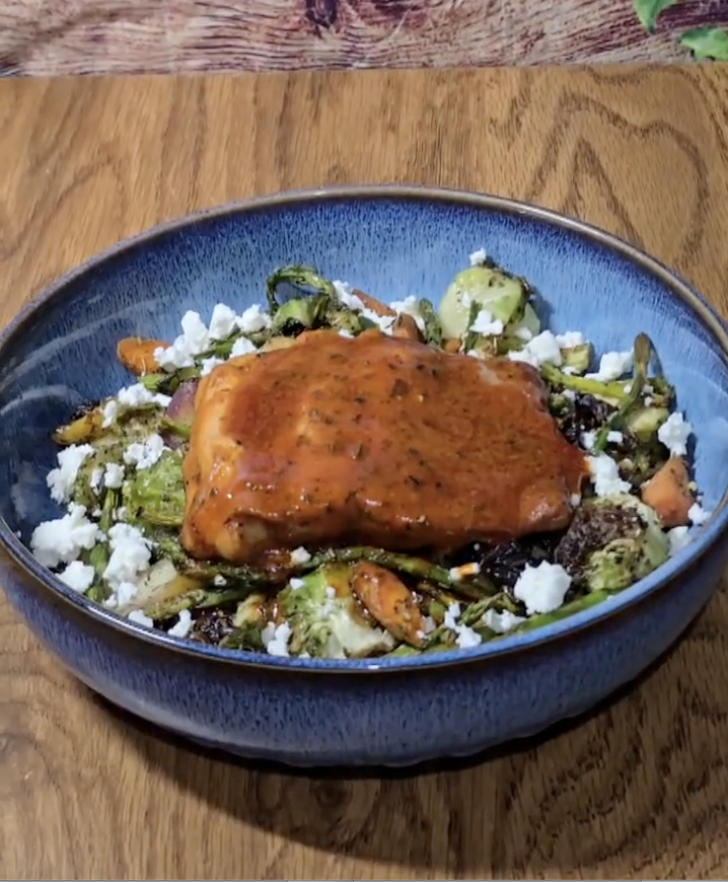

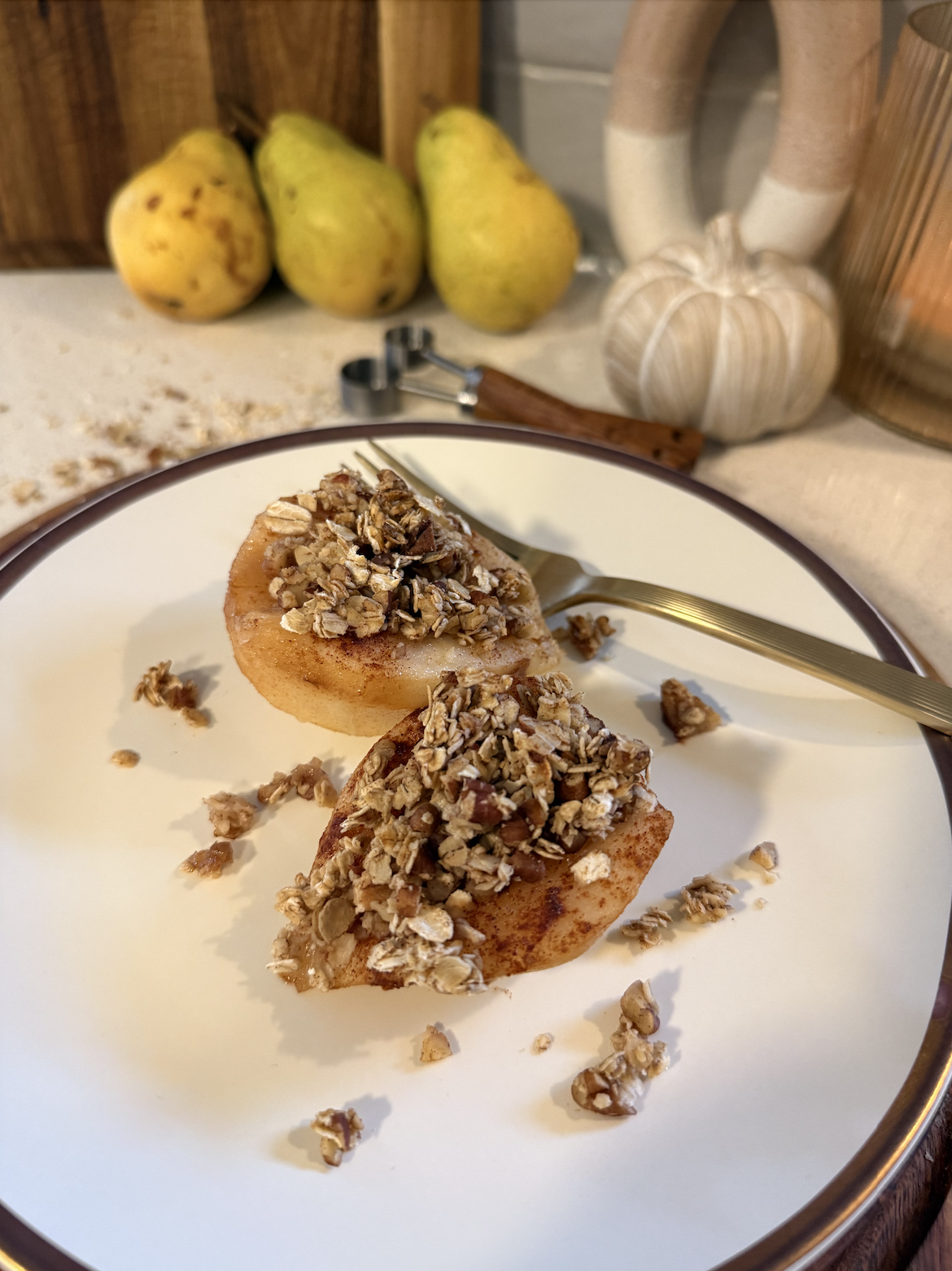

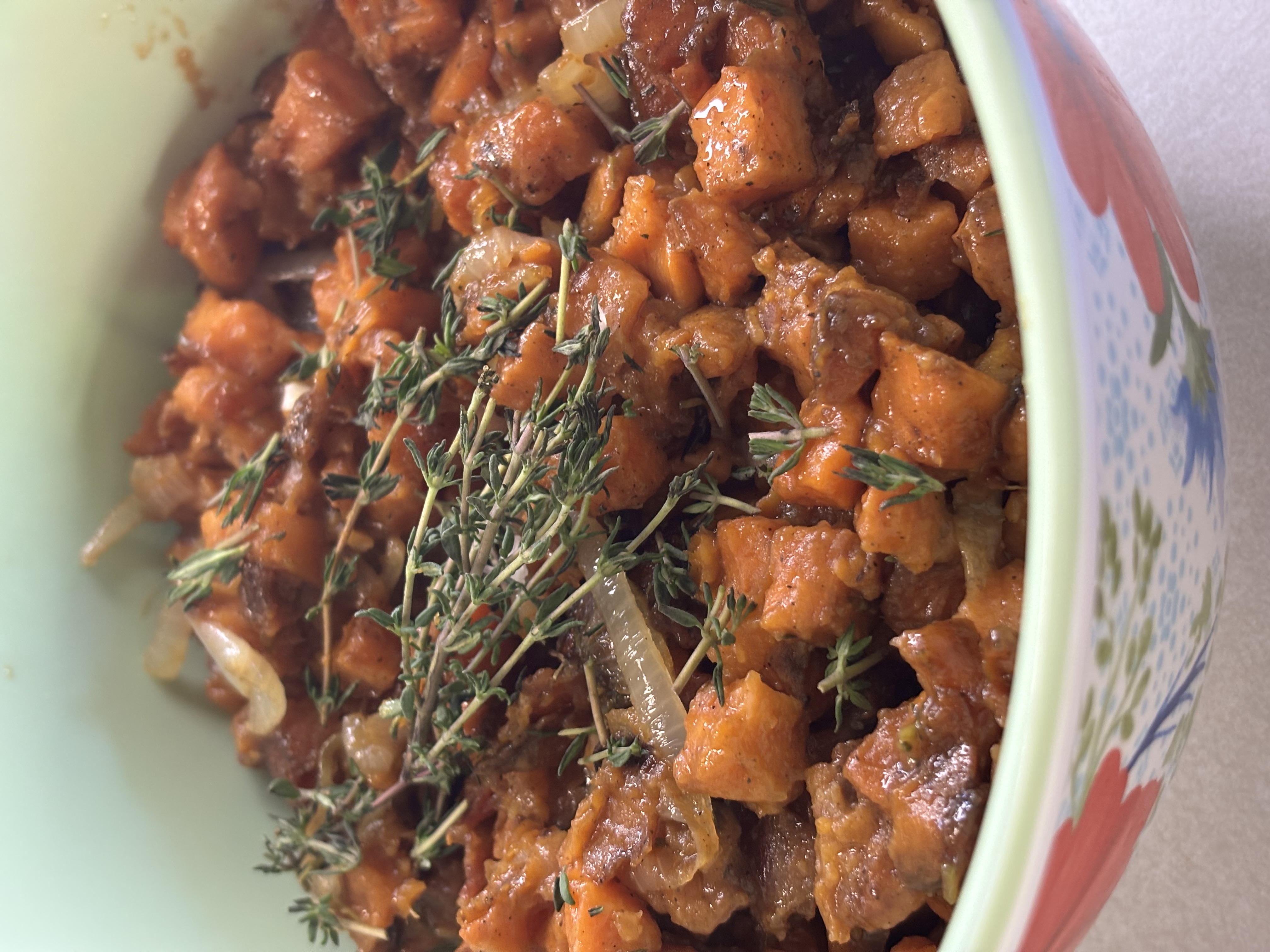
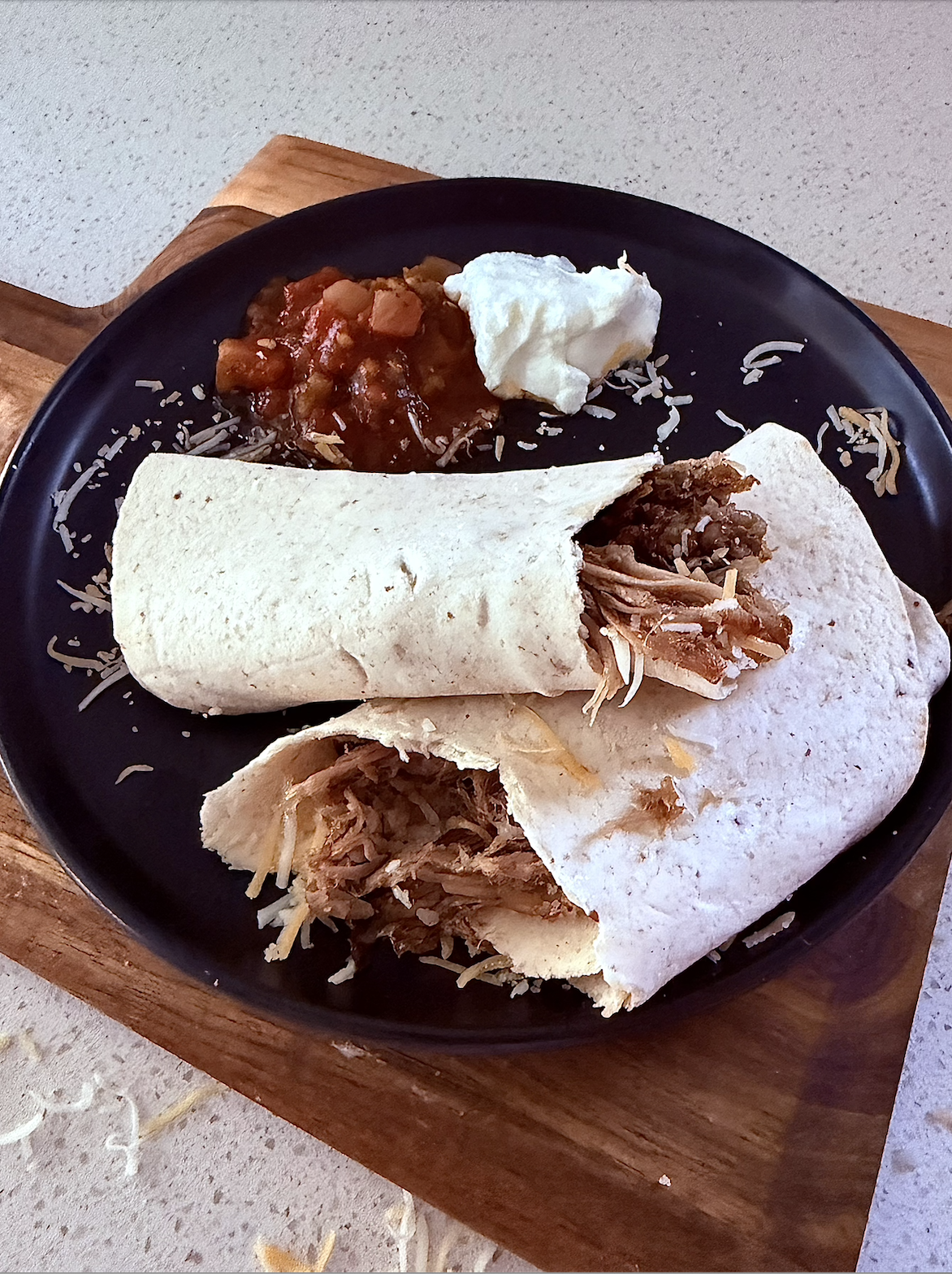

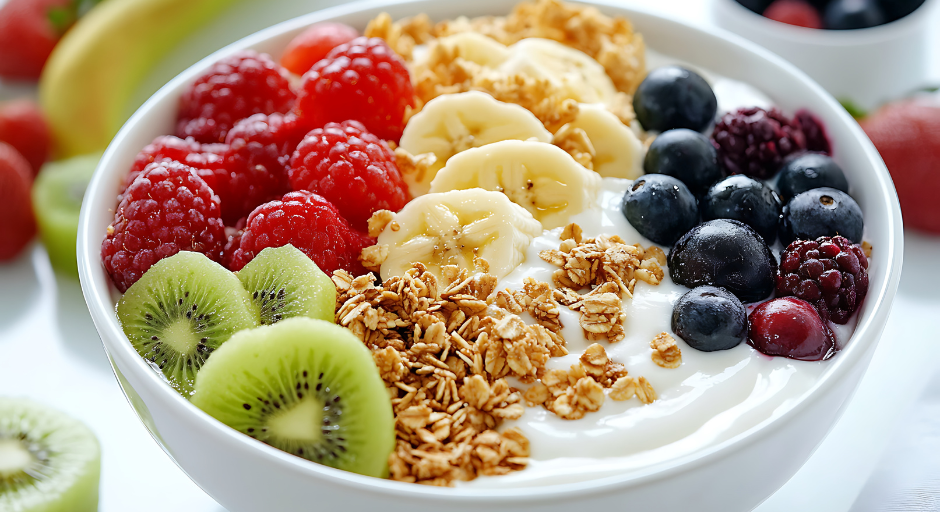
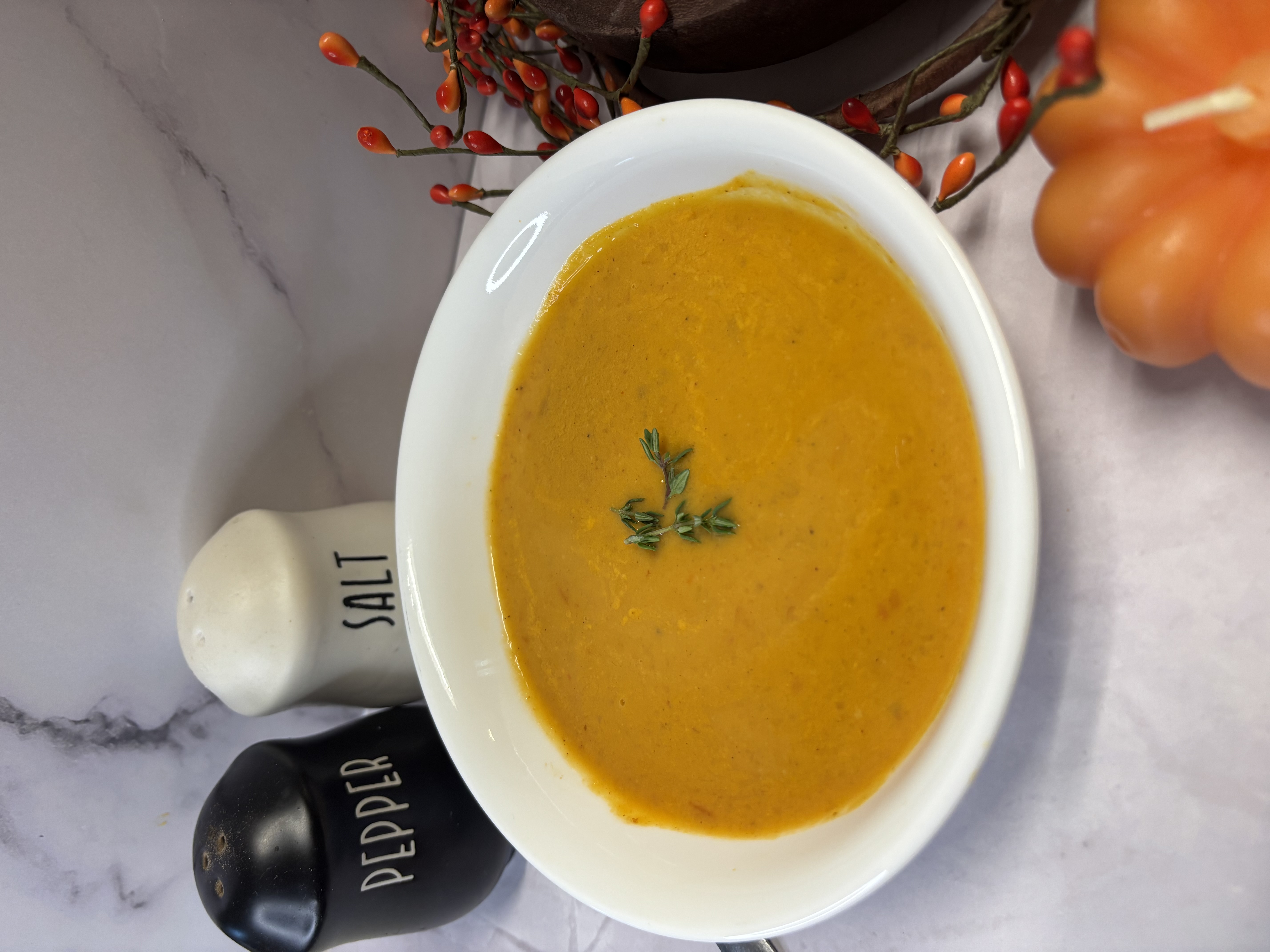

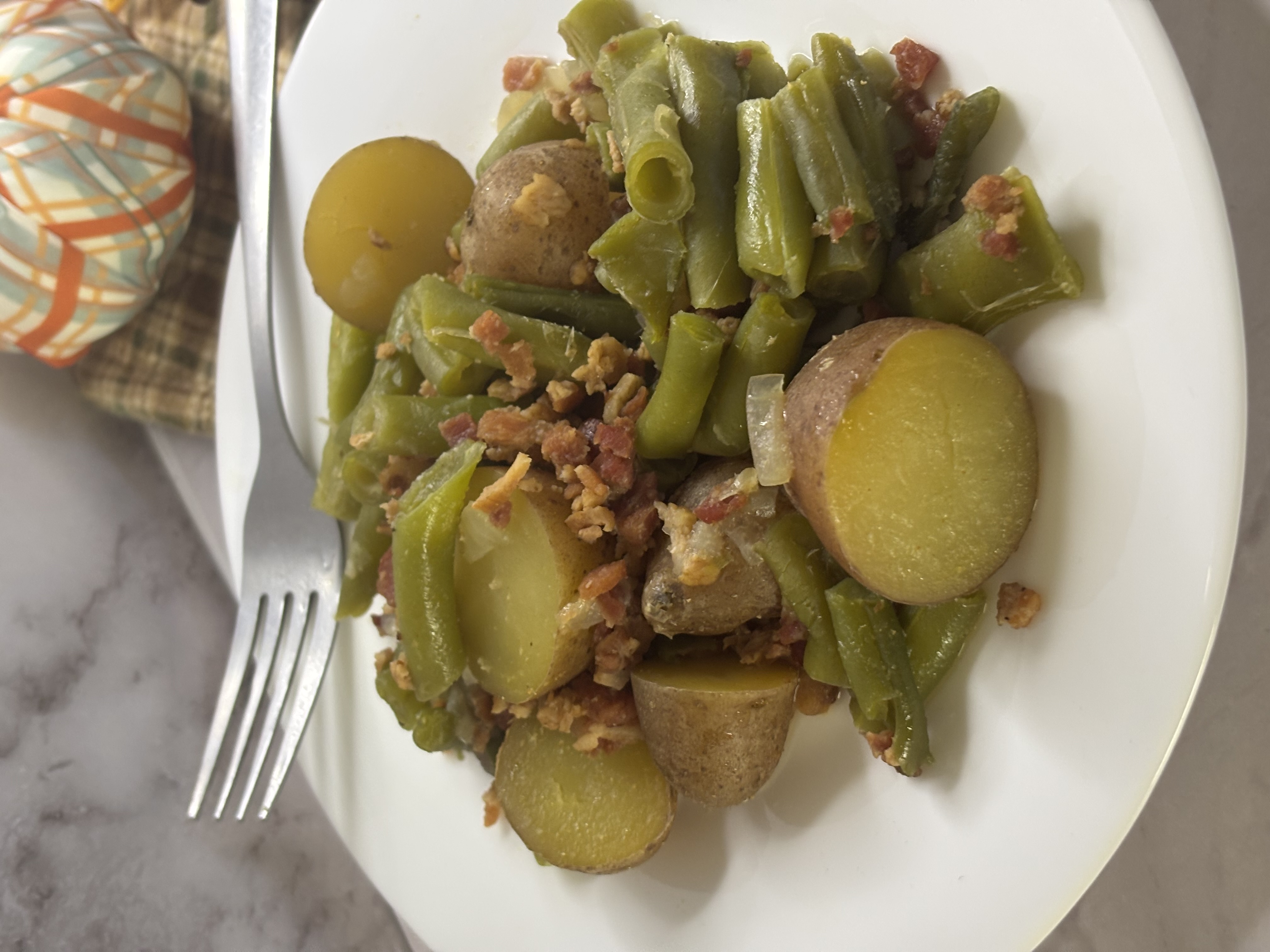
.png)
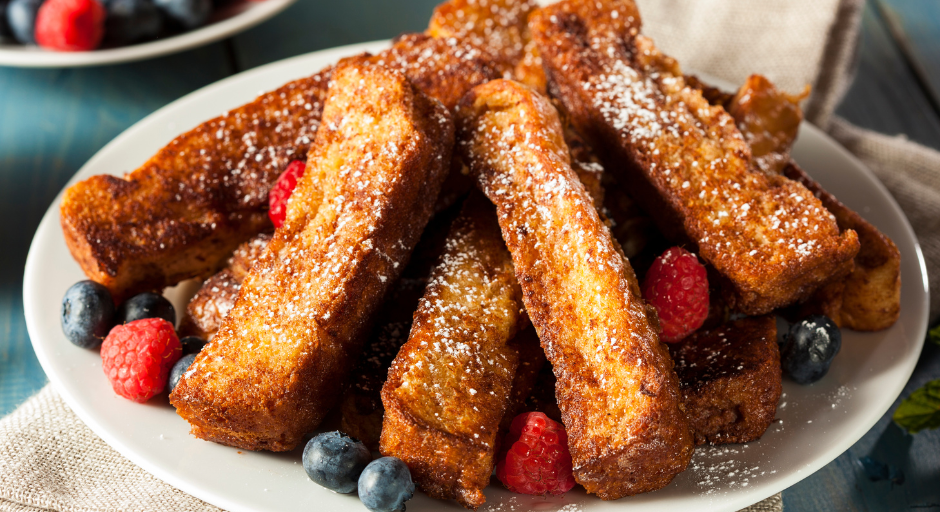
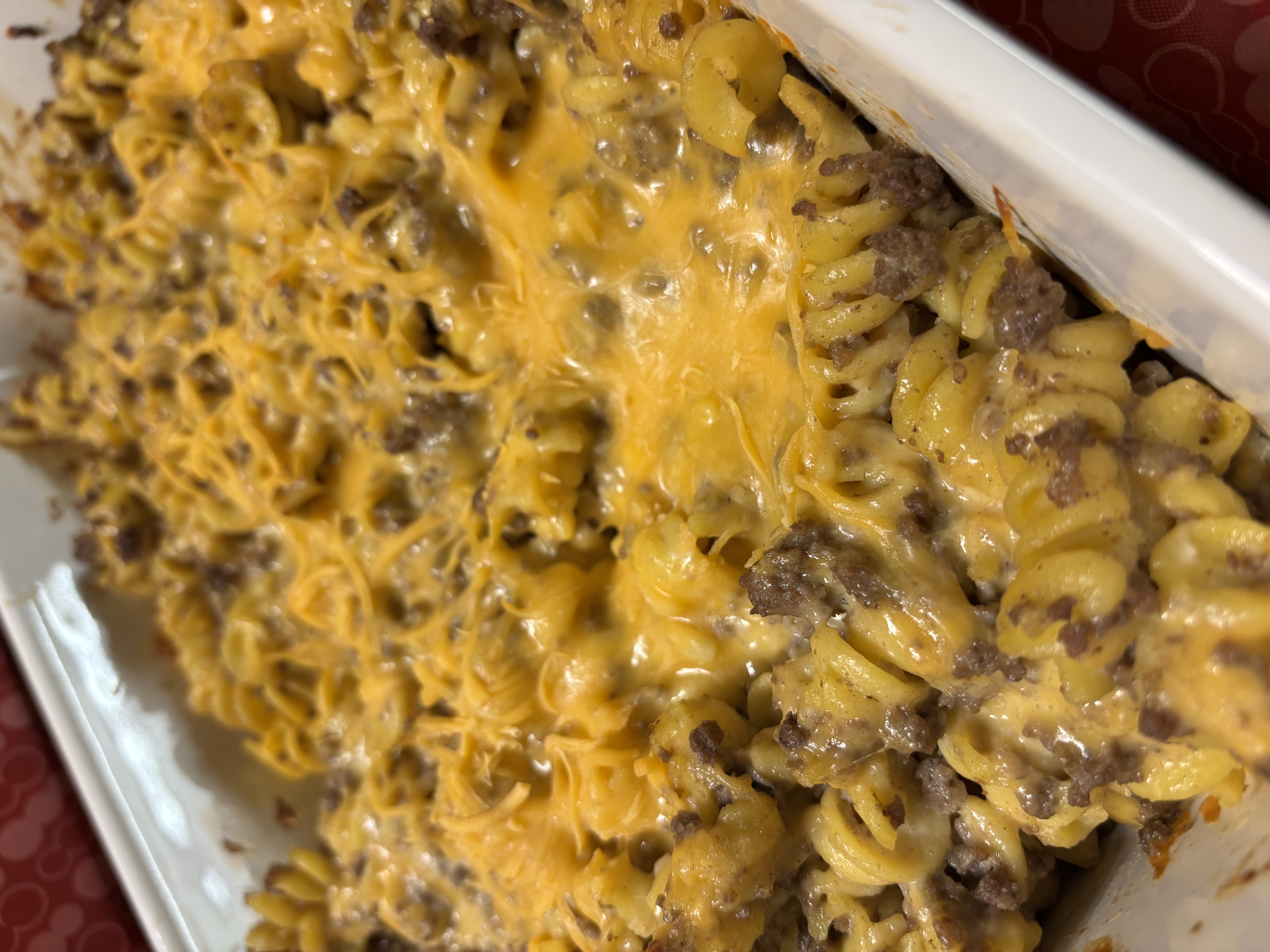
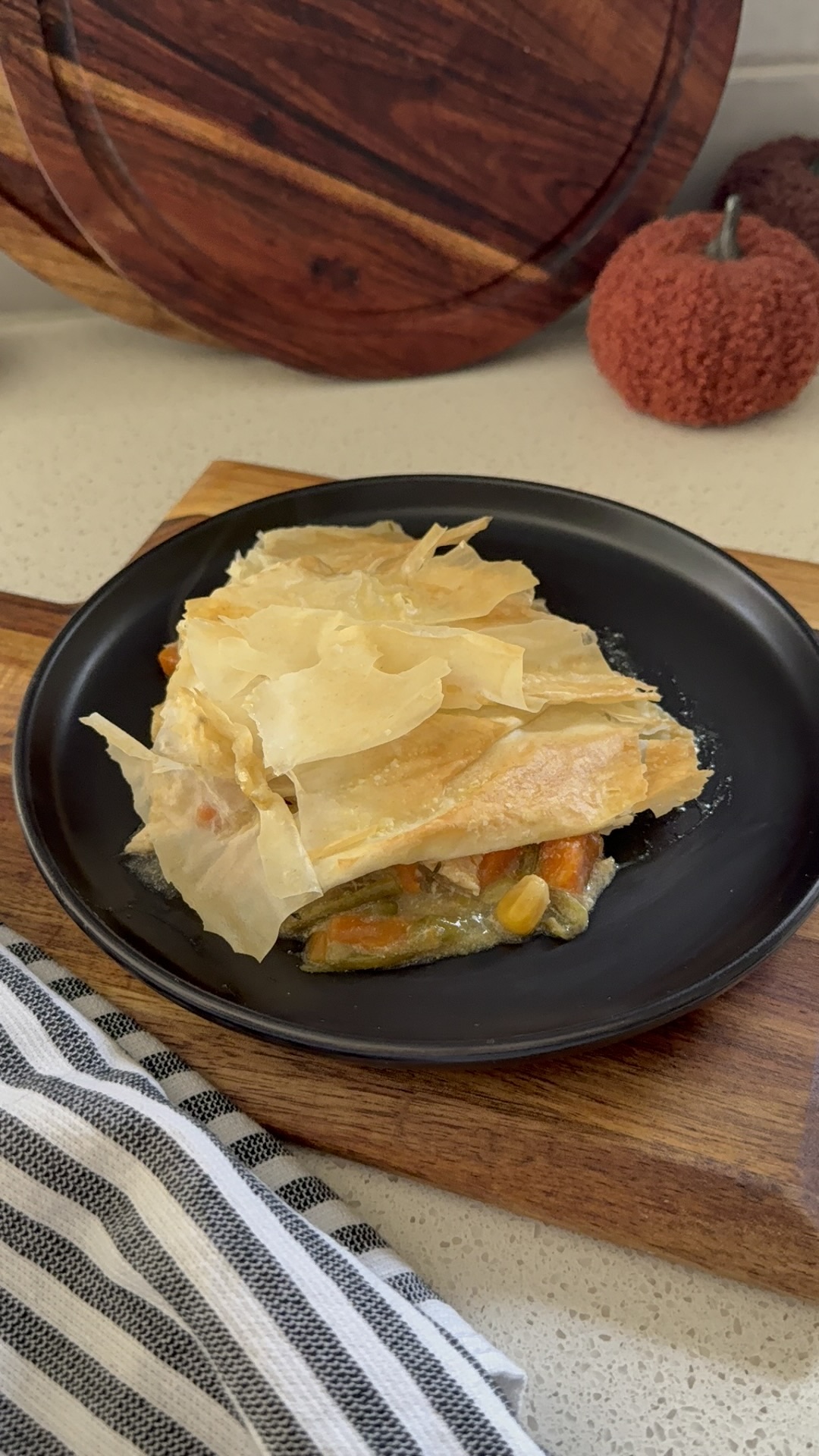

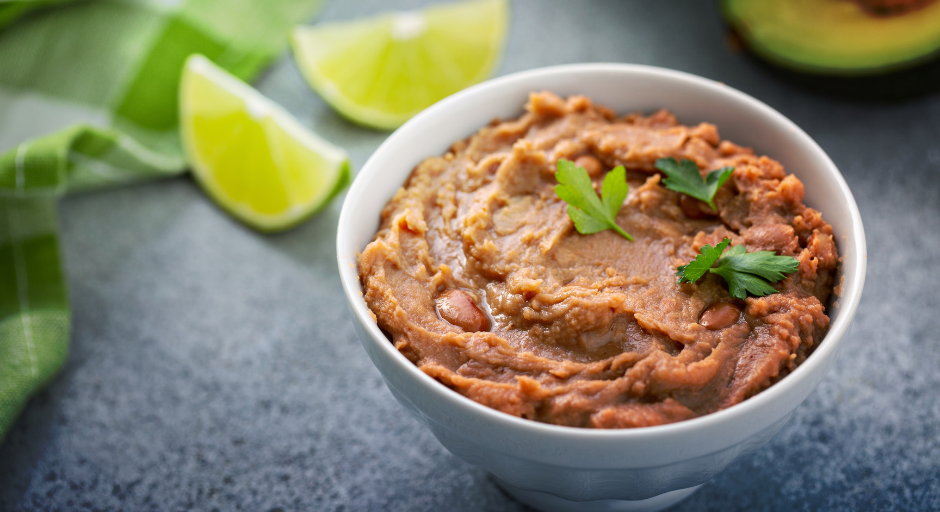
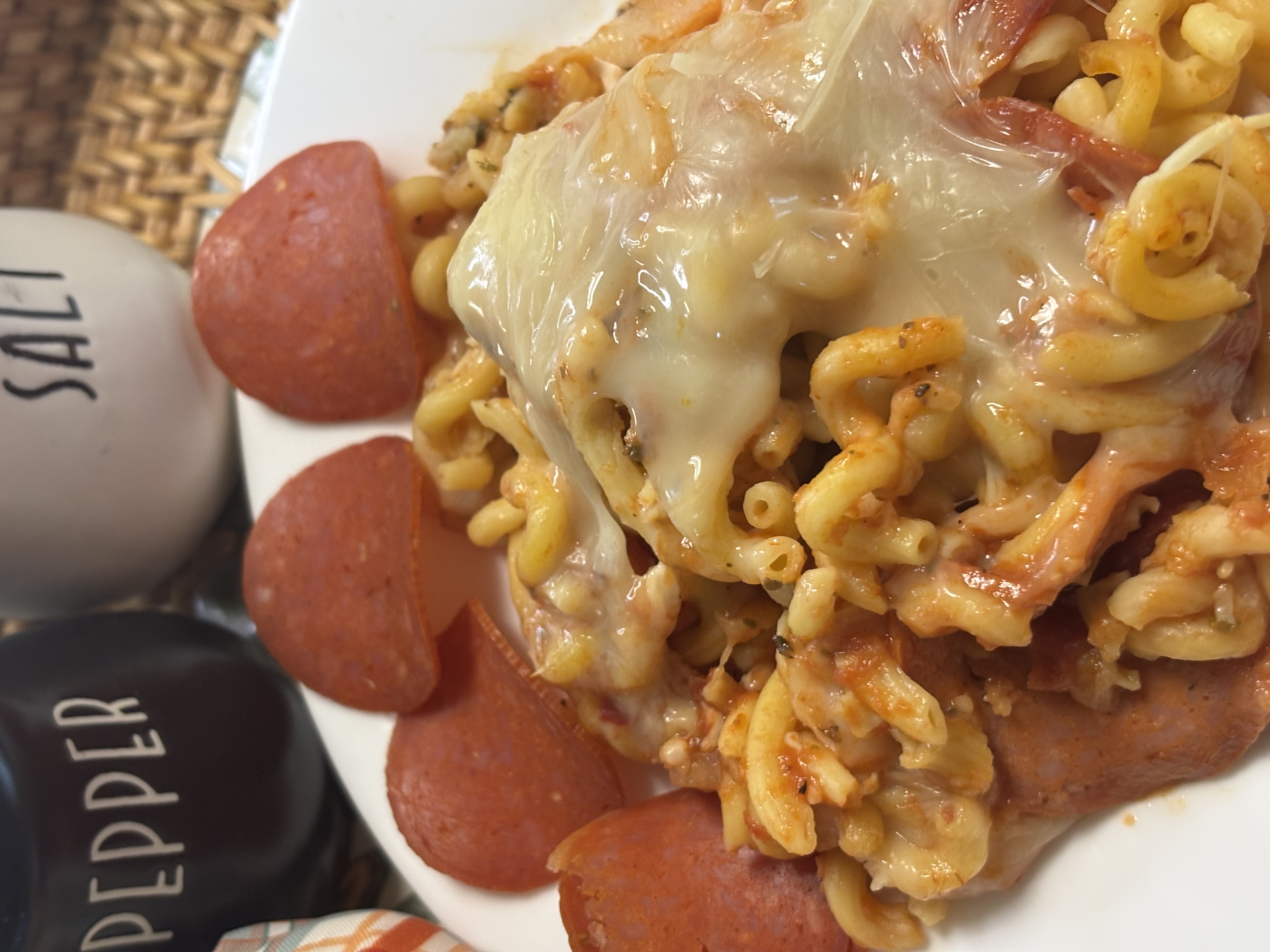
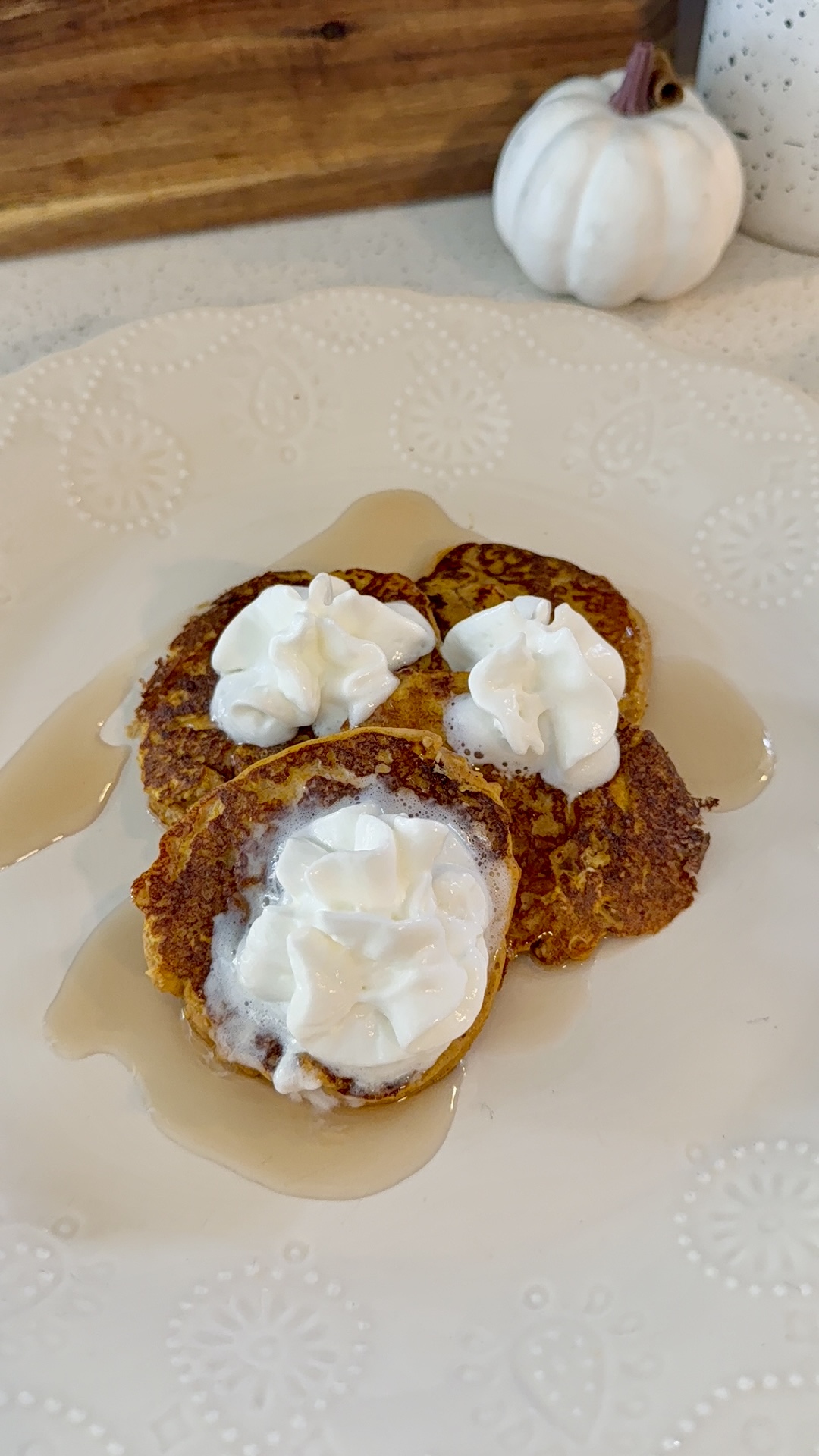


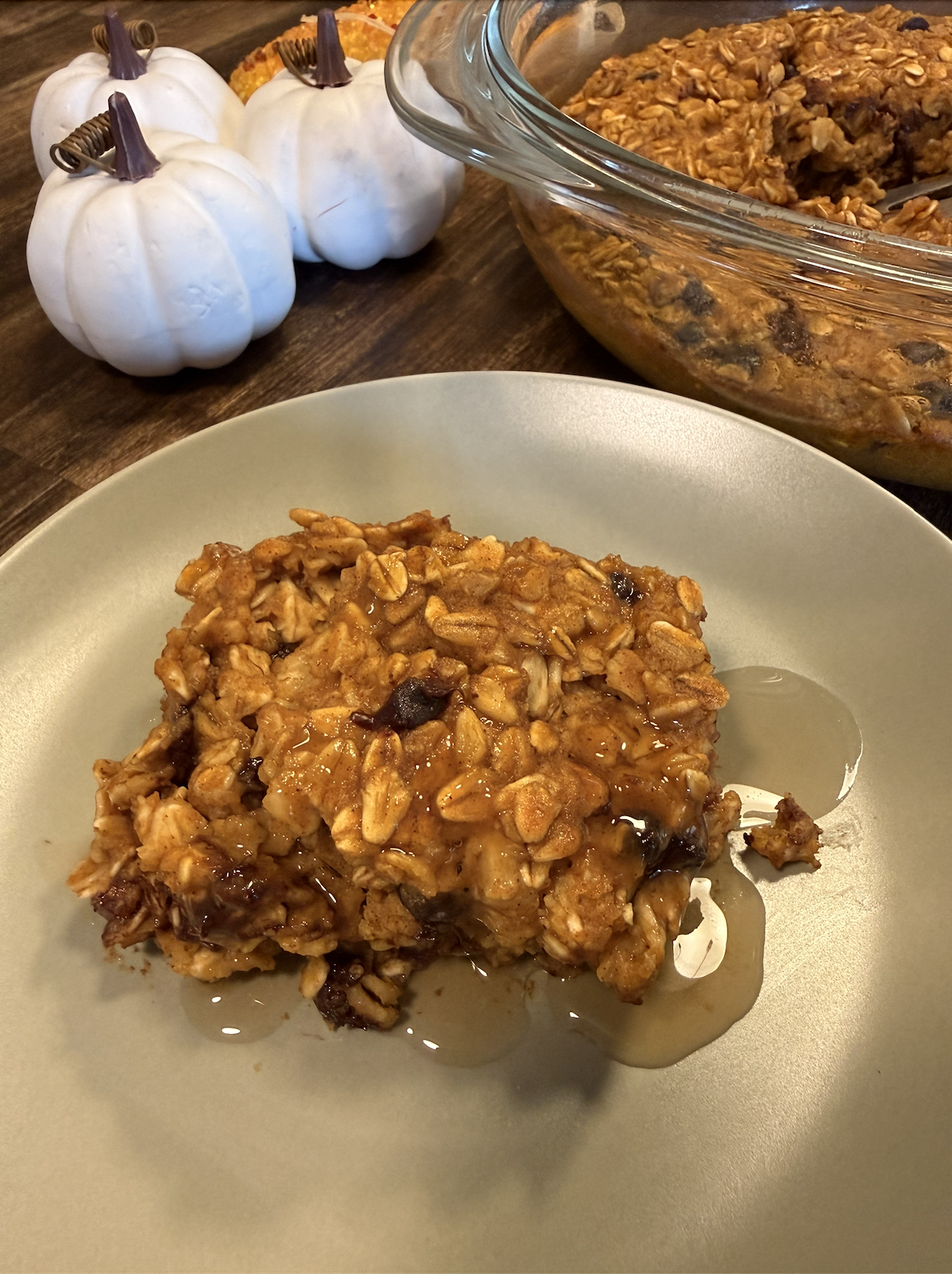

%20copy.avif)
.avif)

.avif)
.avif)
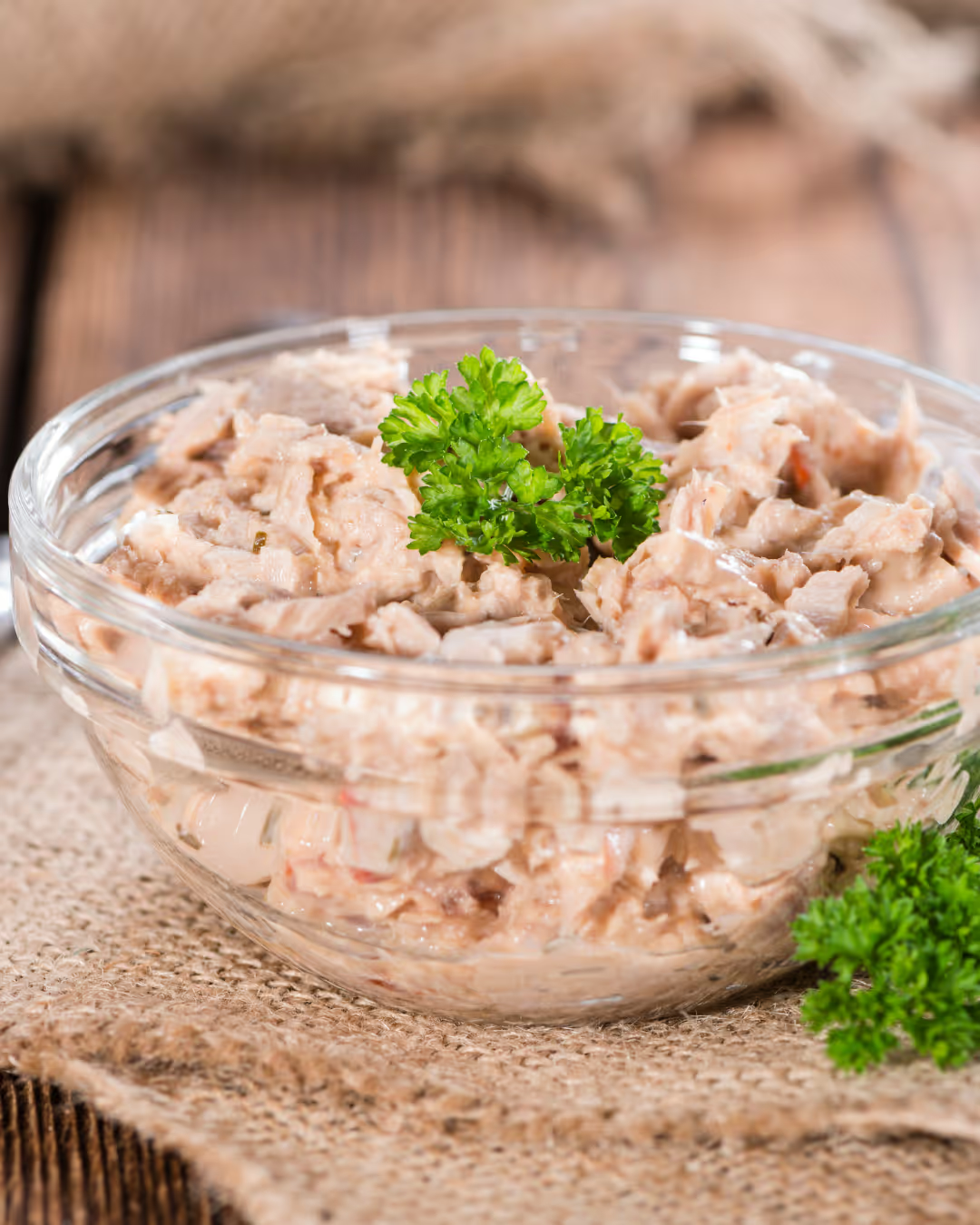
.avif)
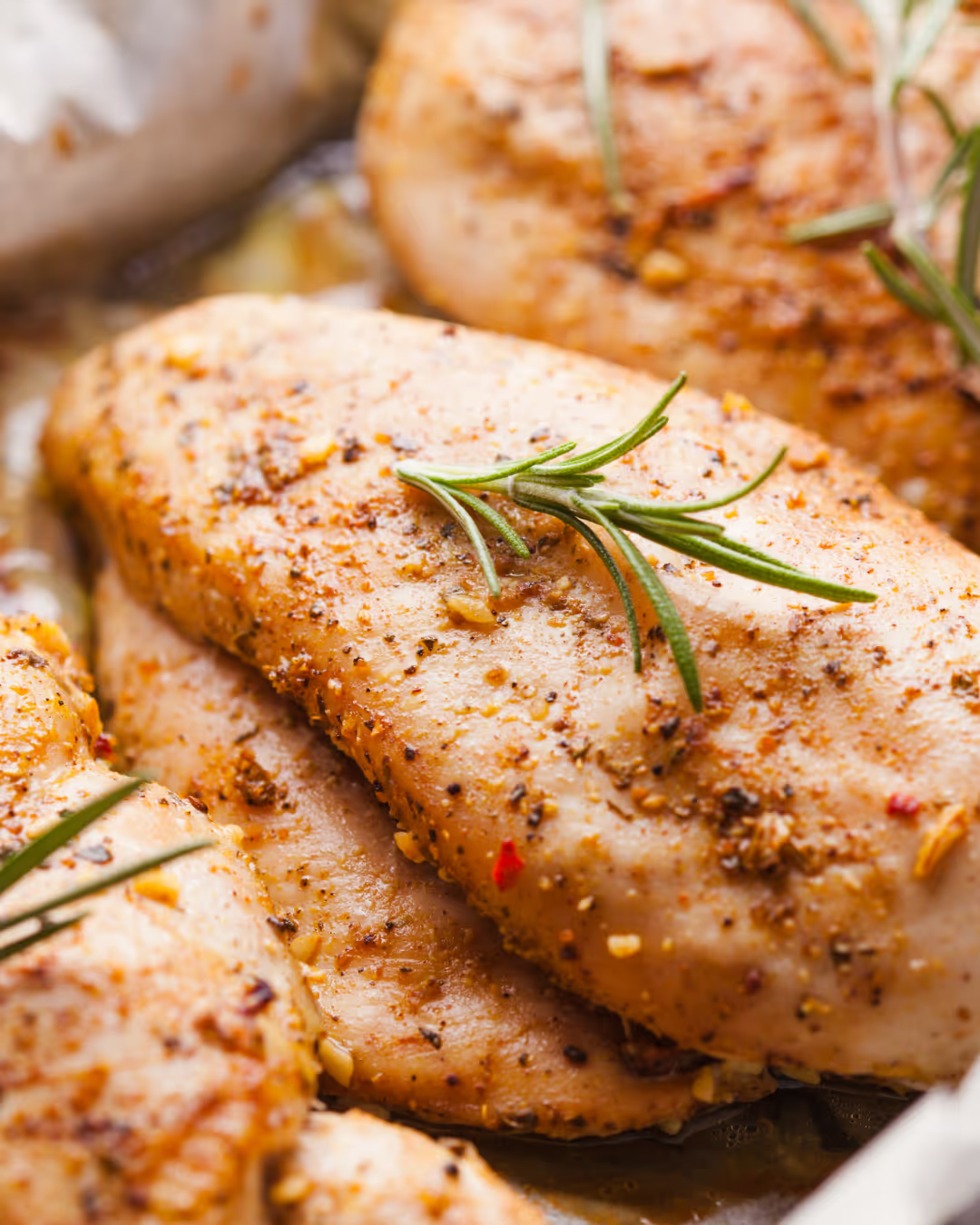
%20-%20From%20Dumpy%20To%20Diva.avif)

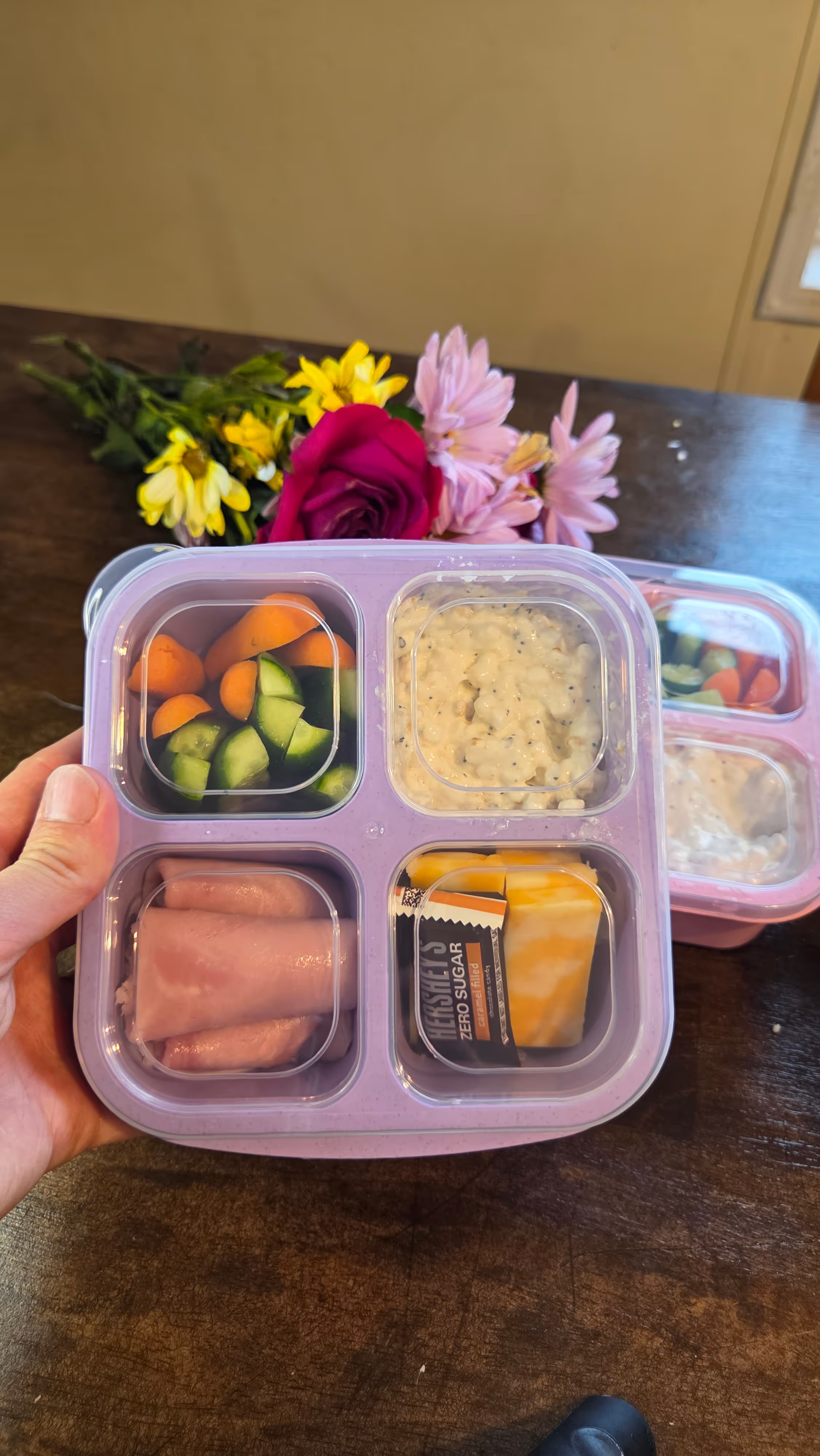

.avif)
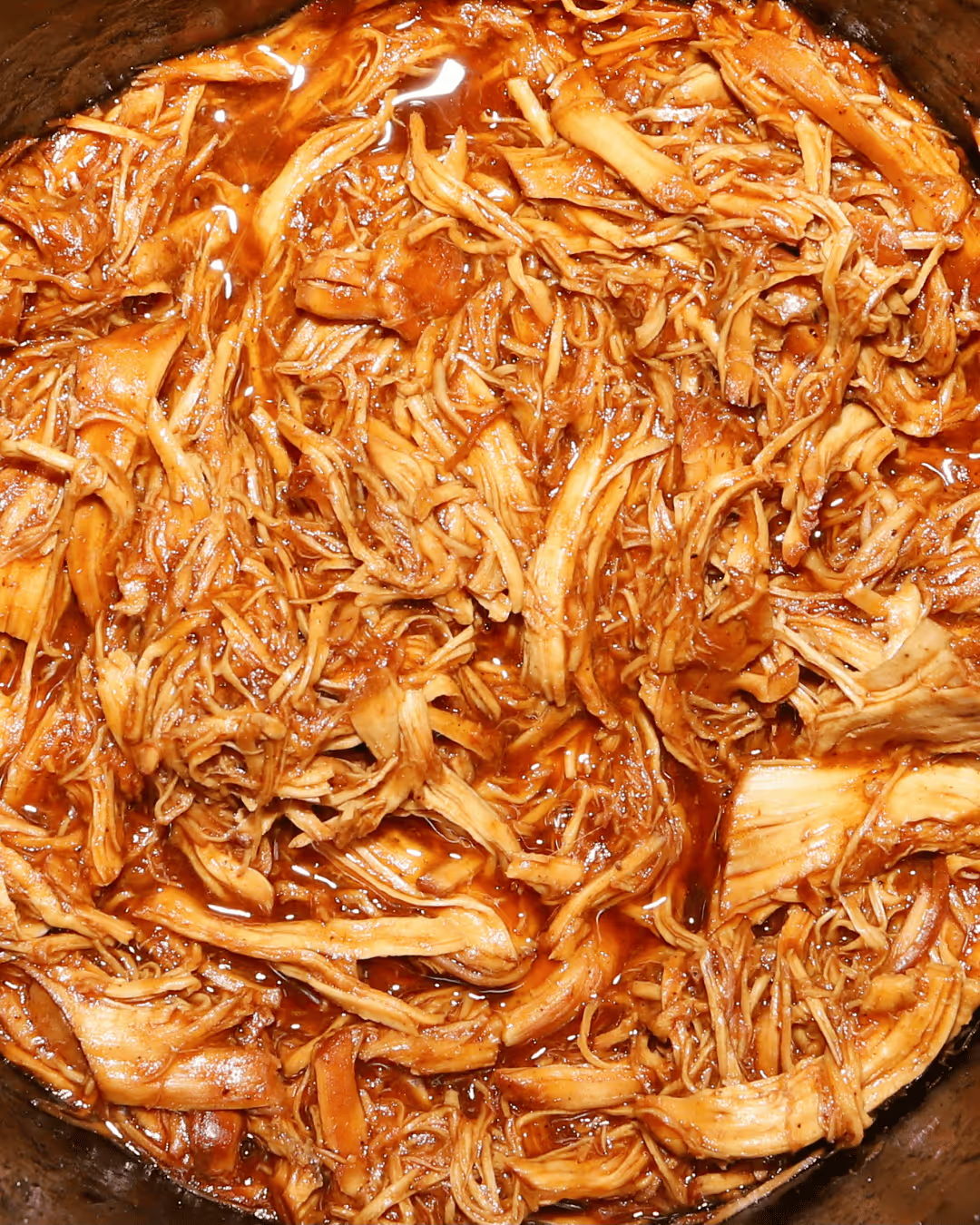
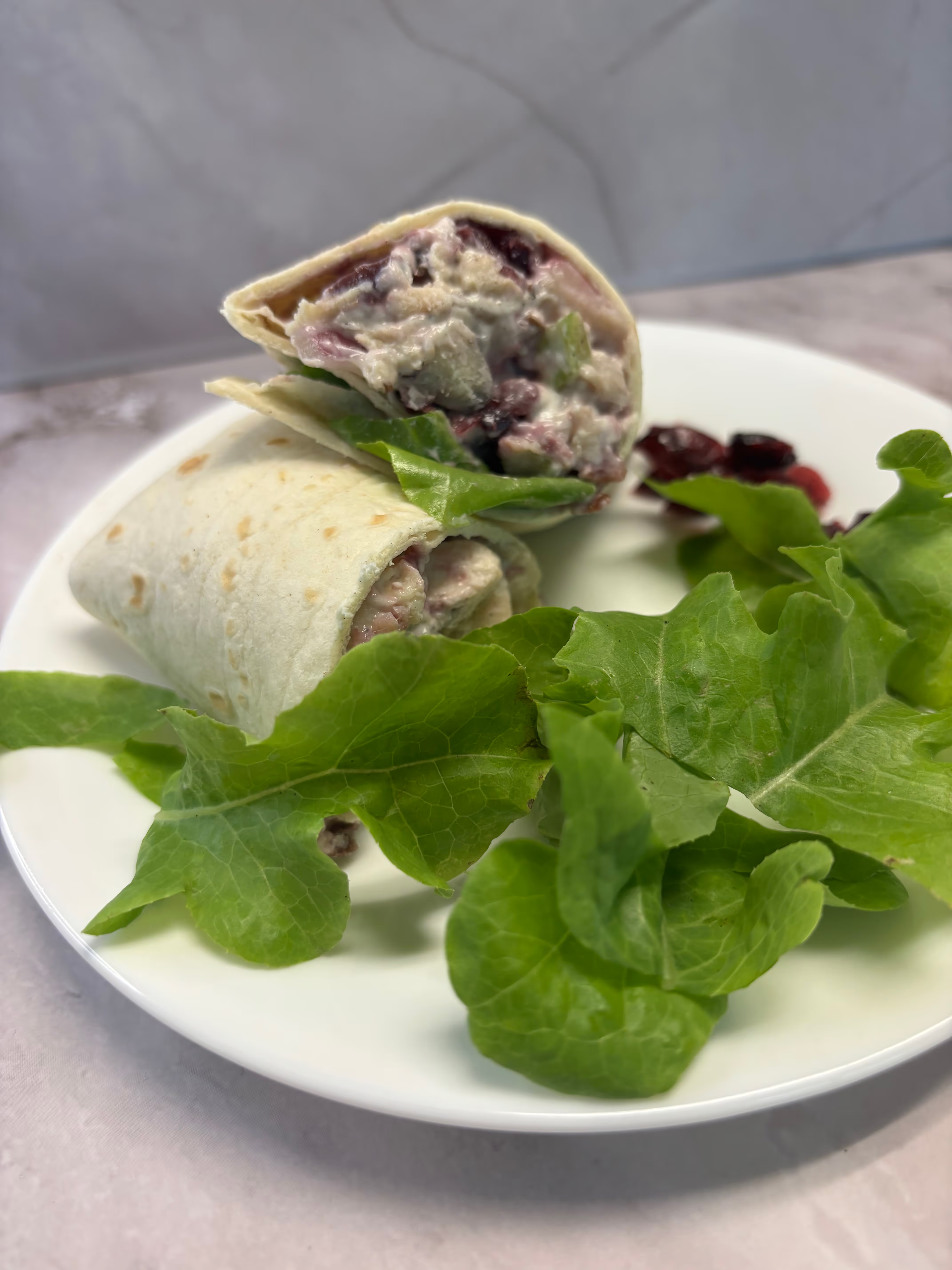
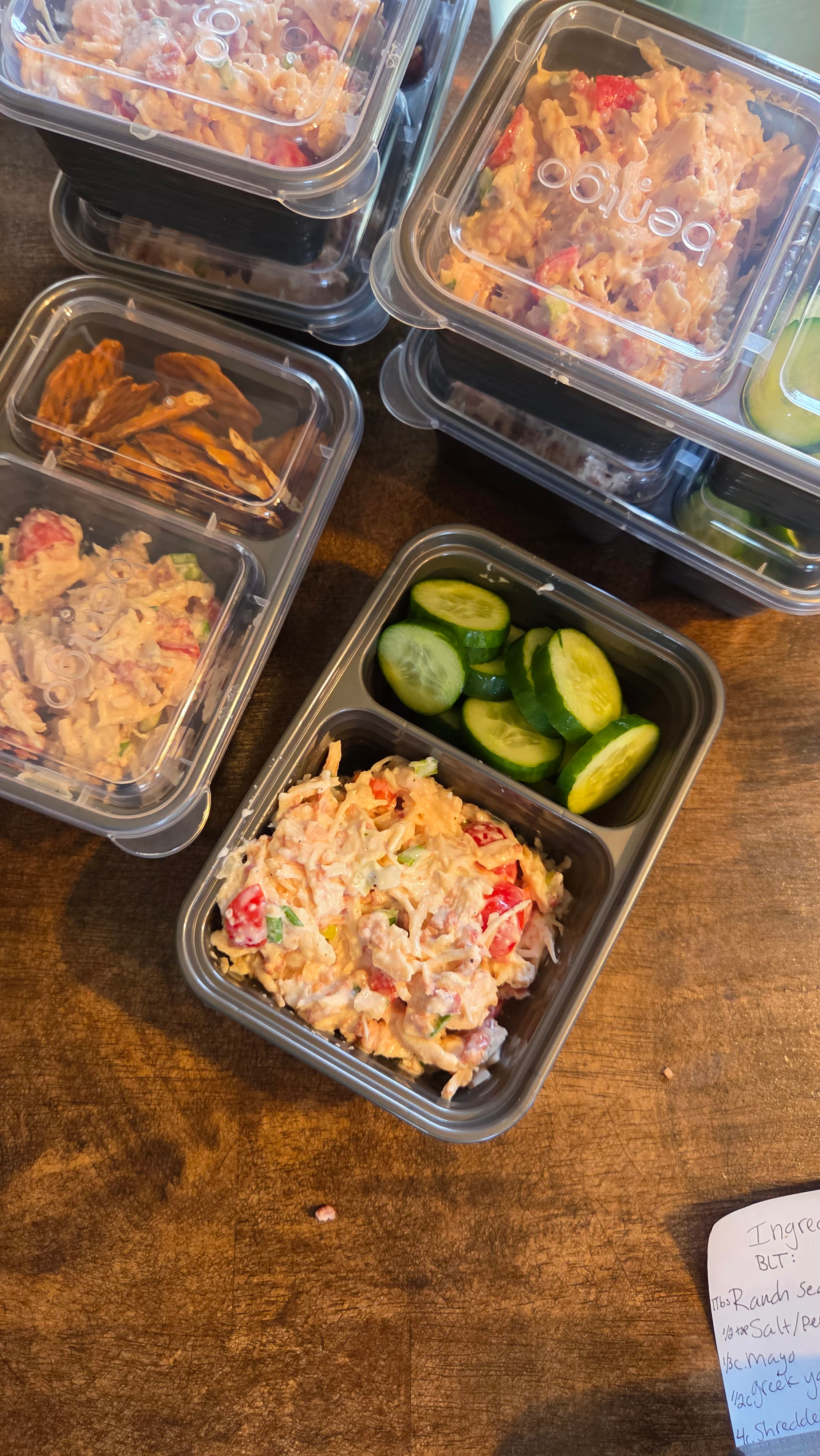
.avif)


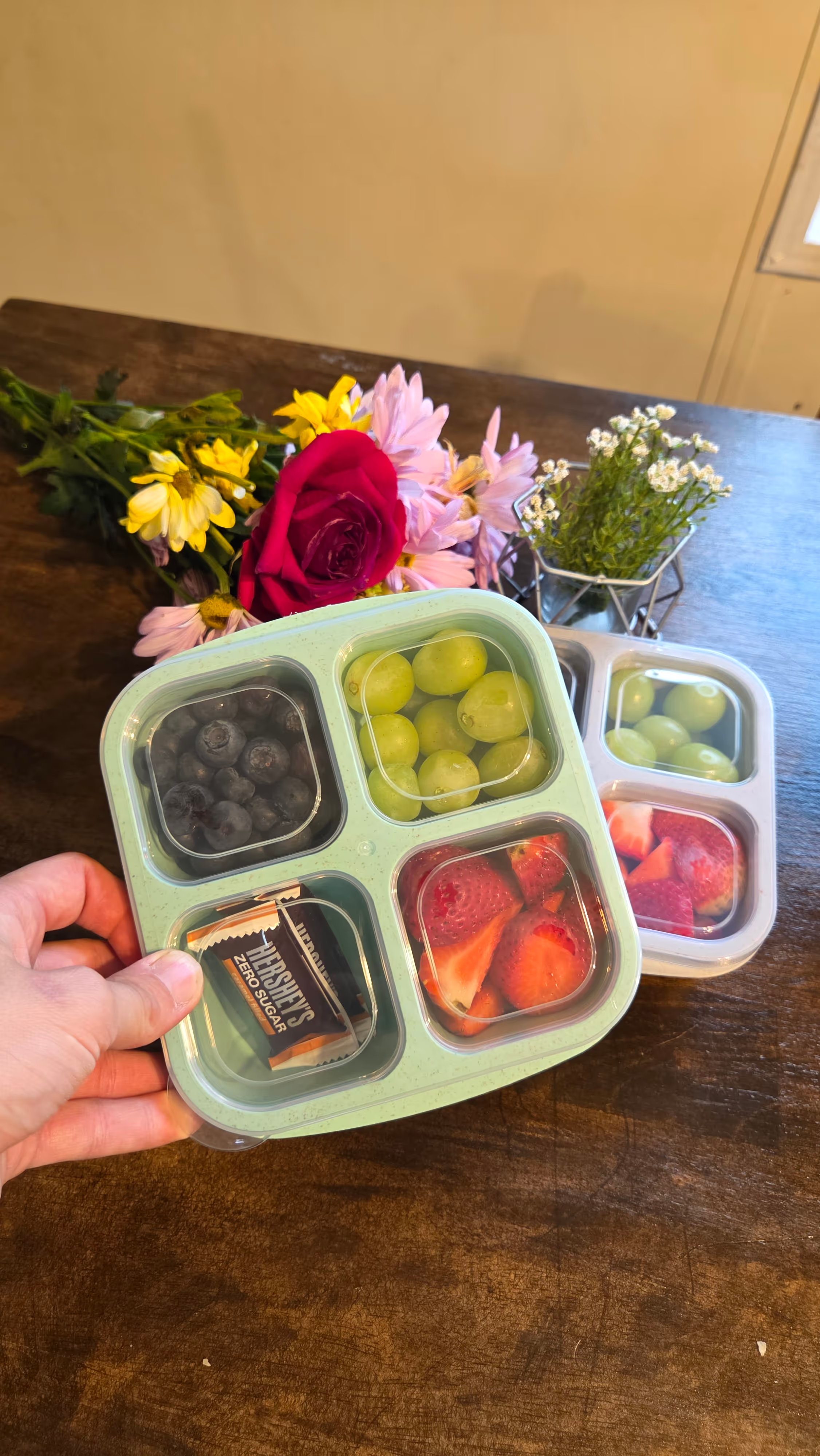
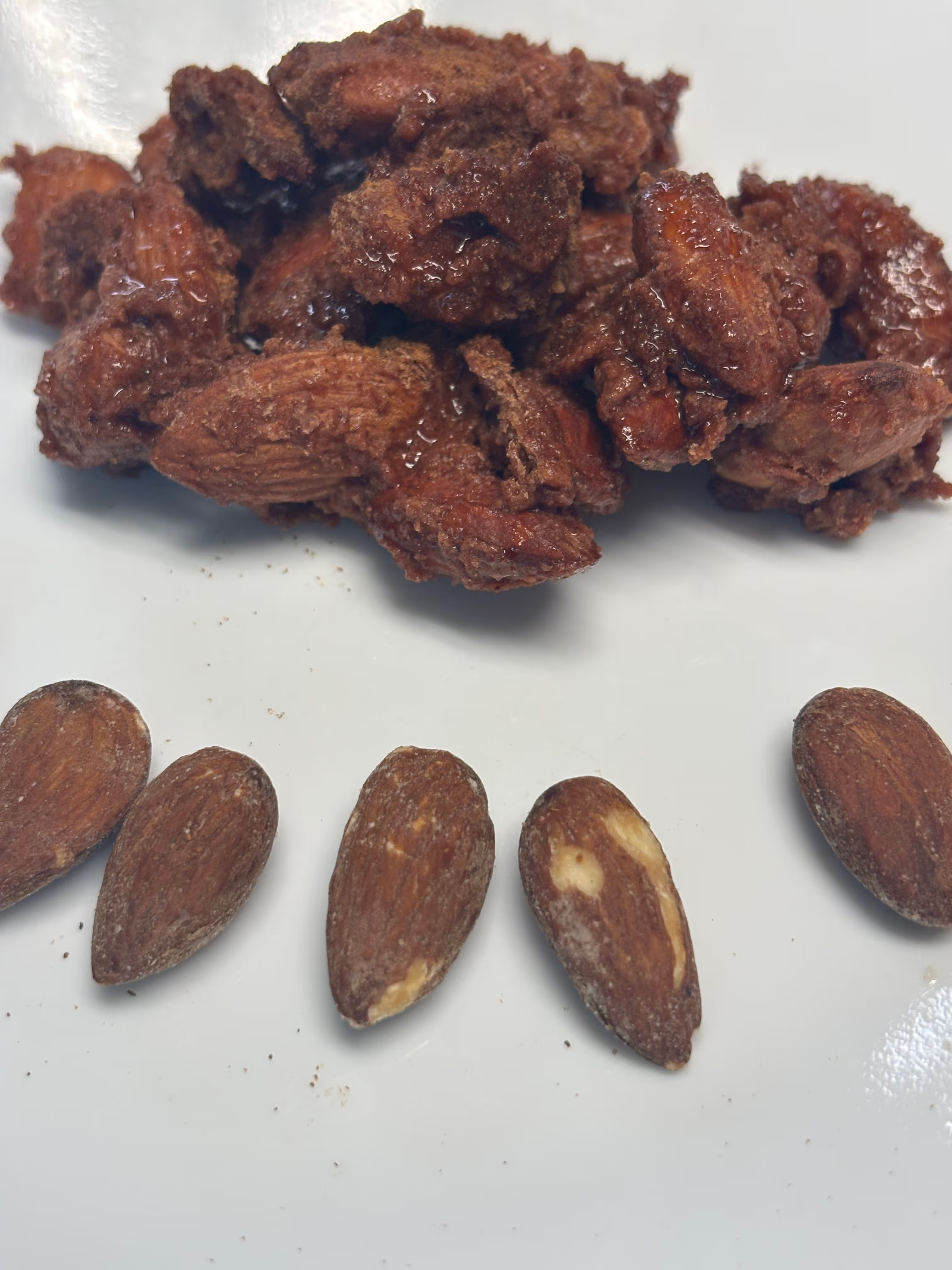
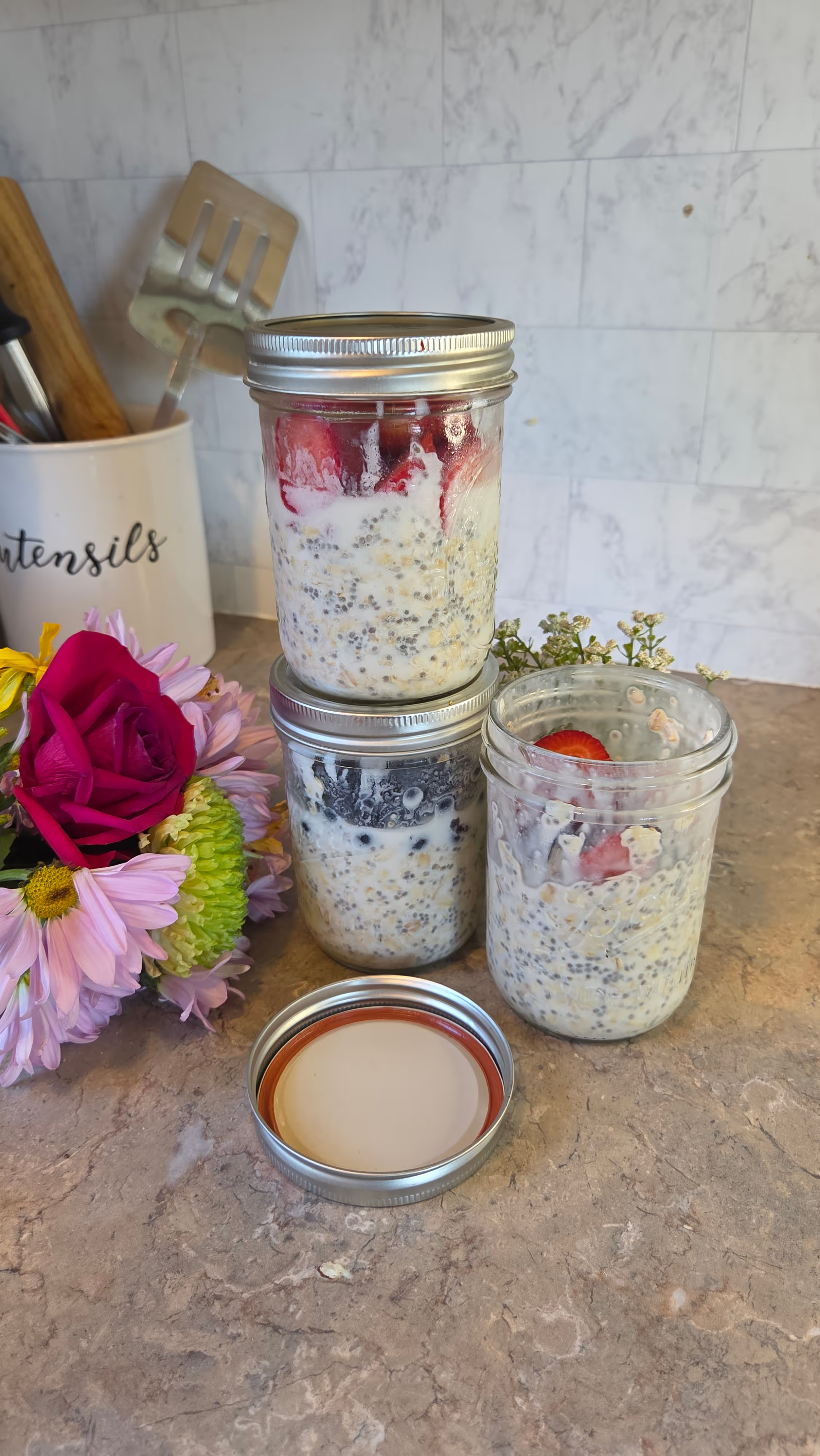

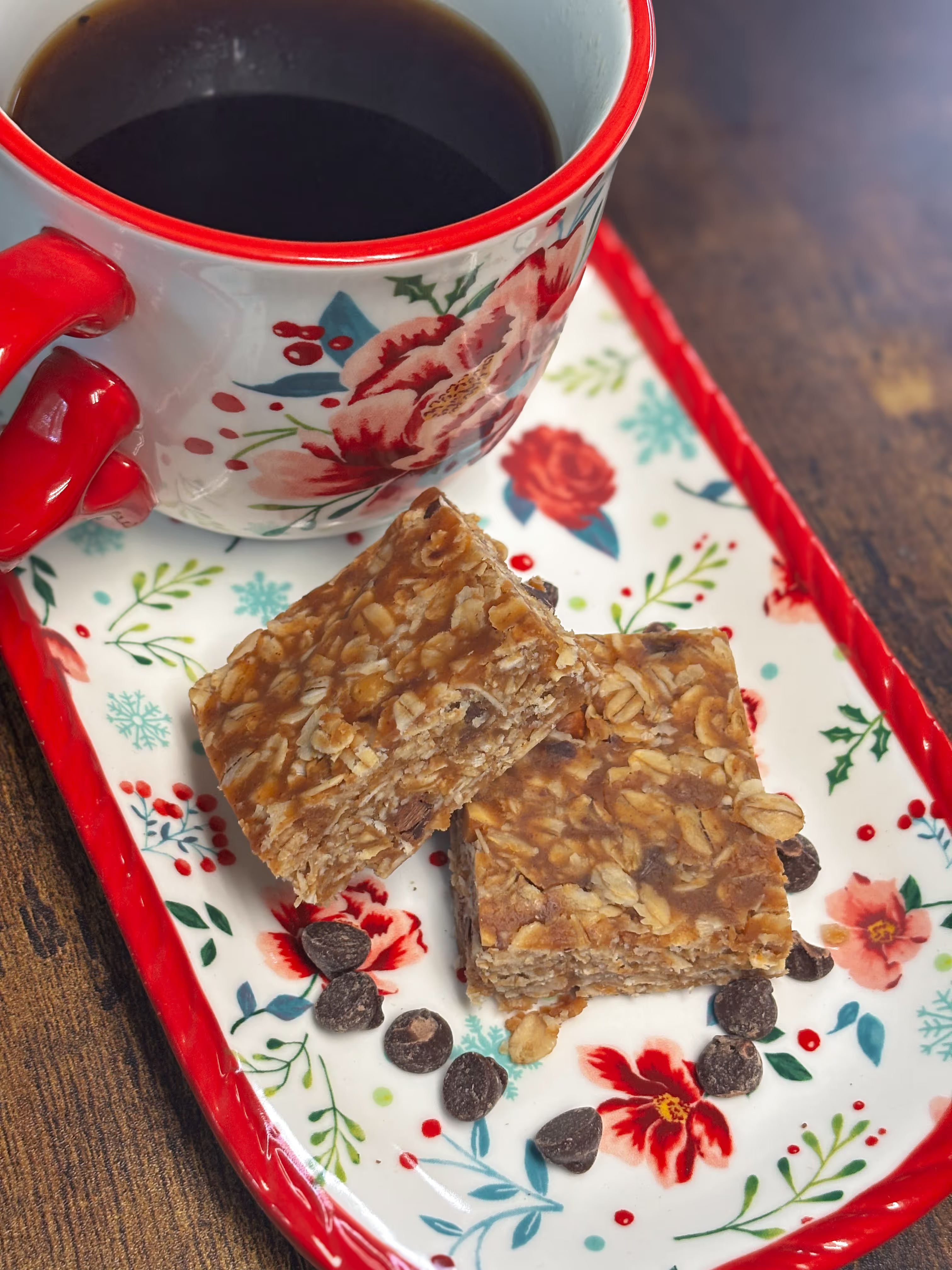
Fitness
See all








Lifestyle
See allWeight Loss Tips
See all
App Help
See all


Podcasts
See all


